
Can A Humidifier Affect Air Purifier? Essential Guide

Yes, a humidifier can affect an air purifier, primarily by increasing humidity levels, which can impact the purifier’s efficiency and potentially lead to mold growth if not managed properly. This guide explores how these two devices interact and how to use them together effectively.
The thought of improving your home’s air quality often leads to considering both humidifiers and air purifiers. These devices tackle different aspects of indoor air, but what happens when you use them in the same space? Many people wonder, “Can a humidifier affect an air purifier?” The answer is a nuanced yes. Understanding this interaction is crucial for maximizing the benefits of both appliances and avoiding potential problems. Let’s dive into how these two work together and how to ensure they complement each other for healthier air.
Understanding the Synergy: Humidifiers and Air Purifiers
Using a humidifier and an air purifier together can enhance your indoor environment by balancing humidity and removing airborne pollutants. However, improper use can lead to reduced effectiveness and potential issues like mold growth. This section explores their combined impact.
When you run a humidifier, its primary function is to add moisture to the air. An air purifier, on the other hand, is designed to capture and remove airborne particles like dust, pollen, pet dander, and smoke. The key question is how the increased moisture from a humidifier interacts with the filtration system of an air purifier. It’s a common concern for those seeking optimal home comfort and health.
How Humidity Levels Impact Air Purifier Performance
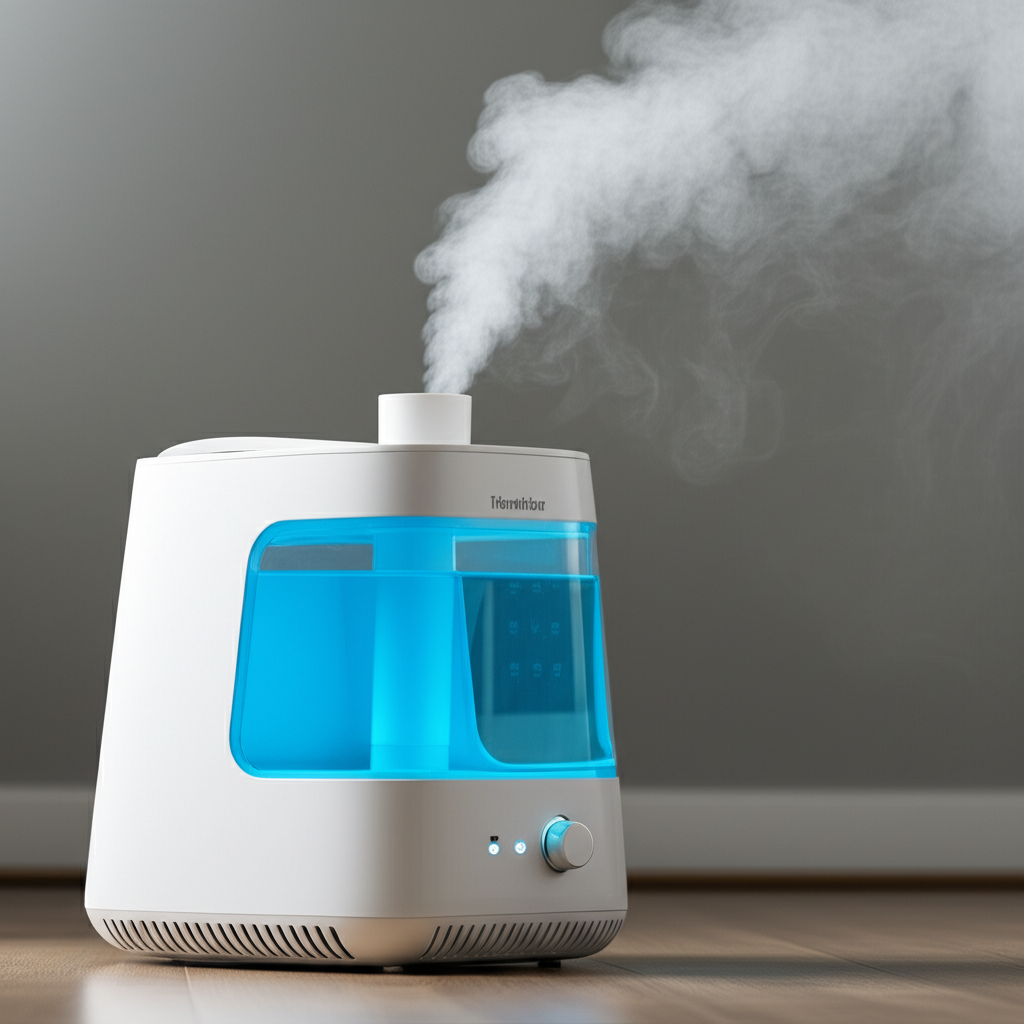
Elevated humidity can make air purifier filters more susceptible to clogging and can encourage microbial growth within the unit, potentially reducing its efficiency and lifespan. Maintaining optimal humidity is key.
Air purifiers work by drawing air through a series of filters. If the air is excessively humid, these filters can become damp. This dampness can cause fine particles to clump together, making them harder for the filters to capture effectively. Furthermore, moist filter media can become a breeding ground for bacteria and mold.
The Risk of Mold and Bacteria Growth
Excessive humidity, often exacerbated by a humidifier, can create an environment conducive to mold and bacteria growth on air purifier filters and within the unit itself, compromising air quality.
Mold and bacteria thrive in damp conditions. When an air purifier’s filters are constantly exposed to high humidity, especially if the air purifier itself is not regularly maintained, these microorganisms can begin to colonize. This not only reduces the purifier’s ability to clean the air but can also reintroduce harmful spores back into your living space.
Can a Humidifier Affect Air Purifier Filters?
Yes, high humidity can cause air purifier filters, particularly HEPA filters, to absorb moisture, leading to reduced airflow, diminished filtration efficiency, and a shorter filter lifespan.
HEPA filters are designed to trap very fine particles. When these filters become damp, their structure can change slightly, affecting how air passes through them. This can lead to a phenomenon known as “filter blinding,” where the filter becomes less permeable to air.
Optimal Humidity Levels for Combined Use
The ideal humidity range for using a humidifier and air purifier together is typically between 40% and 60%. This range balances respiratory comfort with preventing mold and ensuring optimal appliance function.
Maintaining the right humidity level is a balancing act. Too little humidity can lead to dry skin, irritated sinuses, and static electricity. Too much humidity can promote the growth of mold, dust mites, and bacteria, which can be detrimental to health and also impact your air purifier.
Signs Your Humidifier Might Be Affecting Your Air Purifier
Look for reduced airflow from your air purifier, unusual odors, or a faster-than-usual need to replace filters as indicators that your humidifier may be negatively impacting your air purifier.
These signs suggest that the increased moisture is interfering with the purifier’s operation. A noticeable decrease in the volume of air being expelled from the purifier, or a musty smell emanating from the unit, are strong indicators of a problem.
Best Practices for Using Humidifiers and Air Purifiers Together
To ensure both devices work harmoniously, place them strategically, monitor humidity levels, clean both units regularly, and choose appropriate filter types for your air purifier.
Proper placement and maintenance are key to preventing negative interactions. By following a few simple guidelines, you can enjoy the benefits of both humidified and purified air without compromising performance.
Strategic Placement of Devices
Positioning your humidifier and air purifier at least a few feet apart, and ideally on different surfaces or in separate areas of the room, can help prevent direct moisture transfer and optimize their individual functions.
Placing them too close together means the air purifier will constantly draw in the moist air directly from the humidifier. This increases the likelihood of the air purifier’s filters becoming damp. Separating them allows the air to circulate more naturally.
Monitoring Humidity Levels
Utilizing a hygrometer to track indoor humidity is essential. This allows you to adjust your humidifier’s output to maintain the optimal 40-60% range, preventing excessive moisture that could harm your air purifier.
A hygrometer is a simple and inexpensive tool that provides real-time humidity readings. This data empowers you to make informed decisions about your humidifier’s settings, ensuring you’re not over-humidifying your space.
Regular Cleaning and Maintenance
Consistent cleaning of both your humidifier and air purifier, including filter replacement for the purifier and descaling for the humidifier, is crucial for preventing mold, bacteria, and maintaining peak performance.
A clean humidifier prevents the dispersal of minerals and potential contaminants into the air. Similarly, a clean air purifier with fresh filters ensures it can effectively capture pollutants without becoming a source of them.
Choosing the Right Air Purifier Filters
Consider air purifiers with robust filtration systems, such as those with activated carbon pre-filters, which can help absorb some moisture and odors, potentially offering a slight buffer against high humidity.
While no filter is entirely immune to the effects of high humidity, some designs are more resilient. Activated carbon filters, in particular, can be beneficial in environments where humidity is a concern.
Can a Humidifier Damage an Air Purifier?
While direct “damage” is unlikely in the short term, prolonged exposure to excessive humidity can degrade air purifier filters, reduce motor efficiency due to moisture ingress, and foster an environment for internal microbial growth, leading to premature failure.
The primary concern isn’t usually a sudden breakdown, but rather a gradual decline in performance and a shortened lifespan for the appliance and its components. Moisture can affect electrical parts over time and compromise the integrity of filter materials.
Humidifier Types and Their Impact on Air Purifiers
Ultrasonic and evaporative humidifiers have different mechanisms for releasing moisture. Ultrasonic humidifiers can release finer mist, potentially leading to more immediate moisture saturation, while evaporative types might offer a more controlled release.
Understanding the type of humidifier you use can help you anticipate its impact. For instance, cool-mist humidifiers, especially ultrasonic ones, can sometimes leave a fine white dust if you use tap water, which an air purifier can help capture.
Air Purifier vs. Humidifier: When to Use Which
An air purifier is best for removing allergens, pollutants, and odors, while a humidifier is ideal for alleviating dry air symptoms. Using them together is beneficial when both dry air and airborne irritants are present.
The decision to use one or both depends on your specific indoor air quality concerns. If your primary issue is dry air causing discomfort, a humidifier is your solution. If you’re dealing with allergies or smoke, an air purifier is more appropriate.
Can a Humidifier Make My Air Purifier Work Harder?
Yes, if the air is overly humid, an air purifier may have to work harder as its filters become less efficient at capturing particles due to moisture. This can lead to increased energy consumption and noise levels.
When filters are damp and clogged, the air purifier’s fan needs to exert more force to pull air through them. This increased strain on the motor can result in higher energy bills and a louder operational sound.
Frequently Asked Questions (FAQ)
Q1: Will running a humidifier and air purifier in the same room cause problems?
No, not necessarily. Problems arise from excessive humidity caused by the humidifier, which can impact the air purifier’s filters and efficiency. Proper humidity management is key.
Q2: How far apart should I place my humidifier and air purifier?
It’s best to keep them at least a few feet apart, ideally on different surfaces, to prevent direct moisture transfer and allow for better air circulation.
Q3: Can a humidifier cause mold to grow on my air purifier?
Yes, if humidity levels are consistently too high, mold and bacteria can grow on the air purifier’s filters and internal components.
Q4: What is the ideal humidity level for my home?
The generally recommended indoor humidity level is between 40% and 60% for optimal comfort and health.
Q5: Should I turn off my humidifier when my air purifier is running?
You don’t need to turn them off entirely, but you should monitor humidity levels and adjust your humidifier’s output to stay within the ideal range.
Q6: Can I use essential oils in my humidifier with my air purifier?
While some humidifiers are designed for essential oils, it’s generally not recommended to use them with air purifiers, as oils can coat and damage the purifier’s filters.
Conclusion: Harmonizing Your Home’s Air
In conclusion, while a humidifier can indeed affect an air purifier, these effects are manageable. By understanding the interplay of humidity and filtration, maintaining optimal humidity levels, and practicing diligent cleaning, you can effectively use both devices to create a healthier, more comfortable indoor environment.
The question of “can a humidifier affect air purifier” has a clear answer: yes, but not always negatively. The key lies in responsible usage. By keeping your home’s humidity in the sweet spot between 40% and 60%, you protect your air purifier’s filters from premature clogging and prevent the growth of unwanted microorganisms. Regular maintenance of both appliances is your best defense against potential issues. With a little awareness and consistent care, your humidifier and air purifier can work together beautifully, ensuring you breathe cleaner, more comfortable air every day.
