
Brush for Cleaning Wheels: Proven Essential Tool

A brush for cleaning wheels is a vital tool that tackles stubborn dirt, grime, and brake dust on car wheels, ensuring they look their best and are properly maintained.
When you look at your car, what do you see? Shiny paint, clean windows, and… dirty wheels? Wheels are often overlooked, but they play a big role in your car’s overall appearance. They collect a lot of grime, especially brake dust, which can be tough to remove. That’s where a good brush for cleaning wheels comes in. It’s not just about looks; clean wheels can also help your car perform better. This guide will show you why a wheel cleaning brush is a must-have tool for any car owner and how to pick the right one.
Why a Wheel Cleaning Brush is More Than Just a Tool
Think about what your wheels go through every day. They are constantly exposed to dirt, mud, road salt, and, most importantly, brake dust. Brake dust is a fine metallic powder that comes off your brake pads as they wear down. This dust sticks to your wheels like glue and can even bake into the finish if left too long. A dedicated brush is designed to get into all the nooks and crannies of your wheels, lifting this stubborn dirt away. Without the right brush, you might end up scratching your wheels with harsh tools or just not getting them truly clean.
This brush is your secret weapon against caked-on grime. It’s engineered to be tough on dirt but gentle on your wheel finishes. Using a brush ensures you can reach deep into the barrel and around spokes without damaging the metal. This is crucial for maintaining your car’s aesthetic appeal and the value of your wheels.
Understanding Different Types of Wheel Cleaning Brushes
Not all brushes are created equal. They come in various shapes, sizes, and materials, each suited for different wheel types and cleaning tasks. Knowing these differences helps you choose the best brush for your specific needs.
Bristle Material: Soft vs. Stiff
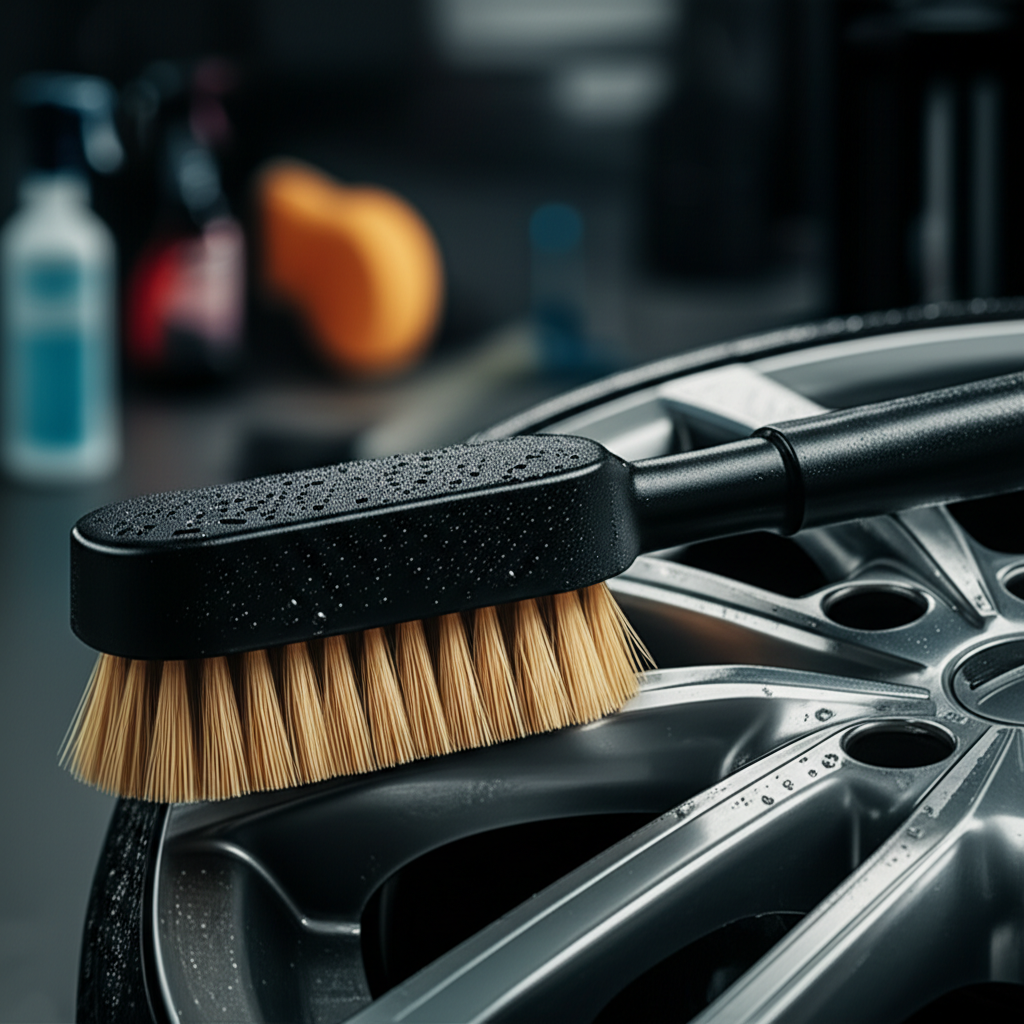
The bristles are the most important part of your brush. They determine how effectively dirt is removed and how safe the brush is for your wheels.
Soft Bristles: These are usually made from synthetic fibers like nylon or boar’s hair. They are ideal for delicate finishes like painted, chrome, or polished wheels. Soft bristles are less likely to scratch, making them a safe choice for most cars.
Stiff Bristles: These are often made from harder synthetic materials or natural fibers. They offer more scrubbing power for very dirty wheels or tough grime. However, they carry a higher risk of scratching, so they should be used with caution on sensitive wheel finishes.
Brush Shape and Size
The shape and size of the brush also matter for reaching different parts of the wheel.
Long, Thin Brushes: These are perfect for reaching deep into the wheel barrel and cleaning behind spokes. They often have a flexible handle to maneuver around complex wheel designs.
Round, Densely Bristled Brushes: These are great for scrubbing the face of the wheel and tire sidewalls. They provide good coverage for larger areas.
Detailing Brushes: Smaller, more specialized brushes are useful for cleaning lug nut holes and intricate details.
Choosing the right bristle type and shape ensures you clean effectively without causing damage. Always consider your wheel’s finish when making your selection.
The Essential Role of a Wheel Brush in Car Detailing
Car detailing is about more than just a quick wash. It involves a thorough cleaning to make your car look its absolute best. Wheels are a critical part of this process, and a wheel brush is indispensable.
Tackling Brake Dust: The Unseen Enemy
Brake dust is notorious for sticking to wheels. It’s abrasive and can etch into finishes if left unchecked. A good wheel brush, combined with a quality wheel cleaner, can break down and lift this stubborn residue. This prevents long-term damage and keeps your wheels looking factory fresh.
Reaching Every Nook and Cranny
Modern wheels often have complex designs with many spokes and deep barrels. Standard wash mitts or sponges simply cannot reach these areas. A specialized wheel brush, especially a long and flexible one, is designed to get into these tight spots. This ensures a complete clean, not just a surface polish.
Protecting Your Wheel Finish
Using the wrong tools can easily scratch your wheels, leading to costly repairs or replacements. A wheel cleaning brush, made with appropriate materials and used correctly, is designed to clean effectively without damaging the delicate finishes of your wheels. This is especially true for softer bristle options.
A dedicated wheel brush is a small investment that pays huge dividends in maintaining your car’s appearance and value. It allows for a level of detail that is otherwise impossible.
Choosing the Right Brush for Your Wheels: A HomeHygia Guide
Selecting the perfect brush for cleaning wheels depends on several factors, including your car’s wheel type, the level of dirt, and your personal preferences. At HomeHygia, we aim to simplify these choices for you.
Assess Your Wheels
First, identify your wheel’s material and finish. Are they chrome, painted, alloy, powder-coated, or polished? Each type requires a different level of care.
Chrome and Polished Wheels: These are highly reflective but also prone to scratching. Opt for brushes with very soft bristles, like boar’s hair or premium synthetic options.
Painted and Alloy Wheels: These are more durable but can still be scratched by aggressive brushes. Medium-soft synthetic bristles are usually a safe bet.
Powder-Coated Wheels: These are quite resilient. You might get away with slightly stiffer bristles, but soft is always the safest option.
Consider Your Cleaning Needs
How dirty do your wheels typically get? If you live in an area with a lot of salt or mud, you might need a brush with a bit more scrubbing power. For regular maintenance and light dust, a softer brush will suffice.
Key Features to Look For
Ergonomic Handle: A comfortable grip makes cleaning easier and more efficient.
Durable Construction: The brush should be well-made and able to withstand repeated use.
Non-Damaging Bristles: Ensure the bristles are designed not to scratch your specific wheel type.
Flexibility: For intricate wheel designs, a flexible brush head or handle is a significant advantage.
HomeHygia’s Top Recommendations
For most car owners, a set of brushes is ideal. This typically includes a longer, thinner brush for the barrel and spokes, and a rounder brush for the face and tire. Always test a small, inconspicuous area first if you are unsure about a brush’s effect on your wheels.
How to Use a Brush for Cleaning Wheels Effectively
Using your wheel cleaning brush correctly is as important as choosing the right one. Proper technique ensures maximum cleaning power with minimal risk of damage.
Step-by-Step Cleaning Process
1. Rinse the Wheels: Start by thoroughly rinsing your wheels and tires with water. This removes loose dirt and debris, preventing them from acting like sandpaper when you scrub.
2. Apply Wheel Cleaner: Spray a dedicated wheel cleaner onto one wheel at a time. Allow it to dwell for the time recommended by the manufacturer.
3. Agitate with the Brush: Dip your wheel cleaning brush into a bucket of soapy water or your wheel cleaner solution. Gently but firmly scrub all surfaces of the wheel. Use your long brush to reach the barrel and behind spokes. Use a rounder brush for the face and tire.
4. Rinse Again: Thoroughly rinse the wheel to remove all the cleaner and loosened grime. Check for any missed spots.
5. Repeat for Other Wheels: Follow the same process for the remaining wheels.
6. Dry the Wheels: Dry your wheels immediately with a clean microfiber towel. This prevents water spots and is essential for maintaining the finish.
Best Practices for Longevity and Safety
Never use the same brush on your paintwork. Dedicate brushes solely for wheels.
Rinse your brush frequently during cleaning to avoid re-depositing dirt.
Store your brushes properly after use, allowing them to air dry. This prevents bacterial growth and keeps bristles in good condition.
Use a separate brush for tires if they are heavily soiled, as tire rubber can be abrasive.
Following these steps ensures your wheels are spotless and your brushes remain effective for a long time.
Common Mistakes to Avoid When Cleaning Wheels
Even with the right tools, mistakes can happen. Knowing what to avoid will save your wheels from unnecessary damage and ensure a superior clean.
Mistake 1: Using Household Cleaners
Many household cleaners are too harsh for automotive wheel finishes. They can strip protective coatings, discolor alloys, or damage clear coats. Always use a cleaner specifically designed for automotive wheels. For instance, acidic cleaners can be very effective on brake dust but can damage certain wheel finishes if not used carefully.
Mistake 2: Scrubbing Too Hard
While you need some pressure to remove grime, excessive force can scratch your wheels. Let the wheel cleaner do the heavy lifting, and use your brush to gently agitate the dirt. A high-quality wheel brush with appropriate bristles will do most of the work for you.
Mistake 3: Not Rinsing Thoroughly
Leaving cleaner residue on your wheels can lead to etching or staining. Always rinse wheels thoroughly after cleaning, ensuring all product and loosened dirt are washed away. This is especially important for intricate wheel designs where cleaner can hide.
Mistake 4: Using Dirty Water or Tools
Reintroducing dirt and grit back onto your wheels will only cause scratches. Always start with clean water and a clean brush. Rinse your brush frequently during the cleaning process.
Avoiding these common pitfalls will help you achieve a professional-level clean and protect your wheels for years to come.
Advanced Techniques and Specialized Brushes
Once you’ve mastered the basics, you might want to explore advanced techniques or specialized brushes for even better results. Different wheel designs and types of dirt call for tailored approaches.
The Two-Bucket Method for Wheels
Similar to washing a car, using two buckets for wheel cleaning is highly recommended. One bucket contains your wheel cleaning solution, and the other contains clean rinse water for your brush. Dip your brush in the cleaner, scrub a section, then rinse the brush thoroughly in the clean water bucket before dipping it back into the cleaner. This dramatically reduces the risk of scratching by keeping abrasive particles away from your wheels.
Specialized Brushes for Specific Needs
Barrel Brushes: These are long, flexible brushes designed to reach deep into the wheel barrel. They are essential for thorough cleaning of the often-neglected inner wheel surface.
Lug Nut Brushes: Small, often cone-shaped brushes designed to fit into the tight spaces around lug nuts and bolts.
Wheel Spoke Brushes: Brushes with angled heads or thin profiles to get between intricate spokes without hitting the wheel face.
Tire Brushes: Stiffer brushes designed to scrub tire sidewalls and remove stubborn road grime and tire dressing residue.
Using the right brush for the right part of the wheel ensures a complete and safe clean. For example, a set of Chemical Guys wheel brushes often includes a variety designed for different parts of the wheel assembly.
Deep Cleaning for Stubborn Grime
For wheels that haven’t been cleaned in a long time, you might need a more aggressive approach. This could involve using a stronger wheel cleaner or allowing the cleaner to dwell for a longer period. Always follow manufacturer instructions and test in an inconspicuous area first. In severe cases, a clay bar treatment might be necessary after cleaning to remove embedded contaminants.
Material Science: What Makes a Good Wheel Cleaning Brush?
The effectiveness and safety of a wheel cleaning brush are heavily influenced by the materials used in its construction. Understanding these materials helps you appreciate why certain brushes perform better.
Bristle Technology: From Boar Hair to Advanced Synthetics
Boar Hair: Natural boar hair is soft and flexible, making it excellent for delicate finishes. It holds soap well and is gentle. However, it can degrade over time with harsh chemicals and requires careful drying.
Nylon: A common synthetic choice, nylon bristles offer good durability and chemical resistance. They can range from soft to stiff depending on their thickness and density.
Polypropylene: Often used for stiffer brushes, polypropylene is very durable and chemical-resistant. It’s good for tougher grime but carries a higher risk of scratching softer finishes.
Microfiber: Some specialized brushes use microfiber bristles or covers. These are exceptionally soft and safe for the most sensitive finishes, but may offer less scrubbing power.
Handle and Ferrule Materials
The handle should be comfortable to grip, even when wet. Materials like rubberized plastic or ergonomic grips offer better control. The ferrule, the metal band connecting the bristles to the handle, should be strong and rust-resistant. Stainless steel or aluminum are good choices. Some brushes use plastic ferrules for added safety against scratching metal rims.
Durability and Chemical Resistance
A good wheel brush should be built to last. It needs to withstand repeated exposure to water, cleaning chemicals, and abrasive dirt. High-quality construction ensures the bristles remain intact and the handle doesn’t break during use. For example, brushes designed for use with acidic wheel cleaners must have excellent chemical resistance.
The choice of materials directly impacts a brush’s performance, longevity, and safety on your wheels. Investing in a brush made from quality materials is a wise decision for any car enthusiast.
Comparing Wheel Brush Options: A Quick Look
To help you decide, here’s a simplified comparison of common wheel brush types:
| Brush Type | Bristle Material | Best For | Risk of Scratching |
| :——————- | :——————— | :————————————– | :—————– |
| Soft Detailing Brush | Boar Hair / Soft Nylon | Chrome, Polished, Painted Wheels | Very Low |
| All-Purpose Wheel Brush | Medium Nylon | Alloy, Painted, Powder-Coated Wheels | Low to Medium |
| Barrel Brush | Long, Flexible Nylon | Wheel Barrels, Deep Wheels | Low |
| Stiff Scrub Brush | Polypropylene / Stiff Synthetic | Tires, Heavily Soiled Wheels (with caution) | High |
This table provides a general overview. Always check product descriptions and reviews for specific recommendations related to your wheel type.
The Environmental Impact of Wheel Cleaning
As conscious consumers, it’s important to consider the environmental impact of our cleaning choices. This extends to the tools we use, like brushes for cleaning wheels.
Sustainable Materials and Manufacturing
Many manufacturers are now focusing on using recycled plastics for brush handles and developing more durable, long-lasting bristles. This reduces waste and the need for frequent replacements. Some natural bristles, like boar hair, are biodegradable, but their harvesting and processing can have environmental considerations.
Chemical Runoff and Water Usage
The biggest environmental impact often comes from the wheel cleaners themselves. Choosing eco-friendly, biodegradable wheel cleaners is crucial. Additionally, minimizing water usage during rinsing and ensuring that wastewater is properly managed can help protect local waterways from chemical pollution. Using a WaterSense-labeled faucet aerator can also reduce water consumption during washing.
Brush Lifespan and Disposal
A durable wheel brush that lasts for many years is more environmentally friendly than a cheap one that needs frequent replacement. When a brush eventually wears out, consider if it can be recycled. Some plastic components might be recyclable through specialized programs.
Making informed choices about your cleaning tools and products can contribute to a more sustainable approach to car care.
Frequently Asked Questions About Wheel Cleaning Brushes
Q1: Can I use a regular dish brush to clean my car wheels?
No, it’s not recommended. Dish brushes can be too stiff and may scratch your wheel finish. They also aren’t designed to reach the intricate areas of car wheels.
Q2: How often should I clean my car wheels?
It’s best to clean your wheels every time you wash your car, or at least every two weeks. This prevents brake dust and grime from becoming too deeply embedded.
Q3: Do I need a different brush for the tires?
Yes, it’s often best to use a separate, stiffer brush for tires. Tire rubber can hold a lot of stubborn dirt and grime that a softer wheel brush might not remove effectively.
Q4: Can I use a pressure washer on my wheels?
Yes, but with caution. High pressure can damage wheel finishes, especially if the wheels are already compromised. Keep the nozzle at a safe distance and use a lower pressure setting. A brush is still needed for agitation.
Q5: Are all wheel cleaners safe for all types of wheels?
No. Always check the label to ensure the wheel cleaner is safe for your specific wheel finish (e.g., chrome, alloy, painted). Test in an inconspicuous spot if unsure.
Q6: How do I clean my wheel brush after use?
Rinse the brush thoroughly with clean water until all soap and dirt are gone. Shake off excess water and let it air dry completely before storing it.
Conclusion: Your Wheels Deserve the Best Tool
A brush for cleaning wheels is not a luxury; it’s a necessity for any car owner who values appearance and maintenance. It’s the most effective tool for cutting through stubborn brake dust and road grime that regular washing can’t tackle. By choosing the right brush for your wheel type and using it with proper technique, you protect your wheels from damage while achieving a brilliant, clean look. Investing in a quality wheel cleaning brush is an investment in your car’s overall appeal and value. Make sure to add this essential tool to your car care arsenal.
Consider exploring the range of cleaning tools and accessories at HomeHygia to complement your wheel cleaning efforts.
