
Brush for Cleaning Vinyl Siding: Proven Effortless Shine

Achieve a sparkling clean home exterior with the right brush for cleaning vinyl siding, making your house look new again with minimal effort and maximum shine.
Cleaning your home’s exterior can seem like a big chore. Vinyl siding is popular because it’s easy to care for. But over time, dirt, grime, and mildew can build up. This makes your house look dull and uninviting. Using the right tools makes this task much simpler. This guide will help you find the best brush for cleaning vinyl siding. You’ll learn how to get a proven, effortless shine for your home.
Why Cleaning Vinyl Siding Matters
Vinyl siding protects your home from the weather. It also greatly affects your home’s curb appeal. Dirty siding can hide its true color. It might even host mold or mildew, which can be unhealthy. Regular cleaning keeps your home looking its best. It also helps prevent damage to the siding itself. A clean home makes you feel proud. It can even increase your home’s value.
Understanding Vinyl Siding and Its Cleaning Needs
Vinyl siding is made of plastic. It’s durable but can be scratched by harsh tools. It can also be damaged by strong chemicals. The main enemies of vinyl siding are dirt, pollen, algae, and mildew. These can all stick to the surface. They create unsightly stains and discoloration. Washing your siding at least once a year is a good idea. This keeps it looking fresh and prevents buildup.
Types of Brushes for Cleaning Vinyl Siding
There are several types of brushes suitable for cleaning vinyl siding. The best choice depends on the dirt level and your comfort. You want a brush that cleans effectively without scratching.
Soft Bristle Brushes
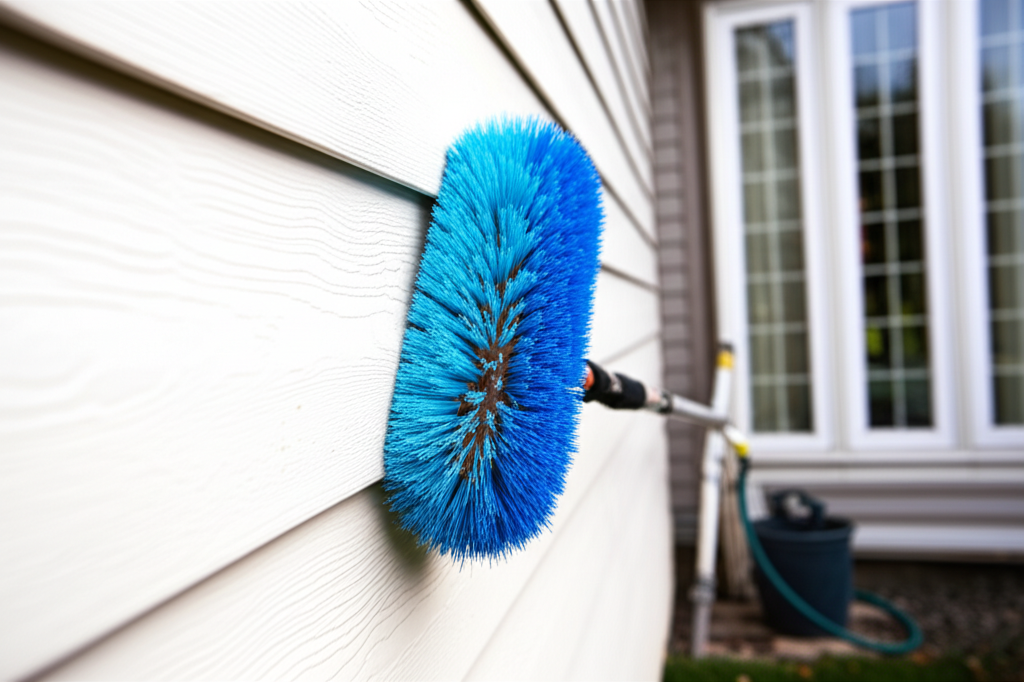
These brushes have very fine, flexible bristles. They are ideal for light dirt and regular maintenance. They gently scrub away grime. They also help avoid any damage to the siding’s surface. Soft bristles are also good for painted wood or other delicate surfaces.
Medium Bristle Brushes
Medium bristles offer a bit more scrubbing power. They are great for siding that has moderate dirt or mildew. These brushes can tackle tougher stains. Still, they are designed to be safe for most vinyl. Always test in an inconspicuous area first.
Extension Pole Brushes
Many siding brushes come with or attach to an extension pole. This is a game-changer for reaching high areas. You can clean safely from the ground. This avoids the need for ladders. Many poles are adjustable to your height. This makes the job much easier and safer.
Scrubber Brushes
Some specialized scrubber brushes are available. These might have unique bristle patterns. They are designed for maximum dirt removal. They often have ergonomic handles. Look for ones specifically labeled for vinyl siding.
Choosing the Right Brush: Key Features to Consider
When picking a brush for cleaning vinyl siding, look for specific features. These will ensure you get the best results.
Bristle Material and Stiffness
The bristles should be made of synthetic materials like nylon or polyester. Avoid natural bristles, as they can hold moisture and promote mold. The stiffness should match the level of cleaning needed. Soft for light dirt, medium for tougher jobs.
Handle and Ergonomics
A comfortable handle is important for long cleaning sessions. Look for ergonomic grips that reduce hand fatigue. If using an extension pole, ensure it’s lightweight and easy to maneuver. Adjustable poles offer more flexibility.
Durability and Build Quality
You want a brush that will last. Check for sturdy construction. The bristles should be securely attached. The handle should be robust. A well-made brush will withstand repeated use and cleaning solutions.
Compatibility with Cleaning Solutions
Ensure the brush material is safe to use with common siding cleaners. Many cleaners are available, from homemade vinegar solutions to commercial products. Your brush should not degrade when exposed to these.
The Best Brushes for Cleaning Vinyl Siding: Our Top Picks
After reviewing many options, we’ve identified some excellent brushes. These offer a great balance of cleaning power and safety for vinyl siding.
The All-Purpose Soft Bristle Extension Brush
This type of brush is often a favorite for a reason. It combines gentle cleaning with the reach needed for most homes.
Pros: Safe for all vinyl finishes, effective for light to moderate dirt, allows safe cleaning from the ground.
Cons: May struggle with very stubborn stains, bristles can wear down over time.
The Heavy-Duty Scrubber with Pole
For homes with significant algae or mildew growth, a more robust brush is needed.
Pros: Excellent at removing tough stains and grime, often includes a sturdy extension pole.
Cons: Bristles can be too harsh for very delicate vinyl, might require more effort to rinse clean.
Brush Attachments for Pressure Washers (Use with Caution!)
Some pressure washers have brush attachments. These can speed up the cleaning process. However, they can also damage vinyl siding if not used correctly. Always use the lowest pressure setting. Keep the nozzle at a safe distance.
Pros: Very fast cleaning, can tackle heavy buildup.
Cons: High risk of damaging siding if pressure is too high or nozzle is too close.
How to Clean Vinyl Siding Effortlessly: A Step-by-Step Guide
Using the right brush makes cleaning easier. Follow these steps for a sparkling finish.
Step 1: Prepare Your Area
Clear away any plants, furniture, or decorations from the siding. Cover electrical outlets and light fixtures with plastic wrap. This protects them from water and cleaning solutions.
Step 2: Choose Your Cleaning Solution
You can use a commercial siding cleaner or a DIY solution. A common DIY mix is one part white vinegar to five parts water. For tougher jobs, a solution with a small amount of mild detergent can work. Always rinse thoroughly afterward. You can find excellent guides on safe cleaning solutions from sources like EPA guidelines on mold and mildew.
Step 3: Wet the Siding
Lightly spray the siding with water. This helps loosen surface dirt. It also prevents the cleaning solution from drying too quickly. Work in small sections.
Step 4: Apply the Cleaner
Using your chosen brush and solution, start scrubbing. Work from the bottom of the siding upwards. This prevents dirty water from running down clean areas. Apply gentle, even pressure.
Step 5: Scrub and Rinse
Use your brush to scrub away dirt and grime. Pay attention to stained areas. Rinse the siding thoroughly with clean water. Make sure all cleaning solution is removed. Work from top to bottom when rinsing.
Step 6: Address Stubborn Stains
For tough spots like mildew or sap, you might need a stronger cleaner or more scrubbing. A paste of baking soda and water can help. Always test any new cleaner in an hidden spot first.
Tips for an Effortless Shine
Getting that perfect shine is all about technique. Here are some expert tips.
Work on a Cloudy Day
Avoid direct sunlight when cleaning. The sun can dry the cleaning solution too fast. This can leave streaks and spots. A cloudy day allows the cleaner to work longer. It also makes rinsing easier.
Rinse Thoroughly
This is crucial for a streak-free shine. Leftover soap or cleaner can attract dirt. It can also dull the siding’s finish. Use a garden hose with good pressure.
Rinse from Top to Bottom
Always rinse from the top of your house down. This ensures all residue is washed away. It prevents streaks from forming on already cleaned areas.
Consider a Mild Detergent
For general cleaning, a mild dish soap can be effective. Mix a few tablespoons in a bucket of water. Avoid harsh chemicals like bleach unless absolutely necessary. Bleach can damage siding and plants.
Common Mistakes to Avoid When Cleaning Vinyl Siding
Even with the best brush, mistakes can happen. Being aware of them helps prevent damage.
Using a Stiff-Bristled Brush on Delicate Surfaces
A brush that’s too stiff can scratch the vinyl. This can permanently mar its appearance. It can also remove the protective coating. Always opt for softer or medium bristles.
Applying High Pressure with a Pressure Washer
Pressure washers are powerful. Using too much pressure can force water under the siding. This can lead to mold and damage. It can also crack or warp the vinyl. If using one, keep it on the lowest setting. Maintain a distance of at least 2 feet.
Not Rinsing Thoroughly
This leads to streaks and a dull finish. It can also cause cleaning residues to attract more dirt. Always take your time with the final rinse.
Cleaning in Direct Sunlight
As mentioned, direct sun dries cleaners too quickly. This leads to uneven cleaning and streaks. It also makes the job harder.
Maintaining Your Vinyl Siding for Long-Term Shine
Regular maintenance keeps your siding looking good. It also extends its lifespan.
Annual Cleaning
Aim to clean your vinyl siding at least once a year. Spring or fall are good times. This removes accumulated dirt and grime.
Inspect for Damage
While cleaning, check for any cracks, warping, or loose panels. Address these issues promptly. Small repairs can prevent bigger problems later.
Trim Overhanging Branches
Trees can drop leaves and sap onto your siding. They can also harbor mildew. Keeping branches trimmed reduces debris. It also improves sunlight and air circulation.
Tools and Supplies You’ll Need
Besides the right brush, gather these items:
Hose with spray nozzle: For wetting and rinsing.
Bucket: For your cleaning solution.
Cleaning solution: Commercial or DIY.
Soft cloths or sponges: For spot cleaning.
Plastic sheeting and tape: To protect outlets and fixtures.
Gloves and eye protection: For safety.
Ladder (if necessary): Use with caution and ensure stability.
Extension pole: For your brush if not included.
Frequently Asked Questions About Brushes for Vinyl Siding
What is the best type of brush for cleaning vinyl siding?
The best brush has soft to medium synthetic bristles. An extension pole makes it easier to reach all areas safely. Look for brushes designed for house washing.
Can I use a wire brush on vinyl siding?
No, never use a wire brush on vinyl siding. The stiff metal bristles will scratch and damage the surface. This can lead to permanent marks and reduce the siding’s lifespan.
How often should I clean my vinyl siding?
You should aim to clean your vinyl siding at least once a year. More frequent cleaning may be needed if you live in an area with heavy pollen, pollution, or mildew growth.
What cleaning solution is safe for vinyl siding?
Mild dish soap mixed with water is safe and effective for general dirt. For tougher stains like mildew, a solution of one part white vinegar to five parts water is good. Commercial siding cleaners are also available, but always check labels for vinyl safety.
Can I use a power washer to clean vinyl siding?
Yes, but with extreme caution. Use the lowest pressure setting and keep the nozzle at least two feet away from the siding. High pressure can force water behind the siding and cause damage. A brush is often a safer and more effective choice.
Conclusion: Your Brush for a Brighter Home Exterior
Choosing the right brush for cleaning vinyl siding is key to an effortless shine. A good quality brush with appropriate bristles, paired with a safe cleaning solution, transforms a dull exterior into a welcoming facade. Remember to prepare your area, scrub gently, and rinse thoroughly. By following these steps, you’ll not only enhance your home’s appearance but also protect your vinyl siding for years to come. Invest in a quality brush, and enjoy the satisfaction of a beautifully clean home exterior.
