
Brush For Cleaning Rims: Effortless Shine

Achieve a spotless, gleaming finish on your car’s rims with the right brush for cleaning rims, making the job quick, easy, and incredibly effective.
When it comes to keeping your car looking its best, clean rims are a must. They add a touch of sparkle and show you care about your vehicle. But cleaning them can be tough. Dirt, brake dust, and grime can stick stubbornly. Using the wrong tools can lead to scratches or a lot of hard work. This guide will show you how to pick the perfect brush for cleaning rims. You’ll learn how to get that effortless shine you desire.
Why Choosing the Right Brush for Cleaning Rims Matters
A good brush for cleaning rims is more than just a tool; it’s your secret weapon against stubborn dirt. Generic sponges or cloths just can’t reach all the nooks and crannies. They also risk scratching your precious rims. The right brush is designed to tackle brake dust and road grime safely. It ensures a thorough clean without damaging the finish. This saves you time and effort in the long run.
Understanding Different Types of Rim Cleaning Brushes
Not all brushes are created equal when it comes to cleaning rims. Each type has its own strengths and is best suited for specific rim materials and types of dirt. Knowing these differences helps you make the best choice for your car.
Bristle Material: The Key to Safe and Effective Cleaning
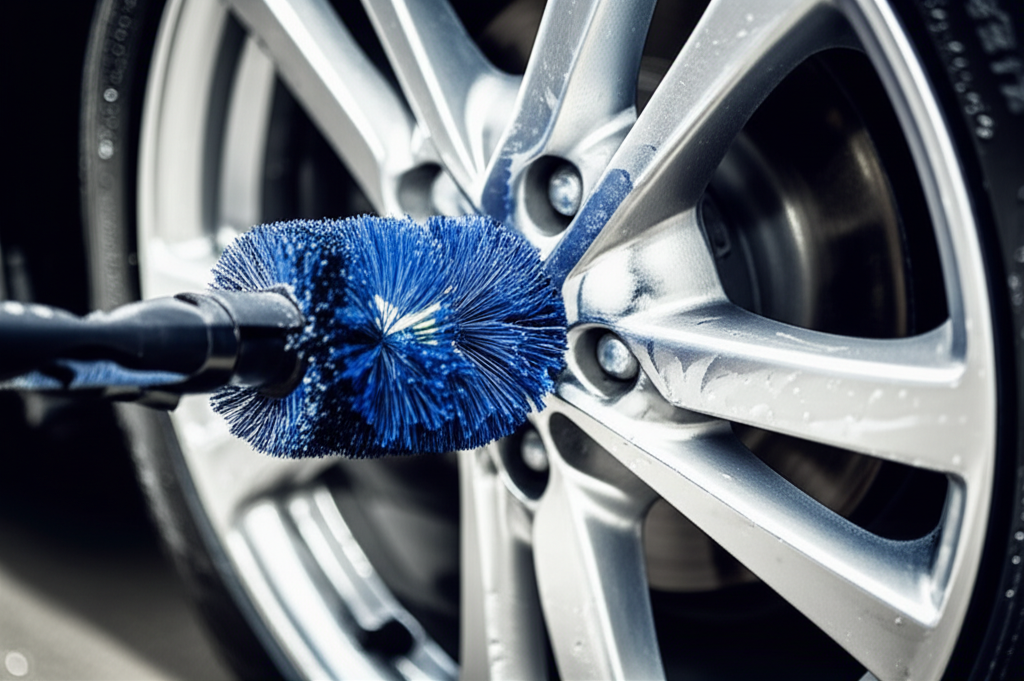
The material of the bristles is crucial. It determines how well the brush cleans and how safe it is for your rims.
Microfiber: These are super soft and great for delicate finishes. They trap dirt effectively and are less likely to cause scratches.
Nylon: A common choice, nylon bristles are durable and flexible. They offer good cleaning power without being too harsh.
Boar’s Hair: Natural and very soft, boar’s hair brushes are excellent for high-end or painted rims. They provide a gentle yet effective clean.
Synthetic Blends: Many brushes use a mix of synthetic fibers. These can offer a balance of softness and scrubbing power.
Brush Shape and Size: Reaching Every Corner
The shape and size of the brush are important for reaching all parts of your rims. Wheels have complex designs with many spokes and tight spaces.
Long, Thin Brushes: These are ideal for getting between spokes and into deep barrel areas. They can often reach the back of the rim.
Detachable Head Brushes: Some brushes have interchangeable heads. This allows you to switch between different bristle types or sizes.
Mitt-Style Brushes: These look like gloves. They offer a good grip and allow you to feel the surface as you clean.
Specialty Brushes for Specific Needs
Beyond general-purpose rim brushes, there are specialized tools. These are designed for very specific cleaning challenges.
Wheel Lug Nut Brushes: These are small and thin, perfect for cleaning around lug nuts.
Wheel Well Brushes: Longer and sturdier, these are for cleaning the inside of the wheel wells, which get very dirty.
Top Picks for Brushes for Cleaning Rims: HomeHygia’s Recommendations
At HomeHygia, we’ve tested many tools to find what truly works. Here are some types of brushes that stand out for their effectiveness and ease of use. We focus on durability and the ability to deliver that satisfying shine.
The All-Around Champion: The Long Handle Microfiber Brush
This brush is a favorite for many reasons. Its long handle makes it easy to reach the deepest parts of the wheel. The microfiber head is gentle on all rim finishes. It effectively lifts away brake dust and road grime. This type of brush is perfect for regular maintenance cleaning.
For Tough Grime: The Stiff Bristle Nylon Brush
When brake dust has caked on, you need something with a bit more power. A nylon brush with slightly stiffer bristles can handle this. However, it’s important to use this type carefully on sensitive finishes. Always test in an inconspicuous area first. This brush is excellent for deep cleaning sessions.
The Gentle Giant: The Natural Boar’s Hair Brush
If you have polished or painted rims, gentleness is key. Boar’s hair brushes offer unparalleled softness. They clean effectively without risking swirl marks or scratches. They are often used by professional detailers. These brushes are a worthwhile investment for protecting your rim’s finish.
How to Use a Brush for Cleaning Rims Effectively
Using the right brush is only half the battle. Proper technique ensures you get the best results safely. Here’s a step-by-step guide to make your rims shine.
Step 1: Gather Your Supplies
Before you start, make sure you have everything ready. This makes the process smooth and efficient.
Wheel Cleaner: Choose a pH-neutral cleaner for safety.
Bucket: One for your cleaning solution, another for rinsing.
Brush for Cleaning Rims: Your chosen tool.
Hose or Pressure Washer: For rinsing.
Microfiber Towels: For drying.
Step 2: Rinse the Wheels
Start by thoroughly rinsing each wheel. This removes loose dirt and debris. It prevents these particles from scratching the rim when you scrub. Use a gentle stream of water.
Step 3: Apply Wheel Cleaner
Spray your wheel cleaner onto one wheel at a time. Let it dwell for the time recommended on the product label. This allows the cleaner to break down brake dust and grime. Avoid letting the cleaner dry on the surface.
Step 4: Scrub with Your Brush
This is where your brush for cleaning rims shines. Dip your brush into your bucket of cleaning solution. Gently scrub the entire wheel surface. Work your way around the spokes, barrel, and face of the rim. Use a long brush to reach the back.
For delicate rims: Use light pressure with a soft brush.
For stubborn grime: Use slightly more pressure with a stiffer brush, but still be careful.
Step 5: Rinse Thoroughly
Once you’ve scrubbed the wheel, rinse it completely. Make sure all the cleaner and loosened dirt are washed away. Repeat the process for the remaining wheels.
Step 6: Dry the Rims
Use clean, soft microfiber towels to dry the rims. Drying prevents water spots and adds an extra layer of protection. This step is vital for achieving that final, effortless shine.
Common Mistakes to Avoid When Cleaning Rims
Even with the best brush for cleaning rims, mistakes can happen. Being aware of these can save your wheels from damage.
Using the Wrong Cleaner: Harsh cleaners can strip protective coatings or damage finishes. Always opt for pH-neutral wheel cleaners.
Scrubbing Dry Rims: This increases the risk of scratches. Always ensure the surface is wet and lubricated.
Using Dirty Water: A dirty brush or rinse water can re-deposit grit. Keep your tools and water clean.
Not Rinsing Properly: Leftover cleaner can etch the surface over time. Rinse thoroughly.
Using Abrasive Tools: Steel wool or stiff metal brushes are a definite no-go for most rims.
Maintaining Your Brush for Cleaning Rims
Just like your car, your cleaning tools need care. Proper maintenance ensures your brush lasts longer and works better.
1. Rinse After Use: Always rinse your brush thoroughly after each cleaning session. Remove all soap and dirt residue.
2. Dry Properly: Hang your brush to dry with the bristles facing down. This prevents water from pooling and degrading the handle or bristles.
3. Store Safely: Keep your brush in a clean, dry place. Avoid storing it where it can be crushed or damaged.
Beyond the Brush: Other Tools for Sparkling Rims
While a brush for cleaning rims is essential, other tools can help. These complement your brushing efforts for a complete clean.
Wheel Cleaner Sprays: These are formulated to tackle brake dust.
Wheel Sealants: Applying a sealant creates a barrier. It makes future cleaning easier.
Microfiber Drying Towels: Crucial for a spot-free finish.
Detailing Brushes: For those very intricate areas.
Factors to Consider When Buying a Brush for Cleaning Rims
When you’re ready to purchase a brush, think about these key points. Your specific needs will guide your choice.
Rim Material and Finish
Chrome/Polished Aluminum: These scratch easily. Opt for very soft bristles like microfiber or boar’s hair.
Painted/Coated Wheels: Generally more durable, but still benefit from softer brushes. Nylon can be used with care.
Aftermarket Wheels: These can have complex finishes. Always check manufacturer recommendations.
Type of Grime
Light Dust: A microfiber brush is usually sufficient.
Heavy Brake Dust: You might need a stiffer nylon brush or a more aggressive cleaner.
* Road Tar/Grime: Specialized degreasers might be needed along with your brush.
Ergonomics and Reach
A comfortable grip is important for longer cleaning sessions. The length and flexibility of the brush matter for reaching all parts of the wheel.
The Environmental Impact of Wheel Cleaning
Choosing eco-friendly cleaning products and methods is good for your car and the planet. Many modern wheel cleaners are biodegradable. Using a durable brush that lasts longer also reduces waste. Always follow local regulations for wastewater disposal.
Case Study: Sarah’s Struggle with Stubborn Brake Dust
Sarah owned a sporty sedan with dark grey alloy wheels. Brake dust was a constant battle, leaving her wheels looking dull within days. She used a regular car wash mitt, but it couldn’t reach between the spokes. This led to uneven cleaning and frustration. After switching to a long-handled microfiber brush and a pH-neutral wheel cleaner, her routine changed. She found she could easily clean the entire wheel. The brake dust came off with much less effort. Her rims stayed cleaner for longer, and she avoided scratching the paint.
Expert Insight: The Importance of Regular Cleaning
“Regular wheel maintenance is key to preserving their finish,” says detailing expert Mark Jenkins. “Brake dust is acidic and corrosive. If left to sit, it can permanently etch into the wheel surface. Using the right brush for cleaning rims during your weekly wash can prevent this damage entirely.”
Frequently Asked Questions about Brushes for Cleaning Rims
Q1: Can I use the same brush for cleaning my tires and rims?
It’s best not to. Tire brushes are usually stiffer to scrub rubber. Using them on rims can cause scratches. Keep separate brushes for tires and rims.
Q2: How often should I clean my car rims?
Ideally, clean them every time you wash your car. If that’s not possible, aim for at least every two weeks. This prevents brake dust buildup.
Q3: What’s the difference between a wheel brush and a rim brush?
These terms are often used interchangeably. Both refer to brushes designed to clean the exterior of wheels, including the rims.
Q4: Are boar’s hair brushes worth the extra cost?
If you have high-value or delicate rims, yes. Boar’s hair is exceptionally soft and safe. It offers superior protection against scratches compared to synthetic bristles.
Q5: How do I clean my brush for cleaning rims?
Rinse it thoroughly with water after each use. Let it air dry completely, ideally hanging upside down. This prevents mold and keeps bristles in shape.
Q6: Can I use a pressure washer to clean my rims?
Yes, but use it cautiously. Keep the nozzle at a safe distance (at least 12-18 inches). Avoid high-pressure settings directly on the rim surface, especially near seals.
Conclusion: Effortless Shine with the Right Brush
Choosing the right brush for cleaning rims transforms a chore into a satisfying task. It ensures your car not only looks great but also that its wheels are protected from damage. For a truly effortless shine, invest in a quality brush suited to your rims’ material. Regular cleaning with the right tools will keep your wheels looking brand new. Visit HomeHygia for more tips on keeping your home and vehicle in top condition.
