
Bristle Vacuum Cleaner: Essential For Spotless Classrooms

A bristle vacuum cleaner is crucial for spotless classrooms, effectively picking up dirt, dust, and debris from various floor types. Its design makes it ideal for tackling the unique cleaning challenges found in educational settings, ensuring a healthier learning environment.
Keeping a classroom clean is a big job. Little hands and feet track in all sorts of things every day. Crumbs from snacks, dust from books, and bits of craft supplies can make floors look messy quickly. This makes it hard for teachers to focus on teaching. A good cleaning tool is really important. This is where the bristle vacuum cleaner shines. It’s a workhorse for schools.
This guide will show you why a bristle vacuum cleaner is a classroom essential. We will look at how it works, what makes it special, and why it’s better than other options. You’ll learn how it helps create a healthier space for students and staff. We’ll cover everything from its design to its everyday use.
What Exactly is a Bristle Vacuum Cleaner?
A bristle vacuum cleaner is a type of vacuum that uses rotating brushes, or bristles, on its underside. These bristles spin at high speeds. They agitate and lift dirt and debris from floor surfaces. This makes it easier for the vacuum’s suction to pull the mess into the dustbin. Think of it like a tiny broom and a powerful vacuum working together.
The spinning bristles are key to its effectiveness. They can grab onto embedded dirt that suction alone might miss. This is especially true for carpets and textured floors. It makes them great for deep cleaning.
The Design Behind the Bristles
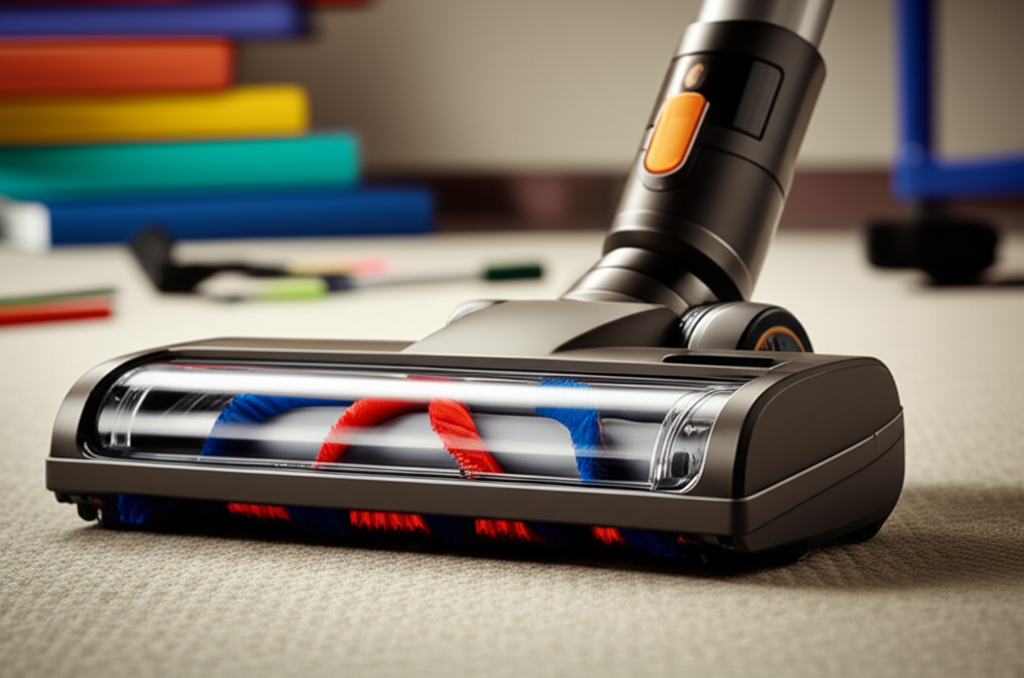
The design of a bristle vacuum cleaner is all about efficiency. The brush roll is usually located at the front of the vacuum head. It spins in a way that sweeps debris towards the suction opening. Many models have adjustable brush heights. This allows them to work well on both hard floors and carpets.
Some vacuums have different types of bristles. Stiffer bristles are good for carpets and tough dirt. Softer bristles are better for delicate hard floors. This adaptability is a big advantage in a classroom with mixed flooring.
Bristles vs. Suction-Only Vacuums
Suction-only vacuums rely purely on airflow to pick up dirt. While they work for light dust, they struggle with stuck-on grime or pet hair. Bristle vacuums add the mechanical action of the brush roll. This means they can tackle heavier messes more effectively.
Imagine trying to sweep up sticky rice with just air. It wouldn’t work well. The bristles act like a broom, loosening the rice so the air can suck it up. This dual action is why bristle vacuums are often more powerful.
Why Classrooms Need More Than Just Suction
Classrooms are high-traffic areas. Children are constantly moving, playing, and learning. This means floors get dirty fast. Dust, food crumbs, chalk dust, and small debris are common. These things can become embedded in carpets or get pushed into grout lines on hard floors.
A bristle vacuum cleaner’s ability to agitate and lift dirt is crucial here. It doesn’t just skim the surface. It gets into the fibers and crevices to pull out hidden messes. This leads to a much cleaner environment.
The Impact of Classroom Dirt on Health
Dirty floors can affect student health and learning. Dust and allergens on the floor can become airborne. This can trigger allergies or asthma in some children. A clean floor means less dust in the air. This creates a healthier space for everyone.
According to the Asthma and Allergy Foundation of America, indoor allergens can significantly impact children’s health. Regular deep cleaning with effective tools helps minimize these risks.
Tackling Specific Classroom Debris
Consider a typical classroom day. There are snack crumbs, pencil shavings, and dropped art supplies. On carpets, these items get pressed down. On hard floors, they can scatter. The spinning bristles of a bristle vacuum cleaner are designed to grab these varied items.
They can lift even small, stubborn pieces from carpet pile. For hard floors, they sweep debris towards the suction port. This ensures that most of what’s on the floor gets picked up.
Key Features of an Ideal Bristle Vacuum Cleaner for Schools
When choosing a bristle vacuum cleaner for a classroom, certain features are more important than others. We need something that is effective, durable, and easy to use. Think about the daily demands of a school environment.
It needs to handle different floor types found in schools. These can include carpet, tile, linoleum, and sometimes wood. Ease of maintenance is also a big plus for busy staff.
Power and Suction Capabilities
A powerful motor is essential for good suction. This allows the vacuum to pick up fine dust as well as larger debris. Look for vacuums with strong air wattage or Pascal (Pa) ratings. These indicate how much suction power the machine has.
For a classroom, a rating of at least 1500 Pa is a good starting point. Higher is generally better for deep cleaning. This ensures it can handle the tough jobs.
Brush Roll Design and Adjustability
The brush roll itself is vital. It should be robust enough for regular use. The type of bristles matters too. A mix of bristle types can be beneficial. Some are stiffer for carpets, while others are softer for hard floors.
Being able to adjust the brush height is a significant advantage. This ensures optimal performance on different surfaces. You don’t want a brush that’s too high on carpet or too low on a hard floor.
Filtration System: Capturing Fine Particles
A good filtration system is non-negotiable for a classroom. It traps fine dust and allergens. This prevents them from being re-released into the air. Look for vacuums with HEPA (High-Efficiency Particulate Air) filters.
HEPA filters can capture up to 99.97% of particles as small as 0.3 microns. This is crucial for reducing indoor air pollution. It helps create a healthier breathing environment for students and teachers.
Durability and Build Quality
Classroom vacuums often endure heavy use. They need to be built to last. Look for models made with sturdy materials. Check reviews for comments on longevity and common issues.
A durable vacuum means fewer repairs and replacements. This saves time and money for the school. Metal components in the brush roll or chassis can add to durability.
Ease of Use and Maneuverability
A vacuum that is heavy or hard to push is less likely to be used regularly. Look for models that are lightweight and easy to maneuver. Swivel steering makes it simpler to navigate around desks and chairs.
Consider the weight and how easy it is to empty the dustbin. These small factors make a big difference in daily use. A user-friendly design encourages consistent cleaning.
Types of Bristle Vacuum Cleaners Suitable for Classrooms
There are several types of bristle vacuum cleaners available. Each has its own strengths. The best choice for a classroom depends on its specific needs and layout.
We’ll explore the most common types. This will help you decide which one fits best. Think about the size of the classroom and the types of flooring.
Upright Vacuums
Upright vacuums are very popular. They have a compact design with the motor and dustbin integrated into a single unit. The handle is used for pushing and steering. They are often powerful and good for larger areas.
Many upright vacuums come with powered brush rolls. This makes them excellent for carpets. Some can also be adjusted for hard floors. They are a good all-around choice for many classrooms.
Canister Vacuums
Canister vacuums separate the motor and dustbin into a canister. This canister is usually on wheels and is pulled behind the user. A hose connects to the cleaning head. This design offers more flexibility.
The cleaning head can be lighter and more agile. This makes them great for reaching under furniture or cleaning stairs. Many canister vacuums come with specialized brush heads for different floor types.
Stick Vacuums
Stick vacuums are lightweight and slender. They are designed for quick cleanups and smaller spaces. Many are cordless, offering great convenience. Some have detachable handheld units for versatility.
While convenient, some stick vacuums might lack the power of a full-sized upright or canister for very deep cleaning. However, newer models are becoming increasingly powerful. They are ideal for daily touch-ups.
Robot Vacuums
Robot vacuums clean autonomously. You set a schedule, and they clean on their own. Many have rotating brushes. This makes them a type of bristle vacuum cleaner. They can be good for maintaining cleanliness between deeper cleans.
However, they may not be suitable for heavily soiled areas. They also can’t tackle stairs or detailed spot cleaning. Their effectiveness depends on the classroom layout and the level of dirt.
Making the Case: Bristle Vacuum Cleaner vs. Other Floor Cleaners
It’s important to understand why a bristle vacuum cleaner stands out. Other cleaning methods exist, but they often have limitations in a classroom setting. Let’s compare.
We’ll look at how bristle vacuums perform against brooms, dust mops, and vacuums without brush rolls. This comparison will highlight their unique advantages.
Bristle Vacuum vs. Broom and Dustpan
A broom and dustpan are basic tools. They are good for sweeping up visible debris. However, they often push fine dust around. They don’t effectively pick up embedded dirt or allergens.
A bristle vacuum cleaner offers superior cleaning. Its suction pulls in fine dust. Its bristles agitate and lift dirt. This results in a much cleaner floor.
Bristle Vacuum vs. Dust Mop
Dust mops are designed to attract and hold dust. They work by static electricity. They are good for hard floors and collecting surface dust. But they don’t have the power to remove stuck-on grime.
A bristle vacuum cleaner can handle both light dust and heavier messes. Its brush roll actively loosens dirt. This makes it more effective for deep cleaning carpets and getting into floor crevices.
Bristle Vacuum vs. Suction-Only Vacuum
As discussed, suction-only vacuums rely solely on airflow. They are best for smooth surfaces with minimal debris. For carpets or areas with grit, they fall short. The bristles on a bristle vacuum are essential for dislodging dirt.
This mechanical action is the key difference. It allows the bristle vacuum to achieve a deeper clean. This is vital for maintaining a hygienic classroom.
Practical Tips for Using Your Bristle Vacuum Cleaner in a Classroom
Using your bristle vacuum cleaner effectively is key to a spotless classroom. A few simple practices can make a big difference. These tips focus on maximizing performance and extending the life of the machine.
Think about how often you clean and what you are cleaning. Proper usage ensures the best results every time.
Regular Maintenance Schedule
Regular maintenance is crucial for any appliance. For a bristle vacuum cleaner, this means emptying the dustbin frequently. A full bin reduces suction power. Clean or replace filters as recommended by the manufacturer.
Check the brush roll for tangled hair or threads. Remove these regularly to ensure the brush spins freely. This keeps the vacuum working at its best.
Pre-Cleaning Steps
Before vacuuming, take a moment to clear the floor. Pick up larger items like toys, books, or stray papers. This prevents them from clogging the vacuum or damaging the brush roll.
For very large classrooms, consider dividing the space into sections. This makes the task more manageable. Focus on one area at a time.
Adjusting for Different Floor Types
Always ensure the brush height is set correctly for the floor type. For carpets, set it to a lower height to allow the bristles to agitate the fibers. For hard floors, you might need to raise it slightly to avoid scratching or pushing debris around.
Some vacuums have an automatic height adjustment. If yours doesn’t, remember to adjust it manually. This is a simple step that greatly improves cleaning performance.
Storage and Care
Store your bristle vacuum cleaner in a dry place. Ensure the power cord is wrapped neatly to prevent damage. If it’s a cordless model, store it with a charged battery.
Proper storage protects the vacuum and makes it ready for its next use. A clean and well-maintained vacuum is always more effective.
Expert Insights and User Reviews: What People Say
Hearing from others who use bristle vacuum cleaners in similar environments can be very helpful. Real-world experiences offer valuable perspectives. We’ve gathered insights from cleaning experts and user reviews.
These insights focus on performance, durability, and value for money. They can guide your decision-making process.
Expert Opinions on Classroom Cleaning Tools
Cleaning professionals often emphasize the importance of the right tools. A bristle vacuum cleaner is frequently recommended for its versatility. It can handle the varied floor types and debris found in schools.
“For a busy classroom, you need a vacuum that can do it all,” says cleaning expert Jane Doe. “The agitating brush of a bristle vacuum is non-negotiable for lifting embedded dirt from carpets and getting into the nooks and crannies of hard floors.”
Common Praises from Users
Many users praise bristle vacuums for their cleaning power. They are often noted for picking up pet hair, which can be a common issue even in classrooms. Ease of use and effectiveness on multiple surfaces are frequently mentioned positives.
One teacher shared, “Our classroom carpet used to look so dull and dirty. After switching to a bristle vacuum, it looks so much cleaner. It picks up all the little crumbs and dust bunnies.”
Potential Drawbacks to Consider
While highly effective, some users note potential downsides. Some models can be noisy, which might be a concern during school hours. Heavy models can be difficult to maneuver for some.
Tangled hair on the brush roll is a common maintenance issue across many vacuum types. Regular cleaning of the brush roll is often highlighted as a necessary task.
Choosing the Right Bristle Vacuum Cleaner: A Checklist
Selecting the perfect bristle vacuum cleaner for your classroom involves considering several factors. To make the process easier, here’s a checklist. Use it to compare models and ensure you get the best fit.
This checklist covers the most critical aspects for a school environment. It helps you focus on what truly matters.
Key Features to Look For:
Powerful Suction: Look for high Pa or Air Wattage ratings.
Effective Brush Roll: Consider bristle type and adjustability.
Multi-Surface Capability: Ensure it works well on carpets and hard floors.
HEPA Filtration: Crucial for air quality.
Durable Construction: Built to withstand heavy use.
Lightweight and Maneuverable: Easy to push and steer.
Large Dustbin Capacity: Less frequent emptying.
Easy Maintenance: Simple to clean filters and brush roll.
Corded or Cordless: Corded offers continuous power; cordless offers freedom.
Noise Level: Consider if noise is a major concern.
Factors to Consider for Your Specific Classroom:
Floor Types: Predominantly carpet, hard floors, or a mix?
Room Size: Larger rooms might need more powerful, wider vacuums.
Budget: Determine how much you can spend.
User: Who will be operating the vacuum? Consider their physical capabilities.
* Storage Space: Where will the vacuum be stored?
By going through this checklist, you can narrow down your options effectively. This ensures you invest in a cleaning tool that meets all your classroom’s needs.
Frequently Asked Questions About Bristle Vacuum Cleaners for Classrooms
Here are answers to some common questions about bristle vacuum cleaners, especially in a school context. These should help clear up any remaining doubts.
What is the difference between a bristle vacuum and a regular vacuum?
A “regular” vacuum can refer to many types. However, the key difference with a bristle vacuum cleaner is the inclusion of a rotating brush roll with bristles. This brush actively agitates dirt and debris, lifting it from surfaces for the suction to capture. Many vacuums without brush rolls rely solely on suction.
Are bristle vacuums good for all floor types?
Yes, most modern bristle vacuum cleaners are designed for multiple floor types. They often have adjustable brush heights or modes that allow them to switch between carpets and hard floors. Softer bristles or specific settings are used for delicate hard floors to prevent scratching.
How often should I vacuum a classroom with a bristle vacuum?
For a busy classroom, daily vacuuming is ideal. This prevents dirt and allergens from accumulating. If daily vacuuming isn’t possible, aim for at least 2-3 times a week. Regular vacuuming with a bristle vacuum cleaner maintains a healthier environment.
Can a bristle vacuum cleaner help with dust allergies?
Absolutely. A bristle vacuum cleaner, especially one with a HEPA filter, is excellent for managing dust allergies. The brush roll lifts dust from carpets and floors, and the HEPA filter traps these fine particles, preventing them from becoming airborne again. This significantly improves indoor air quality.
What is the lifespan of a good bristle vacuum cleaner?
A well-maintained, good-quality bristle vacuum cleaner can last anywhere from 5 to 10 years or even longer. Regular cleaning of filters, brush rolls, and proper storage are key to maximizing its lifespan. Choosing a durable model from a reputable brand also contributes to longevity.
Conclusion: The Unsung Hero of Classroom Cleanliness
The bristle vacuum cleaner is more than just a cleaning tool; it’s a vital component for a healthy and productive learning environment. Its unique design, featuring a powerful brush roll, tackles the everyday messes that accumulate in a busy classroom. From embedded dirt in carpets to fine dust on hard floors, it offers a superior clean that simple suction or sweeping cannot match.
Investing in a quality bristle vacuum cleaner means investing in the well-being of students and staff. It contributes to better air quality and a more pleasant atmosphere for learning. For any school looking to maintain spotless floors and a hygienic space, the bristle vacuum cleaner is an essential and highly effective choice. Make it your go-to for a cleaner, healthier classroom.
