Average Lifespan Of A Vacuum Cleaner: Essential Guide

The average lifespan of a vacuum cleaner is typically 7 to 10 years, but this can vary significantly. Proper maintenance, type of vacuum, and usage patterns all play a key role. This guide helps you understand what to expect and how to make your vacuum last longer.
Is your vacuum cleaner feeling tired? Do you wonder how long these helpful machines are supposed to last? It’s a common question, and the answer isn’t always simple. Many people get frustrated when their vacuum quits before they expect it to. Understanding the average lifespan of a vacuum cleaner can save you money and worry. We’ll break down what affects how long your vacuum will work and how you can get the most out of it.
How Long Do Vacuum Cleaners Usually Last?
The typical vacuum cleaner can last between 7 to 10 years. This is a good general range to keep in mind. However, this number can change a lot based on a few important things. Think of it like a car; some last longer than others.
Your vacuum cleaner’s lifespan depends on its build quality and how often you use it. High-end models often use better parts and may last longer. Regular, hard use can also wear out a vacuum faster than occasional cleaning.
Factors Affecting Vacuum Cleaner Lifespan
Several key factors influence how long your vacuum cleaner will keep cleaning effectively. Understanding these helps you manage expectations and care for your machine. It’s not just about the vacuum itself, but also how you treat it.
Usage Frequency and Intensity
How often and how hard you use your vacuum cleaner is a big factor. A vacuum used daily in a busy family home will likely wear out faster. This is true especially if it’s constantly picking up tough debris like pet hair or construction dust.
A vacuum used only once a week for light dusting will probably last much longer. Overworking the motor or constantly straining it with heavy loads puts more stress on its parts. This can lead to premature wear and tear.
Type of Vacuum Cleaner
Different types of vacuum cleaners have different typical lifespans. Bagged vacuums might last longer because dust is sealed away. Bagless models can sometimes clog more easily, stressing the motor.
Upright vacuums and canister vacuums are generally built for durability. Stick vacuums and robot vacuums, being lighter and often less powerful, may have shorter lifespans. Their smaller motors and components might not be designed for heavy-duty use over many years.
Build Quality and Brand Reputation
The brand and the quality of materials used matter a lot. Well-known brands that focus on durability often use stronger motors and better plastics. These vacuums are usually designed to last longer.
Cheaper vacuums might use less robust components. While they might be affordable initially, they may break down sooner. Always check reviews and brand reputations when choosing a vacuum.
Maintenance Habits
How well you maintain your vacuum cleaner is perhaps the most critical factor. Regular cleaning and upkeep are essential. This helps prevent common problems that shorten a vacuum’s life.
Neglecting maintenance is like not changing the oil in your car. Small issues can turn into big problems, leading to a shorter lifespan for your vacuum. This guide will cover the best maintenance tips.
Signs Your Vacuum Cleaner is Aging
Your vacuum cleaner will often give you clues when it’s getting old or starting to fail. Paying attention to these signs can help you fix problems early. It might even tell you when it’s time for a replacement.
Reduced Suction Power
One of the first signs is a noticeable drop in suction power. If your vacuum isn’t picking up dirt like it used to, something is wrong. This could be a clogged filter, a blocked hose, or a weakening motor.
A persistent loss of suction, even after cleaning filters and checking for blockages, often points to an aging motor. This is a sign that the vacuum is reaching the end of its useful life.
Unusual Noises
If your vacuum starts making strange noises, like grinding, whining, or rattling, it’s a warning. These sounds often indicate worn-out parts. A motor that’s struggling or bearings that are going bad can cause these noises.
Listen carefully to your vacuum’s sounds. A sudden change from its normal hum to a loud, unpleasant noise is a sign of trouble. It could mean a belt is slipping or the motor is overheating.
Overheating and Smells
If your vacuum cleaner gets unusually hot during use, or if it starts to smell like burning plastic or dust, be concerned. This often means the motor is working too hard. It could be due to clogged filters or internal blockages.
Frequent overheating can damage the motor permanently. It’s a sign that the vacuum is struggling to perform its job. This is a clear indicator that its lifespan is likely nearing its end.
Physical Damage or Wear
Obvious physical damage, like cracked plastic, broken hoses, or worn-out wheels, can also affect function. These issues might not seem serious at first. However, they can lead to bigger problems.
A cracked housing might let dust escape, making your cleaning less effective. A damaged cord is a safety hazard. These signs suggest the vacuum is no longer in optimal condition.
How to Extend the Lifespan of Your Vacuum Cleaner
You can do several things to help your vacuum cleaner last as long as possible. Simple, consistent care makes a big difference. It’s about being proactive rather than reactive.
Regular Filter Cleaning and Replacement
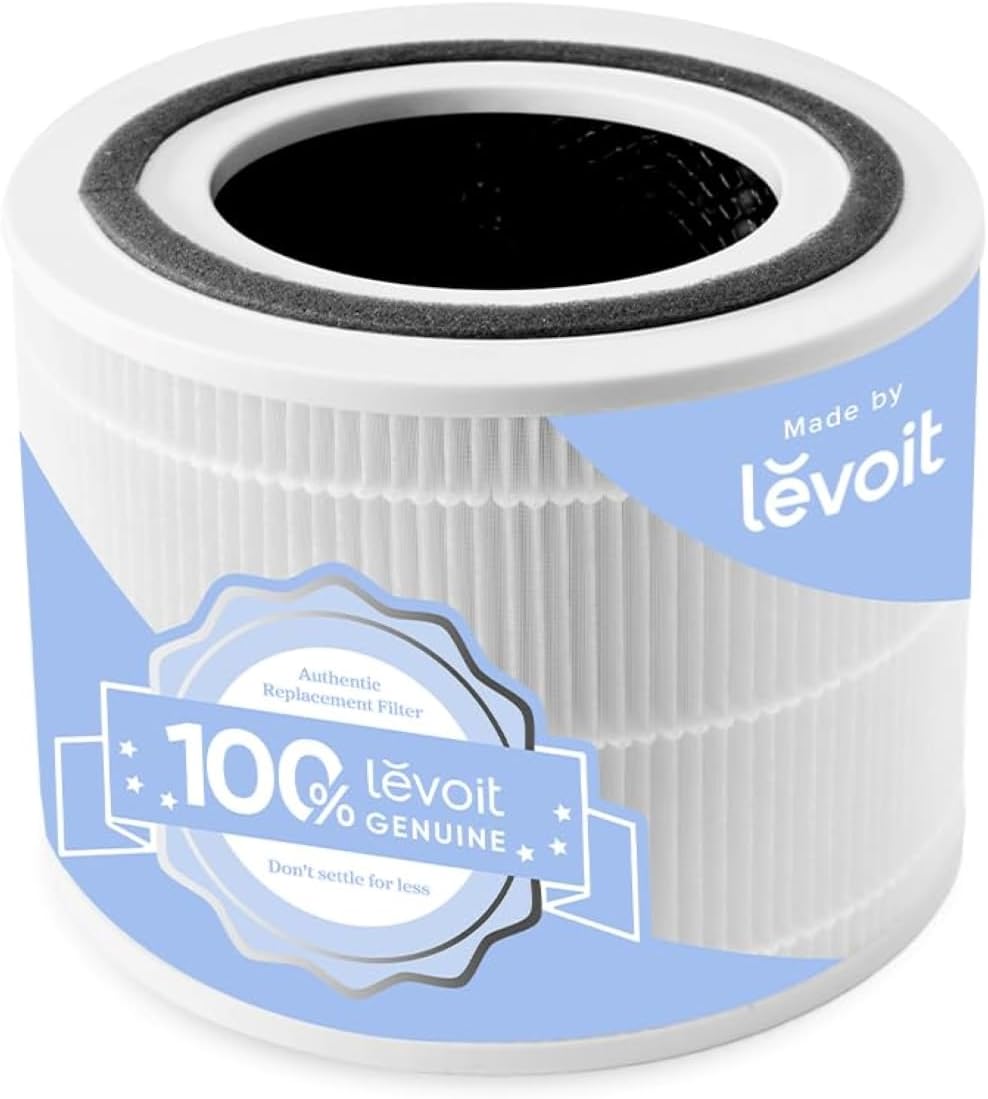
Filters are the lungs of your vacuum cleaner. Clogged filters restrict airflow. This makes the motor work harder and can lead to overheating.
Check your vacuum’s manual for filter cleaning instructions. Most washable filters should be rinsed and dried completely before being put back. Replace filters as recommended by the manufacturer, usually every 6-12 months.
Emptying the Dustbin or Bag Promptly
Don’t wait until the dustbin or bag is completely full. Empty it when it’s about two-thirds full. A full bin or bag restricts airflow significantly.
This simple step ensures your vacuum maintains good suction. It also prevents dust from being pushed back into the motor. It’s an easy habit to adopt for better performance.
Clearing Blockages in the Hose and Brush Roll
Periodically check the hose, wand, and brush roll for blockages. Hair, strings, and larger debris can get stuck. These blockages reduce suction and can strain the motor.
Use a long, thin object like a broom handle to gently push out blockages. Carefully remove tangled hair from the brush roll with scissors. This keeps the air flowing freely.
Proper Storage
Store your vacuum cleaner in a dry place. Avoid extreme temperatures. Ensure the cord is wrapped neatly to prevent damage.
Don’t leave the vacuum lying on its side or in a position where it could be easily damaged. Proper storage protects its physical components and keeps it ready for use.
Vacuum Cleaner Maintenance Schedule
Having a schedule helps ensure you don’t forget important maintenance tasks. It makes caring for your vacuum easy and consistent. You can adapt this based on how often you use your vacuum.
Here is a sample maintenance schedule:
| Task | Frequency (Light Use) | Frequency (Heavy Use) |
| :—————————– | :——————– | :——————– |
| Empty Dustbin/Bag | Weekly | After each use |
| Check Hose for Blockages | Monthly | Bi-weekly |
| Clean/Replace Filters | Every 6-12 months | Every 3-6 months |
| Clean Brush Roll | Monthly | Bi-weekly |
| Inspect Cord and Plug | Monthly | Monthly |
| Deep Clean Motor Vents | Every 6 months | Every 3 months |
This schedule is a guideline. Always refer to your vacuum cleaner’s manual for specific recommendations. Following these steps consistently will help prolong its life.
Comparing Vacuum Cleaner Lifespans by Type
Different vacuum types have different expected lifespans due to their design and typical use. Knowing this can help you choose a vacuum that fits your needs and expectations.
Upright Vacuums: Generally built for durability, often lasting 8-12 years with good care.
Canister Vacuums: Similar to uprights, often durable and can last 8-12 years.
Stick Vacuums: Lighter and often less powerful, typically lasting 5-8 years. Battery life can be a limiting factor.
Robot Vacuums: With complex electronics and smaller motors, they usually last 4-7 years. Battery degradation is common.
Handheld Vacuums: Used for spot cleaning, their lifespan can be 3-6 years, often limited by battery.
It’s important to remember that these are estimates. A well-maintained stick vacuum could outlast a neglected upright. The quality of the specific model also plays a large role.
When is it Time to Replace Your Vacuum Cleaner?
Deciding when to replace your vacuum cleaner can be tough. Sometimes, repairs cost more than a new machine. Other times, the performance decline is too significant.
If your vacuum constantly breaks down, requiring frequent repairs, it’s probably time for a new one. When repairs become costly, consider the investment in a new, reliable model. This is especially true if the original vacuum is many years old.
Also, consider if your cleaning needs have changed. You might need a different type of vacuum now. Perhaps a lightweight stick vacuum or a powerful cordless model would serve you better.
Top Brands and Their Expected Lifespans
Some brands are known for building vacuums that last. While no brand guarantees a specific lifespan, reputation and customer reviews offer clues. Many users report long-term satisfaction with these brands.
Miele: Often cited for exceptional durability and longevity, with many users reporting their vacuums lasting over 15 years. They use high-quality components and robust build.
Dyson: Known for innovation, Dyson vacuums are generally well-built. Their lifespan typically falls within the 7-10 year range, with battery life being a common factor in replacement.
Shark: A popular brand offering good value. Shark vacuums typically last 5-8 years, with good performance for their price point.
* Bissell: Often focused on affordability and specific cleaning tasks. Their general-purpose vacuums can last 5-7 years with proper care.
These are general expectations. A high-end model from Bissell might outlast a basic model from a premium brand if not maintained. Always check specific model reviews for more detailed insights.
Cost vs. Lifespan: Making a Smart Investment
The average lifespan of a vacuum cleaner is a key factor when considering its cost. A more expensive vacuum might seem like a bigger initial investment. However, if it lasts significantly longer and performs better, it can be more cost-effective over time.
Calculate the cost per year. A $500 vacuum that lasts 10 years costs $50 per year. A $200 vacuum that lasts 4 years costs $50 per year. The longer-lasting, more expensive vacuum might be the better financial choice.
Consider the total cost of ownership, including filters, bags, and potential repairs. Investing in a durable vacuum with a longer lifespan can save you money and hassle in the long run. This makes it a smarter purchase for your home.
Conclusion
The average lifespan of a vacuum cleaner is a range, typically between 7 and 10 years, but it’s highly variable. By understanding the factors that influence it—usage, type, quality, and especially maintenance—you can significantly extend your vacuum’s life. Regular cleaning of filters, emptying bins, and clearing blockages are simple steps that pay off. Choosing a reputable brand and investing in a well-built model also contributes to longevity. Treat your vacuum well, and it will serve your home for many years to come.
Frequently Asked Questions
How often should I replace my vacuum cleaner’s filters?
You should replace your vacuum cleaner’s filters every 6 to 12 months, depending on usage. Heavy use, especially with pets, may require more frequent replacement, like every 3 to 6 months. Always check your vacuum’s manual for specific recommendations.
Can I use my vacuum cleaner if the filter is dirty?
While you can still use your vacuum cleaner with a dirty filter, it’s not recommended. Dirty filters restrict airflow, reduce suction power, and can cause the motor to overheat. This can shorten the vacuum’s lifespan and reduce cleaning efficiency.
What is the most common reason vacuum cleaners stop working?
The most common reason vacuum cleaners stop working is motor failure. This is often caused by overheating due to clogged filters, blocked airways, or general wear and tear from prolonged use. Neglecting maintenance significantly contributes to this issue.
Are expensive vacuum cleaners worth the money?
Expensive vacuum cleaners can be worth the money if they offer superior durability, performance, and features that justify the cost. They often use higher-quality materials and more robust motors, leading to a longer lifespan and better cleaning results. Consider the cost per year to assess long-term value.
How can I improve the suction power of my old vacuum cleaner?
To improve suction power, first ensure the dustbin or bag is empty. Clean or replace the filters, and check the hose, wand, and brush roll for any blockages or tangled debris. If these steps don’t help, the motor might be weakening, indicating the vacuum is aging.