Box Fan Air Filter Vs Air Purifier: Essential Guide

Discover the crucial differences between a box fan air filter and a dedicated air purifier to make the best choice for your home’s air quality. This guide breaks down cost, effectiveness, and features, ensuring you breathe easier.
Are you concerned about the air quality in your home, especially with allergens, dust, or pet dander floating around? You’ve likely seen DIY box fan air filters and wondered if they stack up against commercial air purifiers. It’s a common dilemma: do you go for the budget-friendly, hands-on approach, or invest in a specialized appliance? This guide will demystify the box fan air filter vs air purifier debate, helping you understand which solution best fits your needs and budget. We’ll explore their mechanics, effectiveness, and overall value, so you can make an informed decision for a healthier living space.
Box Fan Air Filter vs Air Purifier: What’s the Real Difference?
The core difference between a box fan air filter and a dedicated air purifier lies in their design, purpose, and effectiveness. A box fan air filter is a DIY solution where you attach furnace filters to a standard box fan, creating a makeshift air cleaner. In contrast, an air purifier is a purpose-built appliance with specialized components designed specifically for filtering air pollutants. Understanding these fundamental distinctions is key to choosing the right option for your home.
How Does a DIY Box Fan Air Filter Work?
A box fan air filter operates by using the fan’s motor to draw air through attached furnace filters. You typically secure these filters to the back or sides of a box fan, creating a larger surface area for air intake. As air passes through the filter material, particles like dust, pollen, and pet dander are trapped. This simple mechanical process offers a basic level of air filtration at a very low cost.
The Science Behind Air Purifiers
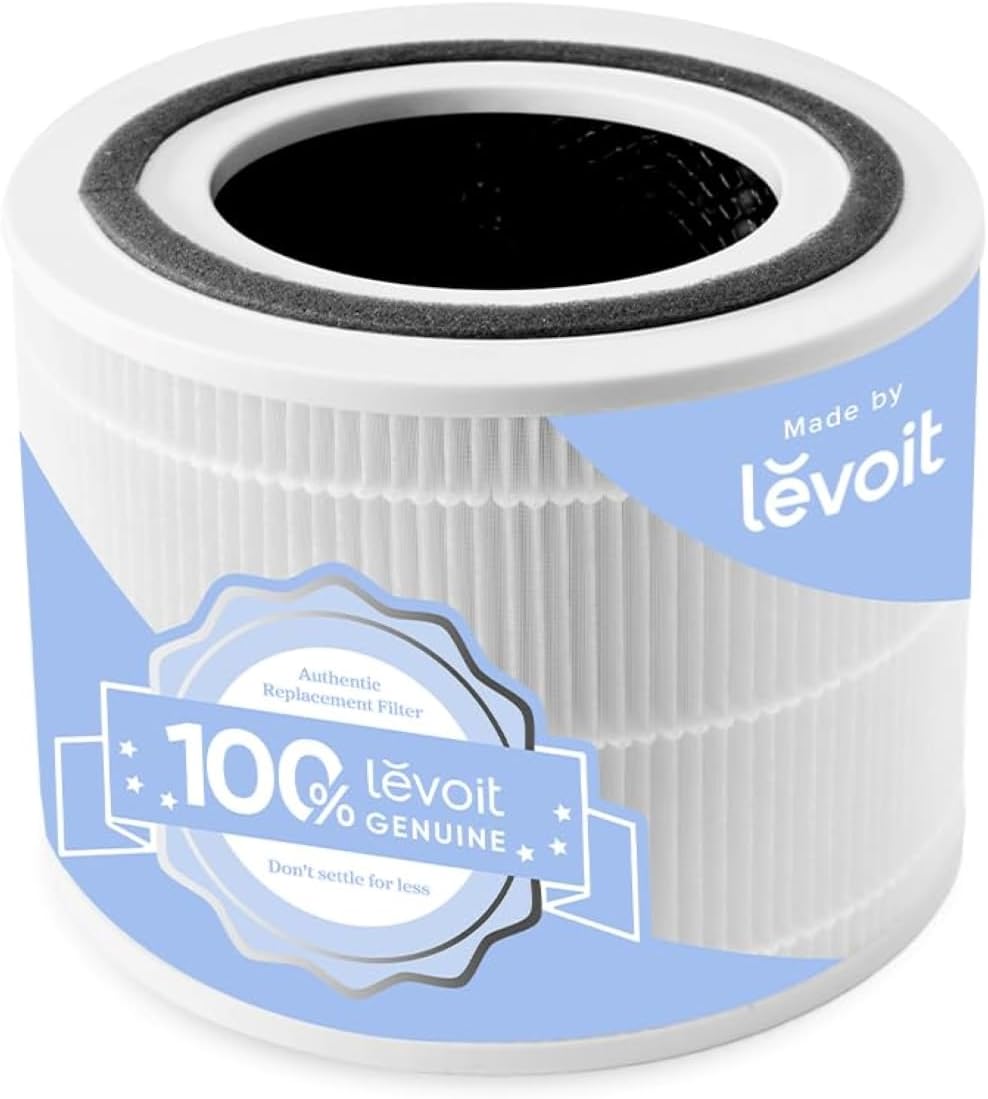
Air purifiers are engineered with advanced filtration systems, often employing multiple stages to capture a wide range of airborne contaminants. They typically include pre-filters, HEPA (High-Efficiency Particulate Air) filters, and activated carbon filters. HEPA filters are certified to capture at least 99.97% of particles 0.3 microns in size, while activated carbon excels at removing odors and VOCs (Volatile Organic Compounds). This multi-layered approach provides a more comprehensive and effective air cleaning solution.
Effectiveness: Box Fan Filter vs. Air Purifier
When comparing a box fan air filter vs air purifier, effectiveness is a major consideration. While a DIY box fan filter can capture larger particles like dust and hair, it often struggles with smaller pollutants such as smoke, mold spores, and VOCs. Dedicated air purifiers, particularly those with true HEPA filters, are significantly more effective at removing a broader spectrum of microscopic particles. For instance, a study by the University of Minnesota’s School of Public Health found that DIY box fan filters can reduce indoor air pollutants, but commercial units with HEPA filters offer superior performance for finer particles.
Cost Comparison: Initial and Ongoing Expenses
The initial cost of a box fan air filter is remarkably low, often under $50 for the fan and filters. However, ongoing costs include regularly replacing the furnace filters, which can add up over time. Air purifiers have a higher upfront cost, ranging from $100 to $500 or more, depending on features and brand. Their replacement filters can also be expensive, but they are often designed to last longer than basic furnace filters.
Key Features and Technologies
Air purifiers come equipped with various technologies that box fan filters lack. These include:
HEPA Filters: Essential for capturing 99.97% of particles 0.3 microns in size.
Activated Carbon Filters: Effectively neutralize odors and harmful gases.
UV-C Light: Some units use ultraviolet light to kill bacteria and viruses.
Smart Features: Wi-Fi connectivity, app control, air quality sensors, and automatic fan speed adjustments.
CADR Ratings: Clean Air Delivery Rate indicates how quickly a purifier can clean a room of smoke, dust, and pollen.
Portability and Design Considerations
Box fan filters are bulky and not aesthetically pleasing. Their design is purely functional, and they can be awkward to move or place in a room. Air purifiers, on the other hand, are designed with aesthetics in mind and come in various sizes and styles to blend into home decor. Many are also relatively portable, allowing you to move them from room to room as needed.
Maintenance: What’s Involved?
Maintaining a box fan air filter involves simply replacing the furnace filters when they become visibly dirty, typically every 1-3 months. This is a straightforward process. Air purifiers require similar filter replacement, but the frequency can vary greatly depending on the model and the level of air pollution. Some purifiers also have washable pre-filters that extend the life of the main filters.
When to Choose Which: Making Your Decision
Your choice between a box fan air filter and an air purifier depends on your specific needs and priorities.
Choose a Box Fan Air Filter if:
You are on a very tight budget.
You primarily need to capture larger particles like dust and pet hair.
You are comfortable with a DIY solution and a less aesthetically pleasing setup.
You only need basic air filtration for a small area.
Choose an Air Purifier if:
You need to remove a wide range of pollutants, including allergens, smoke, VOCs, and odors.
You suffer from allergies, asthma, or other respiratory conditions.
You want a more effective and efficient solution.
You value features like smart controls, quiet operation, and a sleek design.
You are looking for certified performance ratings like CADR.
Expert Insights on Air Filtration
“For individuals with significant allergies or respiratory sensitivities, investing in a certified HEPA air purifier is often the most effective solution,” says Dr. Emily Carter, an environmental health specialist. “While DIY filters can offer some benefit, they don’t match the particulate capture efficiency of a true HEPA system.” This highlights the importance of understanding filtration standards when making your decision.
Can a Box Fan Air Filter Truly Replace an Air Purifier?
While a box fan air filter can offer a rudimentary level of air cleaning, it cannot truly replace the comprehensive filtration capabilities of a dedicated air purifier. Air purifiers are specifically engineered for optimal air cleaning, utilizing advanced technologies and certified filters to capture a much wider range of harmful pollutants effectively. For serious air quality concerns, an air purifier is the more reliable and efficient choice.
Frequently Asked Questions About Box Fan Filters vs. Air Purifiers
What is the simplest way to improve my indoor air quality?
The simplest methods include regular vacuuming with a HEPA filter vacuum, dusting with microfiber cloths, and opening windows for ventilation when outdoor air quality is good. For more active filtering, a DIY box fan filter is a simple, low-cost option for larger particles.
Are DIY box fan filters safe?
Yes, DIY box fan filters are generally safe to use, provided you follow basic safety precautions with the fan itself. Ensure the fan is in good working order and not placed near flammable materials.
How often should I change the filters on a box fan air filter?
You should change the furnace filters on a box fan air filter every 1 to 3 months, or sooner if they appear visibly dirty or clogged. This ensures optimal airflow and filtration.
What does a HEPA filter do?
A HEPA filter is designed to remove at least 99.97% of airborne particles 0.3 micrometers in diameter. This includes dust, pollen, mold spores, pet dander, and some bacteria.
Can a box fan filter remove odors?
A standard furnace filter on a box fan will not effectively remove odors. For odor removal, you need an air purifier with an activated carbon filter.
Which is better for allergies: a box fan filter or an air purifier?
A dedicated air purifier with a true HEPA filter is generally much better for allergies as it captures a higher percentage of microscopic allergens like pollen, dust mites, and pet dander.
Conclusion: Your Path to Cleaner Air
Deciding between a box fan air filter vs air purifier boils down to your specific needs, budget, and desired level of air quality improvement. For a budget-conscious approach to capturing larger particles, a DIY box fan filter can be a viable starting point. However, for comprehensive air purification, especially if you suffer from allergies or respiratory issues, a dedicated air purifier with a HEPA filter is the superior choice. Both have their place, but understanding their distinct capabilities ensures you make the best investment for your health and comfort.