
Best Air Purifier For Smoke UK: Essential Guide

Find the best air purifier for smoke in the UK to effectively tackle lingering odours and harmful particles, ensuring cleaner air in your home. This guide offers expert advice on choosing the right unit for your needs, covering key features, top models, and essential buying considerations.
Breathing in smoke, whether from cooking, fireplaces, or external sources like wildfires or neighbours’ bonfires, can significantly impact your home’s air quality and your well-being. The invisible particles and strong odours can linger, causing discomfort and potential health issues. Don’t worry; I’m here to help you navigate the world of air purifiers and find the perfect solution for your UK home. This comprehensive guide will equip you with the knowledge to make an informed decision and breathe easier.
Why You Need the Best Air Purifier for Smoke in the UK
Smoke particles are incredibly fine and can easily penetrate deep into your lungs, leading to respiratory irritation and exacerbating existing conditions like asthma. Beyond health concerns, smoke odours are notoriously stubborn, permeating furniture, fabrics, and even walls, creating an unpleasant living environment. An effective air purifier acts as a crucial defence, capturing these harmful particulates and neutralising those persistent smells, restoring freshness to your home.
Understanding How Air Purifiers Tackle Smoke
Air purifiers use a multi-stage filtration process designed to capture various pollutants, including those found in smoke. Typically, they begin with a pre-filter to catch larger particles like pet hair and dust, followed by an activated carbon filter that excels at absorbing odours and gases. The most critical component for smoke is often a High-Efficiency Particulate Air (HEPA) filter, which can trap at least 99.97% of airborne particles as small as 0.3 microns, including smoke, dust, pollen, and pet dander.
Key Features to Look For in a Smoke-Focused Air Purifier
When selecting the best air purifier for smoke UK, several features are paramount. Look for a robust HEPA filter (H13 or higher is ideal) for superior particle capture and a substantial activated carbon filter for odour elimination. Consider the Clean Air Delivery Rate (CADR) – a higher CADR indicates faster purification. Noise levels are also important, especially for bedrooms or living areas; aim for units with a low decibel rating on lower settings. Additional features like smart controls, air quality sensors, and timer functions can enhance user experience.
HEPA Filters: The Gold Standard for Smoke Particle Removal
High-Efficiency Particulate Air (HEPA) filters are the cornerstone of effective smoke removal in air purifiers. These filters are designed to capture an astonishingly high percentage of microscopic airborne particles. For smoke, this means trapping the tiny soot and ash particles that cause both respiratory issues and visible haze. Ensuring your chosen purifier has a genuine HEPA filter, ideally H13 or even H14 grade, is crucial for achieving cleaner air.
Activated Carbon Filters: Your Secret Weapon Against Smoke Odours
While HEPA filters tackle the physical particles of smoke, activated carbon filters are indispensable for combating the pervasive odours. Activated carbon is a porous material that, through a process called adsorption, traps gas molecules responsible for smells. A substantial amount of activated carbon is necessary for effective odour neutralisation; look for purifiers with a thick, high-quality carbon filter for the best results against smoke.
Choosing the Right Size: CADR and Room Coverage
The Clean Air Delivery Rate (CADR) is a vital metric that measures how quickly an air purifier can clean the air in a specific room size. It’s measured for three pollutants: dust, pollen, and smoke. For smoke, the smoke CADR is the most relevant. Always match the purifier’s recommended room coverage to the size of the space you intend to use it in. Using a purifier that’s too small for the room will significantly reduce its effectiveness.
Top Air Purifier Brands and Models for Smoke in the UK
Several reputable brands offer excellent air purifiers designed to combat smoke effectively in the UK market. Brands like Coway, Blueair, Levoit, and Philips consistently receive high ratings for their performance and features. When evaluating models, pay close attention to their specific smoke CADR ratings and the quality of their HEPA and activated carbon filters. Reading independent reviews and comparing specifications will help you narrow down the best options.
Coway Air Purifier Airmega Series
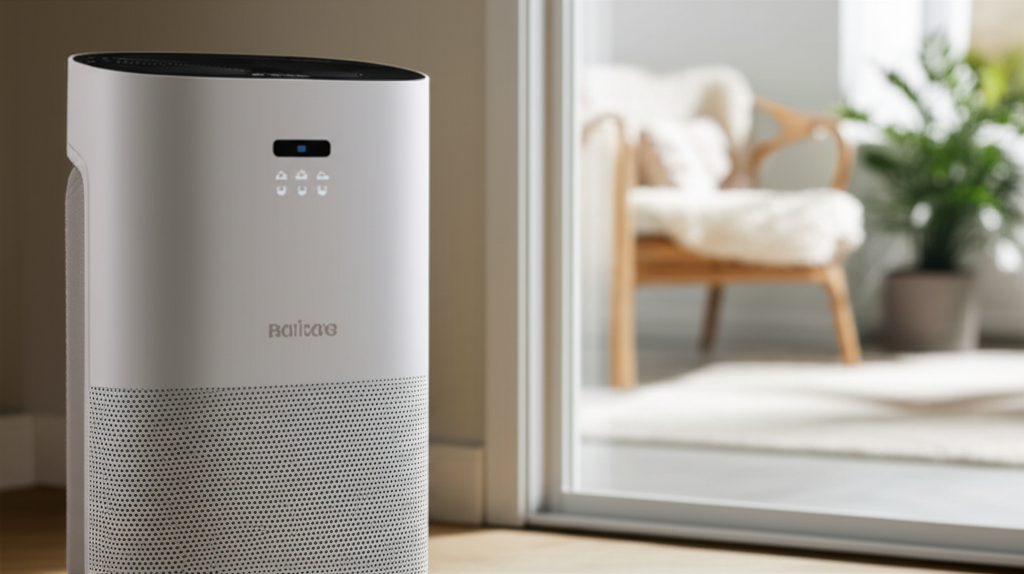
The Coway Airmega series is renowned for its robust performance and advanced filtration systems, making it a strong contender for the best air purifier for smoke UK. These units often feature multi-stage filtration, including HEPA and activated carbon, and boast impressive CADR ratings suitable for larger rooms. Their smart features, like air quality sensors and auto modes, add convenience and efficiency.
Blueair Classic and HealthProtect Series
Blueair purifiers are celebrated for their sleek design and highly effective filtration technology, known as HEPASilent™. This technology combines electrostatic charging and mechanical filtration to capture particles efficiently. Their models, particularly in the Classic and HealthProtect series, are well-suited for tackling smoke, offering excellent air cleaning capabilities and quiet operation.
Levoit Core Series
Levoit offers a range of popular and affordable air purifiers that punch above their weight in performance. The Core series, for instance, often includes True HEPA filters and activated carbon layers, making them effective against smoke particles and odours. They are a great option for those seeking a balance of performance and value for smaller to medium-sized rooms.
Philips Air Purifier Series
Philips provides a comprehensive range of air purifiers with advanced features, including sophisticated multi-layer filtration systems. Many Philips models are equipped with True HEPA and activated carbon filters, along with sensors that monitor air quality and adjust purification levels automatically. They are a reliable choice for serious air quality improvement, including smoke mitigation.
Understanding Air Purifier Certifications and Standards
When purchasing an air purifier, look for certifications that validate its performance claims. In the UK and Europe, the European Centre for Allergy Research Foundation (ECARF) seal indicates a product’s suitability for allergy sufferers. For energy efficiency, look for ENERGY STAR ratings. While specific “smoke removal” certifications are less common, focusing on HEPA standards (e.g., H13) and CADR ratings from reputable bodies like AHAM (Association of Home Appliance Manufacturers) provides strong assurance.
Setting Up and Maintaining Your Air Purifier for Optimal Performance
Proper setup and regular maintenance are key to ensuring your air purifier continues to perform at its best. Place the unit in a central location within the room, ensuring adequate airflow around it. Avoid placing it directly against walls or furniture. Regularly clean or replace the pre-filter (often washable) and, crucially, replace the HEPA and activated carbon filters according to the manufacturer’s recommendations. Neglecting filter replacement will severely diminish the purifier’s ability to remove smoke and odours.
Beyond Smoke: Additional Benefits of Air Purifiers
While your primary concern may be smoke, investing in the best air purifier for smoke UK offers a cascade of other benefits for your home’s environment. These devices are highly effective at removing common allergens like pollen, dust mites, and pet dander, which can significantly improve symptoms for allergy and asthma sufferers. They also capture airborne bacteria and viruses, contributing to a healthier living space and reducing the spread of illness.
How to Choose the Best Air Purifier for Smoke UK: A Step-by-Step Approach
1. Assess Your Needs: Determine the primary source of smoke (e.g., cooking, external pollution) and the size of the room you need to purify.
2. Prioritise Filtration: Look for a True HEPA filter (H13 or higher) and a substantial activated carbon filter specifically designed for odour and gas removal.
3. Check the CADR: Ensure the smoke CADR is adequate for your room size. A general rule is to choose a purifier rated for a room slightly larger than yours for faster purification.
4. Consider Noise Levels: If the purifier will be in a bedroom or living area, check the decibel (dB) rating, especially on lower settings.
5. Evaluate Additional Features: Decide if smart controls, air quality sensors, timers, or specific modes are important to you.
6. Read Reviews: Consult independent reviews and user feedback to gauge real-world performance and reliability.
7. Budget Wisely: While price is a factor, remember that filter replacement costs should also be factored into your long-term budget.
Frequently Asked Questions About Air Purifiers for Smoke
What is the most important filter for smoke?
The most important filters for smoke are the True HEPA filter, which captures fine smoke particles, and the activated carbon filter, which absorbs smoke odours and gases.
How often should I replace the filters?
Filter replacement frequency varies by model and usage, but HEPA filters typically need replacing every 6-12 months, and activated carbon filters every 3-6 months. Always check your manufacturer’s guidelines.
Can an air purifier completely eliminate smoke smell?
A good air purifier with a robust activated carbon filter can significantly reduce and often eliminate smoke smell. However, deeply ingrained odours in soft furnishings might require additional cleaning methods.
Are air purifiers noisy?
Noise levels vary. Many purifiers have multiple fan speeds, with lower settings being very quiet (around 20-30 dB), suitable for bedrooms. Higher settings will be louder but purify air faster.
Do air purifiers use a lot of electricity?
Modern air purifiers are generally energy-efficient, especially on lower settings. Look for ENERGY STAR certified models for optimal energy savings.
Can an air purifier help with wildfire smoke?
Yes, high-quality air purifiers with True HEPA filters are very effective at capturing the fine particulate matter from wildfire smoke, making them essential during such events.
Conclusion: Breathe Freely with the Right Air Purifier
Investing in the best air purifier for smoke UK is a proactive step towards creating a healthier and more pleasant living environment. By understanding the critical role of HEPA and activated carbon filters, considering CADR ratings, and choosing reputable brands, you can effectively combat smoke particles and lingering odours. I encourage you to use the insights from this guide to select a unit that perfectly suits your home and your needs, ensuring you and your loved ones can enjoy cleaner, fresher air every day.
