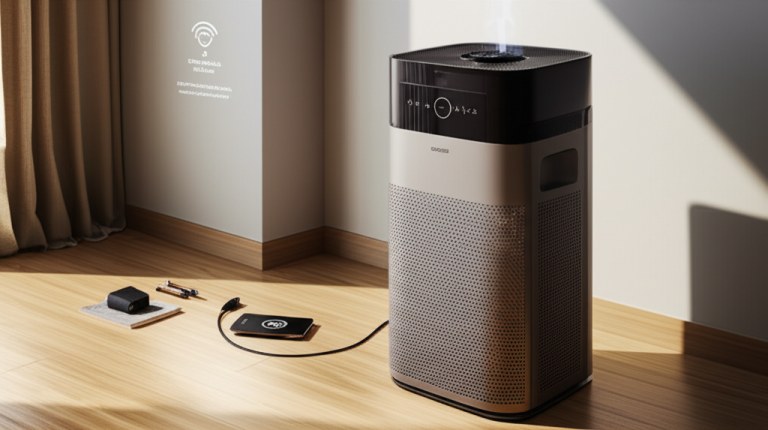
Best Air Purifiers For Allergies And Asthma: Proven Relief

Breathe easier with the best air purifiers for allergies and asthma. Discover scientifically proven relief from airborne irritants, creating a healthier home environment and improving your quality of life. Find the perfect solution for your needs.
Best Air Purifiers For Allergies And Asthma: Proven Relief
Living with allergies or asthma can feel like a constant battle against invisible triggers in your own home. From dust mites and pet dander to pollen and mold spores, these airborne irritants can significantly impact your health and well-being. The good news is that finding the best air purifiers for allergies and asthma can offer a significant and tangible improvement. This guide will walk you through everything you need to know to make an informed choice and reclaim your comfort.
Why Air Purifiers Are Essential for Allergy and Asthma Sufferers
Air purifiers are designed to capture microscopic particles that circulate in your indoor air, which are often the culprits behind allergy and asthma flare-ups. By actively filtering these pollutants, they create a cleaner, healthier breathing environment. Investing in a quality air purifier is investing in your respiratory health and overall comfort.
Understanding the Enemy: Common Indoor Allergens and Asthma Triggers
Before diving into specific purifiers, it’s crucial to understand what you’re trying to combat. Common indoor allergens include dust mites, pet dander, pollen that enters from outdoors, mold spores, and even volatile organic compounds (VOCs) from household products. For asthma sufferers, these same irritants can trigger inflammation and airway constriction.
The Science Behind Air Purification: How They Work
Air purifiers work by drawing in air, passing it through a series of filters, and then releasing cleaner air back into the room. The most critical component for allergy and asthma sufferers is the High-Efficiency Particulate Air (HEPA) filter, which is certified to trap at least 99.97% of airborne particles 0.3 microns in size.
Key Features to Look for in the Best Air Purifiers for Allergies and Asthma
When selecting the best air purifiers for allergies and asthma, prioritize certain features. A true HEPA filter is non-negotiable for capturing fine particles. Look for models with activated carbon filters to tackle odors and VOCs, and consider coverage area (CADR) to ensure it’s suitable for your room size.
True HEPA Filters: The Gold Standard for Allergen Removal
A true HEPA filter is the cornerstone of any effective air purifier for allergy and asthma relief. These filters are rigorously tested to ensure they meet strict standards for particle capture. They are incredibly effective at trapping microscopic irritants that can cause significant discomfort.
Activated Carbon Filters: Tackling Odors and VOCs
While HEPA filters capture particles, activated carbon filters are essential for absorbing gases, odors, and volatile organic compounds (VOCs). These can come from cleaning supplies, furniture off-gassing, or cooking. A combination of HEPA and carbon filters offers comprehensive air cleaning.
Coverage Area and CADR: Matching the Purifier to Your Space
The Clean Air Delivery Rate (CADR) indicates how quickly an air purifier can clean a room of specific pollutants like smoke, dust, and pollen. It’s vital to match the CADR and the manufacturer’s recommended room size to your space for optimal performance. A unit too small won’t be effective, while one too large might be overkill and noisy.
Noise Levels: Finding Peace and Quiet
Air purifiers can vary in noise level, especially on higher settings. For bedrooms or living areas where quiet is important, look for models with low decibel ratings or a dedicated sleep mode. Many modern purifiers are designed to operate very quietly, allowing you to benefit from cleaner air without disruptive noise.
Smart Features and Convenience
Many newer air purifiers come with smart features like app control, air quality sensors, and automatic mode adjustments. These can enhance convenience by allowing you to monitor and control your air quality remotely and ensuring the purifier operates efficiently based on real-time conditions.
Top Picks: Best Air Purifiers for Allergies and Asthma in [Current Year]
After extensive research, here are some of the best air purifiers for allergies and asthma that consistently deliver proven relief. These models excel in filtration, performance, and user satisfaction, offering a breath of fresh air for sensitive individuals.
Here’s a quick look at some top contenders:
| Air Purifier Model | Key Features | Best For |
|—|—|—|
| Coway Airmega 200M | True HEPA, Activated Carbon, Coverage up to 361 sq ft, Auto Mode | Medium to large rooms, general allergen removal |
| Levoit Core 300S | True HEPA, Quiet Operation, Smart Control, Compact Design | Small to medium rooms, bedrooms, budget-conscious |
| Blueair Blue Pure 411 Auto | HEPA-Silent™ technology, Activated Carbon, Compact, Energy Efficient | Small spaces, single rooms, low noise preference |
| Winix 5500-2 | True HEPA, PlasmaWave Technology, Activated Carbon, Auto Mode | Medium to large rooms, odor and pet dander control |
Coway Airmega 200M: A Powerful All-Rounder
The Coway Airmega 200M is frequently lauded as one of the best air purifiers for allergies and asthma. Its multi-stage filtration system, including a true HEPA filter, effectively captures a wide range of airborne irritants. The auto mode adjusts fan speed based on air quality, making it a smart and efficient choice.
Levoit Core 300S: Quiet Efficiency for Smaller Spaces
For those with smaller rooms or a preference for near-silent operation, the Levoit Core 300S is an excellent option. It features a 3-stage filtration system with a true HEPA filter and is incredibly user-friendly. Its compact design makes it easy to place in any room, and the smart features add a layer of modern convenience.
Blueair Blue Pure 411 Auto: Sleek Design Meets Performance
Blueair’s Blue Pure 411 Auto combines Scandinavian design with effective air purification. Its HEPASilent™ technology ensures quiet operation while efficiently capturing allergens and pollutants. The auto mode is responsive, and its energy efficiency is a bonus for long-term use.
Winix 5500-2: Comprehensive Cleaning with PlasmaWave
The Winix 5500-2 is another strong contender, offering a combination of a true HEPA filter, an activated carbon filter, and Winix’s PlasmaWave technology. While PlasmaWave can be turned off if desired, it works to break down airborne pollutants. This unit is particularly effective against pet odors and dander.
Installation and Maintenance: Keeping Your Purifier Running Smoothly
Proper installation and regular maintenance are key to ensuring your air purifier continues to provide optimal relief. Always follow the manufacturer’s instructions for initial setup and filter replacement schedules. Neglecting maintenance can reduce the effectiveness of the HEPA filter and even lead to secondary air contamination.
Filter Replacement: A Crucial Step
HEPA filters have a lifespan, typically ranging from 6 to 12 months depending on usage and air quality. Activated carbon filters may need replacement more frequently. Always use genuine replacement filters to maintain the manufacturer’s warranty and ensure the highest level of filtration.
Cleaning Your Air Purifier
Beyond filter replacement, regularly wipe down the exterior of your air purifier and clean any pre-filters. This helps maintain airflow and prevents dust buildup. Check your manual for specific cleaning recommendations for your model.
When to Use Your Air Purifier for Maximum Benefit
For individuals with allergies and asthma, running an air purifier consistently is often recommended. During peak allergy seasons, or when pollutant levels are high (e.g., after cooking, during wildfires), continuous operation is most beneficial. Many units have auto modes that adjust performance based on detected air quality.
Beyond the Purifier: Complementary Strategies for Allergy and Asthma Relief
While the best air purifiers for allergies and asthma are incredibly effective, they are part of a broader strategy. Incorporating good housekeeping practices, such as regular vacuuming with a HEPA filter vacuum, dusting with a damp cloth, and washing bedding frequently in hot water, can further reduce allergen levels in your home. Consulting with an allergist or pulmonologist is also crucial for personalized medical advice and treatment plans.
Frequently Asked Questions About Air Purifiers for Allergies and Asthma
What is the most important feature in an air purifier for allergies?
A true HEPA filter is the most critical feature, as it’s certified to capture at least 99.97% of airborne particles 0.3 microns in size, which include most allergens.
How often should I replace the HEPA filter?
This varies by model and usage, but generally, HEPA filters need replacement every 6 to 12 months. Always check your manufacturer’s recommendations.
Can air purifiers help with asthma symptoms?
Yes, by removing triggers like dust, pollen, and pet dander from the air, air purifiers can significantly reduce asthma symptoms and improve breathing.
Do I need an air purifier in every room?
It’s most beneficial to use an air purifier in the rooms where you spend the most time, such as bedrooms and living areas, or rooms where triggers are concentrated.
Are air purifiers noisy?
Some can be, especially on higher settings. Look for models with low decibel ratings or specific “sleep” or “quiet” modes if noise is a concern.
What does CADR mean?
CADR stands for Clean Air Delivery Rate. It measures how quickly an air purifier can remove smoke, dust, and pollen from a room, indicating its effectiveness for a given space.
Should I use an air purifier with an ozone generator?
Generally, no. Ozone can be a lung irritant and worsen asthma symptoms. Opt for purifiers that do not produce ozone, or ensure the ozone-generating feature can be turned off.
Conclusion: Invest in Cleaner Air for a Healthier You
Finding the best air purifiers for allergies and asthma can transform your living space into a sanctuary. By understanding the technology, key features, and top-performing models, you can confidently choose a device that offers proven relief from bothersome allergens and asthma triggers. Investing in a quality air purifier is a proactive step towards better respiratory health, improved sleep, and a higher overall quality of life. Breathe easier, live better.