
Bissell Steam Cleaner Repair: Proven Fixes For Best Results

Don’t let a broken Bissell steam cleaner ruin your day. This guide offers proven, step-by-step fixes for common issues, helping you get your appliance back to cleaning powerfully and efficiently, ensuring a spotless home without expensive professional help.
Your Bissell steam cleaner is a lifesaver for deep cleaning. It tackles tough messes on floors, upholstery, and more. But like any appliance, it can sometimes run into trouble. When your trusty steam cleaner stops working as it should, it can be frustrating. You might see issues like no steam, weak steam, or leaks. This guide will walk you through common Bissell steam cleaner repair steps. We’ll help you diagnose problems and fix them yourself. You can save money and get back to a sparkling clean home.
Why Do Bissell Steam Cleaners Need Repair?
Bissell steam cleaners can encounter issues due to normal wear and tear. Over time, parts can loosen or get clogged. Using the wrong cleaning solutions can also cause problems. Mineral buildup from hard water is a frequent culprit. Sometimes, simple accidents or improper storage can lead to damage. Understanding these common causes helps in preventing future repairs and knowing what to look for.
Common Bissell Steam Cleaner Problems and Solutions
Many issues with Bissell steam cleaners have straightforward fixes. These problems often relate to the water tank, heating element, or spray nozzle. Addressing these early can prevent minor issues from becoming major ones. We will explore the most frequent problems and how to tackle them.
No Steam or Weak Steam Output
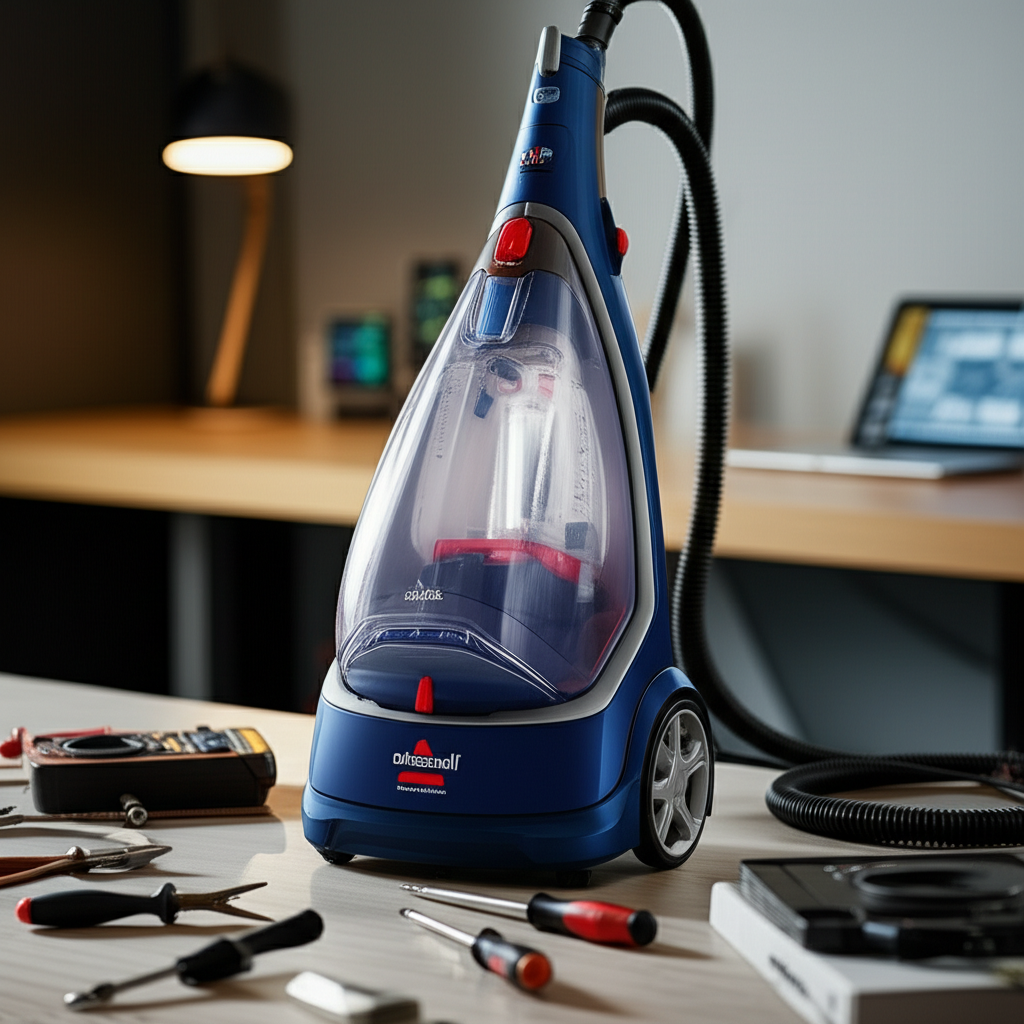
This is a common issue that stops your steam cleaner in its tracks. It means the machine isn’t producing enough hot vapor to clean effectively. Several things can cause this, from simple blockages to more complex internal problems.
Check the Water Level: Ensure the water tank is filled correctly. Many models have a minimum and maximum fill line.
Inspect the Nozzle: The spray nozzle can get blocked with mineral deposits or debris. Use a small brush or a pin to clear any blockages.
Examine the Heating Element: If the heating element is faulty, it won’t heat the water. This might require professional repair.
Check for Clogs: Mineral buildup can clog the internal tubes. Descaling your machine regularly can prevent this.
If your Bissell steam cleaner is not producing steam, first check the water level and the spray nozzle for obstructions. A clogged nozzle is a frequent cause of weak or no steam, and clearing it with a pin or small brush can often resolve the issue quickly.
Leaking Water or Cleaning Solution
A leaking steam cleaner is not only messy but can also be a safety hazard. Leaks can occur from the water tank, hose, or connections. Identifying the source of the leak is the first step to fixing it.
Inspect the Water Tank: Make sure the tank is properly seated and not cracked. Check the seals around the lid and the connection point.
Examine Hoses and Connections: Look for any cracks, holes, or loose fittings on the hoses and where they connect to the machine.
Check the Gaskets and Seals: Over time, rubber seals can wear out. Replacing damaged gaskets can stop leaks.
Ensure Proper Assembly: If you recently reassembled the cleaner, double-check that all parts are fitted correctly.
A common cause of leaks in Bissell steam cleaners is a poorly seated water tank or a damaged seal. Ensure the tank is firmly in place and inspect all rubber gaskets for wear or cracks, replacing them if necessary.
Strange Noises During Operation
Unusual sounds from your steam cleaner can indicate mechanical issues. These noises might include grinding, rattling, or excessive humming. Pinpointing the source of the sound helps in diagnosing the problem.
Listen for Rattling: This could mean a loose part inside the machine or debris in the fan.
Grinding Sounds: This often points to a problem with the motor or pump.
Excessive Humming: A louder-than-usual hum might suggest the pump is struggling or air is trapped.
Check for Blockages: Ensure no foreign objects are caught in the brush roll or intake.
If your Bissell steam cleaner is making unusual noises, listen carefully to identify the type of sound and its origin. Rattling often suggests a loose component, while grinding might indicate a motor or pump issue requiring professional attention.
Unit Not Turning On
When your Bissell steam cleaner refuses to power on, it’s essential to check the basics. This problem can stem from power supply issues or internal electrical faults. Simple checks can often resolve this frustrating issue.
Verify Power Source: Ensure the unit is plugged into a working outlet. Test the outlet with another device.
Check the Power Cord: Inspect the power cord for any visible damage. A frayed or cut cord needs replacement.
Examine the On/Off Switch: Make sure the switch is functioning correctly and not stuck.
Reset the Breaker: If the unit has an internal breaker, it might have tripped.
If your Bissell steam cleaner won’t turn on, first confirm it’s properly plugged into a functioning power outlet and inspect the power cord for any damage. A tripped internal breaker or a faulty switch can also prevent power.
Overheating Issues
An overheating steam cleaner can be dangerous and damage the appliance. This happens when the machine’s cooling system is compromised or it’s used for extended periods without breaks.
Allow Cooling Periods: Avoid running the cleaner for excessively long durations. Give it a break to cool down.
Check Air Vents: Ensure the air vents are not blocked by dust or debris. Clean them regularly.
Inspect the Thermostat: A faulty thermostat might not regulate the temperature correctly.
Use Correct Water: Always use distilled or demineralized water to prevent mineral buildup.
If your Bissell steam cleaner is overheating, ensure its air vents are clear of dust and debris, as blockages can impede cooling. Allow the unit to rest between uses to prevent overheating from extended operation.
How to Descale Your Bissell Steam Cleaner
Mineral deposits from tap water can clog your steam cleaner. Descaling removes these buildup. This keeps your machine working efficiently and prevents damage.
Steps to Descale:
1. Empty the Water Tank: Discard any remaining water from the tank.
2. Prepare the Descaling Solution: Mix white vinegar and distilled water. A 1:1 ratio is usually effective. For example, 1 cup of vinegar and 1 cup of distilled water. Some manufacturers offer specific descaling solutions; check your manual.
3. Fill the Tank: Pour the descaling solution into the water tank.
4. Run the Machine (without cleaning): Turn on the steam cleaner and let it run for a few minutes. Allow it to steam. Direct the steam into a sink or a bucket. This helps the solution circulate through the internal parts.
5. Let it Sit: Turn off the machine and let the solution sit inside for about 30 minutes to an hour. This allows the vinegar to break down mineral deposits.
6. Flush the System: Empty the descaling solution. Refill the tank with clean, distilled water. Run the machine again for a few minutes to flush out any remaining vinegar or loosened debris.
7. Empty and Dry: Empty the tank and wipe down the exterior.
Regularly descaling your Bissell steam cleaner, especially if you use tap water, is crucial. Using a mixture of equal parts white vinegar and distilled water can effectively break down mineral buildup and keep internal components clear.
Replacing Parts on Your Bissell Steam Cleaner
Sometimes, a repair involves replacing a worn-out part. Common replacements include filters, brushes, and seals. Always refer to your specific Bissell model’s manual for part numbers and instructions.
Filters: If your model has a filter, check it regularly. A clogged filter can affect performance. Clean or replace it as needed.
Brush Rolls: For models with brush rolls, check for wear and tear. Remove tangled hair or debris. Replace the brush if bristles are heavily worn.
Seals and Gaskets: These can degrade over time, causing leaks. Order exact replacements from Bissell or authorized dealers.
Hoses and Cords: If a hose is cracked or the power cord is damaged, it’s often best to replace the entire assembly.
Replacing parts on your Bissell steam cleaner, such as filters or brush rolls, can often be done at home with basic tools. Always use genuine Bissell replacement parts to ensure compatibility and optimal performance. You can find these on the official Bissell website or authorized parts retailers.
When to Call a Professional for Bissell Steam Cleaner Repair
While many issues are DIY-friendly, some problems require expert help. If you’ve tried basic fixes and the problem persists, it’s time to consider professional service.
Electrical Issues: If you suspect problems with the internal wiring or motor, do not attempt to fix it yourself. This can be dangerous.
Major Leaks: Persistent, large leaks that you cannot trace might indicate a cracked internal component.
No Heat: If the machine heats water but produces no steam, the heating element or its associated components might be faulty.
Complex Mechanical Failures: Unusual noises like grinding or loud clanking could signal serious mechanical problems.
If your Bissell steam cleaner experiences persistent leaks, electrical problems, or significant mechanical noises, it is advisable to seek professional repair. Attempting complex fixes without proper knowledge can lead to further damage or safety hazards.
Maintaining Your Bissell Steam Cleaner for Longevity
Proper maintenance is key to avoiding frequent repairs. Regular cleaning and correct usage will extend your steam cleaner’s life. It ensures it always performs at its best.
Use Distilled Water: This is the most important tip. It prevents mineral buildup, which causes clogs and reduces efficiency.
Empty and Rinse After Use: After each use, empty any remaining water from the tank. Rinse the tank and run clean water through the system to flush out residue.
Clean External Surfaces: Wipe down the exterior of the machine with a damp cloth.
Descale Regularly: Follow the descaling steps mentioned earlier, especially if you don’t always use distilled water. Aim for every 1-3 months depending on usage and water hardness.
Store Properly: Store the steam cleaner in a dry place. Ensure all parts are dry to prevent mold or mildew.
To ensure the longevity of your Bissell steam cleaner, always use distilled water to prevent mineral buildup. Emptying and rinsing the unit after each use, along with regular descaling, will significantly reduce the need for repairs.
Understanding Your Bissell Model’s Manual
The user manual is your best friend when it comes to Bissell steam cleaner repair. It contains specific troubleshooting tips for your model. It also provides diagrams and part numbers.
Troubleshooting Section: Look for a section dedicated to common problems and their solutions.
Parts Diagram: This helps identify different components of your cleaner.
Maintenance Schedule: The manual often suggests how often to descale or clean specific parts.
* Contact Information: It usually includes customer service numbers or website links for further assistance.
Always consult your specific Bissell steam cleaner model’s user manual for detailed troubleshooting steps and maintenance recommendations. The manual provides model-specific information that is crucial for accurate repairs and proper care.
Frequently Asked Questions About Bissell Steam Cleaner Repair
How often should I descale my Bissell steam cleaner?
You should descale your Bissell steam cleaner every 1 to 3 months. This depends on how often you use it and the hardness of your tap water. If you use distilled water, you can descale less often.
Can I use regular tap water in my Bissell steam cleaner?
It is highly recommended to use distilled or demineralized water. Tap water contains minerals that can build up inside the machine. This buildup can clog parts and reduce steam output, leading to repair needs.
My Bissell steam cleaner is leaking. What should I do?
First, check if the water tank is properly seated and not cracked. Inspect all seals and gaskets for damage. Ensure all connections are tight. If the leak persists, it might be an internal issue.
How do I fix a clogged spray nozzle on my Bissell steam cleaner?
You can often clear a clogged nozzle using a pin or a small, stiff brush. Gently insert the tool into the nozzle opening to dislodge any mineral deposits or debris. Be careful not to damage the nozzle.
Is it safe to attempt Bissell steam cleaner repairs myself?
For simple issues like cleaning a nozzle or descaling, it is generally safe. However, avoid attempting repairs on electrical components or internal mechanical parts unless you have experience. Always unplug the unit before any inspection or repair.
Where can I buy replacement parts for my Bissell steam cleaner?
You can buy genuine Bissell replacement parts directly from the official Bissell website. Authorized appliance parts retailers also carry them. Always ensure you have your model number to order the correct parts.
Conclusion: Keep Your Bissell Steaming Strong
Bissell steam cleaner repair doesn’t have to be daunting. By understanding common issues and performing regular maintenance, you can keep your appliance in top condition. Simple fixes like descaling and clearing blockages can restore performance. Always prioritize safety and consult your manual. With a little care, your Bissell steam cleaner will continue to be a powerful tool for a clean and healthy home.
This guide aimed to provide you with the knowledge for effective Bissell steam cleaner repair. Remember to keep your appliance well-maintained for optimal results.
