
Best Water Free Solvent Upholstery Cleaner: Essential Guide

Finding the best water-free solvent upholstery cleaner means tackling tough stains without soaking your furniture, preserving fabric and saving drying time. This guide reveals top options and crucial buying tips for a spotless, fresh-smelling sofa.
Tired of stubborn stains on your favorite armchair or sofa? Traditional upholstery cleaning often means lots of water, long drying times, and the risk of water damage or mildew. But what if you could lift grime and refresh fabrics using powerful, yet gentle, cleaning solutions that don’t rely on water? That’s where water-free solvent upholstery cleaners shine. They are designed to break down grease, oils, and other tough messes efficiently.
This guide will walk you through everything you need to know to pick the best water-free solvent upholstery cleaner for your home. We’ll explore what makes them work, what to look for, and which ones stand out. Get ready to say goodbye to those unsightly spots and hello to beautifully clean furniture.
What is a Water-Free Solvent Upholstery Cleaner?
A water-free solvent upholstery cleaner uses special chemicals to dissolve and lift stains. Instead of water, it uses solvents. These solvents are good at breaking down oily or greasy dirt. This means you don’t need to rinse with water. The cleaner works by dissolving the stain, and then you can usually wipe or vacuum it away.
This type of cleaner is ideal for delicate fabrics that can be damaged by too much moisture. It also means your furniture dries much faster. You can often use the cleaned spot within minutes. This is a huge advantage for busy households.
How Do Water-Free Solvent Cleaners Work?
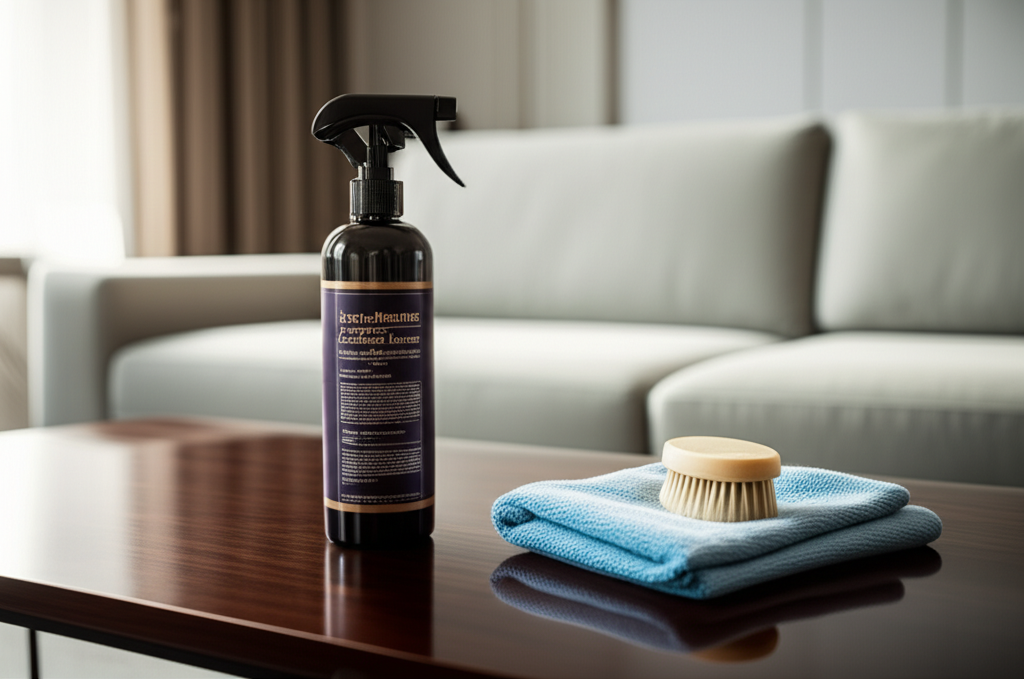
Solvents in these cleaners work like tiny magnets for grease and oil. They surround the stain particles and break them down. This makes the stain loose and easy to remove from the fabric fibers. The solvent then evaporates quickly.
Many water-free cleaners also contain surfactants. These help to lift the dissolved stain away from the fabric. They also help prevent the stain from spreading. The goal is to remove the stain completely without leaving a residue.
Why Choose Water-Free for Upholstery?
Choosing a water-free cleaner offers several benefits for your upholstery. The most significant is avoiding water damage. Too much water can weaken fabric, cause shrinking, or lead to discoloration. It also prevents the dreaded long drying times that can make furniture unusable for days.
Furthermore, water-free options are often better for specific fabric types. Some materials, like silk or certain natural fibers, are very sensitive to moisture. A water-free cleaner protects these delicate materials. It also helps prevent mold and mildew growth, which can happen in damp conditions.
Key Benefits of Water-Free Solvent Upholstery Cleaning
Water-free solvent cleaners offer a smarter way to tackle upholstery stains. They provide effective cleaning without the common drawbacks of water-based methods. You get cleaner furniture faster and with less risk.
Speed and Convenience
The biggest win with water-free cleaners is speed. You can clean a stain and be back to using your furniture in minutes. There’s no waiting for cushions to dry or worrying about damp smells. This makes them perfect for busy homes or when you need a quick fix.
Fabric Safety
Many upholstery fabrics are sensitive to water. Excessive moisture can cause shrinkage, fading, or structural damage. Water-free solvents are formulated to clean without these risks. They are often a safer choice for delicate or expensive furniture pieces.
Stain Effectiveness
Water-free solvents are excellent at breaking down oily and greasy stains. Think about food spills, makeup marks, or ink. These types of messes can be tough for water-based cleaners. Solvents are designed to dissolve these specific types of grime effectively.
Preventing Residue and Rings
When water-based cleaners aren’t properly rinsed, they can leave behind sticky residue. This residue attracts more dirt. Water-free cleaners typically evaporate, leaving little to no residue. This helps prevent water rings or dirt marks from reappearing.
Types of Water-Free Solvent Upholstery Cleaners
There are a few main types of water-free cleaners you’ll find. Each works a bit differently and is suited for various needs. Understanding these helps you pick the right one.
Aerosol Sprays
These are very common and easy to use. You spray the foam or liquid directly onto the stain. The solvent works quickly to break down the mess. You then wipe or blot the area.
Aerosol sprays are great for spot cleaning. They offer controlled application. However, ensure good ventilation when using them. The propellants can sometimes be strong.
Liquid Spot Cleaners
Similar to aerosols but come in a bottle with a brush or applicator tip. These offer precise application for targeted stains. You apply the liquid directly to the spot. Then, you typically agitate gently and blot.
Liquid spot cleaners are convenient for quick touch-ups. They allow you to work directly on the stain without overspray. Always test on an inconspicuous area first.
Wipes
Pre-moistened wipes are the ultimate in convenience. They come ready to use, perfect for on-the-go cleaning. You simply wipe the stain away.
Upholstery wipes are ideal for minor spills. They are easy to store in a drawer or car. However, they might not be strong enough for deep-set stains.
Factors to Consider When Buying
Choosing the best water-free solvent upholstery cleaner involves looking at several key features. You want something effective, safe for your furniture, and easy to use.
Fabric Compatibility
Always check the cleaner’s label for fabric compatibility. Some solvents can damage certain materials like leather or delicate synthetics. Most cleaners will list the types of fabrics they are safe for. Always perform a spot test in a hidden area.
A quick test involves applying a small amount of cleaner to an unseen part of the upholstery. Wait for it to dry and check for any color change or damage. This simple step can save your furniture from ruin.
Stain Type
Consider the types of stains you most often deal with. Are they greasy food spills, ink, pet accidents, or general grime? Some cleaners are formulated for specific stain types. For example, an oil-based stain might need a different solvent than a water-based one.
Knowing your usual culprits helps narrow down the options. A good all-purpose cleaner is useful, but specialized ones can be more effective for persistent issues.
Drying Time and Residue
While water-free cleaners are fast, drying times can still vary slightly. Look for products that evaporate quickly. Also, check reviews or product descriptions for mentions of residue. A cleaner that leaves no sticky film is ideal.
Residue can make the fabric feel stiff or attract more dirt over time. The best cleaners leave the fabric feeling soft and clean.
Scent and Ventilation
Some solvent cleaners have strong fumes. If you are sensitive to smells, look for unscented or lightly scented options. Always use these products in a well-ventilated area. Open windows and doors to allow fresh air to circulate.
Good ventilation is crucial for your health and safety. It also helps the solvent evaporate faster.
Brand Reputation and Reviews
Research brands known for quality cleaning products. Read customer reviews to see real-world performance. Look for feedback on effectiveness, ease of use, and any potential issues.
Trusted brands often invest more in research and development. This can translate to better, safer products. User testimonials provide valuable insights that product descriptions might miss.
Top Water-Free Solvent Upholstery Cleaners on the Market
After researching, here are some highly-regarded water-free solvent upholstery cleaners. These options are known for their effectiveness and ease of use.
Product A: The All-Rounder
This popular aerosol spray is a favorite for many households. It tackles a wide range of common stains effectively. The foam application makes it easy to cover the area without over-saturating.
Pros:
Excellent on grease and general grime.
Fast-drying and leaves minimal residue.
Easy to use aerosol can.
Cons:
Can have a strong scent; good ventilation needed.
May not be suitable for very delicate fabrics.
Product B: The Gentle Specialist
For those concerned about fabric integrity, this liquid spot cleaner is a great choice. It’s formulated to be tough on stains but gentle on fibers. Its precision applicator is perfect for targeted treatments.
Pros:
Very gentle on most fabrics.
Precise application for small stains.
Low odor.
Cons:
May require more effort for very stubborn stains.
Slower to cover larger areas compared to aerosols.
Product C: The Quick Fix Wipes
When you need an immediate solution, these wipes are hard to beat. They are incredibly convenient for minor spills and everyday messes. Keep them handy for quick cleanups.
Pros:
Extremely convenient and portable.
No spraying or blotting required for light stains.
Good for quick touch-ups.
Cons:
Less effective on deep or old stains.
* Can be more expensive per use than bottled cleaners.
How to Use Water-Free Solvent Upholstery Cleaners Effectively
Using these cleaners correctly ensures you get the best results. Follow these steps for a safe and effective cleaning experience.
Step 1: Preparation and Testing
First, vacuum the upholstery thoroughly. This removes loose dirt and debris. Then, find an inconspicuous spot on your furniture. Apply a small amount of the cleaner to test for colorfastness and fabric reaction. Wait for it to dry completely before proceeding.
This testing step is crucial. It prevents potential damage to the visible parts of your furniture. Always follow the manufacturer’s instructions precisely.
Step 2: Application
For aerosols, hold the can upright and spray from the recommended distance. Apply a light, even coat directly onto the stained area. For liquid cleaners, use the applicator to apply the product directly to the stain. For wipes, unfold and rub the stained area gently.
Avoid soaking the fabric. The goal is to apply just enough product to work on the stain. Too much can lead to issues.
Step 3: Working the Cleaner In (If Needed)
For tougher stains, you might need to gently work the cleaner in. Use a soft brush or a clean, damp cloth. Agitate the area lightly in a circular motion. This helps the solvent penetrate the stain.
Be gentle; harsh scrubbing can damage upholstery fibers. The solvent should do most of the work breaking down the stain.
Step 4: Blotting and Removal
Use a clean, dry cloth to blot the area. Press firmly to absorb the loosened stain and excess cleaner. Work from the outside of the stain inward to prevent spreading. Repeat with a clean section of the cloth as needed.
Blotting is key to lifting the stain away. Avoid rubbing, which can push the stain deeper or damage the fabric.
Step 5: Drying and Final Inspection
Allow the cleaned area to air dry completely. Since it’s water-free, this should be quick. Once dry, vacuum the area lightly. This helps restore the fabric’s texture. Inspect the spot to ensure the stain is gone.
If any faint mark remains, you might need a second application. Always let it dry fully between attempts.
When to Call a Professional
While water-free cleaners are great for many situations, some problems are best left to the pros. Deeply set stains, large affected areas, or delicate antique furniture might require expert attention.
Professionals have specialized equipment and stronger cleaning solutions. They also understand different fabric types and how to treat them safely. If you’re unsure or the stain is severe, professional cleaning is the safest bet.
Frequently Asked Questions (FAQ)
Can I use a water-free solvent cleaner on all upholstery fabrics?
No, always check the product label and test on an inconspicuous area first. Some fabrics, like silk or certain synthetics, may be damaged by specific solvents.
Will water-free cleaners leave a residue?
Most are designed to evaporate quickly with little to no residue. However, it’s always best to check product reviews or test first. Residue can attract dirt and stiffen fabric.
How long does it take for furniture to dry after using a water-free cleaner?
Drying is usually very fast, often within minutes. The area will be dry to the touch almost immediately after blotting.
Are water-free solvent cleaners safe for pets and children?
Always use in a well-ventilated area and keep pets and children away until the area is completely dry. Once dry, the residue is minimal, making it generally safe. However, always follow the manufacturer’s safety guidelines.
What is the difference between a water-free solvent cleaner and a dry cleaning solvent?
Both use solvents to clean without water. “Dry cleaning” often refers to a specific process used in commercial settings. Water-free solvent upholstery cleaners are products designed for home use, often with specific formulations for fabric.
Can I use a water-free cleaner for pet stains?
Yes, many water-free cleaners are effective on pet stains, especially if they are greasy or oily. However, for odor removal, you might need a specialized enzymatic cleaner.
Conclusion: Achieving a Spotless Upholstery with Ease
Choosing the best water-free solvent upholstery cleaner is a smart move for maintaining your furniture. These cleaners offer a quick, convenient, and fabric-safe way to tackle tough stains without the hassle of water. By understanding how they work and what to look for, you can confidently select a product that meets your needs.
Remember to always test first and follow application instructions carefully. For most common spills and grime, a good water-free solvent cleaner will leave your upholstery looking fresh and clean in no time.
For more tips on keeping your home appliances and cleaning tools in top shape, explore our other guides at HomeHygia.com.
