
Best Cosmetic Brush Cleaner: Genius Essential

The best cosmetic brush cleaner keeps your makeup tools hygienic and your skin clear. This guide reveals genius essentials for effortless cleaning, ensuring flawless makeup application every time.
Are your makeup brushes looking a little sad and grimy? It’s a common problem that can lead to skin issues. Dirty brushes can harbor bacteria, causing breakouts and dull skin. They also make it hard to blend your makeup smoothly. You deserve to feel confident with your makeup. This guide will walk you through finding the perfect cosmetic brush cleaner. We’ll explore simple solutions and top picks to keep your brushes like new.
Why Cleaning Your Makeup Brushes is a Must-Do
Keeping your cosmetic brushes clean is more important than you might think. Bacteria can grow quickly on brush bristles, especially when they touch oily skin or makeup. These tiny germs can then transfer back to your face, potentially causing acne or infections. Moreover, dirty brushes don’t pick up or apply makeup evenly. This can result in a streaky or uneven finish, no matter how good your makeup is.
Cleaning your brushes regularly ensures they perform at their best. It also helps extend their lifespan. Well-maintained brushes are a key part of a healthy beauty routine.
Understanding Different Types of Cosmetic Brush Cleaners
There are several ways to clean your makeup brushes. Each method offers unique benefits. Understanding these options helps you choose what’s best for your needs and brushes.
Liquid Brush Cleansers
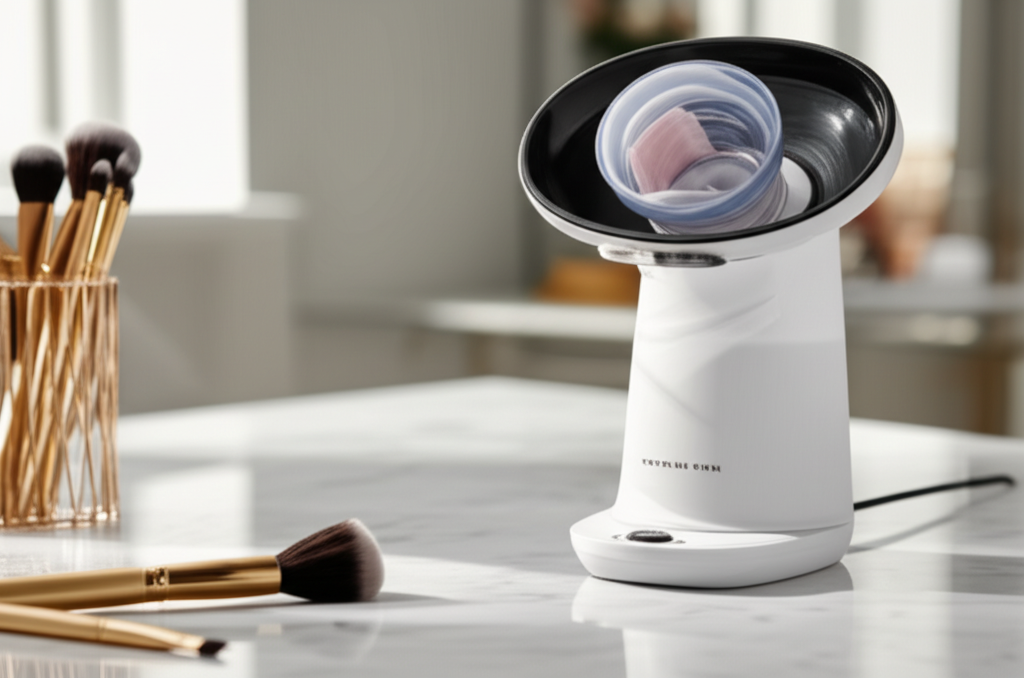
Liquid cleaners are popular for a reason. They are very effective at breaking down makeup, oils, and dirt. You usually apply a small amount to the bristles, lather gently, and rinse. Many are formulated to be quick-drying.
Some liquid cleansers are designed for daily use, while others are for a deeper clean. They come in spray or pourable bottle formats.
Brush Cleaning Mats and Devices
These tools help you scrub your brushes more effectively. Mats often have textured surfaces with different patterns. You swirl your brush on the mat with soap and water to lift out debris. Electric cleaning devices offer an automated way to clean brushes.
These can speed up the cleaning process. They are great for people who have many brushes or are short on time.
Brush Cleaning Wipes
For quick touch-ups or on-the-go cleaning, brush wipes are convenient. They are pre-moistened with a cleaning solution. You simply swipe the bristles over the wipe.
Wipes are good for removing surface-level product between deep cleans. They are not a substitute for a thorough wash.
DIY Brush Cleaning Solutions
You can also make your own brush cleaner at home. Common ingredients include gentle soap, like baby shampoo or dish soap, mixed with water. Some people add a bit of olive oil for conditioning.
Always ensure your DIY solution is mild. Harsh chemicals can damage brush bristles. Test any homemade solution on one brush first.
Top Picks for the Best Cosmetic Brush Cleaner
Finding the “best cosmetic brush cleaner” depends on your preferences. Here are some highly-rated options that users love. They cover different cleaning needs and budgets.
Best All-Around Liquid Cleaner: Beautyblender Solid Brush Cleanser
This solid cleanser is a favorite for many. It effectively removes makeup and oil without drying out bristles. It’s easy to use; just wet your brush, swirl it on the solid cleanser, and rinse.
It leaves brushes feeling soft and smelling fresh. Many users report their brushes look like new after using it.
Best Quick-Dry Spray: Sigma Beauty Sigmagic Brushampoo Liquid
Sigma Beauty is known for its quality brushes and cleaning products. This liquid shampoo is formulated for quick cleaning and fast drying. It cuts through stubborn makeup.
It’s a great option for daily use. You spray it on, swirl the brush, and wipe clean.
Best Budget-Friendly Option: Real Techniques Brush Cleaning Balm
This balm is a more affordable yet effective choice. It’s a solid cleanser that melts into a lather when wet. It cleans brushes thoroughly and is gentle on bristles.
It’s a fantastic value for the price. It also comes in a convenient travel-friendly size.
Best for Sensitive Skin: Dr. Bronner’s Pure-Castile Soap (Unscented)
While not specifically for makeup brushes, Dr. Bronner’s unscented castile soap is a gentle, natural option. It’s highly concentrated, so you only need a tiny amount. It effectively cleans without harsh chemicals.
It’s a versatile product you might already have. Ensure you rinse thoroughly to remove all soap residue.
How to Deep Clean Your Makeup Brushes: A Step-by-Step Guide
Deep cleaning your brushes regularly is essential for hygiene. This process removes all built-up product and bacteria. Follow these simple steps for a thorough clean.
1. Gather Your Supplies: You’ll need your chosen brush cleaner, a bowl of lukewarm water, and a clean towel. A cleaning mat can also be helpful.
2. Wet the Bristles: Rinse your brush under lukewarm running water. Make sure only the bristles get wet, not the ferrule (the metal part).
3. Apply Cleaner: Apply a small amount of your brush cleaner to the wet bristles. For solid cleansers, swirl the brush directly onto the soap. For liquids, apply a few drops.
4. Lather and Clean: Gently work the cleanser into the bristles. You can use your hands or a cleaning mat. Move the brush in circular motions to lift makeup and dirt.
5. Rinse Thoroughly: Rinse the brush under running water again. Squeeze out excess water gently. Continue rinsing until no more soap or makeup comes out.
6. Remove Excess Water: Gently squeeze out as much water as possible with a clean towel. Do not twist or wring the bristles.
7. Reshape and Dry: Reshape the bristles to their original form. Lay the brushes flat on a clean towel or use a brush drying rack. Ensure they dry completely before use.
This routine helps maintain the shape and integrity of your brushes.
How to Do a Quick Clean Between Uses
Sometimes you need a quick refresh for your brushes. This is especially helpful if you’re switching between products or colors. A quick clean can prevent color-mixing.
Using Brush Cleaning Sprays
Brush cleaning sprays are perfect for this. You spray the solution onto the bristles. Then, you wipe the brush on a clean tissue or paper towel.
The spray helps lift surface makeup. It also sanitizes the bristles. This method is fast and effective for immediate use.
The Tissue Swipe Method
Even without a spray, a tissue can help. After using a brush, gently swipe it across a clean tissue. This removes excess powder or cream makeup.
It’s a simple way to keep brushes a little cleaner. It removes the bulk of the product.
The Importance of Drying Your Brushes Properly
How you dry your brushes is as crucial as cleaning them. Improper drying can damage the bristles and the brush shape. This affects their performance and longevity.
Drying Flat or Hanging
Always dry brushes with the bristles facing downwards. This prevents water from seeping into the ferrule. Water can loosen the glue that holds the bristles together. It can also cause the handle to crack.
Lay brushes flat on a clean towel. Alternatively, use a brush drying rack that allows bristles to hang down. This is a key step in finding the best cosmetic brush cleaner routine.
Avoiding Heat
Never use a hairdryer or place brushes near a heat source to speed up drying. Heat can melt synthetic bristles or damage natural hair. It can also warp the brush handles.
Patience is key here. Let your brushes air dry completely. This usually takes a few hours, depending on the brush size and humidity.
How Often Should You Clean Your Makeup Brushes?
The frequency of cleaning depends on how often you use your brushes and what products you use them with. A general guideline is helpful for most people.
Daily vs. Weekly Cleaning
Daily Use Brushes (Foundation, Concealer, Cream Products): Clean these at least once a week. If you use them every day, a quick clean after each use is even better.
Powder Brushes (Blush, Bronzer, Eyeshadow): These can typically be cleaned once every two weeks. A quick wipe after use can extend this time.
* Specialty Brushes (Lip, Eyeliner): These should be cleaned after every use. They are often used with products that can harbor more bacteria.
Here’s a quick look at cleaning frequency:
| Brush Type | Product Type | Recommended Cleaning Frequency |
| :———————– | :————————— | :—————————– |
| Foundation/Concealer | Cream, Liquid | Weekly (or after each use) |
| Powder Brushes | Powder | Bi-weekly |
| Eyeshadow Brushes | Powder, Cream | Weekly |
| Blush/Bronzer Brushes | Powder, Cream | Weekly |
| Eyeliner/Lip Brushes | Cream, Gel, Liquid | After each use |
According to a study by Statista, the global beauty and personal care market is vast, with consumers investing heavily in products and tools that enhance their appearance and hygiene. This highlights the importance of maintaining those tools.
What to Look For in a Cosmetic Brush Cleaner
When choosing the best cosmetic brush cleaner, consider a few key factors. These will help you make an informed decision.
Ingredients and Formula
Look for gentle ingredients. Avoid harsh alcohols or sulfates that can dry out bristles. Natural ingredients like plant-based soaps are often a good choice. The formula should effectively break down makeup without being too aggressive.
Drying Time
If you’re in a hurry, a quick-drying formula is essential. Some cleaners leave brushes feeling damp for hours. Others are designed to dry almost instantly.
Brush Compatibility
Ensure the cleaner is suitable for your brush type. Natural hair brushes may require more conditioning ingredients than synthetic ones. Most good cleaners work well for both.
Scent and Sensitivity
Consider if you have any sensitivities to fragrance. Many cleaners are available in unscented versions. A pleasant, mild scent can be a nice bonus.
Ease of Use
The cleaning process should be straightforward. Whether it’s a solid bar, liquid, or spray, it should be simple to apply and rinse.
Common Mistakes to Avoid When Cleaning Brushes
Even with the best intentions, mistakes can happen. Avoiding these common pitfalls will help you clean your brushes effectively.
Using Hot Water
Hot water can damage natural bristles and loosen the glue in the ferrule. Always opt for lukewarm or cool water. This is a crucial step for brush longevity.
Soaking the Ferrule
Never submerge the entire brush head, especially the ferrule, in water. This weakens the glue and can cause bristles to fall out. Keep the water level below the ferrule.
Harsh Rubbing or Twisting
Scrubbing too hard or twisting the bristles can cause them to splay and break. Be gentle during the cleaning process. Swirling motions on a mat or in your hand are best.
Not Rinsing Properly
Leaving soap residue on your brushes can irritate your skin. It can also make your brushes feel stiff. Ensure you rinse thoroughly until the water runs clear.
Air Drying in Direct Sunlight
While air drying is good, direct sunlight can degrade bristles over time. Dry your brushes in a well-ventilated area away from harsh rays.
The Health Benefits of Clean Makeup Brushes
Using clean makeup brushes goes beyond just aesthetics. It has significant health benefits for your skin.
Preventing Breakouts and Acne
Dirty brushes are a breeding ground for bacteria like Staphylococcus. This bacteria can cause pimples and worsen acne. Regular cleaning removes these harmful microbes.
Reducing Skin Irritation and Infections
Bacteria and old makeup residue can lead to redness, itching, and even minor infections. Clean brushes help maintain a healthy skin barrier. They reduce the risk of adverse reactions.
Improving Makeup Application
Clean brushes apply makeup more smoothly and evenly. This means less product waste and a better finish. You get the full benefit of your makeup products.
Promoting Overall Skin Health
A consistent cleaning routine contributes to a healthier complexion. It’s a simple yet powerful step in any skincare regimen. Maintaining hygiene is key for radiant skin.
Frequently Asked Questions About Cosmetic Brush Cleaners
Q1: How often should I deep clean my makeup brushes?
You should deep clean your makeup brushes at least once a week, especially those used for liquid or cream products. Powder brushes can be cleaned every two weeks.
Q2: Can I use regular hand soap to clean my brushes?
While mild hand soap can work in a pinch, it’s better to use a cleaner specifically designed for makeup brushes. These are formulated to be gentle on bristles and effective at removing makeup.
Q3: Will using a brush cleaner damage my natural hair brushes?
No, most good cosmetic brush cleaners are formulated to be gentle on both synthetic and natural hair bristles. Look for conditioning ingredients to keep natural hair soft.
Q4: How do I know if my brush cleaner is working?
You’ll see makeup and dirt lifting from the bristles as you clean. The water will also become cloudy. Your brushes should feel clean and smell fresh after rinsing.
Q5: Is it okay to use baby shampoo as a brush cleaner?
Yes, baby shampoo is a popular and gentle option for cleaning makeup brushes. It’s mild and effective at removing makeup without stripping bristles.
Q6: How can I store my brushes to keep them clean?
Store brushes upright in a cup or holder with bristles facing up. This prevents them from touching surfaces and collecting dust. Ensure they are completely dry before storing.
Conclusion: Your Path to Flawless Application Starts with Clean Brushes
Finding the best cosmetic brush cleaner is a game-changer for your makeup routine and skin health. Regular cleaning prevents breakouts, ensures smooth application, and keeps your favorite brushes in top condition. Whether you prefer a solid bar, a liquid spray, or a gentle DIY solution, there’s an option for everyone. Make cleaning your brushes a consistent habit. You’ll notice a significant difference in your makeup’s look and how your skin feels.
Start your journey to cleaner, better-performing brushes today!
