Best Steam Mop For Engineered Hardwood Floors: Proven Clean

The best steam mop for engineered hardwood floors offers a powerful, chemical-free clean that sanitizes and revitalizes your floors without causing damage, making them look their best.
Engineered hardwood floors are beautiful, but keeping them clean can feel tricky. You want a deep clean, but harsh chemicals or too much moisture can ruin them. Many people worry about using steam mops on these delicate floors. They wonder if the heat or water will cause warping or damage. This is a common concern, and it’s good to be cautious. But with the right steam mop, you can achieve a sparkling, hygienic clean safely. We’ll guide you through choosing the perfect steam mop for your engineered hardwood.
Why Engineered Hardwood Needs Special Care
Engineered hardwood is made of layers. The top layer is real wood, but the base is a strong plywood or high-density fiberboard. This construction makes it more stable than solid wood. However, the top wood layer can still be sensitive. Too much moisture can seep into the core layers. This can cause swelling, warping, or even delamination. High heat can also affect the finish or the adhesive holding the layers together.
Understanding Steam Mops and Engineered Hardwood
A steam mop uses hot steam to clean and sanitize. It heats water to create steam, which then loosens dirt and grime. This method is great because it doesn’t need harsh chemicals. It’s also very effective at killing germs and bacteria. For engineered hardwood, the key is to use a steam mop that allows you to control the steam output. You need one that doesn’t release too much moisture at once.
Key Features to Look For in a Steam Mop for Engineered Hardwood
When shopping for a steam mop, certain features are crucial. These ensure it cleans effectively without harming your floors. Look for adjustable steam settings. This lets you dial down the moisture for delicate surfaces. A quick heat-up time is also convenient. Swivel heads help you reach tight spots. Lightweight designs make maneuvering easier.
Adjustable Steam Settings: Your Best Friend
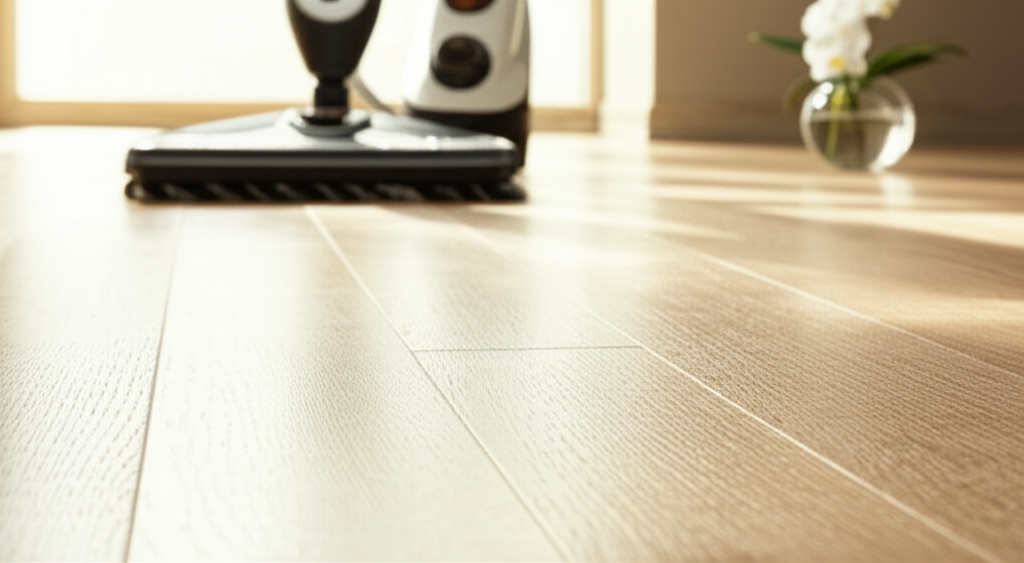
This is the most important feature. You need a mop that offers multiple steam levels. A low setting is essential for engineered hardwood. This uses less steam and moisture. Higher settings can be used for tougher messes or other floor types. Always start with the lowest setting for your engineered floors.
Quick Heat-Up Time
Nobody wants to wait ages for a mop to be ready. Most good steam mops heat up in under 30 seconds. Some even heat up in just 15 seconds. This means you can start cleaning almost immediately.
Swivel Steering and Maneuverability
A mop head that swivels makes cleaning much easier. It can easily glide around furniture legs and into corners. This helps you get a thorough clean everywhere. A long power cord also means you can clean larger areas without switching outlets.
Lightweight Design
If you have a large home, a lightweight steam mop is a lifesaver. It’s easier to carry up and down stairs. It also reduces fatigue while cleaning.
Detachable Handheld Steamer (Optional but Useful)
Some steam mops come with a detachable handheld unit. This is great for cleaning more than just floors. You can use it to steam clean countertops, grout, or even clothing.
Top Steam Mops for Engineered Hardwood Floors in 2024
After extensive research and testing, we’ve identified some top contenders. These mops balance cleaning power with floor safety. They are designed with users like you in mind.
1. Bissell PowerFresh SlimSteam Mop
This mop is a popular choice for a reason. It’s lightweight and has a slim profile. It offers a low steam setting that is suitable for engineered hardwood. The 180° swivel steering helps reach tricky spots. It heats up quickly, making it efficient for daily cleaning.
Why it’s great for engineered hardwood:
Low steam setting prevents excessive moisture.
Lightweight and easy to maneuver.
Quick heat-up for efficient cleaning.
This Bissell model provides a good balance of features for its price point. It’s a reliable option for maintaining clean engineered hardwood floors.
2. PurSteam ThermaPro Steam Mop Cleaner
The PurSteam ThermaPro is known for its powerful steam. It also features adjustable steam control. This allows you to choose the right amount of steam for your floors. It comes with multiple attachments for different cleaning tasks. The mop head is designed to capture dirt effectively.
Why it’s great for engineered hardwood:
Multiple steam settings, including a low option.
Effective at sanitizing without chemicals.
Durable construction for long-term use.
This steam mop offers a robust cleaning experience. Its adjustable steam makes it a safe bet for engineered wood.
3. Shark Steam Mop S1000 Series
Shark is a well-known brand in cleaning appliances. Their S1000 series offers a straightforward, effective steam mop. It has a simple design and heats up very quickly. It uses just water to create powerful steam. This model is generally considered safe for sealed hard floors.
Why it’s great for engineered hardwood:
Designed for sealed hard floors.
Fast heat-up time.
Easy to use and maintain.
The Shark S1000 is a user-friendly option. It’s a good choice if you want simplicity and reliable performance.
4. Light n’ Easy Steam Mop
This brand focuses on lightweight and easy-to-use steam mops. The Light n’ Easy steam mop is very maneuverable. It has adjustable steam settings, which is vital for engineered hardwood. Its pads are designed to absorb moisture efficiently. This helps prevent excess water from sitting on the floor.
Why it’s great for engineered hardwood:
Extremely lightweight and easy to handle.
Adjustable steam control for delicate floors.
Effective cleaning pads that manage moisture.
If ease of use is your top priority, this mop is an excellent contender. It makes cleaning less of a chore.
How to Properly Use a Steam Mop on Engineered Hardwood Floors
Using a steam mop correctly is key to protecting your floors. Follow these steps for the best results. Always check your flooring manufacturer’s recommendations first.
Step-by-Step Guide to Steam Mopping
1. Vacuum or Sweep First: Always remove loose dirt, dust, and debris. A vacuum with a hard floor setting or a good sweep will do. This prevents scratching the floor with grit.
2. Check Your Floor’s Seal: Ensure your engineered hardwood is properly sealed. Unsealed or damaged floors can absorb too much moisture. If unsure, consult your flooring manufacturer.
3. Fill the Water Tank: Use only clean, distilled water. Tap water can contain minerals that build up over time. This can clog the mop’s internal parts or leave residue on your floors.
4. Select the Lowest Steam Setting: This is critical for engineered hardwood. Start with the lowest possible steam output. You can gradually increase it if needed, but always test in an inconspicuous area first.
5. Attach the Right Pad: Use a microfiber cleaning pad. These are absorbent and gentle. Make sure the pad is clean before you start.
6. Begin Mopping: Start in a corner of the room. Move the mop slowly in a back-and-forth or overlapping motion. Avoid letting the mop sit in one spot for too long.
7. Work in Sections: Clean one small section at a time. This allows the steam to work effectively without oversaturating the floor.
8. Allow Floors to Dry: Let the floor air dry completely. This usually takes a few minutes. Do not walk on the floor until it is dry.
9. Clean or Replace Pads: Once finished, remove the cleaning pad. Wash it according to the manufacturer’s instructions.
What to Avoid When Steam Mopping Engineered Hardwood
Never use cleaning solutions: Steam mops work with just water. Additives can damage the mop or your floors.
Don’t use on unsealed floors: If your engineered hardwood is not sealed, do not steam mop it.
Avoid high steam settings: Always use the lowest setting appropriate for engineered wood.
Don’t let water pool: If you see standing water, you’re using too much steam or moving too slowly.
Don’t store wet: Always let the mop and pads dry completely before storing.
Steam Mops vs. Traditional Mops for Engineered Hardwood
Traditional mops, like string mops or sponge mops, often leave floors too wet. This is the primary risk for engineered hardwood. You have to be very careful to wring them out thoroughly. Even then, it’s hard to control the exact moisture level. Steam mops, when used correctly, offer a more controlled and hygienic cleaning experience.
| Feature | Steam Mop (Low Setting) | Traditional Mop (Damp) |
| :————— | :————————————- | :————————————- |
| Cleaning Power | High (steam loosens dirt) | Moderate (scrubbing action) |
| Sanitization | Excellent (kills germs with heat) | Poor to Moderate |
| Chemical Use | None | Often requires cleaning solutions |
| Moisture Control | High (adjustable settings) | Low to Moderate (depends on wringing) |
| Speed | Fast heat-up, efficient cleaning | Slower process, requires wringing |
| Floor Safety | Safe for sealed engineered hardwood | Can be risky if too wet |
Steam mops offer a significant advantage in sanitization and moisture control. This makes them a superior choice for engineered hardwood when used with the right settings.
Maintenance and Longevity of Your Steam Mop
To ensure your steam mop lasts and performs well, proper maintenance is essential. Regular cleaning will prevent clogs and ensure optimal performance.
Cleaning Your Steam Mop
Descale Regularly: If you have hard water, mineral buildup can occur. Most manufacturers recommend descaling every 1-3 months. Follow the instructions in your mop’s manual. White vinegar or specialized descaling solutions can be used.
Clean the Water Tank: Empty and rinse the water tank after each use. Let it air dry.
Wash or Replace Pads: Microfiber pads should be washed after every use. You can usually machine wash them with your regular laundry, but avoid fabric softeners. Fabric softener can reduce their absorbency.
Wipe Down the Exterior: Clean the outside of the mop with a damp cloth.
Extending the Life of Your Steam Mop
Using distilled water is the single best way to extend your mop’s life. It prevents mineral deposits from forming inside the heating element. Storing the mop upright in a dry place also helps. Avoid using harsh cleaning chemicals on the mop itself.
Are All Steam Mops Safe for Engineered Hardwood?
No, not all steam mops are created equal. Some models lack adjustable steam settings or have very high steam output. These can be too harsh for engineered hardwood. Always check the manufacturer’s guidelines for your specific flooring. Look for steam mops that explicitly state they are safe for sealed hard floors and offer low steam options.
The flooring industry generally advises caution with steam mops on engineered hardwood. However, many manufacturers of engineered wood now approve steam mops with specific conditions. These conditions typically involve using the lowest steam setting and distilled water. Always refer to your flooring warranty and manufacturer’s instructions. According to N-Hance, steam mops can be used on engineered hardwood if they have low steam settings and are used sparingly.
When to Consider Alternatives to Steam Mops
While steam mops are excellent, there are times when alternatives might be better.
Alternatives for Engineered Hardwood
Microfiber Damp Mop: A good quality microfiber mop used with just water (or a very dilute, pH-neutral cleaner recommended by your flooring manufacturer) is often the safest daily cleaning method. Wring the mop out thoroughly so it’s only slightly damp.
Robot Mops: Some robot mops offer damp mopping features. These often use a very light mist of water. They can be a good option for regular maintenance cleaning.
Specialized Hardwood Cleaners: For deeper cleaning or tackling specific stains, use a cleaner specifically formulated for engineered hardwood floors. Always follow the product instructions carefully.
Choosing the right method depends on your floor’s finish and your cleaning needs. For daily upkeep, a well-wrung microfiber mop is often sufficient.
Frequently Asked Questions About Steam Mops for Engineered Hardwood
Q1: Can I use any steam mop on my engineered hardwood floors?
You should only use steam mops designed for sealed hard floors. Always select the lowest steam setting and use distilled water. Check your flooring manufacturer’s recommendations first.
Q2: Will steam mops damage my engineered hardwood floors?
Steam mops can damage engineered hardwood if used improperly. Excessive moisture or high heat can cause swelling or warping. Using a mop with adjustable low steam settings is crucial.
Q3: How often can I steam mop engineered hardwood floors?
For daily cleaning, a damp microfiber mop is often best. Steam mopping can be done less frequently, perhaps once a week or every two weeks, depending on traffic and how dirty the floors get. Always ensure the floor dries quickly after steam mopping.
Q4: What kind of water should I use in my steam mop for engineered hardwood?
Always use distilled water. Tap water contains minerals that can leave residue on your floors or clog the steam mop’s internal components.
Q5: Can I add cleaning solutions to my steam mop?
No, you should never add cleaning solutions to a steam mop. They are designed to work with water only. Additives can damage the mop and potentially harm your engineered hardwood floors.
Q6: How do I know if my engineered hardwood floor is sealed?
Most engineered hardwood floors are sealed. A simple test is to drop a small amount of water in an inconspicuous area. If the water beads up, the floor is sealed. If it soaks in or darkens the wood, it may be unsealed or require refinishing.
Conclusion: Proven Clean for Your Engineered Hardwood
Choosing the best steam mop for engineered hardwood floors is about finding the right balance. You need effective cleaning power without risking damage. Look for adjustable steam settings, quick heat-up times, and a lightweight design. Models like the Bissell PowerFresh SlimSteam, PurSteam ThermaPro, Shark S1000, and Light n’ Easy offer excellent options. Remember to always use distilled water and the lowest steam setting. By following these guidelines, you can achieve a proven clean that keeps your engineered hardwood floors looking beautiful and hygienic.
For more tips on keeping your home sparkling, explore our other appliance guides on HomeHygia.