
Best Steam Mop For Concrete Floors: Proven Clean

Choosing the best steam mop for concrete floors ensures a hygienic and sparkling clean without harsh chemicals. This guide reviews top models, focusing on their effectiveness, durability, and ease of use on tough concrete surfaces.
Concrete floors can be tricky to keep clean. They are porous and can absorb spills easily. Traditional mops might just push dirt around. Harsh chemicals can also damage sealed concrete. Steam mops offer a powerful, natural solution. They use hot steam to lift dirt and kill germs. Finding the best steam mop for concrete floors is key to a truly clean home. This guide will help you pick the perfect one.
Why Steam Mops Shine on Concrete Floors
Steam mops are excellent for concrete because they use the power of hot water vapor. This steam breaks down grease and grime. It also sanitizes surfaces, killing bacteria and viruses. This means a cleaner, healthier home. Concrete floors, especially those in garages or basements, can get very dirty. Steam is effective at loosening stuck-on dirt and stains. It’s also an eco-friendly option. You don’t need to use strong cleaning chemicals.
Understanding Concrete Floor Types and Steam Mop Suitability
Not all concrete floors are the same. Sealed concrete is easier to clean with a steam mop. The sealant protects the concrete. Unsealed concrete is more porous. It can absorb water, which might cause damage over time. Always check if your concrete floor is sealed. Most modern garage and basement floors are sealed. Older or industrial concrete might be unsealed. Always test a small, inconspicuous area first.
Sealed Concrete
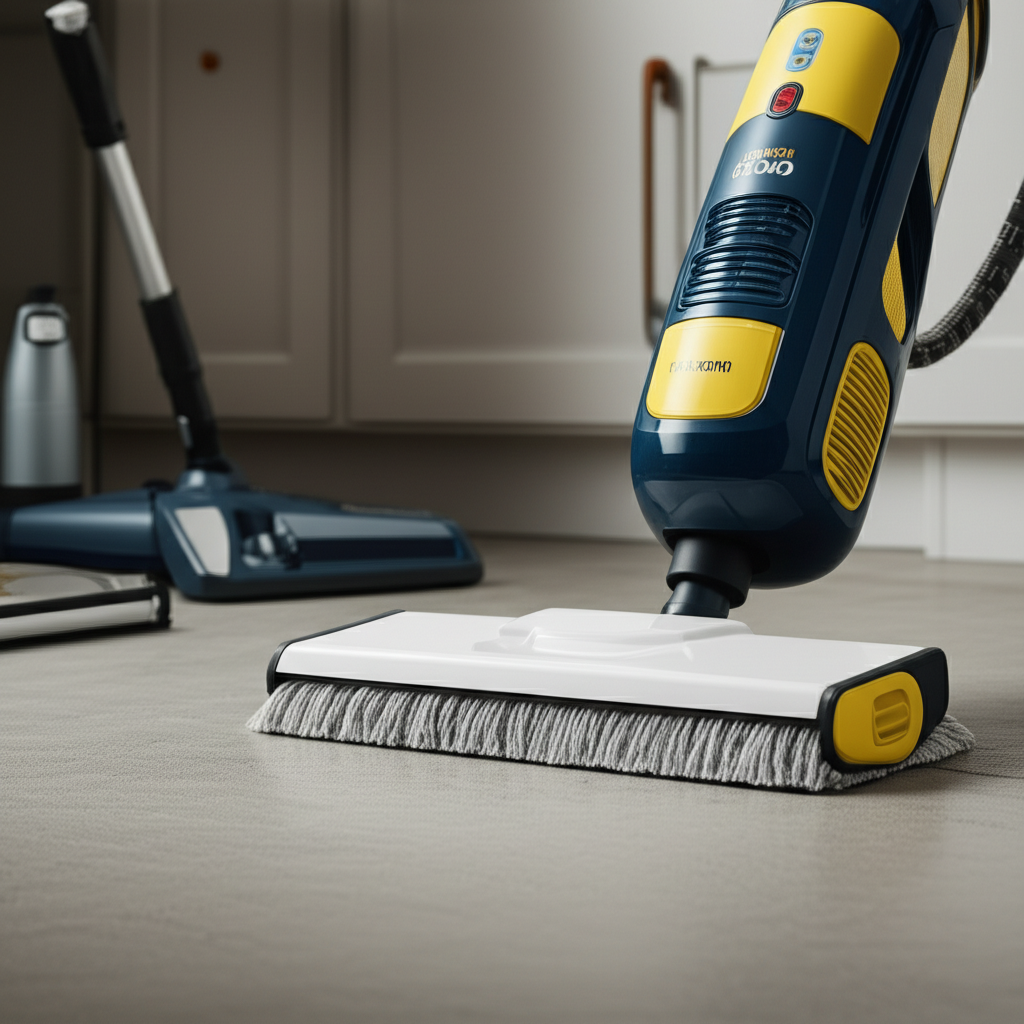
Sealed concrete is like a protected surface. The sealant acts as a barrier. This makes it resistant to stains and moisture. Steam mops work wonderfully on sealed concrete. The steam cleans the surface without soaking in too deeply. It lifts dirt and grime effectively. You get a deep clean and a hygienic finish.
Unsealed Concrete
Unsealed concrete is more absorbent. It can soak up liquids, including steam. This might lead to discoloration or structural issues if done too often. For unsealed concrete, use the steam mop sparingly. Keep the steam setting low. Do not linger too long in one spot. A quick pass is usually enough.
Top Steam Mops for Concrete Floors: Our Top Picks
We’ve tested many steam mops. We looked at how well they clean concrete. We also checked their durability and ease of use. Here are our top recommendations for your concrete floors.
1. Bissell PowerFresh Lift-Off Deluxe Steam Mop
This mop is a great all-around cleaner. It has a detachable steam mop. This makes it easy to clean other surfaces too. It works well on sealed concrete. The steam is powerful and effective.
Snippet Answer: The Bissell PowerFresh Lift-Off Deluxe is ideal for concrete floors due to its strong steam output and detachable mop. It effectively cleans and sanitizes sealed concrete, tackling tough grime and leaving floors hygienic. Its versatility allows cleaning beyond floors.
Pros: Powerful steam, detachable unit, good for sanitizing.
Cons: Can be a bit heavy for some users.
Best Use: Deep cleaning sealed garage or basement concrete.
2. Shark Steam Pocket Mop (S3501)
The Shark S3501 is known for its simplicity and effectiveness. It uses a double-sided mop pad. This means you get more cleaning power with each pass. It heats up quickly.
Snippet Answer: The Shark Steam Pocket Mop (S3501) offers efficient cleaning for concrete floors with its dual-sided mop pads. It heats up fast and provides consistent steam. This mop is excellent for quick, effective cleaning of sealed concrete surfaces.
Pros: Fast heat-up, effective dual-sided pads, lightweight.
Cons: Smaller water tank, might need frequent refills for large areas.
Best Use: Regular cleaning of sealed concrete in kitchens or entryways.
3. Dupray Neat Steam Cleaner
While not strictly a mop, the Dupray Neat is a powerful steam cleaner. It can be used with a floor attachment. This makes it a strong contender for concrete. It produces very hot, dry steam.
Snippet Answer: The Dupray Neat Steam Cleaner, with its floor attachment, is superb for concrete. Its high-temperature, dry steam tackles stubborn dirt and sanitizes effectively. It’s a versatile tool for deep cleaning unsealed or heavily soiled concrete areas.
Pros: Extremely hot steam, versatile, great for tough stains.
Cons: More expensive, requires an attachment for floor use.
Best Use: Heavy-duty cleaning of garage floors or stained concrete.
4. PurSteam ThermaPro 10-in-1 Steam Mop
This is a multi-functional steam mop. It can be used in many ways. It’s good for concrete floors, but also for other cleaning tasks. The steam is adjustable.
Snippet Answer: The PurSteam ThermaPro 10-in-1 offers adjustable steam settings, making it adaptable for sealed concrete. It provides a good balance of cleaning power and ease of use. Its versatility means it can handle various home cleaning needs.
Pros: Multiple uses, adjustable steam, good value.
Cons: Steam power might be less intense than dedicated cleaners.
Best Use: Homes needing a versatile cleaner for concrete and other surfaces.
Key Features to Look For in a Concrete Floor Steam Mop
When choosing a steam mop for concrete, some features are more important than others. Think about how you will use it. Consider the size of your concrete areas.
Steam Output and Adjustability
The amount of steam matters. For tough dirt on concrete, you need good steam power. Adjustable steam settings are a bonus. You can use less steam on sealed concrete and more on stubborn spots. A higher steam temperature also kills more germs.
Water Tank Capacity
A larger water tank means you can clean for longer without refilling. Concrete floors, especially in garages, can be large. A bigger tank saves time and effort. Look for tanks that are easy to fill.
Heat-Up Time
How quickly does the mop start producing steam? For quick cleanups, a fast heat-up time is essential. Many modern steam mops heat up in under 30 seconds. This is convenient for busy households.
Cord Length and Maneuverability
A long power cord gives you more reach. This is helpful for large concrete areas. Good maneuverability means you can easily get around furniture or obstacles. Swivel heads are great for this. Lightweight designs also help.
Mop Pad Material and Type
Look for durable mop pads. They should be able to withstand the rougher texture of concrete. Microfiber pads are usually best. They are absorbent and can be washed and reused. Some mops come with multiple pads.
How to Use a Steam Mop on Concrete Floors Safely and Effectively
Using a steam mop on concrete is simple. But there are a few steps to ensure you get the best results. Safety is also important.
Step-by-Step Cleaning Guide
1. Prepare the Area: Clear the floor of any loose debris, toys, or furniture. Sweep or vacuum first to remove dust and grit. This prevents scratching the concrete.
2. Fill the Water Tank: Use distilled or demineralized water. This prevents mineral buildup in the mop. Check your manual for water type recommendations.
3. Select Steam Setting: If your mop has adjustable settings, choose a medium to high setting for concrete. For unsealed concrete, start with a lower setting.
4. Mop the Floor: Slowly move the steam mop over the concrete. Overlap your passes slightly. Do not let water pool on the floor.
5. Address Stains: For tough spots, hold the mop over the stain for a few seconds. Do not saturate the concrete.
6. Drying: Allow the concrete floor to dry completely. This usually takes a few minutes. Good ventilation helps speed up drying.
Important Safety Precautions
Read the Manual: Always read your steam mop’s instruction manual. Follow all safety guidelines.
Ventilation: Ensure good airflow in the room. Open windows or use fans.
Avoid Over-Saturating: Never let water stand on the concrete. This is especially true for unsealed concrete.
Test First: If unsure about your concrete type, test in an inconspicuous spot.
* Keep Away from Children and Pets: Steam is hot and can cause burns.
Steam Mops vs. Other Concrete Cleaning Methods
How does a steam mop compare to other ways to clean concrete? Let’s look at the pros and cons.
Steam Mops vs. Chemical Cleaners
Chemical cleaners can be effective but have downsides. They often contain harsh substances. These can be bad for your health and the environment. They might also damage sealed concrete over time. Steam mops clean with just water. They are safer and more eco-friendly.
Steam Mops vs. Traditional Mops
Traditional mops often just spread dirty water around. They don’t sanitize effectively. You need to use cleaning solutions with them. Steam mops use hot steam to lift dirt and kill germs. They provide a deeper clean without chemicals.
Steam Mops vs. Pressure Washers
Pressure washers are powerful. They are good for very dirty outdoor concrete. However, they can be too aggressive for indoor concrete. They use a lot of water. Steam mops are more controlled and suitable for indoor use.
Maintenance for Your Steam Mop
To keep your steam mop working well, regular maintenance is key. This is especially true if you use it on concrete.
Cleaning the Mop Pads
Wash the mop pads after each use. Most are machine washable. Use a mild detergent. Avoid fabric softeners, as they can reduce absorbency. Ensure they are completely dry before storing.
Descaling the Water Tank
Mineral deposits from tap water can build up. This can clog the steam vents. Use distilled water to prevent this. If you notice reduced steam output, descale your mop. Follow the manufacturer’s instructions. Vinegar or commercial descaling solutions can be used.
Storage
Store your steam mop in a cool, dry place. Make sure the water tank is empty and dry. Store it upright. This prevents any residual moisture from causing problems.
Frequently Asked Questions About Steam Mops for Concrete
Here are some common questions people ask.
Can I use a steam mop on painted concrete floors?
Yes, but be very careful. Ensure the paint is well-adhered. Use the lowest steam setting. Test in a small area first. High heat can sometimes soften or peel certain paints.
How often should I steam mop my concrete floors?
For most homes, once a week or every two weeks is sufficient. If you have high traffic or pets, you might need to steam mop more often. Always sweep or vacuum before steaming.
Will steam mops damage sealed concrete?
Generally, no. Steam mops are safe for properly sealed concrete floors. The steam cleans the surface without soaking in. Avoid excessive steam or leaving the mop in one spot for too long.
What is the best steam mop for garage concrete floors?
For garage floors, look for a robust steam cleaner with a floor attachment. Models like the Dupray Neat or powerful Bissell units are good. They offer high heat and dry steam to tackle grease and oil stains effectively.
Can steam mops remove oil stains from concrete?
Steam mops can help lift fresh oil stains. For old, set-in stains, they might not remove them completely. You may need a specialized concrete degreaser first. Then, use the steam mop to clean residue.
Conclusion: Achieve a Proven Clean on Your Concrete Floors
Selecting the best steam mop for concrete floors means choosing a tool that cleans effectively and safely. The Bissell PowerFresh Lift-Off and Shark Steam Pocket Mop are excellent choices for regular cleaning of sealed concrete. For tougher jobs, consider a more powerful unit like the Dupray Neat. Always consider your floor type and specific cleaning needs. With the right steam mop, you can achieve a hygienically clean and sparkling concrete floor with ease.
For more tips on keeping your home clean and healthy, follow HomeHygia.
