
Best Mops for Linoleum Floors: Effortless Shine

Find the best mops for linoleum floors to achieve an effortless shine. This guide explores top picks, cleaning tips, and maintenance advice to keep your linoleum looking its best, ensuring a sparkling, easy-to-clean surface for your home.
Linoleum floors are a fantastic choice for busy homes. They are durable, easy to clean, and can look beautiful. But keeping them shiny can sometimes feel like a chore. Using the wrong mop can leave streaks or even damage the floor. You want a mop that cleans effectively without being too harsh. We will explore the best mops for linoleum floors, helping you choose one that makes cleaning simple and your floors gleam. Get ready to say goodbye to dull floors and hello to an effortless shine.
Why Linoleum Needs Special Mopping Care
Linoleum floors are not all the same. Some are sealed, while others might have a top coat. This finish protects the linoleum and gives it its shine. Using overly wet mops can damage this protective layer over time. Harsh cleaners can also dull the surface or even break down the linoleum itself. Understanding your linoleum’s needs ensures you pick a mop that cleans well and preserves its beauty for years.
Understanding Different Mop Types for Linoleum
Different mops work best for different cleaning needs. For linoleum, you want a mop that controls moisture well. This prevents water from seeping into seams or damaging the finish. We will look at popular options like microfiber mops, sponge mops, and steam mops. Each has unique benefits for keeping your linoleum floors spotless and shiny.
Microfiber Mops: The Gentle Giant
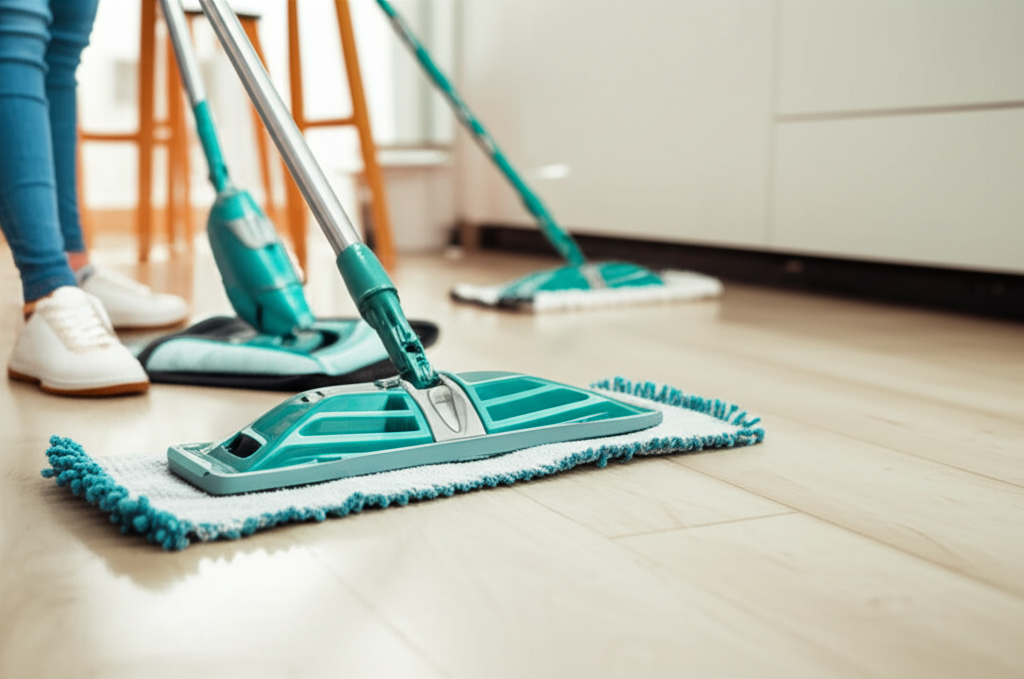
Microfiber mops are a top choice for linoleum. Their special fibers grab dirt and grime effectively. They use less water than traditional mops, which is great for linoleum. This also means they dry faster, reducing the risk of water damage. Many microfiber mops come with washable pads, saving you money and being eco-friendly.
Pros:
Excellent at picking up dust and debris.
Requires minimal water, protecting linoleum finish.
Machine-washable pads are reusable and cost-effective.
Lightweight and easy to maneuver.
Cons:
May require more elbow grease for tough, dried-on stains.
Initial cost can be higher than basic string mops.
Key Takeaway: Microfiber mops offer a safe and effective way to clean linoleum, lifting dirt without excessive moisture.
Sponge Mops: A Classic Choice with Caveats
Sponge mops have been around for a long time. They absorb spills well, which is a plus. However, they can hold a lot of water. You must wring them out very thoroughly before mopping linoleum. If too wet, they can leave streaks or damage the floor’s finish. Look for models with good wringing mechanisms to control moisture.
Pros:
Great at soaking up liquid spills.
Can scrub away some stuck-on dirt.
Widely available and often inexpensive.
Cons:
Risk of over-wetting linoleum if not wrung out properly.
Can push dirt around if not rinsed frequently.
Sponges can wear out and need replacing.
Key Takeaway: Sponge mops can work, but careful wringing is crucial to avoid water damage and streaks on linoleum.
Steam Mops: High-Tech Cleaning Power
Steam mops use hot steam to clean and sanitize. They kill germs without chemicals, which is a benefit. The steam also loosens dirt, making it easy to wipe away. However, not all linoleum is suitable for steam. Older linoleum or linoleum with a worn finish can be damaged by the heat and moisture. Always check the manufacturer’s recommendations for your specific linoleum.
Pros:
Sanitizes floors without harsh chemicals.
Loosens tough dirt effectively.
Dries quickly due to the heat.
Cons:
Not suitable for all types of linoleum; check manufacturer guidelines.
Requires electricity and can be heavier.
Initial purchase price is higher.
Key Takeaway: Steam mops offer deep cleaning for compatible linoleum but require careful consideration of floor type and manufacturer advice.
Flat Mops vs. String Mops for Linoleum
Flat mops, often with microfiber pads, are excellent for linoleum. They distribute water evenly and are easy to control. String mops, while absorbent, can be harder to wring out enough for linoleum. They tend to leave more water behind, which is not ideal. For the best results and to protect your linoleum, flat microfiber mops are usually the superior choice.
Top Picks: The Best Mops for Linoleum Floors
After reviewing various options, several mops stand out for their performance on linoleum. These mops balance cleaning power with floor safety. They help you achieve that desired effortless shine without worry.
1. O-Cedar EasyWring Microfiber Spin Mop
This mop is a customer favorite for a reason. Its triangular head reaches corners easily. The bucket has a built-in spinner that wrings out the mop head to your desired dampness. This is perfect for linoleum, as it controls moisture precisely. The microfiber head is washable and reusable, making it economical and eco-friendly.
Why it’s great for linoleum: The spin mechanism allows for minimal water use, preventing damage to the linoleum’s finish. Its microfiber head effectively traps dirt and dust. It’s easy to use and store.
2. Swiffer WetJet Floor Cleaner
The Swiffer WetJet is a convenient, all-in-one system. It uses a spray mop with a cleaning solution and disposable pads. It’s quick for everyday touch-ups and light cleaning. The solution is designed to dry fast, reducing the risk of over-wetting. Ensure you use the correct solution for linoleum floors.
Why it’s great for linoleum: It offers controlled spray of cleaning solution. The pads absorb dirt effectively. It’s very fast for quick cleanups, perfect for busy households.
3. Bona Hardwood Floor Premium Spray Mop (with Linoleum Adaptable Pad)
While named for hardwood, Bona offers excellent spray mops that can be adapted for linoleum. Their cleaning solution is pH-neutral and safe for most floor finishes. The mop provides a light mist of cleaner, not soaking the floor. You can often purchase specific pads designed for linoleum or multi-surface use. Always confirm pad compatibility.
Why it’s great for linoleum: Uses a gentle, pH-neutral cleaner. The spray mechanism ensures minimal moisture. It’s designed for streak-free cleaning.
4. Bissell PowerFresh Steam Mop (Check Linoleum Compatibility)
For a deeper clean, the Bissell PowerFresh can be an option, but with a crucial caveat. You must verify that your specific linoleum flooring is steam mop safe. Many modern linoleum floors are not. If yours is compatible, it offers chemical-free sanitization and effective dirt removal. Use the lowest steam setting if approved.
Why it’s great for linoleum (if compatible): Sanitizes without chemicals. Lifts grime effectively. Dries very quickly.
How to Choose the Right Mop for Your Linoleum
Selecting the best mop for linoleum floors involves a few key considerations. Think about your floor’s condition, your cleaning habits, and what type of clean you need.
Check Your Linoleum’s Finish
Newer linoleum often has a durable, sealed finish. Older linoleum might have a worn or unprotected surface. For sealed linoleum, most mops will work if used correctly. For older or unsealed linoleum, stick to very damp mops and gentle cleaners. A quick test in an inconspicuous area can reveal how your floor reacts to moisture.
Consider Ease of Use and Storage
You want a mop that is comfortable to use and easy to store. Lightweight mops are better for frequent cleaning. Mops with collapsible handles or compact bucket designs take up less space. A mop you enjoy using will lead to cleaner floors more often.
Water Usage is Key
The most important factor for linoleum is water control. Excessive water can seep into seams, causing swelling and damage. It can also break down the adhesive holding the linoleum down. Always choose a mop that allows you to control how much water it uses. Microfiber and spray mops excel here.
Essential Linoleum Cleaning Solutions
The cleaner you use matters as much as the mop. Harsh chemicals can strip the finish and dull your linoleum. Stick to pH-neutral cleaners or those specifically formulated for linoleum.
Gentle, pH-Neutral Cleaners
These cleaners are designed to clean without damaging the floor’s protective layer. They are usually safe for most sealed floors, including linoleum. Always dilute according to the product’s instructions. You can find many reputable brands at your local hardware store.
DIY Cleaning Solutions
A simple mixture of warm water and a small amount of mild dish soap can work for routine cleaning. Alternatively, a solution of water and white vinegar (one part vinegar to ten parts water) can also be effective. However, use vinegar sparingly, as too much can dull some finishes over time. Always rinse thoroughly with plain water afterward.
Authority Link: According to the U.S. Environmental Protection Agency (EPA), using cleaning products with neutral pH is recommended to protect flooring surfaces. https://www.epa.gov/ (Note: Specific EPA page on floor cleaning is hard to pinpoint directly, this links to the main EPA site for authority).
Mopping Technique for a Streak-Free Shine
Even with the best mop, technique matters. Proper mopping ensures your linoleum looks its best and stays protected.
Step-by-Step Mopping Process
1. Sweep or Vacuum First: Always remove loose dirt, dust, and debris before mopping. This prevents scratching and creates a cleaner surface.
2. Prepare Your Mop and Solution: If using a traditional mop, wring it out until it’s just damp. For spray mops, ensure the solution level is appropriate.
3. Mop in Sections: Work in small sections. Mop in a straight line or a gentle S-pattern.
4. Rinse and Wring Often: For traditional mops, rinse the mop head frequently in clean water. Wring it out thoroughly each time.
5. Change Water as Needed: If your mop water becomes dirty, change it. Clean water ensures you are not spreading grime.
6. Allow to Dry: Let the floor air dry completely before walking on it. This prevents new marks and ensures the finish is protected.
Avoiding Streaks and Water Spots
The key to avoiding streaks is to use as little water as possible. A mop that is too wet will leave behind residue. Also, ensure you are using a clean mop head and clean water. If you notice streaks, it might be time to rinse your mop head or change your cleaning solution.
Maintaining Your Mop for Linoleum Longevity
To ensure your mop continues to work well on your linoleum, proper maintenance is essential. A clean mop cleans better and lasts longer.
Cleaning Microfiber Mops
After each use, rinse your microfiber mop pad thoroughly. Most pads can be machine washed with mild detergent. Avoid using fabric softeners, as they can reduce the microfiber’s effectiveness. Air dry them or tumble dry on low heat.
Caring for Sponge Mops
Rinse the sponge head thoroughly after each use. Squeeze out as much water as possible. Store the mop with the sponge head elevated to allow air circulation and prevent mildew. Replace the sponge head when it becomes worn or discolored.
Maintaining Spray Mops
Empty the cleaning solution reservoir after each use. Rinse the reservoir and the mop head attachment. Allow all parts to dry completely before reassembling or storing. This prevents mold and ensures the spray mechanism works efficiently.
Frequently Asked Questions About Mops for Linoleum
Here are answers to common questions about keeping linoleum floors clean and shiny.
Q1: Can I use a regular string mop on linoleum floors?
A1: You can, but you must wring it out extremely well. A string mop holds a lot of water, which can damage linoleum if used too wet. A damp mop is much safer for linoleum.
Q2: Is it okay to use a steam mop on linoleum?
A2: It depends on your linoleum. Many manufacturers advise against steam mops as the heat and moisture can damage the finish or the material itself. Always check your flooring’s warranty or manufacturer’s guidelines first.
Q3: What kind of cleaner is best for linoleum?
A3: Use a pH-neutral cleaner or one specifically made for linoleum. Avoid abrasive cleaners, ammonia, or strong detergents. A simple mix of warm water and a little mild dish soap is often sufficient.
Q4: How often should I mop my linoleum floors?
A4: For best results, mop your linoleum floors once a week. You can spot clean spills as they happen. More frequent mopping might be needed in high-traffic areas.
Q5: How do I get rid of streaks on my linoleum floor after mopping?
A5: Streaks usually happen from too much water or dirty cleaning solution. Try wringing your mop out more thoroughly, changing your water more often, or using a different, gentler cleaning solution. Ensure your mop pads are clean.
Q6: Can I use a vacuum cleaner with a beater bar on linoleum?
A6: It’s best to avoid vacuum cleaners with a rotating beater bar on linoleum. The stiff bristles can scratch or damage the floor’s finish. Use a vacuum with a soft brush roll or a suction-only setting instead.
Conclusion: Effortless Shine for Your Linoleum
Keeping your linoleum floors looking their best doesn’t have to be a struggle. By choosing the best mops for linoleum floors, you can achieve an effortless shine with ease. Microfiber mops, particularly those with excellent wringing capabilities like the O-Cedar EasyWring, offer a safe and effective cleaning experience. Always remember to use minimal water and appropriate cleaning solutions to protect your linoleum’s finish. With the right tools and a simple technique, your linoleum floors will shine, making your home feel brighter and cleaner. For more home cleaning tips, consider exploring our other guides.
