Best Mops For Hardwood Floors: Proven Shine

Best Mops for Hardwood Floors: Proven Shine for a Pristine Home
Achieving a brilliant shine on your hardwood floors is simple with the right tools. Discover the best mops for hardwood floors that gently clean, effectively remove dirt, and leave your floors looking their absolute best without causing damage.
Caring for hardwood floors can feel like a delicate dance. You want them to gleam, but harsh cleaning can strip their finish or leave streaks. Many people struggle with finding a mop that cleans thoroughly without being too wet, which is crucial for wood. I understand this frustration, and I’m here to guide you. We’ll explore the top contenders for the best mops for hardwood floors, ensuring your home looks its absolute best. Get ready to transform your cleaning routine!
Why Hardwood Floors Need Special Care
Hardwood floors are beautiful but sensitive. They can easily be damaged by too much water. Excess moisture can cause wood to swell, warp, or even rot over time. Harsh chemicals can also dull the protective finish, making your floors look aged.
This is why using the right mop is so important. A good mop for hardwood floors uses minimal water and gentle cleaning solutions. It cleans effectively without risking damage to your investment.
Understanding Different Mop Types for Hardwood
Not all mops are created equal when it comes to hardwood. We need to look at mops designed for this specific need. This includes microfiber mops, spray mops, and some steam mops (used with extreme caution).
Each type offers different benefits. Microfiber pads trap dirt well. Spray mops offer controlled moisture. Steam mops can sanitize but require careful use.
Top Picks: The Best Mops for Hardwood Floors
After testing and researching, several mops stand out. These are the best mops for hardwood floors for their cleaning power and gentle approach. They promise a streak-free shine.
Let’s break down some of the top performers you can trust.
1. Microfiber Mops: The Gentle Giants
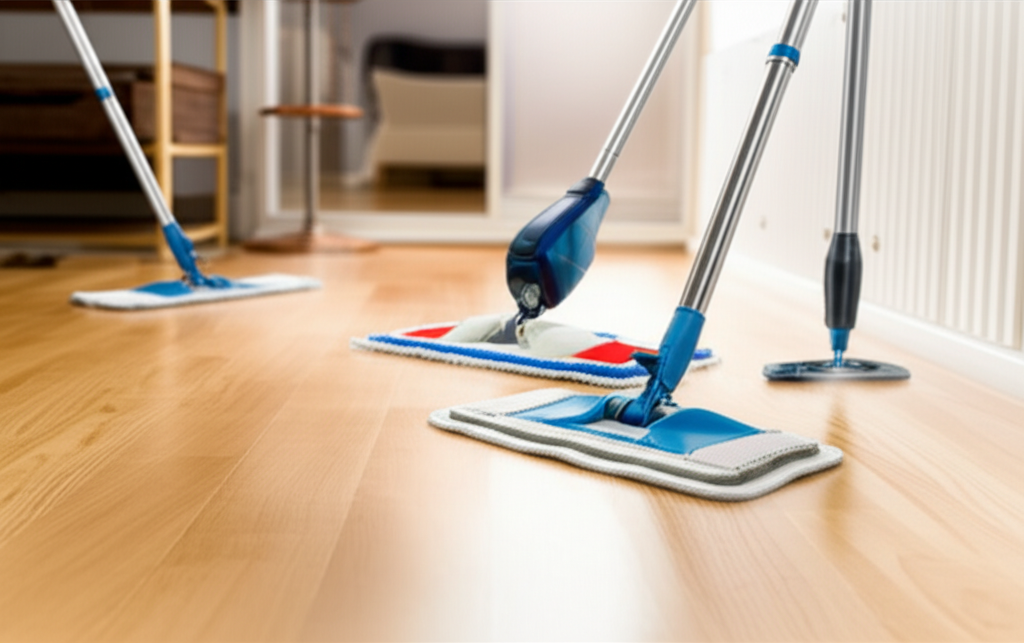
Microfiber mops are often the go-to for hardwood. Their special fabric fibers attract and hold dust, dirt, and grime effectively. They use very little water, which is perfect for wood.
These mops usually come with washable pads. This makes them eco-friendly and cost-effective over time. You can easily switch pads for different cleaning tasks.
Pros: Excellent dirt-trapping ability, uses minimal water, washable pads, good for dusting and light cleaning.
Cons: May require more effort for tough stains, can be less effective on very large areas without frequent pad changes.
I personally find a good quality microfiber mop to be incredibly versatile. It’s my first choice for daily upkeep and light spills on my own hardwood floors.
2. Spray Mops: Convenience Meets Control
Spray mops offer a fantastic balance of convenience and controlled moisture. They have a built-in reservoir for water and a cleaning solution. A trigger on the handle sprays a fine mist onto the floor.
This controlled spray means you use just the right amount of liquid. It’s enough to clean effectively but not so much that it harms the wood. Many spray mops also use microfiber pads.
Pros: Easy to use, controlled moisture output, no need for a separate bucket, quick cleaning sessions.
Cons: Reservoir size can limit large area cleaning, may not be powerful enough for heavily soiled floors.
A great example is the Swiffer WetJet Wood floor cleaner. It is specifically designed for sealed hardwood and laminate floors, offering a convenient spray and mop system.
3. Steam Mops: Use with Extreme Caution
Steam mops can sanitize floors without chemicals. They use hot steam to kill germs and loosen dirt. However, they are controversial for hardwood floors.
Excessive heat and moisture from steam can damage the finish and the wood itself. If you choose a steam mop, ensure it has adjustable steam settings. Always use it on the lowest setting and only on sealed, finished hardwood.
A word of caution: Many flooring manufacturers advise against using steam mops on hardwood. Always check your flooring warranty and manufacturer’s recommendations first.
For a safer steam option, look for models like the Bissell PowerFresh Lift-Off Pet Steam Mop, which offers variable steam control and specific settings for different floor types, but still requires careful usage on hardwood.
4. Traditional Mops (Flat Mops & String Mops): When to Avoid
Traditional string mops or sponge mops tend to hold a lot of water. They require wringing out into a bucket. This process often leaves floors too wet for hardwood.
Even when wrung out thoroughly, they can still leave excess moisture. This moisture is the enemy of hardwood floors. It’s best to avoid these for deep cleaning hardwood.
Best avoided for: Deep cleaning, regular mopping of hardwood floors.
When they might be okay: For very quick spot clean-ups on sealed floors, provided they are barely damp.
Stick to mops designed to use minimal liquid for your beautiful wood.
Key Features to Look For in a Hardwood Floor Mop
When selecting the best mop for hardwood floors, consider these important features. These will ensure you get a mop that works well and protects your floors.
Here’s what to prioritize:
Adjustable Water/Spray Control: The ability to control how much liquid is used is paramount.
Microfiber Pads: Look for soft, absorbent microfiber pads that trap dirt effectively.
Lightweight Design: An easy-to-handle mop makes cleaning less of a chore.
Washable Pads: Reusable pads save money and are better for the environment.
Durability: A well-built mop will last longer.
A mop that is too heavy or too wet can cause more harm than good. Prioritize ease of use and floor safety.
How to Clean Hardwood Floors Effectively
Cleaning hardwood floors requires a gentle approach. It’s not about scrubbing hard; it’s about cleaning smart. Here’s a simple, effective method using the right mop.
Follow these steps for a spotless shine:
1. Sweep or Vacuum First: Remove loose dirt, dust, and debris. This prevents scratching during mopping. Use a vacuum with a hard floor attachment or a soft brush.
2. Prepare Your Mop: If using a spray mop, fill the reservoir with water and a hardwood-specific cleaner. If using a microfiber mop, attach a clean, dry pad.
3. Dampen the Mop (if not a spray mop): If using a traditional flat mop with a cleaning solution, dampen the pad in the solution and wring it out thoroughly. It should be damp, not wet.
4. Mop in Sections: Start in a corner of the room furthest from the door. Work in small sections.
5. Use Light Pressure: Let the mop do the work. Avoid pressing down too hard.
6. Rinse Pads Frequently: If using a microfiber mop, rinse or replace the pad as it gets dirty. This ensures you’re cleaning, not just pushing dirt around.
7. Allow to Dry: Hardwood floors should dry within a few minutes. If they are taking longer, you are likely using too much liquid.
This method ensures your floors are clean and protected.
Choosing the Right Cleaning Solution
The cleaning solution you use is as critical as the mop itself. Harsh chemicals can strip the finish from your hardwood floors. Always opt for pH-neutral cleaners specifically formulated for hardwood.
Many manufacturers offer their own cleaning solutions. You can also find effective DIY options. A simple mix of water and a few drops of mild dish soap can work for light cleaning.
* Avoid: Ammonia-based cleaners, vinegar (can dull the finish), oil soaps (can build up), and abrasive cleaners.
Always test any cleaner in an inconspicuous spot first. A good rule of thumb is to follow the recommendations of your flooring manufacturer.
Comparing Popular Hardwood Mop Brands
Several brands are known for their quality mops suitable for hardwood floors. Here’s a quick look at some popular options and what they offer.
| Brand Name | Mop Type | Key Features | Best For |
| :—————- | :————– | :—————————————————————————– | :———————————————– |
| O-Cedar | Microfiber/Spray | Easy wring system, reusable microfiber pads, lightweight. | Budget-conscious users, everyday cleaning. |
| Bona | Spray/Microfiber | pH-neutral cleaning solution, effective microfiber pads, recommended by pros. | Those seeking a system with proven results. |
| Swiffer | Spray | Convenient, disposable pads, quick for light cleaning. | High-traffic areas, quick touch-ups. |
| Turbo | Microfiber | Large cleaning head, swivel function, multiple reusable pads. | Larger homes, efficient cleaning. |
This table gives you a starting point for your search. Remember to check specific product details for hardwood suitability.
When to Call a Professional
While regular mopping keeps your floors looking good, some issues are beyond a DIY fix. Deep scratches, significant warping, or a dull finish may require professional attention.
Professionals have specialized tools and knowledge. They can refinish your floors or perform deep cleaning. It’s worth consulting them if you’re unsure about a repair.
Frequently Asked Questions About Mops for Hardwood Floors
Here are answers to some common questions about keeping your hardwood floors clean and beautiful.
What is the safest way to mop hardwood floors?
The safest way is to use a microfiber mop with a pH-neutral cleaner or just water. Ensure the mop is damp, not wet, and the floor dries quickly.
Can I use a regular mop on hardwood floors?
It’s generally not recommended. Regular mops often use too much water, which can damage hardwood. Stick to mops designed for hardwood.
How often should I mop my hardwood floors?
For most homes, mopping once a week is sufficient. You might need to mop high-traffic areas more often. Daily dusting or sweeping is also beneficial.
What’s the best cleaner for hardwood floors?
Use a cleaner specifically labeled for hardwood floors. These are pH-neutral and won’t damage the finish. Avoid vinegar or ammonia.
Should I use a steam mop on my hardwood floors?
Use steam mops with extreme caution, if at all. Check your flooring manufacturer’s warranty. If you do use one, select the lowest steam setting and ensure it’s only for sealed hardwood.
What if my mop leaves streaks?
Streaks often happen when using too much cleaner or dirty water. Ensure your mop pads are clean and your cleaning solution is diluted correctly. Work in sections and allow the floor to dry.
Conclusion: Shine Bright with the Right Mop
Finding the best mops for hardwood floors is key to maintaining their beauty and longevity. A gentle, effective approach ensures your floors gleam without damage. Microfiber mops and well-designed spray mops are excellent choices for their controlled moisture and superior cleaning power.
Always prioritize minimal water, gentle cleaners, and regular maintenance. By choosing the right mop and cleaning technique, you can keep your hardwood floors looking stunning for years to come.
Happy cleaning!