Best Mops For Kitchen Floors: Genius Cleaning

Find the best mops for kitchen floors that make cleaning quick and easy, tackling spills and grime effectively for a sparkling, hygienic space.
Cleaning your kitchen floor can feel like a chore, especially with constant spills and foot traffic. You want a floor that looks clean and is truly hygienic. But with so many mops out there, which one is right for you? This guide will help you find the perfect mop. We’ll look at different types and features to make your kitchen shine.
Why the Right Mop Matters for Kitchen Floors
The best mops for kitchen floors are essential for a healthy home. Kitchens are hubs for food preparation and activity. This means they gather more dirt, grease, and germs than other rooms. A good mop not only cleans visible messes but also sanitizes the surface. It helps prevent the spread of bacteria and keeps your family safe. Choosing the wrong mop can leave streaks or spread dirt around. This makes the job harder and less effective.
Understanding Different Mop Types for Kitchens
Different mops work best for different kitchen floor types and cleaning needs. It’s like picking the right tool for a specific job. Let’s explore the most popular options to help you decide.
1. Microfiber Mops: The All-Around Champion
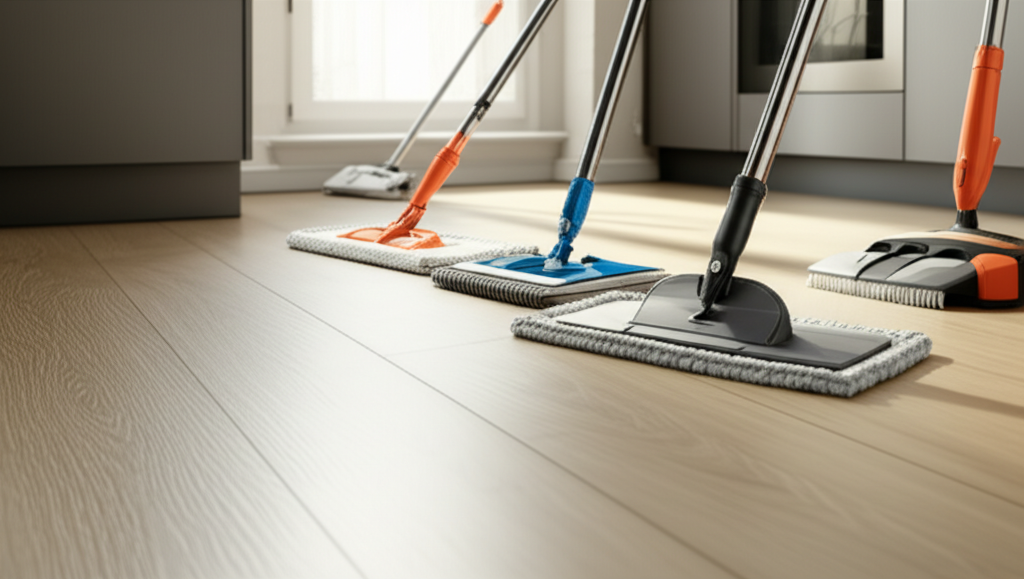
Microfiber mops are incredibly popular for a reason. Their special fabric traps dirt and absorbs liquids very well. They are gentle on most kitchen floor surfaces. This makes them a safe choice for tile, laminate, and sealed hardwood. They are also great for everyday spills.
Pros: Highly absorbent, traps dirt and bacteria effectively, machine washable, lightweight.
Cons: Can sometimes push fine dust around if not used correctly, may require more effort for tough, dried-on stains.
2. Steam Mops: For a Deep, Chemical-Free Clean
Steam mops use the power of steam to clean and sanitize your floors. They are excellent for killing germs and bacteria without using harsh chemicals. This is a big plus for kitchens where food is prepared. Steam mops work well on sealed hard floors like tile and vinyl. Always check if your floor type can handle steam.
Pros: Sanitizes effectively, no chemicals needed, breaks down grease and grime with heat.
Cons: Not suitable for unsealed floors, can leave floors very wet, requires a power outlet.
A great example of a reliable steam mop is the Bissell PowerFresh Steam Mop. It’s known for its effectiveness on tough kitchen messes.
3. Spin Mops: Easy Wringing for Perfect Dampness
Spin mops feature a bucket with a special mechanism. This allows you to wring out the mop head easily. You get the perfect amount of dampness for your floors. This prevents over-wetting, which is bad for wood or laminate floors. They are great for kitchens with mixed floor types.
Pros: Easy to control moisture, good for various floor types, ergonomic wringing action.
Cons: Bucket can be bulky, mop head fibers might not be as effective as microfiber at trapping fine dirt.
4. Sponge Mops: The Classic Choice for Spills
Sponge mops have been around for a long time. They are good at soaking up large spills quickly. The sponge head can be quite absorbent. However, they can sometimes push dirt around instead of picking it up. They also need to be cleaned and dried properly to avoid mold.
Pros: Excellent for soaking up liquid spills, readily available.
Cons: Can spread dirt, sponge can harbor bacteria if not cleaned well, requires manual wringing.
5. Flat Mops: Modern and Versatile
Flat mops have a rectangular head. They are often used with a spray bottle or a special cleaning solution. They are lightweight and easy to maneuver under cabinets and furniture. Many flat mops come with washable microfiber pads. This makes them an eco-friendly and efficient option.
Pros: Lightweight, easy to store, good for quick cleanups, reaches tight spaces.
Cons: May not be as absorbent for large spills as other types, might require more passes for deep cleaning.
Key Features to Look For in a Kitchen Mop
When choosing the best mops for kitchen floors, consider these important features. They will help you get the cleanest and most efficient results.
Absorbency and Cleaning Power
The mop head material is key. Microfiber is excellent for trapping dirt and absorbing spills. For tougher grease, steam mops offer powerful cleaning. Look for mop heads that are designed to lift grime, not just push it around.
Durability and Material Quality
A good mop should last a long time. Check for sturdy handles and well-made mop heads. Washable and replaceable heads are a big advantage. This ensures your mop stays hygienic and effective. High-quality materials mean less waste and better value.
Ease of Use and Maneuverability
You’ll be using your mop often. It should be lightweight and easy to handle. Consider how well it turns corners and reaches under appliances. A swivel head can make a big difference. The wringing mechanism should also be simple and effective.
Water/Solution Management
Some mops require a bucket, while others have built-in reservoirs or sprayers. Think about how you prefer to apply cleaning solution. For sensitive floors, a mop that allows precise control over moisture is best. This prevents damage from excess water.
Top Picks: Best Mops for Kitchen Floors in 2024
After reviewing many options, here are some of the best mops for kitchen floors. These are chosen for their performance, ease of use, and value.
| Mop Type | Brand Example | Best For | Key Feature |
| :————– | :———————— | :——————————————- | :———————————————– |
| Microfiber | O-Cedar ProMist MAX | Everyday cleaning, spills, all sealed floors | Refillable spray bottle, washable pads |
| Steam Mop | Shark Genius Steam Pocket | Sanitizing, tough grease, tile & sealed floors | High-heat steam, dual-sided cleaning head |
| Spin Mop | O-Cedar EasyWring | Moisture control, various floor types | Foot pedal for easy wringing, microfiber bucket |
| Flat Mop | Swiffer WetJet Wood Floor | Quick cleanups, sealed wood & laminate floors | Lightweight, disposable pads, light spray |
Note: Always check product specifications for compatibility with your specific kitchen floor type.
How to Choose Based on Your Floor Type
Your kitchen floor material plays a huge role in selecting the right mop. Using the wrong mop can cause damage. Here’s a quick guide:
Tile and Grout: Most mops work well. Steam mops are great for sanitizing grout. Microfiber mops are excellent for general cleaning.
Laminate and Vinyl: Avoid over-wetting. Microfiber or flat mops with controlled moisture are ideal. Spin mops offer good moisture control.
Sealed Hardwood: Use very little water. Microfiber mops with a damp pad are best. Some spray mops are designed for wood. Always check manufacturer recommendations.
Natural Stone (Granite, Marble): These are porous. Use pH-neutral cleaners and a very damp microfiber mop. Avoid steam mops, which can damage the sealant.
For example, if you have sealed natural stone floors, a pH-neutral cleaner specifically for stone is essential. Pair it with a microfiber flat mop for gentle cleaning.
Genius Cleaning Tips for Sparkling Kitchen Floors
Beyond having the right mop, smart techniques make cleaning easier. Here are some genius tips:
1. Clean Spills Immediately: Don’t let spills sit. The longer they are there, the harder they are to remove.
2. Sweep or Vacuum First: Always remove loose dirt and debris before mopping. This prevents spreading mud and grit.
3. Use the Right Amount of Water: Too much water can damage floors, especially wood and laminate. Wring your mop well.
4. Change Your Mop Water Often: Dirty water just moves dirt around. Refill your bucket with clean water as soon as it looks cloudy.
5. Wash Mop Heads Regularly: For reusable mop heads, wash them after each use. This keeps them effective and hygienic.
6. Don’t Forget Grout Lines: For tile floors, use a mop designed to get into grout lines or a separate grout brush.
Maintaining Your Mop for Longevity
To get the most out of your cleaning tools, proper maintenance is key. This ensures your mop stays effective and hygienic for longer.
Rinse Thoroughly: After each use, rinse the mop head under clean water. Remove all soap residue and dirt.
Dry Completely: Hang your mop to air dry completely. This prevents mildew and odors. Never store a damp mop in a closed container.
Wash Reusable Pads: Follow the manufacturer’s instructions for washing microfiber pads or mop heads. Usually, a gentle cycle with mild detergent is best. Avoid fabric softeners, as they can reduce absorbency.
Inspect for Wear: Periodically check your mop for any signs of damage. Replace worn-out mop heads or damaged handles to maintain cleaning performance.
Frequently Asked Questions About Kitchen Mops
What is the best mop for greasy kitchen floors?
For greasy floors, a steam mop is often the best choice. The heat from the steam effectively breaks down and lifts grease. A good quality microfiber mop used with a degreasing cleaner can also be very effective.
Can I use a regular mop on my kitchen tile?
Yes, most regular mops like microfiber, spin, or flat mops work well on kitchen tile. For deep cleaning and sanitizing, a steam mop is also an excellent option for tile. Just ensure it’s suitable for your specific tile type.
How often should I mop my kitchen floor?
It’s a good idea to mop your kitchen floor at least once a week. However, for high-traffic kitchens or after significant spills, you might need to mop more often. Quick spot cleaning of spills is always recommended.
Are spin mops good for hardwood floors?
Spin mops can be used on sealed hardwood floors, but with caution. Ensure you wring the mop head out very well so it’s only slightly damp. Over-wetting can damage hardwood floors, causing warping or staining.
What’s the difference between a mop and a scrubber?
A mop is primarily for cleaning and absorbing liquids on floors. A scrubber, on the other hand, is designed for tougher tasks like removing stuck-on dirt or grime. Some mops have scrubbing capabilities, but dedicated scrubbers offer more power for tough jobs.
Conclusion: Your Kitchen Deserves the Best
Finding the best mops for kitchen floors is about more than just making them look clean. It’s about creating a hygienic space for your family. Whether you choose the all-around performance of a microfiber mop, the sanitizing power of steam, or the convenience of a spin mop, the right tool makes a huge difference. Consider your floor type, your cleaning needs, and your personal preferences. With the right mop and a few smart techniques, your kitchen floors will be sparkling clean and hygienic with less effort.
I hope this guide helps you make an informed choice. Happy cleaning!