
Best Couch Upholstery Cleaner: Proven Results

The best couch upholstery cleaner tackles stains and odors effectively, keeping your furniture looking fresh. We explore top-rated options and proven methods to restore your couch’s beauty, ensuring lasting results and a cleaner home environment.
Your couch is the heart of your living room. Spills, dirt, and everyday life can leave it looking less than its best. Finding the best couch upholstery cleaner can feel overwhelming with so many choices. But don’t worry, I’m here to guide you through it. We’ll explore what makes a cleaner effective and how to achieve proven results. Get ready to refresh your sofa and enjoy a cleaner, more inviting space.
What Makes a Couch Upholstery Cleaner “Best”?
The best couch upholstery cleaner works on multiple fronts. It needs to lift stains without damaging fabric. It should also neutralize odors, not just mask them. Effective cleaners often use enzymes or specialized surfactants. These ingredients break down grime and allergens. The best options are also safe for most common upholstery types.
Top-Rated Couch Upholstery Cleaners for Proven Results
After extensive research, several cleaners stand out for their effectiveness. We’ve looked at customer reviews and expert recommendations. These products consistently deliver great results. They tackle common household stains like coffee, wine, and pet accidents.
Here are some of the top contenders for the best couch upholstery cleaner:
Bissell PRO URL Cleaner: This is a popular choice for deep cleaning. It works well on fabric sofas.
Folex Instant Carpet and Upholstery Cleaner: Known for its spray-and-wipe simplicity. It’s great for quick spot treatments.
Puracy Natural Upholstery & Fabric Cleaner: A good option if you prefer natural ingredients. It’s effective and eco-friendly.
Rocco & Roxie Supply Co. Stain & Odor Eliminator: Excellent for pet owners. It tackles tough pet messes.
These cleaners offer different strengths. Your choice depends on your specific needs and couch material.
How to Choose the Right Couch Upholstery Cleaner for Your Fabric
Not all cleaners are suitable for every couch. You must consider your upholstery type. Check the manufacturer’s care tag first. It will often have a cleaning code. ‘W’ means water-based cleaners are okay. ‘S’ means solvent-based cleaners are needed. ‘W/S’ means either can be used. ‘X’ means professional cleaning is recommended. Using the wrong cleaner can cause damage.
Always test any cleaner in an inconspicuous spot. This is usually on the back or underside of the couch. Wait for it to dry completely. This ensures there are no color changes or fabric damage. This simple step is crucial for preventing costly mistakes.
Understanding Upholstery Cleaning Codes: A Crucial Step
Cleaning codes are your guide to safe upholstery cleaning. They are usually found on a tag sewn into the furniture. These codes dictate the types of cleaning solutions you can use. Understanding them prevents irreversible damage to your sofa. For example, a code ‘S’ fabric requires a solvent-based cleaner. Using water on it could lead to water stains or shrinking.
Here’s a quick look at the common codes:
| Code | Cleaning Method | Allowed Cleaners |
| :— | :——————————————– | :—————————- |
| W | Water-based cleaners | Water, mild soap, steam |
| S | Solvent-based cleaners (water-free) | Dry cleaning solvents |
| W/S | Water-based or solvent-based cleaners | Both options can be used |
| X | Vacuuming only, no liquids | Professional cleaning advised |
Always refer to your furniture’s care tag for precise instructions. This information is vital for maintaining your couch’s integrity.
DIY vs. Commercial Couch Upholstery Cleaners: What’s Better?
DIY cleaners can be cost-effective for minor issues. A mix of mild dish soap and water can tackle light dirt. White vinegar is also useful for odor removal. However, commercial cleaners are often formulated for specific stains. They contain stronger agents that can lift deep-set grime. For tough stains or delicate fabrics, a commercial product is usually the best couch upholstery cleaner.
Commercial products are designed for optimal performance. They are tested for effectiveness and safety on various materials. While DIY is an option, it might not always yield the best results for stubborn problems.
The Power of Enzyme Cleaners for Tough Stains
Enzyme cleaners are a game-changer for organic stains. Think pet accidents, food spills, or vomit. These cleaners use biological enzymes to break down the stain molecules. They actually “eat” the stain and odor at its source. This makes them incredibly effective for deep cleaning. They are often the best couch upholstery cleaner for pet owners.
Enzymes continue working until the stain is gone. This is different from many chemical cleaners. They require a bit of dwell time to work their magic. Always follow the product instructions for best results.
How to Use Your Couch Upholstery Cleaner Effectively: A Step-by-Step Guide
Using the best couch upholstery cleaner correctly is key. Start by vacuuming your couch thoroughly. This removes loose dirt and debris. Next, test the cleaner on a hidden spot. Apply the cleaner according to the product’s instructions. Most require spraying and blotting, not rubbing. Rubbing can spread the stain and damage fibers.
Blot the stained area gently with a clean cloth. Work from the outside of the stain inward. This prevents the stain from spreading further. Rinse the area with a damp cloth if needed. Allow the couch to air dry completely. Proper technique ensures you get the best results.
Here’s a simple process:
1. Vacuum: Remove all loose dirt.
2. Spot Test: Apply cleaner to an unseen area. Wait for it to dry.
3. Apply Cleaner: Spray directly onto the stain or onto a cloth.
4. Blot Gently: Use a clean cloth, working from outside in.
5. Rinse (if needed): Dampen a cloth with water and blot.
6. Dry: Allow the upholstery to air dry completely.
This methodical approach will help you achieve a cleaner couch.
Addressing Stubborn Stains and Odors with the Best Couch Upholstery Cleaner
Some stains are tougher than others. For grease stains, a degreasing cleaner might be needed. For ink stains, rubbing alcohol can sometimes work, but test carefully. Odors can linger even after stains are removed. Baking soda is a natural deodorizer. Sprinkle it on the couch, let it sit for a few hours, then vacuum it up.
For persistent odors, an enzymatic cleaner is often the best couch upholstery cleaner. These are specifically designed to break down odor-causing molecules. They are a lifesaver for houses with pets or smokers. You can find many effective options on the market.
Maintaining Your Couch: Tips for Long-Term Freshness
Regular maintenance keeps your couch looking great. Vacuum your upholstery weekly. This prevents dirt from settling into the fibers. Rotate cushions regularly. This ensures even wear and tear. Address spills immediately. The sooner you treat a stain, the easier it is to remove.
Consider using a fabric protector spray. This can help repel future spills and stains. Professional cleaning once a year can also help. It deep cleans and refreshes the fabric. These habits contribute to the longevity of your furniture.
Frequently Asked Questions About Couch Upholstery Cleaners
What is the best couch upholstery cleaner for pet stains?
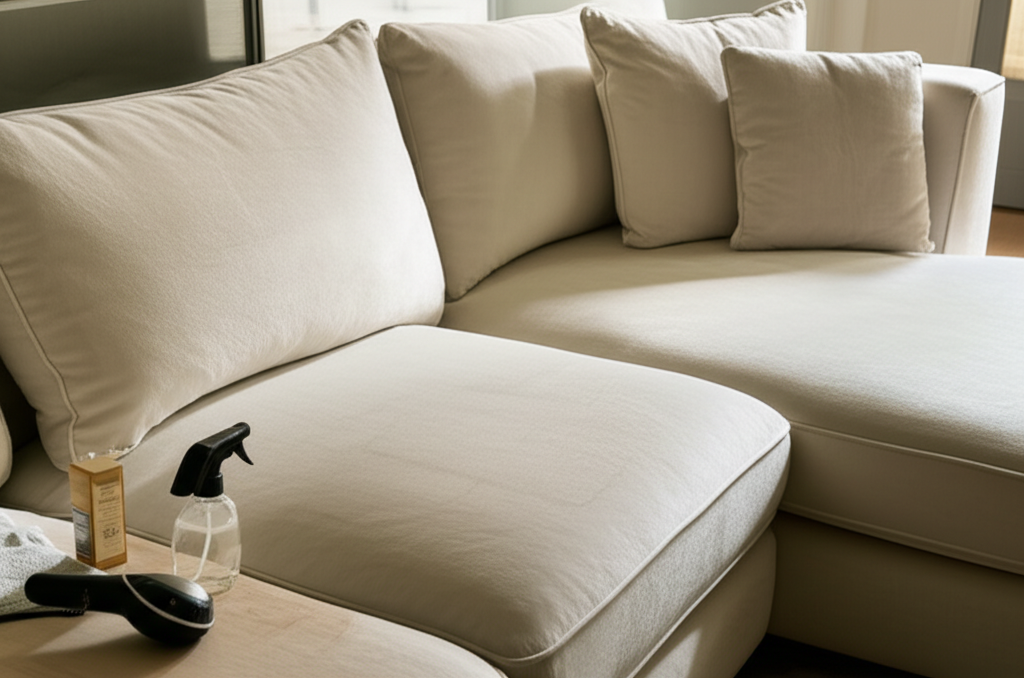
For pet stains, enzymatic cleaners are usually the best couch upholstery cleaner. They break down the organic matter that causes stains and odors. Brands like Rocco & Roxie or Nature’s Miracle are highly recommended.
Can I use carpet cleaner on my couch?
Yes, many carpet cleaners are safe for upholstery. Always check the product label for compatibility. It’s best to use a cleaner specifically designed for upholstery if possible. Always spot test first.
How often should I clean my couch upholstery?
You should vacuum your couch weekly. For deeper cleaning, aim for every 6-12 months. Spot clean spills as they happen. The frequency depends on usage and household factors like pets and children.
Will upholstery cleaner fade my couch color?
Some cleaners can cause fading, especially if they are harsh or not suited for the fabric. Always perform a spot test on an inconspicuous area first. This helps ensure the cleaner won’t damage or discolor your upholstery.
What’s the difference between spot cleaners and overall upholstery cleaners?
Spot cleaners are for immediate stain removal. They are usually more concentrated. Overall upholstery cleaners are for larger areas or general freshening. They are typically milder and cover a wider surface area.
Conclusion: Achieving a Cleaner Couch with the Right Cleaner
Finding the best couch upholstery cleaner involves understanding your fabric and the type of cleaning needed. Whether you opt for a powerful commercial spray or a natural DIY solution, the key is to test first and apply carefully. By following these guidelines, you can effectively tackle stains and odors. This will restore your couch’s beauty and keep it looking fresh for years to come. Your clean and inviting living space awaits.
