Best Air Purifiers For Removing Dust: Proven Clean Air

Best Air Purifiers For Removing Dust: Proven Clean Air for Your Home
Breathe easier with the best air purifiers for removing dust. Discover top-rated models that effectively capture airborne particles, reduce allergens, and create a healthier living environment, ensuring proven clean air throughout your home.
Living with dust can be more than just an annoyance; it can significantly impact your health and comfort. From triggering allergies and asthma to simply making your home feel less inviting, persistent dust is a common frustration for many. Fortunately, advanced air purification technology offers a powerful solution. In this guide, I’ll walk you through identifying the best air purifiers for removing dust, ensuring you can finally achieve that coveted clean air experience. We’ll explore what makes an air purifier effective against dust and highlight models that truly deliver proven results.
Why Dust in Your Home Needs an Air Purifier
Dust isn’t just visible fluff; it’s a complex mix of dead skin cells, pet dander, fabric fibers, pollen, and even tiny insects. These particles, when inhaled, can irritate your respiratory system, leading to sneezing, coughing, and itchy eyes, especially for those with allergies or asthma. An effective air purifier acts as a crucial line of defense, actively trapping these irritants before they settle or you breathe them in. Choosing the right unit means investing in a healthier, more comfortable living space for everyone.
Understanding How Air Purifiers Tackle Dust
The primary mechanism by which air purifiers combat dust relies on their filtration systems. Most effective units employ multi-stage filtration, typically including a pre-filter for larger particles like visible dust bunnies, an activated carbon filter to absorb odors and VOCs, and most importantly, a High-Efficiency Particulate Air (HEPA) filter. A true HEPA filter is certified to capture at least 99.97% of airborne particles as small as 0.3 microns, which includes the vast majority of dust particles and other common allergens.
The Crucial Role of HEPA Filters
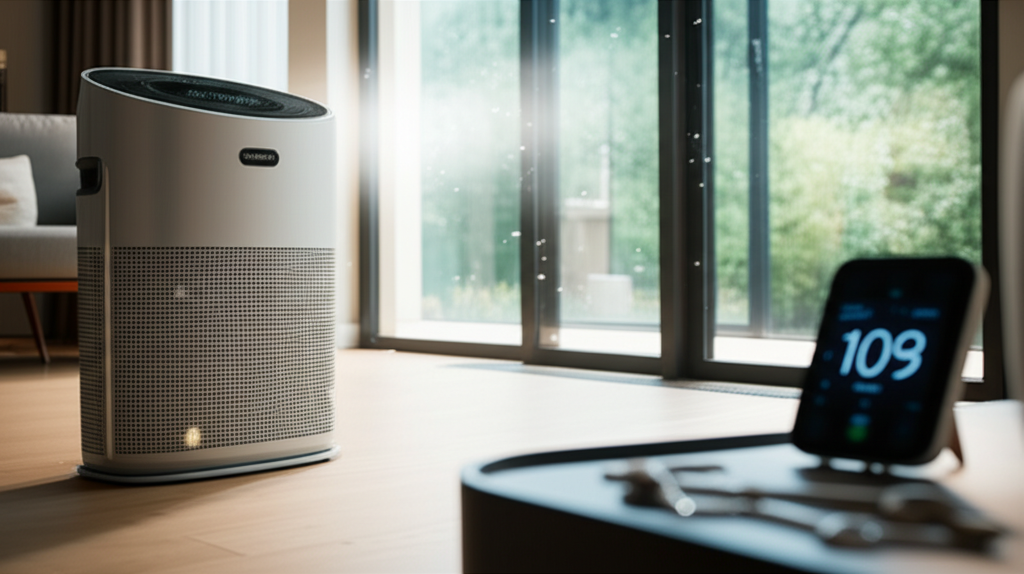
HEPA filters are the gold standard for air purification, especially when it comes to dust. These filters are made from a dense mat of fine fibers, intricately woven to create a physical barrier. As air is drawn through the purifier, dust particles, pollen, pet dander, and mold spores get trapped within these fibers. The 0.3-micron particle size is a critical benchmark, as it represents the most penetrating particle size; smaller and larger particles are actually captured even more efficiently.
Activated Carbon for Odors and Fine Particles
While HEPA filters excel at capturing particulate matter, activated carbon filters play a complementary role. These filters are porous and have a massive surface area, allowing them to adsorb gases, odors, and volatile organic compounds (VOCs) from the air. For dust-related issues, this means not only cleaner air but also fresher air, as lingering smells associated with dust or pet dander are neutralized. This dual action makes units with both HEPA and carbon filters particularly effective for comprehensive dust removal.
Key Features to Look for in a Dust-Removing Air Purifier
When selecting the best air purifiers for removing dust, several features are paramount. Beyond the essential HEPA filter, consider the unit’s coverage area (CADR rating), noise level, energy efficiency, and any smart features. A higher Clean Air Delivery Rate (CADR) indicates a faster and more efficient removal of dust, smoke, and pollen from a given room size. Looking at these specifications will help you find a purifier that meets your specific needs and room dimensions.
Clean Air Delivery Rate (CADR) Explained
The CADR rating, developed by the Association of Home Appliance Manufacturers (AHAM), is a crucial metric for comparing air purifiers. It measures how quickly an air purifier can clean a room of specific pollutants. There are separate ratings for dust, smoke, and pollen. For dust removal, you’ll want to focus on the dust CADR. A higher dust CADR means the purifier is more effective at removing airborne dust particles from your space, leading to cleaner air faster.
Room Size and Coverage Area Considerations
It’s vital to match the air purifier’s coverage area to the size of the room you intend to use it in. Manufacturers typically provide recommendations based on square footage. Using a purifier that’s too small for a large room will result in ineffective dust removal, while an oversized unit might be unnecessarily noisy or consume more energy. Always check the recommended room size and compare it to your actual space for optimal performance and proven clean air.
Noise Levels and Sleep Modes
Air purifiers can vary significantly in noise levels, especially on higher fan settings. For bedrooms or living areas where quiet is important, look for models with low decibel (dB) ratings or specific “sleep modes.” These modes typically reduce fan speed and turn off indicator lights, allowing the purifier to operate almost silently while still working to remove dust. A peaceful environment is as important as clean air, so noise is a key factor.
Energy Efficiency and Cost of Operation
Running an air purifier 24/7 can impact your electricity bill. Look for Energy Star certified models, which are designed to be more energy-efficient. Also, consider the cost and availability of replacement filters. While a higher initial investment in an energy-efficient model might be appealing, factor in the long-term costs of filter replacements to get a true picture of the overall operating expense.
Top-Rated Air Purifiers for Dust Removal (2024)
Based on extensive research and user reviews, several air purifiers consistently stand out for their exceptional dust-removing capabilities. These models combine robust filtration, effective CADR ratings, and user-friendly features to deliver proven clean air. Here are some of the best air purifiers for removing dust that I’ve found to be highly effective:
Coway Airmega 200M: Known for its excellent HEPA filtration and robust performance in medium to large rooms, this model is a top contender for dust removal. Its user-friendly interface and durable design make it a reliable choice.
Levoit Core 300S: A popular choice for smaller to medium spaces, the Levoit Core 300S offers a three-stage filtration system, including a True HEPA filter, at an affordable price point. Its compact design and quiet operation are significant advantages.
Blueair Blue Pure 211+ Auto: This unit boasts a unique HEPASilent technology that combines electrostatic charging and mechanical filtration for high performance and quiet operation. Its large coverage area and stylish design make it a versatile option for various rooms.
Winix 5500-2: Often cited for its comprehensive filtration, including a True HEPA filter, activated carbon filter, and PlasmaWave technology (which can be turned off), the Winix 5500-2 is effective against a wide range of pollutants, including dust. It’s a solid choice for medium to large rooms.
Honeywell HPA300: This powerful air purifier is designed for larger rooms and offers a high CADR rating for dust. Its three-stage filtration system, including a HEPA filter, makes it a robust option for serious dust concerns.
These units represent a range of sizes and price points, ensuring there’s a solution for most needs when seeking the best air purifiers for removing dust.
How to Maximize Your Air Purifier’s Effectiveness Against Dust
Simply purchasing a great air purifier is only half the battle; proper placement and maintenance are key to maximizing its dust-removing capabilities. Ensuring your unit operates at peak performance will provide the most benefit, leading to consistently cleaner air in your home. Following these tips will help you get the most out of your investment.
Strategic Placement for Optimal Airflow
Place your air purifier in a location where it can draw in air freely from all sides. Avoid corners, tight spaces, or placing it directly behind furniture, as this can restrict airflow and reduce its effectiveness. Ideally, position it in the room where you spend the most time, such as the living room or bedroom, or in areas prone to dust accumulation. Good airflow ensures that the maximum amount of air passes through the filters for efficient dust capture.
Regular Filter Maintenance and Replacement
The effectiveness of any air purifier hinges on its filters. Pre-filters should be cleaned or replaced regularly, as they capture the largest dust particles and can become clogged quickly. HEPA and activated carbon filters also have a limited lifespan and will need replacement according to the manufacturer’s recommendations (typically every 6-12 months). Neglecting filter maintenance means the purifier can no longer capture dust efficiently, and in some cases, can even recirculate dust. Always refer to your user manual for specific instructions on your model.
Consider Running Your Purifier Continuously
For the best results in combating dust, running your air purifier continuously, especially on lower fan settings, is recommended. This ensures that the air in your home is constantly being filtered, preventing dust particles from accumulating. While it might seem like it would consume a lot of energy, many modern units are highly energy-efficient, and the benefits of consistently clean air often outweigh the minimal increase in electricity costs.
Comparing Air Purifier Technologies for Dust
While HEPA filtration remains the cornerstone for dust removal, other technologies can enhance an air purifier’s performance. Understanding these different approaches helps in choosing the most comprehensive solution for your home. Some purifiers integrate multiple technologies to tackle a wider range of airborne contaminants.
Mechanical Filtration vs. Electronic Purification
Mechanical filtration, primarily through HEPA filters, physically traps particles. Electronic air purifiers, like ionizers or electrostatic precipitators, use electrical charges to either attract particles to collection plates or create negatively charged ions that cause particles to clump together and fall out of the air. While effective, some electronic purifiers can produce ozone, which can be a respiratory irritant. It’s important to choose models with low or no ozone emissions if you opt for these technologies.
The Role of Activated Carbon in Dust Control
As mentioned earlier, activated carbon filters are excellent at adsorbing odors and gases. While they don’t directly capture dust particles, they complement HEPA filters by removing other airborne irritants that often accompany dust, such as pet dander odors or VOCs from cleaning products. This makes them a valuable addition to any air purifier aimed at improving overall indoor air quality and providing proven clean air.
Air Purifier vs. Other Dust-Fighting Methods
While air purifiers are highly effective, they work best as part of a comprehensive approach to dust control. Traditional methods like vacuuming, dusting, and regular cleaning are still essential. An air purifier complements these efforts by capturing the fine dust particles that vacuuming might miss or that become airborne during cleaning. It addresses the air itself, providing a level of cleanliness that manual cleaning alone cannot achieve.
Vacuuming with HEPA Filters
Using a vacuum cleaner equipped with a HEPA filter is a crucial step in dust management. These vacuums not only collect surface dust but also prevent microscopic particles from being exhausted back into the air, which is a common issue with standard vacuums. Pairing a HEPA vacuum with a room air purifier ensures that both settled dust and airborne dust are addressed effectively.
Regular Cleaning and Dusting Practices
Consistent dusting with microfiber cloths and regular vacuuming of carpets and upholstery are fundamental. These practices physically remove dust from your environment. However, even the most thorough cleaning can stir up fine particles. This is where an air purifier shines, working continuously to capture those airborne remnants, ensuring that what you can’t physically remove is still dealt with.
Choosing the Best Air Purifier for Your Specific Needs
The “best” air purifier for removing dust ultimately depends on your unique situation. Consider the size of your rooms, the severity of your dust problem, any specific allergies or sensitivities you or your family members have, and your budget. A unit that excels in a large living room might be overkill for a small bedroom, and vice versa.
For Allergy Sufferers
If you or someone in your household suffers from dust allergies or asthma, prioritize air purifiers with True HEPA filters and high CADR ratings. Look for models that have been certified by organizations like the Asthma and Allergy Foundation of America (AAFA). These purifiers are specifically designed to capture the microscopic allergens that trigger reactions, providing significant relief and proven clean air.
For Pet Owners
Pet dander is a major component of household dust and a common allergen. For pet owners, an air purifier with a robust HEPA filter and an activated carbon filter is essential. The HEPA filter captures dander, while the carbon filter helps to neutralize pet odors. Units with pre-filters that can be easily cleaned are also beneficial, as they trap larger pet hairs before they reach the main filters.
For Budget-Conscious Buyers
Even on a tighter budget, effective dust removal is achievable. Look for well-reviewed models from reputable brands that offer True HEPA filtration. While they might not have all the advanced features of high-end models, they can still provide significant improvements in air quality. Consider smaller units for specific rooms or brands known for offering good value.
Frequently Asked Questions About Air Purifiers and Dust
Here are answers to some common questions I receive about using air purifiers to combat dust.
Can an air purifier completely eliminate dust?
No air purifier can completely eliminate dust, as dust is constantly generated by everyday activities. However, the best air purifiers for removing dust can significantly reduce the amount of airborne dust in your home, leading to a noticeable improvement in air quality.
How often should I run my air purifier for dust?
For optimal dust removal and proven clean air, it’s generally recommended to run your air purifier continuously, especially in rooms where dust is a significant issue or where people spend a lot of time.
What is the difference between a HEPA filter and a True HEPA filter?
A True HEPA filter is certified to capture at least 99.97% of airborne particles 0.3 microns in size. “HEPA-type” or “HEPA-like” filters may capture a good percentage of particles but do not meet the stringent True HEPA standard.
Do air purifiers help with dust mites?
Yes, air purifiers with HEPA filters can help by capturing dust mite allergens, which are microscopic particles shed by dust mites. While they don’t eliminate the mites themselves, they reduce the allergens that cause reactions.
How do I know if my air purifier is working effectively?
You’ll notice less dust settling on surfaces over time, and potentially fewer allergy symptoms. Regularly check and clean/replace filters as recommended by the manufacturer, and ensure the unit is appropriately sized for the room.
* Can air purifiers reduce the need for dusting?
Air purifiers can significantly reduce the rate at which dust accumulates on surfaces, meaning you may need to dust less frequently. They capture airborne particles before they have a chance to settle.
Conclusion: Invest in Proven Clean Air for a Healthier Home
Living with dust doesn’t have to be a constant battle. By understanding what makes an air purifier effective and choosing from the best air purifiers for removing dust, you can dramatically improve the air quality in your home. Prioritizing units with true HEPA filtration, appropriate CADR ratings for your room sizes, and consistent maintenance will ensure you achieve that proven clean air you’re looking for. Investing in a quality air purifier is an investment in your health, comfort, and overall well-being, creating a sanctuary free from airborne irritants.