
Best Air Purifier For Indoor Allergies: Proven Relief

Breathe easier with the best air purifier for indoor allergies. Discover scientifically proven solutions and expert tips to transform your home into an allergen-free sanctuary, offering immediate and lasting relief from sneezing, itching, and congestion.
Sneezing fits, itchy eyes, and that persistent stuffy nose – indoor allergies can turn your home, your sanctuary, into a battleground. Millions suffer from these invisible triggers, impacting sleep, focus, and overall well-being. But what if you could significantly reduce these symptoms without constant medication? Finding the best air purifier for indoor allergies is a crucial step toward reclaiming your comfort. This guide will walk you through everything you need to know to choose a system that truly works, bringing you proven relief.
Why Indoor Air Quality Matters for Allergy Sufferers
Poor indoor air quality is a major contributor to worsening allergy symptoms. Common culprits like dust mites, pet dander, pollen, and mold spores can circulate freely in your home, triggering reactions. An effective air purifier acts as a powerful defense, actively removing these airborne irritants. Investing in the right purification system can dramatically improve your indoor environment and your quality of life.
Understanding Common Indoor Allergens
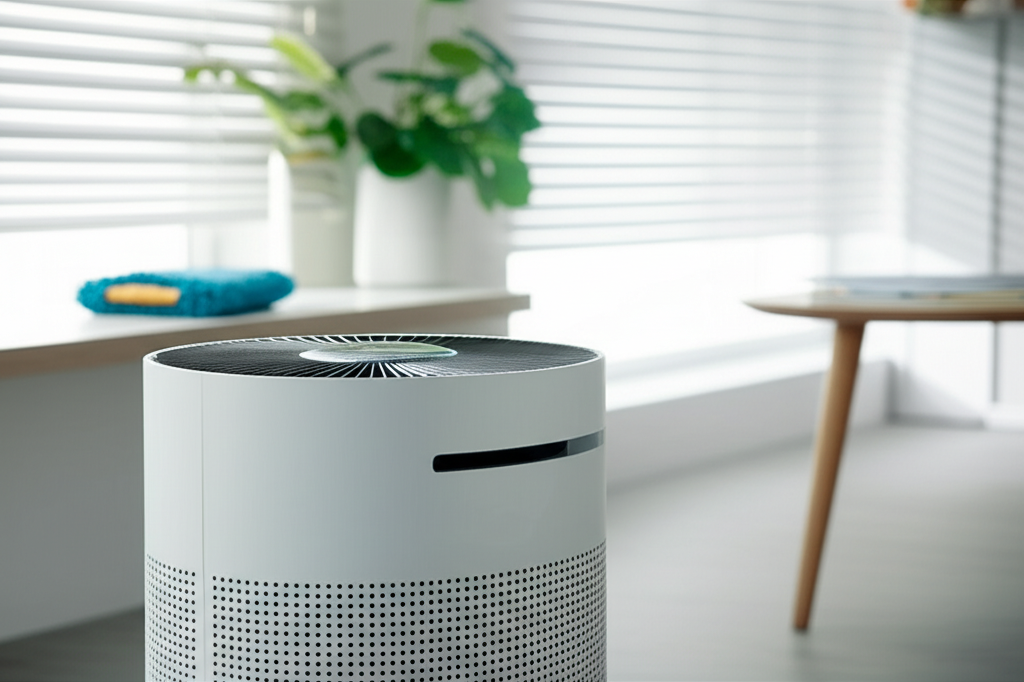
Before diving into purifiers, it’s essential to know what you’re fighting. Dust mites thrive in soft furnishings and bedding, while pet dander is a microscopic skin flake that easily becomes airborne. Pollen, often brought in from outdoors, can linger for months, and mold spores can grow in damp areas, releasing allergenic particles. Identifying your specific triggers helps tailor your search for the best air purifier for indoor allergies.
Key Features to Look For in an Allergy Air Purifier
When selecting an air purifier, certain features are non-negotiable for effective allergy relief. Prioritizing these will ensure you get a unit that tackles the most common allergens efficiently. Look for a combination of robust filtration and smart design elements.
HEPA Filtration: The Gold Standard for Allergens
High-Efficiency Particulate Air (HEPA) filters are the cornerstone of any effective allergy air purifier. True HEPA filters are certified to capture at least 99.97% of airborne particles as small as 0.3 microns. This includes dust mites, pet dander, pollen, mold spores, and even some bacteria and viruses.
True HEPA vs. HEPA-like: Always opt for “True HEPA” filters. “HEPA-like” or “HEPA-type” filters may not meet the same stringent standards and might not capture the smallest, most problematic allergens.
Filter Lifespan: Check how often filters need replacement, as this is an ongoing cost and a factor in maintenance.
Activated Carbon Filters for Odors and VOCs
While HEPA filters excel at capturing particles, activated carbon filters are crucial for absorbing gases, odors, and Volatile Organic Compounds (VOCs). These can include fumes from cleaning products, cooking odors, and even those released by furniture and paint. A good air purifier for indoor allergies often combines HEPA and activated carbon.
Amount of Carbon: More activated carbon generally means better odor and gas absorption. Look for units with substantial carbon pre-filters or a thick carbon layer.
Combined Benefits: This dual filtration approach ensures a cleaner, fresher-smelling, and healthier living space.
CADR Ratings: Measuring Purification Power
The Clean Air Delivery Rate (CADR) is a standardized measure of how quickly an air purifier can clean the air in a room. It’s rated for three common pollutants: dust, pollen, and smoke. Higher CADR ratings indicate a more powerful unit capable of purifying larger spaces more effectively.
Room Size Correlation: Match the CADR rating to your room size. A general rule of thumb is to choose a purifier with a CADR rating at least two-thirds of the room’s square footage for optimal performance.
Allergy Focus: For allergies, a higher CADR for dust and pollen is particularly important.
Noise Levels and Energy Efficiency
An air purifier running constantly in your living space or bedroom should be quiet enough not to be disruptive. Look for models with low decibel (dB) ratings, especially for overnight use. Energy Star certification is also a plus, indicating the unit is designed for efficient power consumption, saving you money on electricity bills.
Sleep Mode: Many purifiers offer a “sleep mode” that reduces fan speed and dims indicator lights for undisturbed rest.
Operating Costs: Consider both filter replacement costs and electricity usage when calculating the long-term expense.
Top Air Purifiers for Indoor Allergies: Expert Picks
After extensive research and considering user reviews, several models consistently stand out as the best air purifiers for indoor allergies. These units offer a blend of superior filtration, effective coverage, and user-friendly features.
Coway Airmega AP-1512HH Mighty
The Coway Airmega AP-1512HH Mighty is a perennial favorite for a reason. It boasts a four-stage filtration system, including a True HEPA filter and a substantial activated carbon filter. Its real-time air quality monitor adjusts fan speed automatically, and it’s remarkably energy-efficient.
Pros: Excellent filtration, quiet operation, auto mode, compact design.
Cons: Filter replacement can be a bit pricey.
Why it’s great for allergies: Its powerful HEPA filter effectively captures microscopic allergens, while the carbon filter tackles pet odors and other airborne irritants common in homes.
Levoit Core 300S
For those seeking a more budget-friendly yet highly effective option, the Levoit Core 300S is a top contender. It features a 3-stage filtration system with a True HEPA filter and is surprisingly quiet on its lowest settings. Its smart capabilities, like app control and voice commands, add convenience.
Pros: Affordable, effective HEPA filtration, quiet, smart features.
Cons: Best suited for smaller to medium-sized rooms.
Why it’s great for allergies: The True HEPA filter makes it a champion against common allergens like dust and pollen, offering significant relief in localized areas.
Blueair Blue Pure 211+ Auto
The Blueair Blue Pure 211+ Auto stands out with its unique HEPASilent™ technology, which combines electrostatic and mechanical filtration to achieve high particle removal with minimal noise. It’s designed for large rooms and features an impressive CADR. The washable pre-filter comes in various colors to match your decor.
Pros: High CADR for large spaces, very quiet, energy efficient, stylish design.
Cons: Replacement filters are on the expensive side.
Why it’s great for allergies: Its advanced filtration captures a wide range of allergens, making it ideal for homes with pets or those located in high-pollen areas.
Beyond the Purifier: Complementary Strategies for Allergy Relief
While the best air purifier for indoor allergies is a powerful tool, it’s most effective when part of a comprehensive allergy management plan. Small lifestyle changes can significantly amplify the benefits of your air purification efforts.
Regular Cleaning and Dusting Habits
Consistent cleaning is crucial to minimize allergen buildup. Dust mites, pet dander, and pollen settle on surfaces quickly. Vacuuming carpets and upholstery regularly with a vacuum cleaner equipped with a HEPA filter is essential. Damp dusting surfaces instead of dry dusting prevents allergens from becoming airborne.
Vacuum Frequency: Aim to vacuum carpets and rugs at least twice a week.
Damp Cloths: Use microfiber cloths dampened with water or a mild cleaner for dusting.
Controlling Humidity Levels
High humidity can encourage the growth of mold and dust mites, two major allergy triggers. Using a dehumidifier in damp areas like bathrooms and basements, and ensuring good ventilation, can help maintain optimal humidity levels between 30-50%. This creates a less hospitable environment for these microscopic pests.
Dehumidifier Use: Run dehumidifiers in basements or other areas prone to dampness.
Ventilation: Ensure good airflow in kitchens and bathrooms to prevent moisture buildup.
Managing Pets and Their Dander
Pet owners often struggle with dander, a common allergen. While an air purifier helps, limiting pet access to bedrooms and frequently grooming pets (preferably outdoors) can reduce the amount of dander released into the air. Regularly washing pet bedding also makes a difference.
Bedroom Ban: Consider keeping pets out of the bedroom to ensure a dander-free sleep environment.
Grooming: Brush your pets regularly, ideally outside, to minimize shedding.
How to Choose the Right Size Air Purifier
Selecting an air purifier that is correctly sized for your space is paramount to its effectiveness. An undersized unit will struggle to purify the air adequately, while an oversized one might be unnecessarily expensive and noisy. Always check the manufacturer’s recommendations for room coverage.
Understanding Room Square Footage
Measure the length and width of the room where you intend to place the air purifier and multiply them to get the square footage. This measurement is the most critical factor in determining the appropriate purifier size. Many manufacturers provide coverage area in square feet or square meters.
Example: A room that is 10 feet by 12 feet has a square footage of 120 sq ft.
Prioritize Larger Spaces: If you have an open-concept living area, it’s often better to opt for a unit rated for a larger space than you think you need.
ACH (Air Changes Per Hour) for Allergy Relief
Air Changes Per Hour (ACH) indicates how many times the air in a room is completely filtered by the unit within one hour. For allergy sufferers, an ACH of 4-5 is generally recommended, meaning the air is purified at least four to five times per hour. This ensures consistent removal of airborne irritants.
Higher ACH = Better for Allergies: A higher ACH means more frequent filtration, which is beneficial for rapidly clearing allergens.
Check Specifications: Look for the ACH rating in the product specifications.
Maintaining Your Air Purifier for Peak Performance
To ensure your chosen air purifier continues to provide the best air purifier for indoor allergies benefits, regular maintenance is key. Neglecting maintenance can reduce its effectiveness and even lead to secondary issues.
Filter Replacement Schedule
The most crucial maintenance task is replacing the filters according to the manufacturer’s recommendations. HEPA filters have a finite lifespan and become less effective as they become clogged with allergens. Activated carbon filters also saturate over time.
Manufacturer Guidelines: Follow the suggested replacement intervals strictly, usually every 6-12 months for HEPA and carbon filters.
Visual Inspection: Some filters may appear visibly dirty or discolored before their recommended replacement time.
Cleaning the Exterior and Pre-filter
Regularly wipe down the exterior of your air purifier with a damp cloth to keep it clean and dust-free. If your unit has a washable pre-filter, rinse or vacuum it according to the instructions. This pre-filter captures larger particles, extending the life of the HEPA filter.
Pre-filter Care: A clean pre-filter is vital for the overall efficiency of the filtration system.
* Gentle Cleaning: Use mild soap and water for washable parts, and ensure they are completely dry before reassembly.
Frequently Asked Questions About Air Purifiers for Allergies
Here are answers to some common questions people have when searching for the best air purifier for indoor allergies.
Will an air purifier completely eliminate my allergies?
While an air purifier can significantly reduce allergens in your home and alleviate symptoms, it’s unlikely to completely eliminate allergies. Allergies are complex, and triggers can come from various sources, including outdoors. However, a good air purifier is a powerful tool for managing symptoms and improving your living environment.
How often should I run my air purifier?
For optimal allergy relief, it’s recommended to run your air purifier continuously, especially in rooms where you spend the most time, like bedrooms and living areas. Many modern units are energy-efficient and feature auto modes that adjust fan speed based on air quality, making continuous operation practical and effective.
Can air purifiers help with pet allergies?
Yes, air purifiers are highly effective at reducing pet dander, a common allergen. True HEPA filters capture microscopic dander particles, while activated carbon filters can help reduce pet odors. Running a purifier consistently in homes with pets can make a significant difference for allergy sufferers.
What’s the difference between an air purifier and an air filter?
An air filter is typically a component within a larger system (like an HVAC unit) designed to trap particles. An air purifier is a standalone appliance that actively draws air in, passes it through one or more filters (including HEPA and carbon), and releases cleaner air back into the room.
How do I know if my air purifier is working?
You’ll likely notice a reduction in allergy symptoms like sneezing, itchy eyes, and congestion when you’re in the room with the purifier. Many units also have air quality indicators that change color or display a numerical value to show the current air quality. Checking the filters for collected dust and debris can also be an indicator of its work.
Conclusion: Your Path to a Breathable Home
Finding the best air purifier for indoor allergies is a proactive and highly effective way to manage symptoms and improve your overall health and comfort at home. By understanding key features like HEPA filtration, CADR ratings, and activated carbon, you can confidently select a unit that meets your specific needs. Remember to consider room size, noise levels, and energy efficiency. Complementing your air purifier with regular cleaning and humidity control further enhances your allergen-free environment. Investing in a quality air purifier is an investment in your well-being, offering proven relief and the simple joy of breathing easier in your own home.
