Best Air Purifier for Home Pets: Essential Guide

Discover the best air purifier for home pets to eliminate dander, odors, and allergens, creating a healthier living space for you and your furry companions. This guide provides expert insights and recommendations for choosing the perfect unit.
Breathing easy at home, even with beloved pets, can feel like a distant dream when pet dander, fur, and odors fill the air. Allergies can flare up, and a general stuffiness can permeate your living space, impacting everyone’s comfort. But what if there was a simple, effective solution to reclaim your home’s air quality? This comprehensive guide will walk you through everything you need to know to find the best air purifier for home pets, ensuring a fresher, cleaner environment for your entire family, four-legged members included. We’ll explore the key features to look for and highlight top-rated models that tackle pet-specific issues head-on.
Why Pets Need Air Purifiers
Air purifiers are essential for pet owners looking to improve indoor air quality by capturing airborne allergens like dander, fur, and microscopic particles. They also significantly reduce pet odors, creating a more pleasant home environment for everyone. Investing in a quality air purifier can alleviate allergy symptoms and contribute to overall well-being.
Pet dander, tiny flakes of skin, is a common allergen that can trigger reactions in sensitive individuals. This dander, along with pet hair, easily becomes airborne and circulates throughout your home, settling on surfaces and in the air you breathe. Without effective filtration, these allergens can persist, making life uncomfortable for allergy sufferers.
Furthermore, pets can contribute to unpleasant household odors, from litter box smells to general “doggy” or “catty” scents. While regular cleaning helps, an air purifier with activated carbon filtration can actively neutralize these odors, leaving your home smelling fresh and clean. This dual action makes an air purifier a valuable tool for any pet-friendly household.
Understanding Air Purifier Technologies for Pet Owners
To select the best air purifier for home pets, it’s crucial to understand the technologies that effectively combat pet-related air contaminants. The most effective units combine multiple filtration stages to tackle dander, fur, odors, and other allergens. Key technologies include True HEPA filters, activated carbon filters, and pre-filters.
A True HEPA filter is paramount for capturing at least 99.97% of airborne particles as small as 0.3 microns. This includes pet dander, dust mites, pollen, and mold spores, which are major contributors to allergies. Ensuring your chosen purifier has this certification is the first step towards cleaner air.
Activated carbon filters are specifically designed to absorb gases and odors. For pet owners, this means tackling those distinct pet smells. The more activated carbon a filter contains, the more effective it will be at neutralizing odors. A good pre-filter, often washable, traps larger particles like pet hair and dust bunnies, extending the life of the HEPA and carbon filters.
Key Features to Look for in a Pet Air Purifier
When searching for the best air purifier for home pets, several key features will make a significant difference in performance and user experience. Prioritizing these attributes will ensure you invest in a unit that truly meets your needs and those of your furry companions.
True HEPA Filtration: This is non-negotiable for capturing microscopic allergens like pet dander and dust mites.
Activated Carbon Filter: Essential for absorbing and neutralizing strong pet odors. Look for a substantial amount of carbon.
Pre-Filter: A washable pre-filter is excellent for trapping larger particles like pet hair, preventing them from clogging the more sensitive filters.
CADR (Clean Air Delivery Rate): Choose a CADR rating suitable for your room size. Higher CADR means faster air cleaning.
Coverage Area: Ensure the purifier’s coverage area matches or exceeds the square footage of the room where it will be used most.
Noise Level: Many pets are sensitive to loud noises. Look for models with low decibel ratings, especially for bedrooms or living areas.
Filter Replacement Indicator: A helpful feature that alerts you when it’s time to change filters, ensuring optimal performance.
Energy Efficiency: Look for ENERGY STAR certified models to save on electricity costs.
Considering these features will help you narrow down your options and find a purifier that effectively addresses pet-specific air quality concerns. A well-equipped air purifier will significantly improve your home’s environment.
Top Air Purifier Models for Pet Owners
Based on expert reviews and user feedback, several air purifier models consistently stand out as the best for homes with pets. These units offer robust filtration systems, effective odor control, and features tailored to the challenges of pet ownership. I’ve compiled a list of top contenders that deliver excellent performance.
Here are some of the top-rated air purifiers for home pets:
Coway Airmega AP-1512HH Mighty: Often lauded for its balance of performance and value, this model features a True HEPA filter, activated carbon filter, and an ionizer (which can be turned off if preferred). Its compact design makes it suitable for medium-sized rooms.
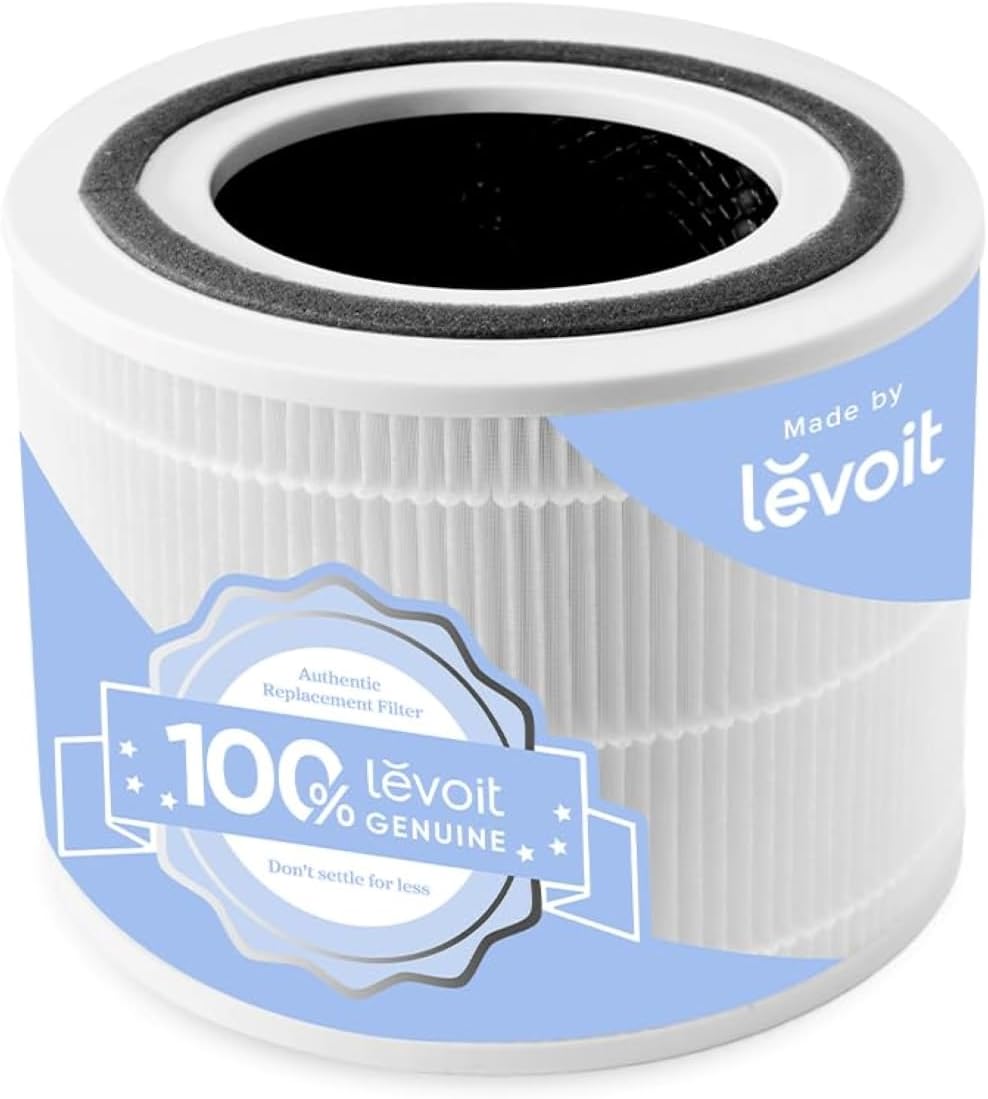
Levoit Core 300S: A popular choice for its quiet operation and effective three-stage filtration system, including a True HEPA filter and an activated carbon filter. It’s ideal for smaller to medium rooms and offers smart features for remote control.
Blueair Blue Pure 211+ Auto: Known for its high CADR and stylish design, this purifier uses a combination of electrostatic and mechanical filtration to capture particles and odors. Its large filter surface area ensures excellent performance in larger spaces.
Winix 5500-2: This unit boasts a True HEPA filter, an activated carbon filter, and PlasmaWave technology (which can also be deactivated). It’s a powerful option for medium to large rooms, effectively tackling dander and odors.
* Honeywell HPA300: A workhorse for larger rooms, the HPA300 offers excellent HEPA filtration and is highly effective at capturing allergens and odors. Its robust performance makes it a strong contender for busy pet households.
Each of these models has been chosen for its ability to handle common pet-related air pollutants efficiently. When selecting, consider your room size and specific needs for odor control versus allergen capture.
How to Choose the Right Size and Capacity
Selecting the best air purifier for home pets also involves choosing a unit with the appropriate size and capacity for your specific needs. An undersized unit will struggle to clean the air effectively, while an oversized one might be unnecessarily noisy or energy-consuming. Understanding room size and CADR is key.
The Clean Air Delivery Rate (CADR) indicates how quickly an air purifier can clean a room of specific pollutants like smoke, dust, and pollen. For pet owners, focusing on dust and pollen CADR is most relevant. A higher CADR means faster purification.
To determine the right size, check the manufacturer’s recommended room coverage area. This is usually stated in square feet. A good rule of thumb is to choose an air purifier rated for a room slightly larger than the one you intend to use it in, especially if pet dander and odors are a significant concern. This ensures it can effectively cycle the air multiple times per hour.
Consider the ACH (Air Changes per Hour) rating, which indicates how many times the purifier can clean the entire volume of air in a room within one hour. For optimal pet allergen removal, aim for an ACH of 4 or 5. This means the air is fully filtered at least four to five times every hour, significantly reducing airborne contaminants.
The Importance of Filter Maintenance
Proper filter maintenance is critical for ensuring your air purifier continues to perform optimally and remains the best air purifier for home pets. Neglecting filter changes or cleaning can significantly reduce its effectiveness, rendering it less capable of capturing dander, fur, and odors. Regular upkeep is a small effort for a big reward in air quality.
Pre-filters, if present, are usually designed to be washable or vacuumable. Cleaning these monthly will trap larger debris like pet hair and extend the lifespan of your HEPA and carbon filters. Always refer to your purifier’s manual for specific cleaning instructions.
HEPA filters and activated carbon filters typically need to be replaced at regular intervals, usually every 6 to 12 months, depending on usage and air quality. Many purifiers come with a filter replacement indicator light that will alert you when it’s time for a change. Using your air purifier continuously, especially in a home with pets, will necessitate more frequent replacements.
Always use genuine replacement filters recommended by the manufacturer. Aftermarket filters may not fit correctly or offer the same level of filtration, potentially compromising your air quality and the purifier’s performance. Keeping filters clean and replacing them on schedule is the most crucial aspect of maintaining your air purifier.
Placement Strategies for Maximum Effectiveness
Where you place your air purifier can significantly impact its effectiveness in cleaning the air in your home. Strategic placement ensures it can capture airborne particles and odors efficiently, making it truly the best air purifier for home pets. Avoid common mistakes that can hinder its performance.
Place the air purifier in the room where your pets spend the most time, or where pet odors are most noticeable, such as the living room or a bedroom. For homes with multiple pets or severe allergies, consider using multiple units in different high-traffic areas.
Ensure the air purifier has at least a foot of clearance on all sides, especially around the air intake and outlet vents. Obstructions can impede airflow, reducing the unit’s ability to draw in dirty air and expel clean air. Avoid placing it directly behind furniture or in tight corners.
Consider placing the air purifier near the source of odors or allergens, if possible. For instance, if litter box odors are a concern, placing a purifier nearby can help neutralize them more quickly. Elevating the unit slightly off the floor can also improve air circulation, allowing it to capture more airborne particles.
Special Considerations for Different Pet Types
While the general principles for choosing the best air purifier for home pets apply broadly, certain pet types might warrant specific considerations. Understanding the unique challenges each pet presents can help you fine-tune your selection for optimal results.
Dogs: Dogs shed significantly, and their dander can be a major allergen. They also contribute to distinct odors. Look for purifiers with robust pre-filters to capture loose fur and powerful activated carbon filters to combat doggy smells. Higher CADR ratings are beneficial for larger breeds or active households.
Cats: Cats are known for their fine dander, which is a potent allergen for many people. They also produce dander that can settle deeply into carpets and furniture. Models with excellent True HEPA filtration are essential for capturing these tiny allergens. Activated carbon filters are also important for neutralizing litter box odors.
Birds and Small Animals (Hamsters, Rabbits, etc.): These pets can produce fine dust, dander, and strong odors. Bird dander, in particular, can be very pervasive. A purifier with a multi-stage filtration system, including a good HEPA and carbon filter, is crucial. Ensure the unit is placed where it won’t directly blow air onto the pet’s enclosure.
For any pet, always ensure the air purifier you choose does not emit ozone, as it can be harmful to both pets and humans. Models that offer an option to disable ionizers are preferable.
Air Purifier vs. Other Allergy Relief Methods
While an air purifier is a powerful tool, it’s often most effective when combined with other allergy relief methods for pet owners. Understanding how an air purifier complements other strategies can lead to a more comprehensive approach to managing pet-related allergies and odors.
Regular cleaning, including vacuuming with a HEPA filter vacuum and dusting surfaces, is essential. This removes settled dander and fur before they can become airborne again. Washing pet bedding frequently also helps reduce allergen buildup.
Grooming your pet regularly, ideally outdoors, can significantly reduce the amount of shedding and dander in your home. Brushing helps to remove loose fur and dander, preventing it from spreading throughout your living space.
Using allergen-proof covers on furniture and bedding can create barriers against dander. Frequent airing out of rooms, weather permitting, can also help reduce indoor allergen concentrations.
An air purifier works by actively capturing airborne particles and odors that cleaning and grooming alone cannot fully eliminate. It provides continuous protection, especially in areas where pets spend a lot of time. By integrating an air purifier into your routine, you create a multi-layered defense against pet allergens and odors.
Frequently Asked Questions (FAQ)
What is the most important feature in an air purifier for pets?

The most crucial feature is True HEPA filtration, as it effectively captures microscopic pet dander, fur, and other allergens that trigger allergy symptoms. An activated carbon filter is also vital for neutralizing pet odors.
Do air purifiers actually help with pet allergies?
Yes, air purifiers significantly help with pet allergies by removing airborne allergens like dander and fur from the air, reducing exposure and potential reactions for sensitive individuals. They also help reduce pet odors.
How often should I replace the filters in a pet air purifier?
Filter replacement frequency varies by model and usage, but typically HEPA filters should be replaced every 6-12 months, and activated carbon filters as needed. Many units have filter replacement indicators.
Can air purifiers remove cat litter box odors?
Yes, air purifiers equipped with substantial activated carbon filters are very effective at absorbing and neutralizing common household odors, including those from cat litter boxes.
Are air purifiers safe for pets to be around?
Generally, yes. However, choose models that do not emit ozone, as it can be harmful. Also, ensure the unit is stable and cannot be easily tipped over by curious pets.
How large of a room can a pet air purifier cover?
Air purifiers are rated for specific room sizes in square feet. It’s best to choose a unit with a coverage area that matches or slightly exceeds the size of the room you intend to use it in for maximum effectiveness.
Conclusion: Breathe Easier with the Best Air Purifier for Home Pets
Finding the best air purifier for home pets is an investment in a healthier, more comfortable living environment for both you and your beloved animal companions. By understanding the essential technologies like True HEPA and activated carbon filtration, considering crucial features such as CADR and coverage area, and committing to regular filter maintenance, you can effectively combat pet dander, fur, and odors. Remember to strategically place your chosen unit and complement its use with regular cleaning and grooming for a holistic approach to air quality management. With the right air purifier, you can finally enjoy your furry friends without the constant worry of allergens and unpleasant smells, creating a truly breathable sanctuary at home.