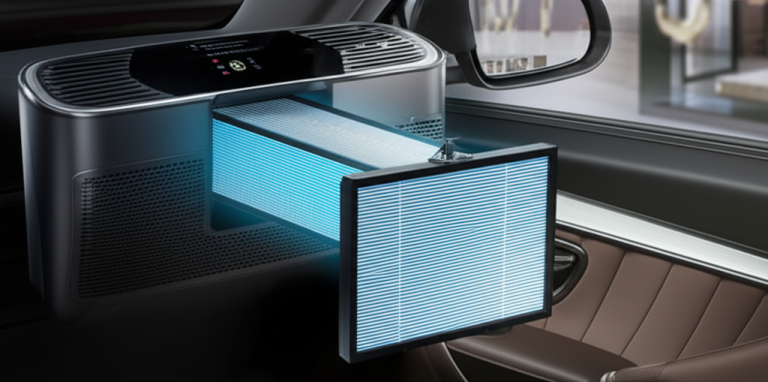
Best Air Purifier for Chronic Sinusitis: Proven Relief

Struggling with chronic sinusitis means constantly battling inflamed nasal passages and discomfort. The best air purifier for chronic sinusitis can significantly reduce airborne irritants, offering a breath of fresh air and much-needed relief from persistent symptoms. Discover how the right air purification can transform your indoor environment and improve your quality of life.
Chronic sinusitis is a persistent condition that affects millions, causing inflammation in the sinuses that can last for weeks or even months. This can lead to significant discomfort, including facial pain, nasal congestion, and difficulty breathing. If you’re tired of the constant struggle, you might be looking for effective ways to manage your symptoms. One powerful, yet often overlooked, solution is improving your indoor air quality. Let’s explore how the best air purifier for chronic sinusitis can be a game-changer for your respiratory health and bring you the relief you deserve.
Understanding Chronic Sinusitis and Air Quality
Chronic sinusitis, also known as chronic rhinosinusitis, is characterized by inflammation and swelling of the nasal passages and sinuses that persists for 12 weeks or longer. This persistent inflammation can be triggered or exacerbated by various factors, including allergies, environmental irritants, and even infections. Understanding these triggers is the first step towards effective management.
Poor indoor air quality can significantly worsen chronic sinusitis symptoms. Airborne particles like dust mites, pollen, pet dander, mold spores, and volatile organic compounds (VOCs) can irritate sensitive nasal passages, leading to increased inflammation and congestion. These microscopic invaders are often invisible to the naked eye but can have a profound impact on your respiratory health.
How Air Purifiers Help with Chronic Sinusitis
Air purifiers work by drawing in air, filtering out pollutants, and releasing cleaner air back into your space. For those with chronic sinusitis, this process can be incredibly beneficial in reducing the load of airborne irritants that trigger flare-ups. By removing allergens and irritants, they create a healthier breathing environment.
The effectiveness of an air purifier for sinusitis largely depends on its filtration technology. High-efficiency particulate air (HEPA) filters are crucial for capturing tiny particles, while activated carbon filters can absorb odors and VOCs. A combination of these technologies offers the most comprehensive protection against sinusitis triggers.
Key Features to Look For in the Best Air Purifier for Chronic Sinusitis
When selecting an air purifier for chronic sinusitis, certain features are non-negotiable for optimal performance and relief. Prioritizing these aspects will ensure you invest in a device that truly makes a difference in your indoor air quality and symptom management.
- HEPA Filtration: Look for true HEPA filters, which capture 99.97% of airborne particles as small as 0.3 microns, including dust, pollen, pet dander, and mold spores.
- Activated Carbon Filter: This type of filter is essential for adsorbing odors, smoke, and harmful gases like VOCs, which can also irritate sinuses.
- CADR Ratings: Clean Air Delivery Rate (CADR) indicates how quickly a purifier can clean the air. Higher ratings mean faster purification for larger spaces.
- Room Size Coverage: Ensure the air purifier is rated for the square footage of the room you intend to use it in, or opt for a slightly larger capacity for better performance.
- Noise Level: Many purifiers have quiet or sleep modes, which are important if you plan to use it in your bedroom or living areas where noise can be disruptive.
- Filter Replacement Indicator: A helpful feature that alerts you when it’s time to replace the filters, ensuring the purifier always operates at peak efficiency.
- Additional Features: Consider features like smart controls, air quality sensors, and multiple fan speeds for added convenience and customization.
Top Air Purifier Technologies for Sinus Relief
Different air purification technologies offer unique benefits, and understanding them helps in choosing the best air purifier for chronic sinusitis. A multi-stage filtration system is generally most effective for tackling the diverse range of airborne irritants.
True HEPA Filters: The Gold Standard
True HEPA filters are the cornerstone of effective air purification for allergy and asthma sufferers, and they are equally vital for chronic sinusitis relief. These filters are rigorously tested to meet strict standards for particle removal. They trap microscopic allergens that can inflame your sinuses.
The ability of a true HEPA filter to capture particles down to 0.3 microns is critical. This size includes common triggers like dust mite feces, pollen grains, and mold spores. By physically trapping these irritants, HEPA filters prevent them from recirculating in your home environment.
Activated Carbon Filters: Tackling Odors and Gases
While HEPA filters excel at capturing particulate matter, activated carbon filters are designed to address gaseous pollutants and odors. These filters are made from porous carbon that has been treated to increase its adsorptive capacity. They are particularly effective against VOCs released from paints, cleaning products, and furniture.
For individuals with chronic sinusitis, the presence of strong odors or chemical fumes can trigger significant discomfort and inflammation. Activated carbon filters can neutralize these airborne compounds, creating a more pleasant and less irritating atmosphere. This dual-action approach is key to comprehensive sinus relief.
Pre-filters: The First Line of Defense
Most high-quality air purifiers include a pre-filter, which is the first layer of filtration. Pre-filters are typically washable and designed to capture larger particles like hair, lint, and visible dust. This not only improves the overall air quality but also extends the lifespan of the more sensitive HEPA and carbon filters.
By trapping larger debris, the pre-filter prevents them from clogging the HEPA filter prematurely. This means your HEPA filter can focus on capturing the smaller, more problematic particles that aggravate sinusitis. A good pre-filter is an often-underestimated but crucial component of an effective air purification system.
Best Air Purifier for Chronic Sinusitis: Top Picks and Reviews
Selecting the right air purifier can feel overwhelming with so many options available. Based on expert recommendations and user reviews, here are some of the best air purifiers for chronic sinusitis, focusing on their ability to tackle common irritants and provide noticeable relief.
Coway Airmega AP-1512HH Mighty
The Coway Airmega AP-1512HH Mighty is a perennial favorite for good reason. It features a multi-stage filtration system including a washable pre-filter, an activated carbon filter, and a true HEPA filter. Its smart sensor technology automatically adjusts fan speed based on air quality, and it’s energy-efficient.
This model is excellent for medium-sized rooms and consistently receives high marks for its performance in removing allergens and pollutants. Its quiet operation makes it ideal for bedrooms, ensuring a peaceful night’s sleep. Many users report a significant reduction in sinus pressure and congestion after using this purifier.
Blueair Blue Pure 211+ Auto
Blueair’s Blue Pure 211+ Auto stands out with its stylish design and impressive performance. It uses a combination of mechanical and electrostatic filtration (HEPASilent™ technology) to capture particles. The large surface area of its filters allows for high efficiency and quiet operation.
This purifier is known for its ability to handle larger rooms and effectively remove dust, pollen, and pet dander. The auto mode adjusts settings based on detected air quality, providing a hassle-free experience. Its low energy consumption is another attractive feature for many households.
Levoit Core 300S Smart True HEPA Air Purifier
The Levoit Core 300S is a compact yet powerful option, perfect for smaller to medium-sized rooms like bedrooms or home offices. It boasts a 3-stage filtration system: a pre-filter, a true HEPA filter, and an activated carbon filter. The ‘S’ in the model name indicates its smart capabilities, allowing control via a smartphone app.
Its quiet operation, with a sleep mode that lowers noise to just 22dB, is a significant advantage for sensitive users. The Levoit Core 300S is also very budget-friendly, offering excellent value for its performance. Users often praise its effectiveness in clearing the air of allergens and improving sleep quality.
Winix 5500-2 Air Purifier
The Winix 5500-2 is a popular choice that combines a true HEPA filter, an activated carbon filter, and Winix’s PlasmaWave™ technology. PlasmaWave™ is an optional feature that creates hydroxyls to neutralize airborne viruses, bacteria, and gases. It is effective for medium to large rooms and features an auto mode with air quality sensors.
This air purifier is well-regarded for its ability to tackle a wide range of pollutants, including smoke, odors, and allergens. The inclusion of PlasmaWave™ offers an extra layer of purification, though some users prefer to disable it if they are sensitive to ozone. Overall, it’s a robust option for allergy and sinus sufferers.
Honeywell HPA300 Premium Air Purifier
The Honeywell HPA300 is designed for larger spaces, capable of purifying rooms up to 465 square feet. It features a 3-stage filtration system: a pre-filter, an activated carbon filter, and a true HEPA filter. This model is known for its strong performance and ability to quickly reduce airborne allergens and odors.
With four air changes per hour (ACH) in its rated room size, the HPA300 ensures that the air is continuously cleaned. It offers multiple fan speeds and a filter change indicator. While it can be a bit louder than some other models on higher settings, its effectiveness in improving air quality for allergy and sinus relief is well-documented.
Optimizing Air Purifier Placement and Usage for Sinusitis Relief
The effectiveness of your air purifier can be significantly enhanced by strategic placement and consistent usage. Simply owning the best air purifier for chronic sinusitis isn’t enough; how you use it matters greatly for maximizing its benefits.
Place the air purifier in the room where you spend the most time, especially where you sleep. This ensures that the air you breathe during critical rest periods is as clean as possible. For chronic sinusitis, continuous operation is key to maintaining consistently low levels of airborne irritants.
- Bedroom First: Prioritize placing the unit in your bedroom for uninterrupted relief during sleep.
- Central Location: In living areas, position the purifier in a central location, away from walls or furniture that might obstruct airflow.
- Continuous Operation: Run the air purifier 24/7, especially during allergy seasons or when pollutant levels are high.
- Regular Filter Maintenance: Adhere to the manufacturer’s recommendations for cleaning pre-filters and replacing HEPA and carbon filters to maintain optimal performance.
- Ventilation: While air purifiers clean indoor air, occasional ventilation by opening windows (when outdoor air quality is good) can help refresh your home’s atmosphere.
Understanding Air Changes Per Hour (ACH)
Air Changes Per Hour (ACH) is a crucial metric that tells you how many times an air purifier can circulate and clean the entire volume of air in a room within one hour. For individuals suffering from chronic sinusitis, a higher ACH rating is generally more beneficial.
A higher ACH means the air in your room is being filtered more frequently, leading to a quicker reduction in airborne irritants. For allergy and asthma sufferers, an ACH of 4 or 5 is often recommended to ensure the air is thoroughly cleaned multiple times an hour. This frequent cleaning can significantly alleviate symptoms caused by allergens and pollutants.
The Role of Humidity in Sinus Health
Humidity levels play a surprisingly significant role in managing chronic sinusitis symptoms. Maintaining an optimal humidity level can help keep nasal passages moist and less prone to irritation and inflammation.
Extremely dry air can dry out mucous membranes, making them more vulnerable to irritants and infections, potentially worsening sinusitis. Conversely, air that is too humid can encourage the growth of mold and dust mites, which are common sinusitis triggers. Aiming for a humidity level between 30% and 50% is generally recommended for respiratory comfort.
While air purifiers primarily focus on removing airborne particles, some models offer integrated humidification or dehumidification features. If your home’s air is consistently too dry or too moist, considering a combination unit or a separate humidifier/dehumidifier can further support your sinus health. A balanced indoor environment is key to managing chronic sinusitis effectively.
When to Consider an Air Purifier with a Humidifier/Dehumidifier
For individuals with chronic sinusitis, especially those experiencing symptoms exacerbated by environmental conditions, a combination air purifier and humidifier or dehumidifier unit can be a valuable investment. These devices offer a more comprehensive approach to managing indoor air quality and its impact on sinus health.
If you live in a dry climate or during winter months when heating systems dry out the air, a humidifier function can add much-needed moisture. This helps prevent nasal passages from becoming dry and irritated. Conversely, in humid environments, a dehumidifier can reduce moisture levels, inhibiting mold growth and creating a less hospitable environment for dust mites.
Maintaining Your Air Purifier for Peak Performance
To ensure your air purifier consistently provides the best relief for chronic sinusitis, regular maintenance is essential. Neglecting filter changes or cleaning can reduce its effectiveness and even lead to it becoming a source of pollutants.
Always follow the manufacturer’s guidelines for filter replacement and cleaning. Pre-filters should typically be cleaned monthly, while HEPA and activated carbon filters have varying replacement schedules, often ranging from six months to two years depending on usage and filter type. Keeping your unit clean ensures it continues to capture irritants efficiently.
Frequently Asked Questions (FAQ)
Here are some common questions about using air purifiers for chronic sinusitis relief.
- Do air purifiers really help with chronic sinusitis?
Yes, air purifiers can significantly help by removing airborne irritants like dust, pollen, mold, and pet dander that trigger or worsen sinusitis symptoms. - What type of filter is best for sinusitis?
A true HEPA filter is essential for capturing fine particles, and an activated carbon filter is crucial for adsorbing odors and gases. A combination of both is ideal. - How often should I run my air purifier?
For maximum benefit, it’s recommended to run your air purifier continuously, especially in the rooms where you spend the most time, like your bedroom. - Can air purifiers remove mold from the air?
Air purifiers with HEPA filters can capture airborne mold spores. However, they cannot remove mold that is growing on surfaces. Addressing the source of mold is crucial. - Are air purifiers with ionizers or ozone safe for sinusitis sufferers?
Some air purifiers use ionizers or produce ozone. While they can help clean the air, ozone is a lung irritant and can worsen respiratory conditions like sinusitis. Look for ozone-free models or those where ionizers can be turned off. - How do I know if my air purifier is working effectively?
You might notice a reduction in dust accumulation, fewer allergy symptoms, and fresher-smelling air. Regularly check and replace filters as recommended by the manufacturer.
Conclusion
Living with chronic sinusitis can be a daily challenge, but taking control of your indoor environment offers a powerful path to relief. The best air purifier for chronic sinusitis, equipped with true HEPA and activated carbon filtration, can dramatically reduce the airborne triggers that inflame your sinuses. By investing in a quality air purifier and using it strategically, you can create a sanctuary of cleaner air in your home, leading to less congestion, reduced discomfort, and a significant improvement in your overall quality of life. Breathe easier and reclaim your comfort by making an informed choice for your respiratory health today.