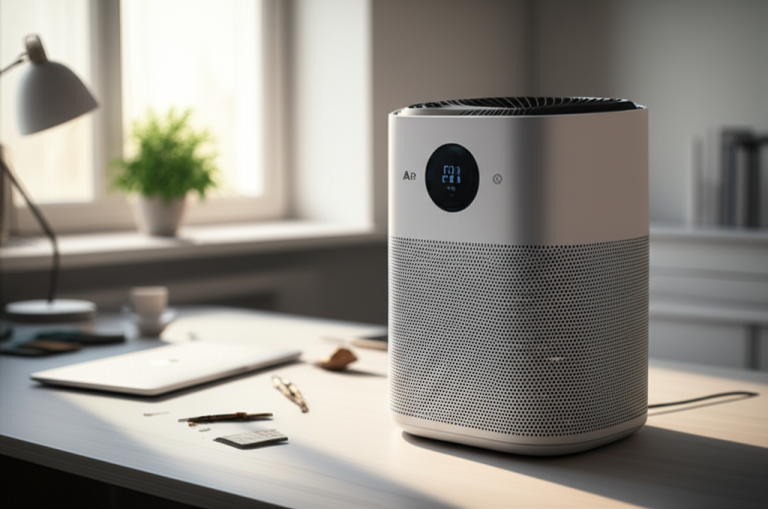
Best Air Purifier For Cat Litter Dust: Essential Solution

Breathe easy and say goodbye to cat litter dust with the best air purifier for cat litter dust. This guide will help you find the perfect solution to eliminate airborne particles, odors, and allergens, creating a healthier home for you and your feline friends.
The tell-tale puff of dust when scooping cat litter is more than just an annoyance; it’s a cloud of tiny particles that can irritate your lungs and spread unpleasant odors throughout your home. As cat parents, we want the best for our furry companions and ourselves, and that includes a clean, fresh-smelling living space. Dealing with cat litter dust can feel overwhelming, but thankfully, there’s a highly effective solution. This article will guide you through choosing the best air purifier for cat litter dust, ensuring you can finally enjoy a cleaner, healthier environment.
Why Cat Litter Dust is a Problem
Cat litter dust isn’t just dirt; it’s a complex mix of fine particles, including silica dust, ammonia, and potential allergens from your cat’s dander and urine. When your cat uses the litter box, especially with clumping litters, these microscopic particles become airborne, settling on surfaces and circulating in the air you breathe. This can lead to respiratory issues, allergies, and a persistent, unpleasant odor. Understanding the source and composition of this dust is the first step toward finding the best air purifier for cat litter dust.
Understanding Air Purifier Technology for Litter Dust
To effectively combat cat litter dust, an air purifier needs specific filtration capabilities. The most crucial component is a high-quality HEPA filter, which is certified to capture at least 99.97% of airborne particles as small as 0.3 microns. This includes the fine dust particles kicked up from the litter box. Additionally, an activated carbon filter is essential for absorbing and neutralizing odors, particularly ammonia, which is a common byproduct of cat urine. These two types of filters work in tandem to create a comprehensive solution for a cleaner home environment.
HEPA Filters: The First Line of Defense
High-Efficiency Particulate Air (HEPA) filters are the gold standard for capturing fine airborne particles. For cat litter dust, a True HEPA filter is non-negotiable. It physically traps dust, dander, mold spores, and other microscopic irritants that can trigger allergies and respiratory problems. When looking for the best air purifier for cat litter dust, always prioritize models that explicitly state they use a True HEPA filter. This ensures maximum effectiveness against the fine particles that are so prevalent with cat litter use.
Activated Carbon Filters: Tackling Odors Head-On
While HEPA filters capture the particles, activated carbon filters tackle the smells. Cat litter boxes are notorious for ammonia and other unpleasant odors. Activated carbon, with its porous structure, acts like a magnet, adsorbing these odor molecules from the air. The more activated carbon a purifier contains, the better it will be at neutralizing persistent litter box smells. A robust carbon filter is a key feature to look for when seeking the best air purifier for cat litter dust.
Key Features to Look For in the Best Air Purifier for Cat Litter Dust
When selecting an air purifier, consider several features that will enhance its performance specifically for managing cat litter dust and associated odors. Beyond the essential HEPA and carbon filters, other functionalities can make a significant difference in your home’s air quality and your overall satisfaction. These features ensure the unit is not only effective but also convenient and suitable for your living space.
Room Size and CADR Rating
The effectiveness of an air purifier is directly related to the size of the room it’s designed for. A unit that’s too small won’t be able to adequately clean the air, especially in larger spaces or areas with high levels of dust and odor. Look for the Clean Air Delivery Rate (CADR) rating, which indicates how quickly the purifier can clean a room of specific pollutants like smoke, dust, and pollen. A higher CADR rating means faster and more efficient air purification, making it a crucial factor when choosing the best air purifier for cat litter dust. Aim for a CADR rating that is at least two-thirds of the square footage of the room you intend to use it in.
Noise Levels
Air purifiers can range from whisper-quiet to quite noisy, depending on their fan speed and design. If you plan to place the purifier in a bedroom or living area, or if you’re sensitive to noise, look for models with low decibel (dB) ratings, especially on their lower settings. Many purifiers offer a “sleep mode” or “quiet mode” that significantly reduces fan speed and noise. This is an important consideration for comfort, ensuring the best air purifier for cat litter dust doesn’t become a disturbance.
Filter Replacement Costs and Frequency
Air purifiers require regular maintenance, primarily through filter replacement. HEPA and activated carbon filters have a limited lifespan and need to be changed periodically, typically every 6 to 12 months, depending on usage and air quality. The cost of these replacement filters can add up over time. Before purchasing, research the cost and availability of replacement filters for the models you’re considering. This will help you budget effectively and ensure you can maintain the optimal performance of your best air purifier for cat litter dust.
Additional Features to Consider
Some air purifiers come with extra features that can enhance your experience. These might include air quality sensors that automatically adjust fan speed based on detected pollutant levels, timers for scheduled operation, child locks, and smart capabilities that allow you to control the unit via a smartphone app. While not strictly necessary for combating litter dust, these features can add convenience and improve the overall user experience. Consider which of these, if any, would be beneficial for your household when selecting the best air purifier for cat litter dust.
Top Air Purifier Recommendations for Cat Litter Dust
After thorough research and considering the essential features, here are some of the best air purifier models that excel at tackling cat litter dust and odors. These units are chosen for their robust filtration systems, effective odor control, and suitability for pet owners.
Levoit Core 300S
The Levoit Core 300S is a popular choice for pet owners due to its compact size, effective three-stage filtration system (pre-filter, True HEPA, and activated carbon), and quiet operation. Its smart features, including app control and voice command compatibility, add significant convenience. The ARC™ Formula Activated Carbon Filter is specifically designed to capture pet odors effectively. It’s an excellent option for small to medium-sized rooms, making it a strong contender for the best air purifier for cat litter dust in bedrooms or home offices.
Coway Airmega AP-1512HH Mighty
This compact yet powerful air purifier is renowned for its multi-stage filtration, including a True HEPA filter and an extensive activated carbon filter. It features an air quality sensor that automatically adjusts fan speed, an eco-mode, and a filter replacement indicator. The Coway Airmega AP-1512HH Mighty is highly effective at capturing fine dust particles and neutralizing odors, making it a reliable choice for spaces up to 374 sq ft. Its robust performance solidifies its position as a leading best air purifier for cat litter dust.
Winix 5500-2
The Winix 5500-2 is a highly-rated air purifier that offers a comprehensive four-stage filtration system, including a True HEPA filter, an activated carbon filter, and the PlasmaWave™ technology (which can be turned off if preferred). It’s particularly effective at capturing pet dander, dust, and odors. Its auto mode and air quality sensor make operation effortless, and it’s suitable for medium to large rooms. This unit is a fantastic all-around performer for pet owners seeking the best air purifier for cat litter dust.
Blueair Blue Pure 211+ Auto
Designed for larger rooms, the Blueair Blue Pure 211+ Auto boasts a unique combination of mechanical and electrostatic filtration, known as HEPASilent™ technology, which captures 99.97% of particles down to 0.1 microns. It also includes a high-capacity activated carbon filter for odor control. Its simple one-button operation and energy efficiency are major advantages. This purifier is a powerful solution for tackling significant amounts of cat litter dust and odors in living areas.
Where to Place Your Air Purifier for Maximum Effectiveness
The placement of your air purifier significantly impacts its ability to tackle cat litter dust. Strategic positioning ensures it can effectively capture airborne particles and odors before they spread too widely. Consider the layout of your home and the location of the litter box when deciding where to place your unit.
Near the Litter Box
Placing the air purifier as close to the litter box as safely possible is often the most effective strategy. This allows the unit to capture dust and odors at their source, preventing them from circulating throughout the room or house. Ensure there’s adequate space around the purifier for proper airflow, as recommended by the manufacturer. This direct approach is key to maximizing the benefits of your best air purifier for cat litter dust.
High-Traffic Areas and Bedrooms
If placing the purifier directly next to the litter box isn’t feasible or desired, consider positioning it in high-traffic areas where dust might accumulate or in bedrooms to ensure you have clean air while you sleep. These areas benefit greatly from continuous air purification. Even if it’s not at the source, consistent operation in these zones will still significantly improve overall air quality by removing lingering particles and odors.
Ensuring Proper Airflow
Regardless of where you place it, ensure the air purifier has unobstructed airflow. Avoid placing it directly against walls, furniture, or curtains, as this can impede its ability to draw in air and filter it effectively. Most manufacturers recommend leaving at least 12-24 inches of clearance around the unit. Proper placement is crucial for the optimal performance of any air purifier, especially when targeting specific issues like cat litter dust.
Maintaining Your Air Purifier for Peak Performance
To ensure your best air purifier for cat litter dust continues to perform optimally, regular maintenance is essential. This involves cleaning the unit and replacing filters as recommended by the manufacturer. Neglecting maintenance can lead to reduced efficiency and even potential damage.
Regular Cleaning Schedule
Wipe down the exterior of your air purifier regularly with a soft, damp cloth to remove dust and debris. The pre-filter, if your unit has one, can often be vacuumed or washed (check your manual) to extend the life of the main HEPA and carbon filters. Cleaning the unit itself helps maintain its aesthetic appeal and ensures it operates smoothly.
Filter Replacement Timeline
Follow the manufacturer’s recommendations for replacing the HEPA and activated carbon filters. This is typically every 6 to 12 months, but can vary based on usage, air quality, and the specific model. Some purifiers have indicator lights or app notifications to remind you when it’s time for a change. Timely filter replacement is critical for maintaining the effectiveness of the best air purifier for cat litter dust.
Alternative and Complementary Solutions
While an air purifier is an essential tool for managing cat litter dust, other strategies can further enhance your home’s air quality. Combining these methods with your chosen purifier can create a truly fresh and healthy environment. These complementary solutions work in synergy to tackle the problem from multiple angles.
Choosing the Right Litter
The type of cat litter you use can significantly impact dust levels. Opt for low-dust or dust-free formulations. Natural litters made from materials like corn, wheat, or paper can be less dusty than traditional clay-based clumping litters. Some manufacturers also offer specially formulated “dust-reduced” clumping litters that are a good compromise. Making informed choices about your litter can reduce the burden on your air purifier.
Litter Box Maintenance Habits
Regular litter box scooping is paramount. Aim to scoop at least once a day, or even twice if possible. This removes waste promptly, reducing odor production and the likelihood of dust being disturbed. Consider an automatic self-cleaning litter box, which can significantly reduce the frequency of manual scooping and the associated dust clouds. Consistent maintenance is a vital partner to the best air purifier for cat litter dust.
Ventilation and Cleaning
Ensuring good ventilation in your home can help dilute airborne pollutants. Open windows when weather permits to allow fresh air to circulate. Regular vacuuming and dusting of surfaces, especially around the litter box area, will also help capture settled dust particles before they can become airborne again. These simple cleaning practices contribute to a healthier living space.
Frequently Asked Questions about Air Purifiers and Cat Litter Dust
Here are some common questions cat owners have when looking for the best air purifier for cat litter dust.
Will an air purifier completely eliminate cat litter odor?
While an air purifier with a robust activated carbon filter can significantly reduce and neutralize cat litter odors, it may not completely eliminate them if the source is not addressed promptly. Regular litter box cleaning is still essential.
How often should I run my air purifier?
For best results, especially when dealing with cat litter dust, it’s recommended to run your air purifier continuously, particularly on a lower setting. Auto mode, if available, can intelligently manage operation based on air quality.
Can air purifiers help with cat allergies?
Yes, air purifiers with True HEPA filters are highly effective at capturing airborne allergens like cat dander, dust mites, and mold spores, which can significantly improve symptoms for allergy sufferers.
What is the difference between a HEPA filter and a True HEPA filter?
A True HEPA filter is certified to capture at least 99.97% of airborne particles 0.3 microns in size. Other filters might claim to be “HEPA-like” or “HEPA-type,” but only a True HEPA filter meets the stringent standard.
How do I know when to replace the filters?
Most air purifiers have indicator lights or an app that will notify you when it’s time to replace the filters. You can also refer to your owner’s manual for recommended replacement intervals, typically every 6-12 months.
Conclusion: Breathe Easier with the Right Air Purifier
Investing in the best air purifier for cat litter dust is a game-changer for any cat owner. By understanding the importance of HEPA and activated carbon filtration, and by choosing a unit with appropriate features for your space, you can effectively combat airborne dust particles and unpleasant odors. Remember to consider room size, noise levels, and ongoing filter costs when making your decision. Combined with good litter box maintenance and regular cleaning, a quality air purifier will transform your home into a fresher, healthier, and more comfortable environment for both you and your beloved feline companions.
Final Verdict: Prioritize a True HEPA filter and a substantial activated carbon filter when searching for the best air purifier for cat litter dust. Look for models with high CADR ratings suitable for your room size, and consider features like auto mode and quiet operation for optimal convenience and effectiveness. This essential solution will significantly improve your home’s air quality and your overall well-being.