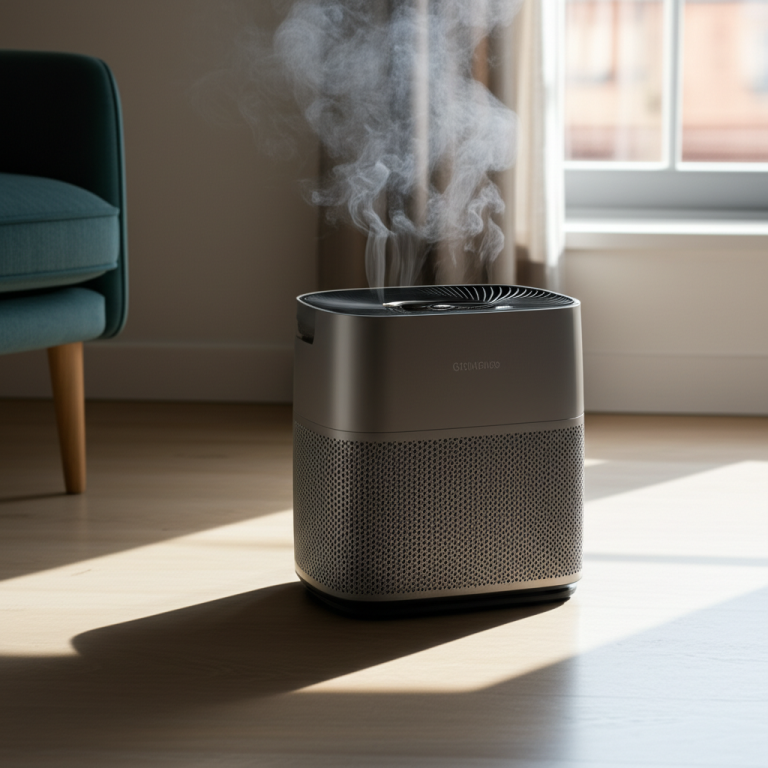
Best Air Purifier for Allergies Under $100: Proven Relief

Best Air Purifier for Allergies Under $100: Proven Relief
Discover the best air purifier for allergies under $100 that can significantly improve your indoor air quality and provide much-needed relief from allergens without breaking the bank. This guide focuses on effective, budget-friendly options to help you breathe easier.
Sneezing fits, itchy eyes, and a stuffy nose can turn your home into a battleground against unseen allergens. Dust mites, pollen, pet dander, and mold spores are common culprits, but thankfully, relief is within reach. Finding an effective air purifier that tackles these irritants doesn’t have to cost a fortune.
Why an Air Purifier is Your Allergy Ally
An air purifier actively removes airborne particles that trigger your allergy symptoms. These devices pull in indoor air, filter out contaminants, and release cleaner air back into your living space. For allergy sufferers, this can mean fewer sniffles and more comfortable days and nights.
Understanding HEPA Filters: The Gold Standard for Allergies
True HEPA (High-Efficiency Particulate Air) filters are the most effective type for capturing microscopic allergy triggers. They are certified to trap at least 99.97% of airborne particles as small as 0.3 microns. This includes common allergens like pollen, pet dander, and dust mite debris.
Key Features to Look For in Budget Air Purifiers
When shopping for an affordable air purifier, prioritize a true HEPA filter. Also, consider the CADR (Clean Air Delivery Rate) to ensure it’s suitable for your room size. Look for multiple filtration stages, quiet operation, and ease of filter replacement.
Top Picks: Best Air Purifier for Allergies Under $100
Finding a quality air purifier under $100 requires careful selection, but several models offer excellent value. These units are designed to tackle common allergens effectively. I’ve researched options that balance performance with affordability.
Coway AP-1512HH Mighty Air Purifier
While sometimes slightly above $100, the Coway AP-1512HH frequently dips below this price point during sales. It boasts a true HEPA filter and an activated carbon filter, making it a powerhouse against odors and allergens. Its smart sensor adjusts fan speed automatically, saving energy.
Pros: Excellent filtration, energy-efficient, quiet operation, stylish design.
Cons: Filter replacements can add to long-term cost.
This purifier is a standout for its comprehensive filtration system and intelligent features, proving that effective allergy relief doesn’t always come with a high price tag. Its ability to adapt to air quality changes makes it a smart choice for consistent comfort.
Levoit Core 300S Smart True HEPA Air Purifier
The Levoit Core 300S is a popular choice for small to medium rooms. It features a 3-stage filtration system, including a true HEPA filter, to capture 99.97% of airborne particles. Its compact size and modern design blend well into any decor.
Pros: True HEPA filter, smart control via app, quiet sleep mode, affordable.
Cons: Best suited for smaller spaces.
The Levoit Core 300S offers impressive performance for its size and price. Its smart capabilities add convenience, allowing you to control settings remotely, ensuring your air is clean even before you arrive home.
GermGuardian AC4825 Air Purifier
This unit is a strong contender for the best air purifier for allergies under $100. It combines a pre-filter, true HEPA filter, and an option for UV-C light sanitization. It’s designed to tackle dust, pollen, pet dander, and even kill airborne bacteria.
Pros: Multi-stage filtration including UV-C, effective for medium rooms, budget-friendly.
Cons: UV-C light can be an unnecessary feature for some.
The GermGuardian AC4825 provides a multi-layered approach to air purification. Its combination of physical filtration and optional UV-C sanitization offers robust protection against a wide range of airborne contaminants.
HATHASPACE Smart Air Purifier 2.0
Often found within the $100 budget, this purifier uses a 5-stage filtration system, including a true HEPA filter. It’s effective for medium to large rooms and includes an activated carbon filter for odor control. Its smart sensor technology optimizes performance.
Pros: 5-stage filtration, good for larger rooms, smart auto mode, quiet.
Cons: Filter replacement cost can be a factor.
The HATHASPACE Smart Air Purifier 2.0 delivers comprehensive air cleaning with its advanced filtration layers. Its ability to handle larger spaces and its smart features make it a versatile and valuable addition to any home seeking allergy relief.
Comparing Top Budget Air Purifiers for Allergies
Here’s a quick comparison to help you decide which best air purifier for allergies under $100 fits your needs.
| Feature | Coway AP-1512HH Mighty | Levoit Core 300S | GermGuardian AC4825 | HATHASPACE 2.0 |
| :————— | :——————— | :————— | :—————— | :————- |
| Filter Type | True HEPA, Carbon | True HEPA, Carbon | True HEPA, UV-C | True HEPA, Carbon |
| Room Size | Medium to Large | Small to Medium | Medium | Medium to Large |
| Smart Features | Auto Mode | App Control | Basic Controls | Auto Mode |
| Price (Approx.) | $90 – $120 | $60 – $90 | $70 – $100 | $90 – $110 |
This table highlights how different models prioritize features within a similar budget range. Consider your room size and desired smart functionalities when making your choice.
Maximizing Your Air Purifier’s Effectiveness
To get the most out of your best air purifier for allergies under $100, placement is key. Position it in the room where you spend the most time, like your bedroom or living room. Ensure it has space around it for optimal airflow.
Regularly clean or replace the filters according to the manufacturer’s instructions. A clogged filter significantly reduces the purifier’s efficiency and can even strain the motor. This simple maintenance ensures your unit continues to perform at its best.
Understanding Coverage Area and CADR Ratings
When selecting an air purifier, pay close attention to its coverage area, usually measured in square feet. The CADR rating indicates how quickly the purifier can clean the air for smoke, dust, and pollen. A higher CADR means faster and more effective air cleaning.
For allergy sufferers, aim for a purifier with a CADR rating that matches or exceeds the size of your room. It’s often recommended to choose a purifier rated for a slightly larger room than you have to ensure optimal performance. This is crucial for effectively removing allergens.
Beyond HEPA: Other Filtration Technologies
While HEPA filters are essential, some purifiers include additional layers of filtration. Activated carbon filters are excellent at adsorbing odors, smoke, and VOCs (Volatile Organic Compounds). Some units offer pre-filters to capture larger particles like hair, extending the life of the HEPA filter.
UV-C light technology is also sometimes included to kill bacteria and viruses. However, for most allergy sufferers, the primary focus should remain on a high-quality HEPA filter. These additional features can offer supplementary benefits but are not always essential for basic allergy relief.
When to Consider a Higher-Priced Model
If you have severe allergies, a very large living space, or specific concerns like significant pet dander issues, you might eventually consider a higher-end model. These often offer greater coverage, more advanced sensors, quieter operation, and more robust filtration systems. However, for many, a well-chosen unit under $100 provides substantial relief.
Frequently Asked Questions About Budget Air Purifiers
What is the most important feature in an air purifier for allergies?
The most crucial feature is a true HEPA filter, which captures at least 99.97% of airborne particles down to 0.3 microns, including common allergens.
Can an air purifier under $100 really help with allergies?
Yes, many affordable air purifiers with true HEPA filters can significantly reduce allergens like pollen, dust, and pet dander, providing noticeable relief.
How often do I need to replace the filters?
Filter replacement frequency varies by model and usage, but typically ranges from 6 to 12 months for HEPA filters. Always check the manufacturer’s recommendations.
Where is the best place to put an air purifier for allergies?
Place it in the room where you spend the most time, especially your bedroom, to maximize relief during sleep and rest. Ensure it has space for air circulation.
Are air purifiers with UV-C light better for allergies?
UV-C light can help kill germs, but it’s not the primary solution for particulate allergens like dust or pollen. A good HEPA filter is more critical for allergy relief.
How noisy are air purifiers under $100?
Noise levels vary, but many budget models offer a quiet ‘sleep’ mode or operate at a low decibel level on lower settings, making them suitable for bedrooms.
Conclusion: Breathe Easier with Smart Choices
Finding the best air purifier for allergies under $100 is entirely achievable with the right knowledge. By focusing on essential features like true HEPA filtration, understanding room coverage, and performing basic maintenance, you can effectively combat airborne allergens without overspending. These budget-friendly options prove that improved indoor air quality and relief from allergy symptoms are accessible to everyone. Start breathing easier today by choosing a purifier that fits your needs and your budget.