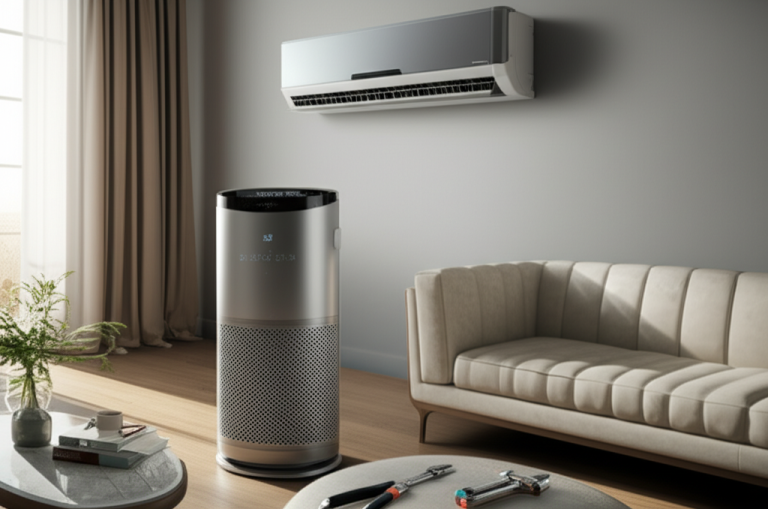
Best Air Purifier For A Small Room: Essential Guide

Finding the best air purifier for a small room is crucial for healthier indoor air. This guide helps you navigate essential features like CADR, HEPA filters, and coverage area to make an informed choice for your compact living space, ensuring cleaner air without overwhelming your budget or room.
Breathing in stale or polluted air in a small room can feel inescapable, leading to discomfort, allergies, and reduced well-being. You might be wondering if an air purifier is the right solution, and more importantly, which one is truly the best air purifier for a small room. The good news is that with the right information, you can easily find a compact yet powerful unit that will transform your personal space. Let’s dive into how to choose the perfect air purifier to make your small room a sanctuary of fresh air.
Why Small Rooms Need Air Purifiers Too
Small rooms, like bedrooms, home offices, or dorm rooms, can concentrate indoor pollutants more intensely due to their limited volume. Dust, pet dander, allergens, and even VOCs from furniture or cleaning products can quickly build up, impacting air quality and your health. An effective air purifier tackles these issues directly, offering a breath of fresh air in even the most confined spaces.
Understanding Key Air Purifier Features for Small Spaces
When searching for the best air purifier for a small room, several core features are paramount. Focusing on these ensures you get maximum benefit without unnecessary bulk or expense. Understanding these will empower you to make a smart purchase.
What is CADR and Why It Matters for Small Rooms
CADR, or Clean Air Delivery Rate, is a crucial metric that measures how quickly an air purifier can clean a specific volume of air. For small rooms, you don’t necessarily need the highest CADR, but one that is appropriately matched to the room’s size. A higher CADR means faster air purification, which is beneficial for quickly removing odors or allergens.
The Importance of HEPA Filters in Compact Purifiers
High-Efficiency Particulate Air (HEPA) filters are the gold standard for capturing airborne particles. A true HEPA filter can trap at least 99.97% of particles 0.3 microns in size, including dust, pollen, mold spores, and pet dander. For a small room, a HEPA filter is non-negotiable for ensuring truly clean air.
Activated Carbon Filters: Tackling Odors and Gases
Beyond particles, many small rooms suffer from lingering odors, smoke, or volatile organic compounds (VOCs) from everyday activities or materials. Activated carbon filters are designed to adsorb these gases and smells, making them an excellent addition to a HEPA filter. This combination ensures a comprehensive approach to air purification.
How to Determine the Right Size and Coverage Area
Choosing an air purifier that’s the right size for your small room is critical for its effectiveness. An undersized unit will struggle to clean the air adequately, while an oversized one might be noisy and unnecessarily expensive. Let’s look at how to match a purifier to your space.
Calculating Room Square Footage
The first step is to measure your room’s dimensions and calculate its square footage (length x width). This will give you a clear idea of the area you need to cover. Most air purifier manufacturers provide recommended room coverage in square feet, making it easy to compare models.
Understanding Air Changes Per Hour (ACH)
Air Changes Per Hour (ACH) indicates how many times the air purifier can cycle all the air in a room within an hour. For optimal air quality, especially for allergy sufferers, aim for an ACH of 4 or 5. This means the purifier will clean your room’s air at least four to five times every hour.
Top Features to Look for in the Best Air Purifier for a Small Room
Beyond the core filtration, several other features can enhance your experience with an air purifier in a small space. These thoughtful additions can make a big difference in convenience and effectiveness.
Noise Levels: Finding a Quiet Companion
In a small room, especially a bedroom or home office, noise can be a significant concern. Look for air purifiers with low decibel ratings on their lower settings, often referred to as “sleep mode.” Many models are designed to operate whisper-quietly, ensuring they don’t disrupt your peace.
Energy Efficiency and Cost of Ownership
Consider the energy consumption of the air purifier, especially if it will be running continuously. Look for Energy Star certified models, which use less electricity and can save you money on your utility bills. Also, factor in the cost of replacement filters, as these are an ongoing expense.
Smart Features and Convenience
Modern air purifiers often come with smart features like app control, scheduling, and air quality sensors that automatically adjust fan speed. These can add a layer of convenience, allowing you to monitor and control your air quality remotely. For a small room, these can be particularly handy for automated adjustments.
Comparing Top Air Purifier Models for Small Rooms
To help you find the best air purifier for a small room, here’s a look at some highly-regarded models that excel in compact spaces. These options balance performance, features, and value.
Model A: The Compact All-Rounder
This model is often praised for its excellent HEPA filtration and quiet operation, making it ideal for bedrooms. Its compact design means it won’t take up much space, yet it offers robust performance for rooms up to 200 square feet. It typically includes an activated carbon filter for odor removal.
Model B: The Budget-Friendly Choice
For those on a tighter budget, this option provides reliable air purification without breaking the bank. It features a multi-stage filtration system, including a HEPA filter, and is well-suited for smaller living areas or personal workspaces. While it might lack some advanced features, it delivers essential clean air.
Model C: The Smart Home Integration
This purifier integrates seamlessly with smart home ecosystems, offering app control and voice commands. It boasts a high CADR for its size and effective multi-layer filtration. It’s a great choice if you value advanced technology and want to monitor your air quality from anywhere.
How to Place Your Air Purifier for Maximum Effectiveness
The placement of your air purifier can significantly impact its ability to clean the air in your small room. Even the best air purifier for a small room needs to be positioned correctly to work its magic.
Optimal Location Strategies
Avoid placing the air purifier directly against walls or furniture, as this can obstruct airflow. Ideally, place it in an open area, such as a corner or near where you spend most of your time. This allows for better circulation and more efficient air intake and purification.
Considering Airflow and Obstructions
Ensure there’s at least a foot of clearance around the air purifier on all sides, especially the intake and exhaust vents. This ensures the unit can draw in air freely and expel cleaned air effectively throughout the room. Check your user manual for specific recommendations.
Maintenance and Filter Replacement: Keeping Your Purifier Running Smoothly
To ensure your air purifier continues to perform at its best, regular maintenance is essential. This includes cleaning the unit and replacing filters as recommended by the manufacturer. Neglecting this can reduce efficiency and even lead to poorer air quality.
Cleaning Your Air Purifier
Periodically, you should wipe down the exterior of the air purifier with a damp cloth. The pre-filter, if your model has one, can usually be vacuumed or rinsed to remove larger dust particles. Always unplug the unit before cleaning.
When and How to Replace Filters
HEPA and activated carbon filters have a limited lifespan and will eventually become clogged with pollutants. Check your air purifier’s manual for the recommended replacement schedule, typically every 6-12 months depending on usage and air quality. Many purifiers have filter indicator lights to remind you.
Frequently Asked Questions About Air Purifiers for Small Rooms
Here are answers to common questions beginner users have about selecting and using an air purifier in a small space.
Can a small air purifier really make a difference in a small room?
Yes, a properly sized air purifier can significantly improve air quality in a small room by removing pollutants like dust, allergens, and odors.
How often should I run my air purifier in a small room?
For best results, it’s recommended to run your air purifier continuously, especially in areas where you spend a lot of time. Many models are energy-efficient for 24/7 operation.
Do I need a HEPA filter for a small room?
Absolutely. A true HEPA filter is essential for capturing microscopic particles like allergens and fine dust, which is crucial for healthy indoor air.
What does “coverage area” mean on an air purifier?
Coverage area refers to the maximum room size (in square feet) that an air purifier is designed to effectively clean within a set amount of time, usually indicated by its CADR.
Are air purifiers noisy in small rooms?
Many modern air purifiers are designed for quiet operation, especially on lower settings. Look for models with low decibel ratings or a dedicated “sleep mode.”
Conclusion: Breathe Easier with the Right Air Purifier
Choosing the best air purifier for a small room doesn’t have to be complicated. By focusing on essential features like HEPA filtration, appropriate CADR, and suitable coverage area, you can significantly enhance the air quality in your personal space. Remember to consider noise levels, energy efficiency, and placement for optimal performance. Investing in the right air purifier for your small room is an investment in your health and well-being, ensuring you can breathe easier and enjoy a fresher, cleaner environment.