
Best Affordable Air Purifier for COVID: Proven Protection

Find the best affordable air purifier for COVID to safeguard your home. This guide explores effective, budget-friendly options proven to capture airborne virus particles, ensuring a healthier living space without breaking the bank.
Breathing clean air is more important than ever, especially with concerns about airborne viruses like COVID-19. Finding an effective air purifier that doesn’t cost a fortune can feel like a challenge. Many options exist, but not all offer the protection you need. I’m here to guide you through selecting the best affordable air purifier for COVID, focusing on proven technologies and smart buying strategies. We’ll break down what to look for and highlight models that deliver excellent value.
Why Air Purifiers Matter for COVID-19 Protection
Air purifiers play a crucial role in reducing the concentration of airborne particles, including viruses, in indoor environments. They work by drawing in air, filtering out contaminants, and releasing cleaner air back into the room. This process can significantly improve indoor air quality, offering an extra layer of defense against airborne pathogens like the SARS-CoV-2 virus.
Investing in an air purifier is a proactive step towards creating a healthier home for you and your loved ones. It’s about peace of mind and tangible improvements to your living space’s air quality. Let’s explore how these devices specifically help combat airborne threats.
How Air Purifiers Combat Airborne Viruses
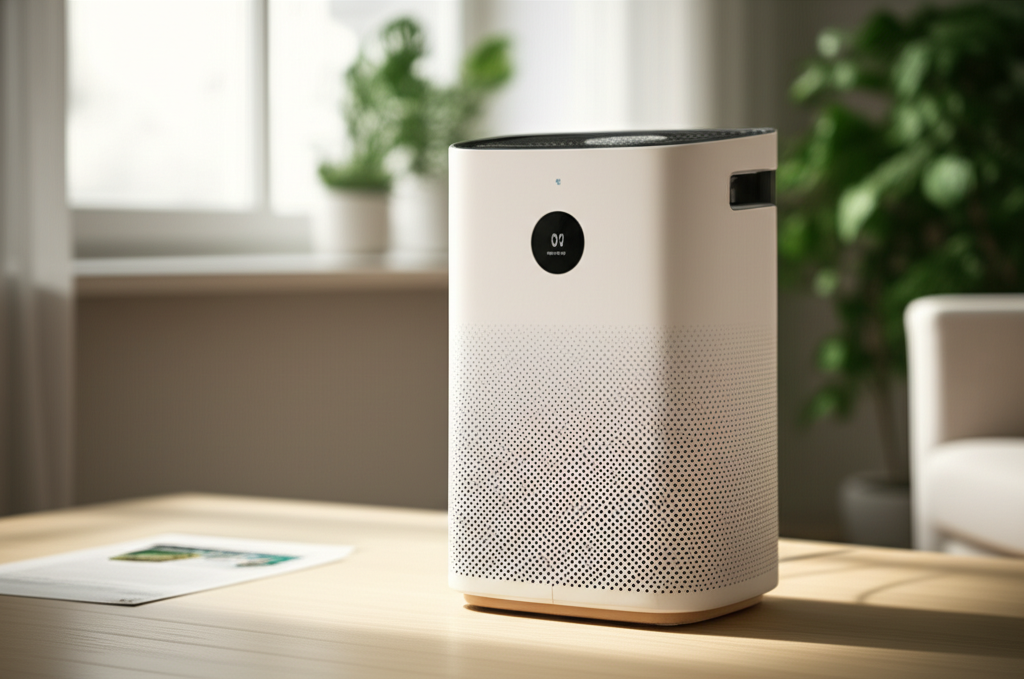
The primary mechanism by which air purifiers help against viruses is filtration. High-efficiency particulate air (HEPA) filters are designed to capture at least 99.97% of airborne particles as small as 0.3 microns. Viruses, including SARS-CoV-2, often travel on larger respiratory droplets or smaller aerosols, which HEPA filters are highly effective at trapping.
Beyond HEPA filters, some purifiers utilize activated carbon filters to remove odors and volatile organic compounds (VOCs). While not directly targeting viruses, cleaner air overall contributes to a healthier environment. Advanced features like UV-C light are also sometimes included, aiming to neutralize captured microorganisms.
Key Features to Look for in an Affordable COVID Air Purifier
When searching for the best affordable air purifier for COVID, prioritize specific features that ensure effective virus capture. A true HEPA filter is non-negotiable, as it’s the gold standard for trapping microscopic particles. Look for a unit with a sufficient Clean Air Delivery Rate (CADR) for your room size to ensure efficient air circulation and filtration.
Consider the noise level, especially if the purifier will be in a bedroom or living area. Energy efficiency is also important for long-term cost savings. Lastly, check for replacement filter costs, as these can add up over time.
The Importance of True HEPA Filters
A “True HEPA” filter is certified to meet stringent standards for particle removal. This means it can trap 99.97% of airborne particles, including dust, pollen, pet dander, mold spores, and crucially, virus-carrying aerosols. Avoid purifiers labeled “HEPA-like” or “HEPA-type,” as they do not meet the same rigorous performance benchmarks.
Ensuring your purifier has a True HEPA filter is paramount for effective protection against airborne pathogens. This component is the workhorse that captures the microscopic threats you want to eliminate from your air. Always verify this specification before making a purchase.
Understanding CADR (Clean Air Delivery Rate)
CADR measures how quickly an air purifier can clean a room of specific pollutants like smoke, dust, and pollen. Higher CADR ratings indicate faster and more effective air purification. For combating viruses, a higher CADR is beneficial as it means more air is processed and filtered per minute.
Match the CADR to your room size. Manufacturers typically provide recommendations for room coverage. A general rule is to choose a purifier with a CADR that is at least two-thirds of the room’s square footage for optimal performance. This ensures the unit can effectively circulate and clean the air in your space.
Activated Carbon and Other Filtration Layers
While HEPA filters are essential for particle capture, activated carbon filters enhance air purification by adsorbing gases, odors, and VOCs. These compounds can originate from cooking, cleaning products, or even off-gassing furniture. An integrated activated carbon layer helps create a more comprehensively clean environment.
Some purifiers also include pre-filters to catch larger particles like hair and dust, extending the life of the HEPA filter. UV-C light technology is sometimes added to neutralize captured microorganisms, though its effectiveness can vary and may not be essential for budget-friendly models. A multi-stage filtration system often provides the best overall air quality improvement.
Top Affordable Air Purifier Models for COVID Protection
Finding a balance between effectiveness and affordability is key. Several brands offer models that provide robust HEPA filtration and adequate CADR without a premium price tag. These units are well-suited for bedrooms, home offices, or smaller living areas where enhanced air quality is desired.
I’ve researched some of the top contenders that consistently receive positive reviews for performance and value. These options focus on core filtration capabilities, ensuring you get proven protection without unnecessary extras.
Coway AP-1512HH Mighty Air Purifier
The Coway AP-1512HH Mighty is a perennial favorite for its excellent performance-to-price ratio. It features a true HEPA filter, an activated carbon filter, and a specialized filter for allergies and asthma. Its smart sensor adjusts fan speed automatically based on air quality, and it’s known for being relatively quiet.
This model offers a robust filtration system that effectively captures airborne particles, including virus-sized ones. It’s a fantastic choice for those seeking reliable protection on a budget. Its energy efficiency also contributes to its overall affordability for long-term use.
Levoit Core 300S Smart True HEPA Air Purifier
Levoit’s Core 300S is another highly-rated affordable option, especially for smaller to medium-sized rooms. It boasts a 3-stage filtration system: a pre-filter, a True HEPA filter, and an activated carbon filter. The “S” in 300S indicates smart capabilities, allowing control via a smartphone app and voice commands.
Its compact design makes it easy to place, and its low noise levels are a plus. For its price point, the inclusion of smart features and effective HEPA filtration makes it a compelling choice for budget-conscious consumers. It provides excellent value for everyday air purification needs.
Winix 5500-2 Air Purifier with True HEPA Filter
The Winix 5500-2 is a well-regarded air purifier that offers a comprehensive filtration system, including a True HEPA filter, washable AOC (Advanced Odor Control) carbon filter, and PlasmaWave technology. PlasmaWave can be turned on or off, offering flexibility in its operation.
This unit is designed for medium to large rooms and has an excellent CADR for its price range. It’s a solid performer that effectively tackles airborne pollutants and allergens, providing peace of mind. Its washable pre-filter also adds to its cost-effectiveness over time.
Comparing Affordable Air Purifier Features
When comparing these budget-friendly options, it’s helpful to see their key specifications side-by-side. This allows for a clear understanding of what each model offers in terms of filtration, room coverage, and additional features.
| Feature | Coway AP-1512HH Mighty | Levoit Core 300S | Winix 5500-2 |
|---|---|---|---|
| Filter Type | True HEPA, Activated Carbon | True HEPA, Activated Carbon, Pre-filter | True HEPA, Washable Carbon, PlasmaWave |
| Room Size Coverage (Sq. Ft.) | ~360 | ~219 | ~360 |
| CADR (Smoke) | 81 CFM | 141 CFM | 137 CFM |
| Noise Level (dB) | 24.4 – 53.8 | 24 – 50 | 28 – 55 |
| Smart Features | Air Quality Sensor | App Control, Voice Control | Air Quality Sensor, Auto Mode |
As you can see, each model offers a compelling set of features for its price. The Winix 5500-2 and Coway AP-1512HH Mighty are excellent for larger spaces, while the Levoit Core 300S offers smart capabilities and a good CADR for its size. Your choice will depend on your specific room dimensions and desired functionalities.
Maximizing Your Air Purifier’s Effectiveness
Simply owning an air purifier isn’t enough; proper placement and maintenance are crucial for optimal performance. Position your unit in a location where air can circulate freely around it, avoiding corners or tight spaces that can impede airflow. Keeping the unit away from obstructions ensures it can effectively draw in and filter air from the entire room.
Regular filter replacement and cleaning are also vital. Clogged filters drastically reduce efficiency and can even become a source of air pollution themselves. Following the manufacturer’s recommendations for filter maintenance will ensure your purifier continues to provide the best possible air quality.
Optimal Placement for Air Circulation
The best place for an air purifier is typically in the room where you spend the most time, such as the bedroom or living room. For maximum effectiveness, place the unit at least a foot or two away from walls and furniture. This allows for unrestricted airflow into the intake vents and out of the clean air exhaust.
Consider placing it on a flat, stable surface. Avoid placing it directly on carpets if possible, as this can clog the intake with fibers. Proper placement ensures the purifier can efficiently process the room’s air volume, maximizing its benefit.
Filter Replacement and Maintenance Schedule
Air purifiers require regular maintenance to function optimally. The pre-filter, if present, should be cleaned (often by vacuuming or washing) every few weeks. True HEPA and activated carbon filters typically need replacement every 6 to 12 months, depending on usage and air quality.
Check your manufacturer’s manual for specific recommendations. Many purifiers have filter replacement indicator lights. Neglecting filter changes will significantly diminish the unit’s ability to capture particles and can lead to reduced airflow. Timely replacement ensures continued protection.
Are There Any Downsides to Affordable Air Purifiers?
While affordable air purifiers offer great value, they might have limitations compared to high-end models. These can include smaller coverage areas, less sophisticated sensors, or fewer advanced features like air quality monitoring or specific pollutant targeting. Some budget models might also be noisier on higher settings.
However, for the core task of capturing airborne particles like viruses using HEPA filtration, many affordable options perform exceptionally well. The key is to prioritize the essential features and understand what you are getting for your investment. You can achieve proven protection without overspending.
Noise Levels and Smart Features
Lower-priced air purifiers may sometimes be noisier, especially when operating at higher fan speeds. This can be a consideration if the unit will be used in a quiet environment like a bedroom. Additionally, advanced smart features, such as detailed air quality reporting or app integration, are often more common in pricier models.
However, many affordable units offer essential smart features like automatic mode based on air quality sensors, which is highly beneficial. Always check reviews for comments on noise levels to ensure it meets your comfort threshold. The trade-off for affordability often lies in these secondary features rather than core performance.
Frequently Asked Questions (FAQ)
What is the most important feature in an air purifier for COVID protection?
The most crucial feature is a True HEPA filter, which captures 99.97% of airborne particles as small as 0.3 microns, including virus-sized particles.
How large of a room can an affordable air purifier cover?
Affordable units typically cover small to medium-sized rooms, ranging from 150 to 400 square feet. Always check the manufacturer’s recommended room size and CADR rating.
How often do I need to replace the filters on an affordable air purifier?
HEPA and carbon filters usually need replacement every 6-12 months, depending on usage and air quality. Pre-filters may need cleaning more frequently.
Can an air purifier completely eliminate the risk of COVID-19 transmission?
No air purifier can completely eliminate risk, but they significantly reduce airborne virus concentration, acting as a complementary measure to other safety practices like vaccination and ventilation.
Are air purifiers with UV-C light more effective against COVID-19?
UV-C light can help neutralize microorganisms, but its effectiveness in air purifiers can vary and depends on exposure time. A True HEPA filter is generally considered the most critical component for virus capture.
Is it worth buying an affordable air purifier for a small apartment?
Yes, even in a small apartment, an affordable air purifier can improve overall indoor air quality and reduce airborne contaminants, offering a valuable layer of protection.
Conclusion: Affordable Protection for a Healthier Home
Securing the best affordable air purifier for COVID is achievable with the right knowledge. Prioritizing True HEPA filtration, appropriate CADR for your space, and understanding filter maintenance are key to effective, budget-friendly protection. Models like the Coway AP-1512HH Mighty, Levoit Core 300S, and Winix 5500-2 offer proven performance without a hefty price tag.
By choosing wisely and maintaining your unit properly, you can significantly improve your indoor air quality and gain peace of mind. Investing in an affordable air purifier is a smart step towards creating a healthier living environment for you and your family, ensuring you breathe easier every day.
