
Are HVAC UV Air Purifiers Worth It? Essential Guide

This essential guide breaks down whether HVAC UV air purifiers are worth the investment for your home, examining their effectiveness against common airborne contaminants and offering advice to help you make an informed decision.
UV air purifiers, often called UV germicidal irradiation (UVGI) systems, are devices that use ultraviolet light to kill or inactivate airborne pathogens like bacteria, viruses, and mold spores. They are typically installed within your HVAC system’s ductwork or near the air handler. The core question for many homeowners is: are HVAC UV air purifiers worth it for improving indoor air quality and protecting their family’s health? This guide will delve into the science, benefits, limitations, and costs to help you decide.
Understanding UV Air Purifiers in Your HVAC System
UV air purifiers harness the power of ultraviolet light, specifically the UV-C spectrum, to neutralize microorganisms. When air passes through the HVAC system, it’s exposed to this light, which damages the DNA or RNA of pathogens, rendering them harmless. This process can significantly reduce the presence of certain airborne contaminants circulating in your home.
How UV-C Light Works Against Microbes
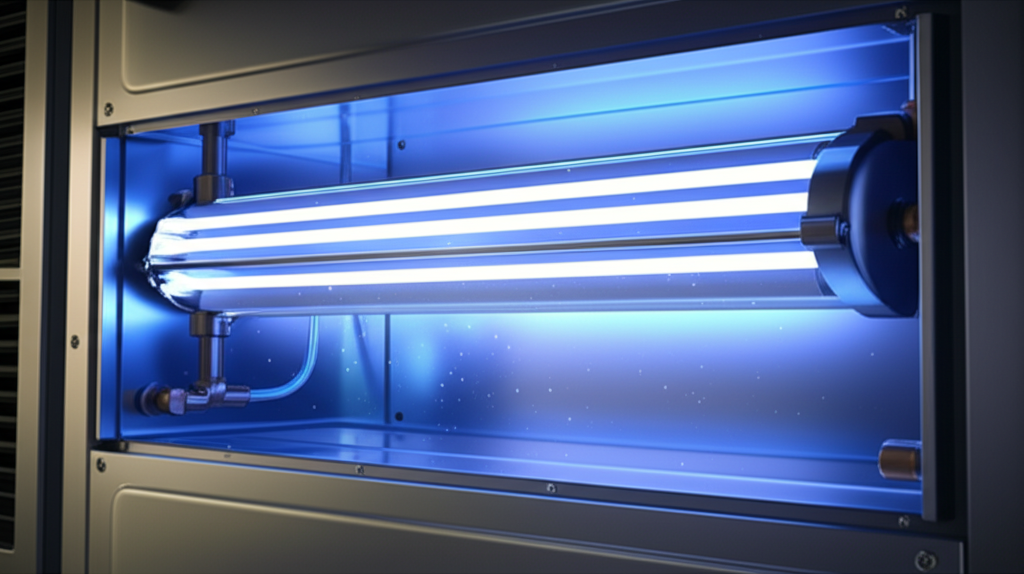
UV-C light has a wavelength that is particularly effective at disrupting the genetic material of viruses, bacteria, and mold. By breaking down their cellular structure, it prevents them from reproducing and causing illness. This makes UVGI a potent tool for sanitation, often used in medical settings.
Installation and Maintenance of UV Air Purifiers
Installing a UV air purifier usually involves placing a UV lamp within the air handler or on the supply side of your ductwork. Maintenance typically includes replacing the UV bulb annually, as its effectiveness diminishes over time. Some systems may require periodic cleaning of the lamp or surrounding components.
Are HVAC UV Air Purifiers Worth It? The Core Benefits
The primary allure of HVAC UV air purifiers lies in their potential to enhance indoor air quality by targeting microscopic threats. They offer a proactive approach to health by reducing the load of airborne pathogens that can exacerbate allergies, asthma, and other respiratory conditions.
Killing Airborne Germs and Viruses
One of the most significant benefits is their ability to neutralize viruses and bacteria circulating through your home’s air. This can be especially valuable during cold and flu seasons, helping to create a healthier living environment. Studies have shown UVGI can effectively inactivate many common respiratory viruses.
Reducing Mold and Mildew Growth
UV-C light can also inhibit the growth of mold and mildew within your HVAC system and on surfaces. By preventing spores from multiplying, it can help maintain cleaner ductwork and reduce the risk of mold-related allergens entering your living space. This is particularly important in humid climates.
Improving Allergy and Asthma Symptoms
For individuals suffering from allergies or asthma, reducing airborne irritants is crucial. UV air purifiers can help by killing or inactivating mold spores, bacteria, and other allergens that might otherwise trigger symptoms. This can lead to more comfortable breathing and fewer flare-ups.
The Limitations: What UV Air Purifiers Don’t Do
While beneficial, it’s essential to understand that UV air purifiers are not a one-size-fits-all solution for every indoor air quality concern. They have specific applications and limitations that homeowners should be aware of before making a purchase.
Not Effective Against All Air Pollutants
UV purifiers are primarily designed to target biological contaminants. They are generally not effective against non-biological pollutants like volatile organic compounds (VOCs) from household products, dust, or pet dander. For these, other air purification methods are more suitable.
Dependence on Airflow and Exposure Time
The effectiveness of UV-C light is dependent on how long the air is exposed to the UV rays. In a typical HVAC system, the air moves quickly, which may limit the germicidal effect unless the UV lamps are powerful and strategically placed. Proper sizing and installation are key.
Potential for Ozone Production
Some UV lamps, particularly older or improperly designed ones, can produce ozone as a byproduct. Ozone is a lung irritant and can worsen respiratory problems. Reputable manufacturers now produce UV lamps designed to minimize or eliminate ozone production, but it’s a factor to consider.
Comparing UV Air Purifiers to Other Air Purification Methods
Understanding how UV air purifiers stack up against other common indoor air quality solutions can help you make the best choice for your home. Each method has its strengths and weaknesses.
HEPA Filters vs. UV Purifiers
High-Efficiency Particulate Air (HEPA) filters excel at physically trapping particles like dust, pollen, and pet dander. They are highly effective for particulate matter but do not kill or inactivate biological contaminants. UV purifiers, conversely, target microorganisms but don’t remove particles from the air. Many homeowners benefit from using both.
Activated Carbon Filters and UV
Activated carbon filters are excellent at absorbing odors, gases, and VOCs. When combined with UV purifiers, you get a multi-stage approach: carbon filters handle gases and odors, while UV targets biologicals. This combination offers a more comprehensive air purification strategy.
Are HVAC UV Air Purifiers Worth It for Your Specific Needs?
The decision of are HVAC UV air purifiers worth it hinges on your specific indoor air quality concerns and your home’s environment. If you’re dealing with prevalent mold issues, frequent sickness in the household, or have individuals with compromised immune systems, UVGI could be a valuable addition.
Factors to Consider for Your Home
Consider the humidity levels in your home, the prevalence of respiratory illnesses, and any known mold or bacterial issues. If your primary concern is dust or VOCs, a HEPA filter or activated carbon system might be more appropriate or a necessary addition.
Cost-Benefit Analysis: Installation and Running Costs
UV air purifiers can range in price from a few hundred to over a thousand dollars for installation, plus the ongoing cost of bulb replacement (typically $50-$150 annually). Weigh this against the potential health benefits and the cost of dealing with mold remediation or frequent illness.
Expert Opinions and Scientific Evidence
Reputable organizations and scientific studies offer insights into the effectiveness of UVGI. The Environmental Protection Agency (EPA) provides information on UVGI’s role in improving indoor air quality, noting its effectiveness against certain airborne pathogens. Research published in journals like the Journal of Applied Microbiology often explores UVGI’s efficacy against specific viruses and bacteria.
Real-World Effectiveness and Studies
Studies have demonstrated that UVGI can significantly reduce the viability of airborne bacteria and viruses, including influenza and coronaviruses, when implemented correctly. However, effectiveness can vary based on UV intensity, exposure duration, and airflow patterns within the HVAC system.
Choosing the Right UV Air Purifier System
If you decide that are HVAC UV air purifiers worth it for your home, selecting the right system is crucial. Look for reputable brands and models that have been tested for effectiveness and safety.
Key Features to Look For
Prioritize UV lamps that are specifically designed for HVAC systems and minimize ozone production. Consider the bulb wattage and placement within your system to ensure adequate exposure time. Look for certifications from recognized bodies if available.
Professional Installation is Recommended
While some UV purifiers are marketed as DIY installations, professional installation by an HVAC technician is highly recommended. They can ensure the unit is correctly sized, positioned for maximum effectiveness, and safely integrated into your existing HVAC system.
Frequently Asked Questions About HVAC UV Air Purifiers
What is the difference between UV air purifiers and HEPA filters?
UV air purifiers use ultraviolet light to kill or inactivate microorganisms, while HEPA filters physically trap particles like dust and pollen. They serve different purposes in improving air quality.
Can UV air purifiers remove odors and VOCs?
No, UV air purifiers are not effective at removing odors or volatile organic compounds (VOCs). For those, activated carbon filters are typically used.
How often do UV bulbs need to be replaced?
UV bulbs generally need to be replaced every 12 months, as their germicidal effectiveness decreases over time.
Are UV air purifiers safe for my home?
When ozone-free models are used and installed correctly, UV air purifiers are generally safe. It’s important to ensure the unit does not produce ozone, which can be harmful to respiratory health.
Will a UV air purifier kill all germs in my house?
While UV purifiers can significantly reduce the number of airborne germs, they may not eliminate all of them, especially those that land on surfaces or are not exposed to the UV light.
Can UV air purifiers help with pet dander?
UV air purifiers do not effectively remove pet dander. HEPA filters are much better suited for capturing dander and other particulate allergens.
Conclusion: Making an Informed Decision on UV Air Purifiers
Ultimately, the question of are HVAC UV air purifiers worth it depends on your individual circumstances and priorities for indoor air quality. They are a valuable tool for targeting airborne biological contaminants like viruses, bacteria, and mold spores, offering a significant health benefit for many households, especially those with allergy or asthma sufferers. However, they are not a comprehensive solution for all air quality issues and do not replace the need for good ventilation and particle filtration.
If you are looking to supplement your existing HVAC system with an added layer of protection against germs, and your budget allows for the initial investment and ongoing maintenance, an HVAC UV air purifier can be a worthwhile addition. Always opt for reputable brands, ensure ozone-free operation, and consider professional installation for optimal performance and safety.
