
Exhaust Fan vs Air Purifier: Essential Choice

Choosing between an exhaust fan and an air purifier hinges on your specific indoor air quality needs. An exhaust fan removes pollutants by venting them outside, ideal for moisture and odors, while an air purifier cleans indoor air by filtering contaminants. Understanding their distinct functions is key to a healthier home environment.
When you think about keeping your home’s air fresh and healthy, two common solutions often come to mind: exhaust fans and air purifiers. It’s easy to get them confused because both aim to improve your indoor air, but they do it in fundamentally different ways. This can leave you wondering which one is the right choice for your home. I’m here to help you navigate this decision, making it clear and simple so you can breathe easier. We’ll explore exactly what each device does, where it shines, and how to pick the best solution for your unique situation.
What is an Exhaust Fan and How Does It Work?
An exhaust fan is designed to remove stale air, moisture, and odors from a specific room and expel them directly outside. Think of your bathroom or kitchen; these are prime locations where an exhaust fan is essential. By creating a negative pressure system, it pulls polluted air out of your home.
This process is crucial for preventing issues like mold growth in bathrooms or lingering cooking smells. Exhaust fans don’t filter the air; they simply replace indoor air with outdoor air. This makes them highly effective for immediate source control of airborne irritants.
What is an Air Purifier and How Does It Work?
An air purifier, on the other hand, is an indoor device that cleans the air circulating within a room. It uses a system of filters, often including HEPA (High-Efficiency Particulate Air) filters, to trap airborne particles like dust, pollen, pet dander, and smoke. Some advanced models also include activated carbon filters to absorb odors and volatile organic compounds (VOCs).
Air purifiers work by drawing in room air, passing it through these filters, and then releasing cleaner air back into the space. This continuous circulation helps reduce the overall concentration of indoor air pollutants. It’s like having a microscopic cleaning crew constantly working to improve your air quality.
Exhaust Fan vs Air Purifier: Understanding the Core Differences
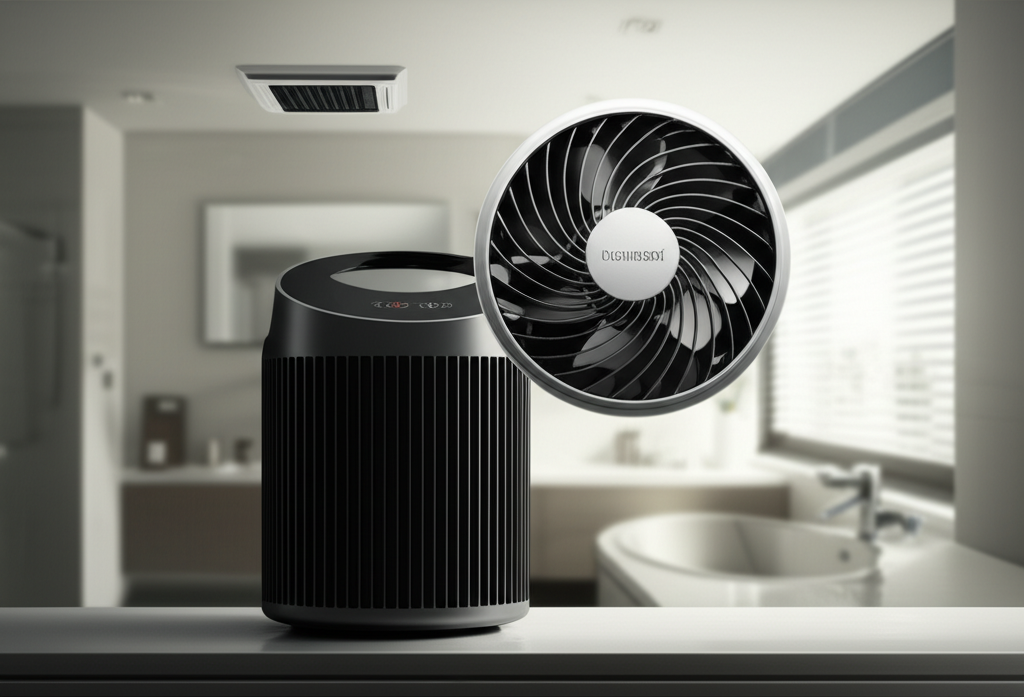
The fundamental difference lies in their primary function and mechanism. An exhaust fan actively removes air from your home and vents it outdoors, tackling specific sources of pollution. An air purifier actively cleans the air that remains inside your home, filtering out a wide range of contaminants.
An exhaust fan is about ventilation, exchanging indoor air for outdoor air. An air purifier is about purification, cleaning the existing indoor air. This distinction is critical when deciding which appliance best suits your needs.
When is an Exhaust Fan the Essential Choice?
You need an exhaust fan when your primary concern is moisture, odors, or specific airborne pollutants generated in a concentrated area. Bathrooms, kitchens, and laundry rooms are prime examples. These fans are vital for preventing humidity buildup, which can lead to mold and mildew.
They are also excellent for quickly clearing out smoke from cooking or strong chemical smells from cleaning products. The direct venting mechanism ensures these unwanted elements don’t linger or spread to other parts of your home. The U.S. Department of Energy recommends using exhaust fans to improve indoor air quality.
Key Scenarios for Exhaust Fans:
Kitchens: Venting cooking fumes, grease, and steam.
Bathrooms: Removing humidity and preventing mold/mildew.
Laundry Rooms: Expelling lint and moisture from dryers.
Workshops: Clearing out dust and fumes from crafts or hobbies.
When is an Air Purifier the Essential Choice?
An air purifier is your best bet when you need to reduce general indoor air pollutants that circulate throughout your living space. This includes common allergens like dust mites, pollen, and pet dander, as well as smoke particles and even some bacteria and viruses. If you suffer from allergies or asthma, an air purifier can provide significant relief.
They are particularly effective in bedrooms or living areas where you spend a lot of time. By continuously filtering the air, they help create a consistently cleaner breathing environment. A study by the Environmental Protection Agency (EPA) highlights the role of air cleaners in reducing indoor air pollutants.
Key Scenarios for Air Purifiers:
Allergies & Asthma: Reducing airborne allergens like pollen, dust, and dander.
Pet Owners: Capturing pet dander and odors.
Smokers/Secondhand Smoke: Filtering out smoke particles and associated odors.
General Air Quality: Reducing fine particulate matter from outdoor pollution that enters the home.
Exhaust Fan vs Air Purifier: A Comparative Look
Let’s break down how these two devices stack up against each other in key areas. Understanding these differences will solidify which one is the right fit for your home’s specific challenges.
| Feature | Exhaust Fan | Air Purifier |
| :—————- | :——————————————- | :————————————————– |
| Primary Action | Vents air outside, removing pollutants. | Filters and cleans air within the room. |
| Target Issues | Moisture, odors, specific generated fumes. | Allergens, dust, smoke, VOCs, general particulate. |
| Mechanism | Fan pulls air out, venting system expels it. | Fan draws air through filters (HEPA, carbon, etc.). |
| Installation | Requires venting to the outside. | Plugs into an electrical outlet, portable. |
| Energy Use | Generally lower, used intermittently. | Varies by model, used continuously for best effect. |
| Maintenance | Cleaning grates, checking motor. | Filter replacement (regularly). |
Can You Use an Exhaust Fan and an Air Purifier Together?
Absolutely! In many cases, using both an exhaust fan and an air purifier provides the most comprehensive approach to indoor air quality. They address different needs and can complement each other effectively. For instance, you might use your bathroom exhaust fan during and after a shower to manage moisture, and then run an air purifier in your bedroom overnight to tackle allergens.
This dual strategy ensures that both immediate pollution sources are handled and that the overall air quality in your living spaces is consistently improved. It’s like having a robust system that tackles problems at their source and cleans up what remains.
Installation and Maintenance Considerations
When it comes to installation, exhaust fans require more effort. They are typically hardwired into your home’s ventilation system and need an external vent. This might involve professional installation, especially for new setups. Maintenance involves cleaning the grates and ensuring the fan motor is clear of debris.
Air purifiers are far simpler. Most models are portable and just need to be plugged into a standard electrical outlet. Their primary maintenance is the regular replacement of filters, which is crucial for their effectiveness. Neglecting filter changes means your air purifier will stop cleaning your air properly.
Cost and Energy Efficiency: Exhaust Fan vs Air Purifier
The initial cost can vary greatly for both. Basic exhaust fans are generally inexpensive, while high-end models with advanced features can be pricier. Their energy consumption is usually low, especially since they are often used for short periods.
Air purifiers have a wider price range, from budget-friendly units to premium models with smart features. Their ongoing cost includes electricity and filter replacements. For continuous use, their energy consumption can be a factor, though many modern units are quite energy-efficient. According to Energy Star, “ENERGY STAR certified air cleaners use at least 20% less energy than standard models.”
Which is Better for Specific Pollutants?
Moisture & Odors: An exhaust fan is superior. It directly removes the source of moisture and smells.
Dust & Allergens: An air purifier excels. Its HEPA filters are designed to capture these tiny particles.
Cooking Fumes: An exhaust fan in the kitchen is essential for immediate removal. An air purifier can help with residual smells.
Smoke: Both can help. An exhaust fan can vent smoke from a fire or cooking, while an air purifier is crucial for filtering lingering smoke particles and odors, especially from cigarettes.
VOCs (Volatile Organic Compounds): Air purifiers with activated carbon filters are effective at absorbing VOCs emitted from paints, cleaning products, and furniture.
Making the Right Choice for Your Home
Deciding between an exhaust fan vs air purifier isn’t about which is “better” overall, but which is better for your* specific needs. If you’re battling bathroom humidity or kitchen smells, an exhaust fan is your first line of defense. If you’re dealing with widespread allergens, dust, or lingering odors throughout your home, an air purifier is likely the more effective solution.
Consider the primary air quality concerns in each room. For areas prone to moisture and odor generation, an exhaust fan is paramount. For general living spaces where you want to reduce airborne irritants, an air purifier will provide continuous cleaning.
Frequently Asked Questions (FAQ)
Do I need an exhaust fan if I have an air purifier?
Yes, if you have areas prone to moisture or strong odors, like bathrooms or kitchens. An exhaust fan vents pollutants outside, which an air purifier cannot do. They serve different, complementary purposes.
Can an air purifier remove humidity?
No, air purifiers are not designed to remove humidity. For humidity control, you need a dehumidifier or an exhaust fan. Excessive humidity can lead to mold and mildew growth.
How often should I replace air purifier filters?
This depends on the model and your air quality. Typically, HEPA filters need replacement every 6-12 months, and pre-filters or carbon filters may need more frequent attention. Always check your manufacturer’s recommendations.
Will an exhaust fan help with allergies?
An exhaust fan primarily helps by removing specific sources of pollutants like moisture and odors, which can indirectly affect air quality. However, it does not filter the air for allergens like dust or pollen. For that, an air purifier is more effective.
Is it better to run an exhaust fan or an air purifier continuously?
It depends on the function. Exhaust fans are usually used intermittently when a specific source of pollution is present. Air purifiers are often recommended for continuous operation to maintain optimal air quality in a room.
Can I install an exhaust fan myself?
Basic exhaust fan installations in existing vents might be manageable for some DIYers, but for new installations requiring ductwork and wiring, professional help is strongly advised for safety and effectiveness.
Conclusion: Your Path to Fresher Air
Ultimately, the choice between an exhaust fan vs air purifier depends on the specific air quality challenges you face in your home. An exhaust fan is your go-to for actively removing moisture, odors, and localized pollutants by venting them outdoors. An air purifier is your ally for continuously cleaning and filtering the air within your living spaces, targeting allergens, dust, smoke, and other airborne particles.
For the most comprehensive solution, consider using both in harmony. Address moisture and odor issues with targeted exhaust fans, and maintain consistently cleaner air in your main living areas with an effective air purifier. By understanding their distinct roles, you can make an informed decision that leads to a healthier, more comfortable home environment for you and your family. I hope this guide has clarified the essential differences and helped you determine the best choice for your needs.
