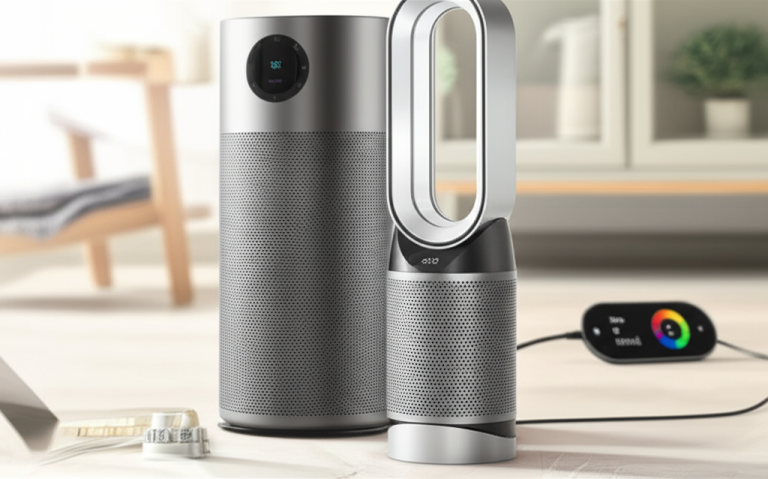
Are Air Purifiers Good For Health? Essential Benefits Revealed

Yes, air purifiers are good for health, significantly improving indoor air quality by removing allergens, pollutants, and pathogens, leading to fewer respiratory issues, better sleep, and overall well-being.
Are Air Purifiers Good For Health? Essential Benefits Revealed
Breathing clean air is fundamental to our health, yet indoor environments can often be more polluted than outdoor ones. Dust, pet dander, pollen, mold spores, and even volatile organic compounds (VOCs) from everyday products can accumulate, triggering allergies, asthma, and other respiratory problems. This can be frustrating, especially when you’re trying to create a healthy sanctuary at home. But what if there was a simple solution to significantly improve your indoor air quality? This article will explore the essential benefits of air purifiers and reveal why they are a valuable addition to any health-conscious household.
The Science Behind Cleaner Air: How Air Purifiers Work
Air purifiers are designed to improve indoor air quality by filtering out airborne contaminants. They typically draw in air from a room, pass it through a series of filters, and then recirculate cleaner air back into the space. This process effectively removes particles that can negatively impact our health. Understanding how they function is the first step to appreciating their health benefits.
The core of most air purifiers lies in their filtration systems. High-efficiency particulate air (HEPA) filters are the gold standard, capable of capturing at least 99.97% of airborne particles 0.3 microns in size. This includes microscopic allergens like dust mites, pollen, and pet dander. Many purifiers also incorporate activated carbon filters to absorb odors and gases, like those from cooking or cleaning products.
Understanding Different Air Purifier Technologies
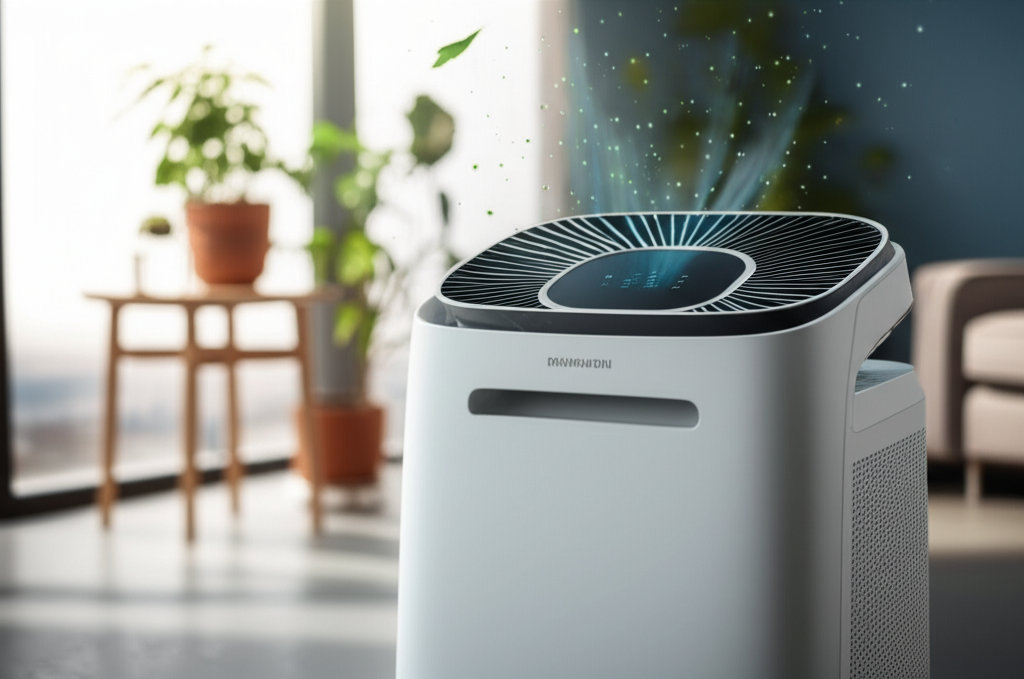
Beyond HEPA and carbon filters, various technologies exist, each with its strengths and potential drawbacks. Ionizers, for example, release negative ions that attach to airborne particles, causing them to clump together and fall out of the air. UV-C light purifiers use ultraviolet radiation to kill bacteria and viruses. It’s important to choose a technology that best suits your needs and air quality concerns.
Some purifiers combine multiple technologies for comprehensive air cleaning. For instance, a unit might feature a pre-filter for larger particles, a HEPA filter for fine particles, an activated carbon filter for odors, and a UV-C light for microorganisms. This multi-stage approach ensures a thorough removal of a wide range of airborne pollutants. Always research the specific technologies used by a model to ensure it aligns with your health goals.
Essential Health Benefits of Using an Air Purifier
So, are air purifiers good for health? The evidence overwhelmingly points to yes, offering a range of tangible benefits for individuals and families. By actively removing pollutants, these devices can make a noticeable difference in your daily life. Let’s delve into the specific ways they contribute to a healthier living environment.
1. Allergy Relief: Breathing Easier with Cleaner Air
For allergy sufferers, air purifiers can be a game-changer. They effectively trap common allergens like pollen, dust mites, pet dander, and mold spores that often trigger sneezing, itchy eyes, and congestion. Reducing your exposure to these triggers can significantly alleviate allergy symptoms, allowing you to enjoy your home more comfortably. This is particularly beneficial during peak allergy seasons.
By continuously filtering these microscopic irritants, air purifiers help minimize the airborne concentration of allergens. This means less chance of them landing on surfaces or being inhaled, providing much-needed relief. Many users report a noticeable decrease in allergy symptoms within days of using a quality air purifier.
2. Asthma Symptom Management: A Breath of Fresh Air for Asthmatics
Individuals with asthma often find their symptoms exacerbated by poor indoor air quality. Air purifiers can help by removing irritants like smoke, dust, and pet dander that can trigger asthma attacks. Creating a cleaner breathing environment can lead to fewer flare-ups and an improved quality of life for asthmatics. This makes them a valuable tool for managing this chronic respiratory condition.
The consistent removal of fine particulate matter is crucial for asthmatics. These particles can inflame airways, making breathing difficult. An air purifier with a HEPA filter can effectively capture these irritants, helping to maintain clearer airways and reduce the frequency and severity of asthma symptoms.
3. Removal of Odors and VOCs: Eliminating Unpleasant Smells and Harmful Gases
Beyond allergens and asthma triggers, air purifiers can tackle unwanted odors from cooking, pets, smoke, and even the off-gassing of chemicals from furniture and cleaning supplies (VOCs). Activated carbon filters are particularly adept at adsorbing these gaseous pollutants, leaving your home smelling fresher and reducing exposure to potentially harmful substances. This leads to a more pleasant and healthier living space.
VOCs can contribute to headaches, dizziness, and long-term health issues. By effectively filtering them out, air purifiers contribute to a safer indoor environment. This benefit extends beyond just pleasant smells, impacting the overall healthfulness of your home.
4. Improved Sleep Quality: Uninterrupted Rest for Better Health
Clean air can directly contribute to better sleep. When your airways are clear and you’re not being irritated by allergens or pollutants, you’re more likely to experience deeper, more restful sleep. This can lead to increased energy levels, improved mood, and better overall health. A good night’s sleep is crucial for physical and mental recovery.
By reducing congestion and respiratory irritation, air purifiers can help eliminate nighttime awakenings caused by breathing difficulties. This allows your body to enter the restorative stages of sleep more effectively, leading to significant improvements in how you feel each day.
5. Protection Against Airborne Viruses and Bacteria: A Healthier Shield
While not a substitute for proper hygiene, some air purifiers, particularly those with UV-C light technology, can help neutralize airborne viruses and bacteria. By reducing the concentration of these pathogens in your home, they can contribute to a healthier environment, especially during cold and flu season. This offers an additional layer of protection for your family’s well-being.
The effectiveness of UV-C light can vary, but when combined with HEPA filtration, it offers a more robust approach to airborne pathogen control. This can be especially reassuring for households with young children, the elderly, or immunocompromised individuals.
6. Reduced Exposure to Smoke Particles: For Smokers and Non-Smokers Alike
For households with smokers, an air purifier is essential for removing smoke particles and odor from the air. However, even in non-smoking homes, smoke from wildfires or neighboring properties can infiltrate, carrying harmful particulate matter. Air purifiers equipped with HEPA filters can effectively capture these dangerous particles, safeguarding your respiratory health.
Smoke contains a complex mixture of gases and fine particles, many of which are highly damaging to the lungs. A good air purifier can significantly reduce exposure, creating a safer indoor environment for everyone, regardless of whether smoking occurs within the home.
7. Potential Benefits for Pets: Cleaner Air for Furry Friends
Just like humans, pets can suffer from allergies and respiratory issues. Air purifiers can help by removing pet dander, which is a common allergen for humans, but also by cleaning the air of other airborne irritants that might affect your pet’s health. Cleaner air benefits everyone in the household, including your beloved animals.
Reducing airborne allergens can make your home more comfortable for both you and your pets, leading to a happier and healthier coexistence. Many pet owners find that air purifiers significantly reduce pet-related odors as well.
Choosing the Right Air Purifier for Your Needs
With various models and technologies available, selecting the best air purifier can seem daunting. Consider the size of the room you intend to use it in, the specific pollutants you want to target (allergens, odors, smoke), and your budget. Look for units with Energy Star certification for energy efficiency.
Here’s a simple guide to help you choose:
| Feature/Need | Recommended Technology | Key Considerations |
| :—————— | :————————————————— | :—————————————————————————— |
| General Allergens | HEPA Filter | CADR (Clean Air Delivery Rate) for room size, filter replacement cost. |
| Pet Dander/Odor | HEPA Filter + Activated Carbon Filter | Larger carbon filter capacity for better odor absorption. |
| Smoke/VOCs | HEPA Filter + Substantial Activated Carbon Filter | Look for specific mentions of VOC removal; consider higher air changes per hour. |
| Viruses/Bacteria| HEPA Filter + UV-C Light (optional) | Ensure UV-C light is enclosed and safe; check for ozone production. |
| Ozone Sensitivity| Avoid Ionizers and Ozone Generators | Opt for HEPA and Activated Carbon only; ensure no ozone emissions. |
Consulting resources like the Environmental Protection Agency (EPA) can provide further guidance on indoor air quality and air purification technologies. Brands like Coway, Blueair, and Levoit offer a range of well-regarded models catering to different needs.
Are Air Purifiers Good For Health? The Verdict
Ultimately, the question of “are air purifiers good for health?” receives a resounding yes. By diligently filtering out a wide array of airborne contaminants, they contribute significantly to a healthier indoor environment. From alleviating allergy and asthma symptoms to reducing odors and potentially even combating airborne pathogens, the benefits are substantial and well-documented. Investing in a quality air purifier is an investment in your well-being and that of your family.
Frequently Asked Questions About Air Purifiers
Q1: Do air purifiers actually work?
Yes, air purifiers work by drawing in air and passing it through filters that capture pollutants like dust, pollen, pet dander, and smoke. High-efficiency particulate air (HEPA) filters are especially effective at removing fine particles, significantly improving indoor air quality.
Q2: Are air purifiers safe to use all day?
For the most part, yes. Modern air purifiers are designed for continuous operation and are safe to use throughout the day and night. It’s always wise to follow the manufacturer’s instructions and ensure the unit is placed in a well-ventilated area.
Q3: Do air purifiers produce ozone?
Some types of air purifiers, particularly ionizers and ozone generators, can produce ozone as a byproduct. Ozone can be harmful to respiratory health. If you are sensitive, it’s best to choose purifiers that use HEPA and activated carbon filters and are certified as ozone-free.
Q4: How often should I replace air purifier filters?
Filter replacement frequency depends on the model and usage, but generally, HEPA filters need replacement every 6-12 months, and activated carbon filters may need replacing every 3-6 months. Check your manufacturer’s manual for specific recommendations.
Q5: Can air purifiers help with COVID-19?
While air purifiers are not a substitute for recommended public health measures like vaccination and masking, they can help reduce the concentration of airborne virus particles in indoor spaces. HEPA filters are effective at capturing small particles, including viruses.
Q6: Are expensive air purifiers better than cheap ones?
Not necessarily. While higher-end models may offer more advanced features or greater coverage, many affordable air purifiers with HEPA and activated carbon filters can be very effective. It’s more important to choose a purifier appropriate for your room size and specific air quality concerns.
Conclusion
In conclusion, the evidence strongly supports the idea that air purifiers are indeed good for health. They offer a practical and effective way to combat the pervasive issue of indoor air pollution. By reducing exposure to allergens, asthma triggers, odors, VOCs, and even certain airborne pathogens, air purifiers contribute to a healthier, more comfortable living environment. For anyone seeking to improve their respiratory health, sleep quality, and overall well-being, investing in a quality air purifier is a wise and beneficial decision.