
Are Air Purifiers Good For Asthma: Proven Relief!

Yes, air purifiers can be very good for asthma relief by significantly reducing common asthma triggers found in indoor air, such as allergens, pollutants, and irritants. They offer a proven way to improve air quality, leading to fewer asthma symptoms and a better quality of life for sufferers.
Living with asthma can feel like a constant battle against invisible triggers in your own home. From dust mites and pet dander to pollen and smoke, these airborne irritants can turn a peaceful environment into a source of discomfort and anxiety. You might be wondering if there’s a simple solution to breathe easier. This article will explore how air purifiers can be a powerful tool in your asthma management arsenal, providing proven relief and helping you reclaim your home as a sanctuary.
The Science Behind Asthma and Indoor Air Quality
Asthma is a chronic respiratory condition characterized by inflammation and narrowing of the airways. This inflammation makes the airways sensitive to various triggers, leading to symptoms like wheezing, coughing, shortness of breath, and chest tightness. Indoor air can often be more polluted than outdoor air, containing a cocktail of allergens and irritants that can exacerbate asthma. Understanding these triggers is the first step toward effective management.
Indoor air pollutants, including dust mites, pet dander, mold spores, and volatile organic compounds (VOCs), are common culprits that can set off asthma symptoms. These microscopic particles can linger in the air and settle on surfaces, making them difficult to avoid. When inhaled, they trigger an inflammatory response in the sensitive airways of individuals with asthma. Therefore, improving indoor air quality is paramount for asthma sufferers.
Common Asthma Triggers in the Home
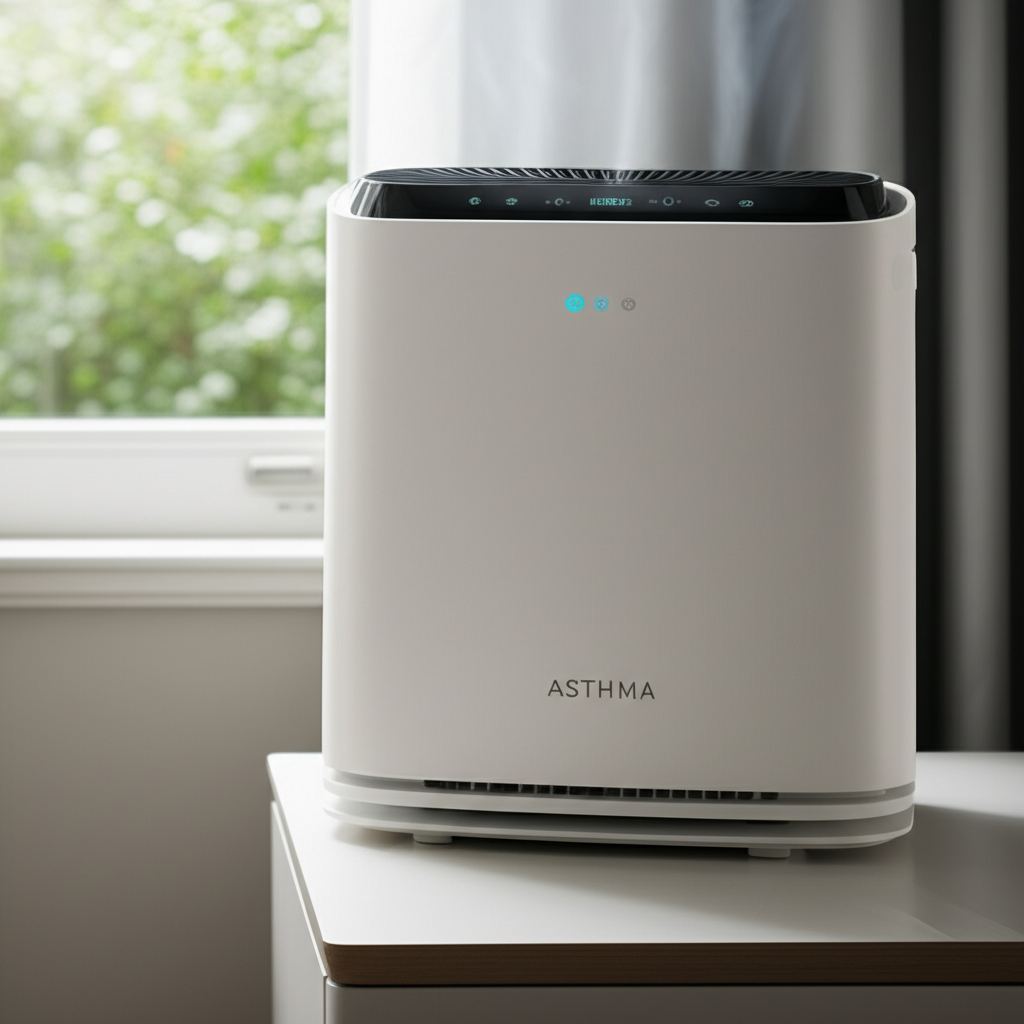
Several everyday elements within our homes can significantly worsen asthma symptoms. These are the microscopic invaders that can make breathing difficult for those with sensitive airways. Identifying and mitigating these triggers is crucial for effective asthma control.
- Dust Mites: Tiny creatures that thrive in bedding, carpets, and upholstery, their waste products are potent allergens.
- Pet Dander: Microscopic flakes of skin shed by animals with fur or feathers, often carried on clothing and furniture.
- Mold Spores: Fungi that grow in damp areas like bathrooms, kitchens, and basements, releasing spores into the air.
- Pollen: Tiny grains released by plants that can easily enter homes through open windows and doors.
- Smoke and VOCs: From tobacco smoke, cooking fumes, cleaning products, and building materials, these can irritate the airways.
By understanding these common culprits, we can better appreciate the role a good air purification system can play.
How Air Purifiers Work to Combat Asthma Triggers
Air purifiers are designed to capture airborne particles and gases, effectively cleaning the air you breathe. They draw in air, pass it through a series of filters, and release cleaner air back into the room. This process is vital for reducing the concentration of asthma triggers, offering a tangible improvement in air quality.
The effectiveness of an air purifier lies in its filtration system. High-quality purifiers utilize multiple stages of filtration, including pre-filters, HEPA filters, and activated carbon filters, to tackle a wide range of pollutants. This multi-pronged approach ensures that various types of asthma triggers are captured, leading to a healthier indoor environment.
The Power of HEPA Filters
High-Efficiency Particulate Air (HEPA) filters are the gold standard for capturing microscopic particles. True HEPA filters are certified to remove at least 99.97% of airborne particles 0.3 microns in size. This includes common asthma triggers like dust, pollen, pet dander, and mold spores, making them incredibly effective for asthma sufferers.
These filters work by forcing air through a fine mesh that traps particles. The size of the particles they capture is crucial, as many asthma-triggering allergens are in this size range. Therefore, an air purifier equipped with a genuine HEPA filter is a cornerstone of improving air quality for asthma management.
The Role of Activated Carbon Filters
While HEPA filters excel at capturing physical particles, activated carbon filters are designed to tackle gases and odors. They are particularly effective at adsorbing Volatile Organic Compounds (VOCs) released from paints, cleaning supplies, and furniture, as well as smoke and cooking smells. These gases can also irritate asthma airways.
Activated carbon has a porous structure that traps gas molecules. This adsorption process removes harmful chemicals and unpleasant odors from the air, further contributing to a cleaner breathing environment. For individuals sensitive to fumes and chemical irritants, an activated carbon filter is an indispensable component of an air purifier.
Scientific Evidence: Air Purifiers and Asthma Relief
Numerous studies have investigated the impact of air purifiers on asthma symptoms and lung function. Research consistently shows that using air purifiers can lead to a significant reduction in asthma exacerbations and an improvement in overall respiratory health. These findings provide robust evidence for their benefit.
For instance, a study published in the journal Environmental Health Perspectives found that portable air cleaners with HEPA filters could reduce exposure to fine particulate matter and alleviate asthma symptoms in children. Another review in the journal Allergy highlighted that air filtration is a promising strategy for reducing allergic sensitization and asthma development, especially in high-risk individuals.
Key Study Findings and Expert Opinions
Research consistently points to the efficacy of air purifiers in improving asthma outcomes. Studies have documented reduced doctor visits, fewer missed school days, and less reliance on asthma medications in households that utilize air purifiers.
The American Academy of Allergy, Asthma & Immunology (AAAAI) acknowledges that air purifiers can be a helpful adjunct to other asthma management strategies. They recommend using purifiers with HEPA filters in bedrooms, as this is where individuals spend a significant amount of time, allowing for continuous exposure to cleaner air during rest.
Meta-Analyses and Clinical Trials
Comprehensive reviews and meta-analyses of multiple studies offer a powerful overview of the evidence. These analyses often pool data from various clinical trials, providing stronger statistical power and more reliable conclusions. The consensus from such analyses often supports the use of air purifiers for asthma symptom reduction.
For example, a systematic review published in the journal Cochrane Database of Systematic Reviews examined the effects of air filters on asthma. While acknowledging the need for more high-quality research, the review suggested that air filtration might reduce symptoms and medication use in people with asthma, particularly those with allergies.
Choosing the Right Air Purifier for Asthma
Selecting an air purifier involves considering several factors to ensure it effectively addresses your specific asthma triggers and home environment. Not all air purifiers are created equal, and a well-chosen unit can make a significant difference in your respiratory health.
The most critical features to look for include a True HEPA filter, appropriate coverage area for your room size, and low noise levels. Additionally, consider the energy efficiency and maintenance requirements of the unit. A thoughtful selection process ensures you get the best value and most effective relief.
Essential Features to Look For
When shopping for an air purifier, prioritize features that directly benefit asthma management. These are the non-negotiables for creating a healthier indoor atmosphere.
- True HEPA Filter: Essential for capturing 99.97% of particles down to 0.3 microns.
- Activated Carbon Filter: Crucial for adsorbing gases, odors, and VOCs.
- CADR (Clean Air Delivery Rate): Indicates how quickly the purifier can clean a room of specific pollutants (smoke, dust, pollen). Higher is better for larger rooms.
- Room Size Coverage: Ensure the purifier’s capacity matches the square footage of the room where it will be used.
- AHAM Verified: Look for certification from the Association of Home Appliance Manufacturers for reliable performance data.
- Low Noise Level: Especially important for bedrooms, look for units with a low decibel (dB) rating on lower settings.
These features work in synergy to deliver cleaner air, crucial for those with asthma.
Understanding CADR and Room Size
The Clean Air Delivery Rate (CADR) is a standardized measure of an air purifier’s effectiveness. It indicates how much clean air the unit can produce for specific pollutants: smoke, dust, and pollen. A higher CADR means the purifier works faster and more efficiently.
It’s vital to match the purifier’s CADR to the size of your room. A general rule of thumb is to choose a purifier with a CADR rating that is at least two-thirds of the room’s square footage for optimal performance. For example, a 150 sq ft room would benefit from a purifier with a smoke CADR of around 100.
What to Avoid: Ozone and Ionizers
While some air purifiers use ozone generators or ionizers, these technologies can be problematic for individuals with asthma. Ozone is a lung irritant and can worsen asthma symptoms. Ionizers can produce ozone as a byproduct, and while some are designed to minimize this, it’s generally safer to avoid them altogether if you have asthma.
The U.S. Environmental Protection Agency (EPA) advises caution with ozone-generating air cleaners, as they can be harmful. Stick to purifiers that rely on mechanical filtration (HEPA and activated carbon) for the safest and most effective air cleaning for asthma management.
Optimizing Air Purifier Use for Maximum Asthma Relief
Simply owning an air purifier isn’t enough; strategic placement and consistent use are key to maximizing its benefits for asthma. Thinking about where and when you use it can significantly enhance its effectiveness in reducing symptom triggers.
Placing the air purifier in the room where you spend the most time, especially your bedroom, is crucial. Running it consistently, particularly during peak allergy seasons or when pollution levels are high, ensures a continuous supply of cleaner air. Regular maintenance is also paramount.
Strategic Placement: Where to Put Your Purifier
The bedroom is often the most critical location for an air purifier. Since you spend a significant portion of your time sleeping, ensuring this space is free of allergens and irritants can lead to more restful sleep and fewer nighttime asthma exacerbations.
Consider placing the air purifier in corners or areas with good airflow, away from walls or furniture that might obstruct the intake or outflow of air. This allows the unit to circulate and filter air more effectively throughout the entire room. For larger homes, multiple units or a whole-house system might be considered.
Maintenance is Key: Filter Replacement and Cleaning
Air purifiers require regular maintenance to function optimally. Clogged filters become less effective at capturing pollutants and can even become a source of allergens themselves. Following the manufacturer’s recommendations for filter replacement is essential.
Pre-filters, which capture larger particles like hair and dust, should be cleaned or replaced more frequently. True HEPA and activated carbon filters typically need replacement every 6 to 12 months, depending on usage and air quality. Keeping your air purifier well-maintained ensures it continues to provide clean air.
Integrating Air Purifiers into a Comprehensive Asthma Management Plan
Air purifiers are a valuable tool, but they are not a standalone cure for asthma. They work best when integrated into a broader strategy that includes medical advice, medication, and lifestyle adjustments. A holistic approach ensures the best possible outcomes for managing your condition.
Consulting with your doctor or an allergist is the first step in developing a personalized asthma management plan. They can help identify your specific triggers and recommend the most appropriate combination of treatments, which may include air purification.
Working with Your Healthcare Provider
Your doctor is your primary resource for managing asthma. Discuss your interest in using an air purifier with them. They can offer guidance on the types of purifiers that might be most beneficial based on your individual triggers and medical history.
Your healthcare provider can also assess the effectiveness of your current asthma treatment plan and advise on how an air purifier can complement your prescribed medications and therapies. They can help you understand if an air purifier is a suitable addition to your care regimen.
Lifestyle Adjustments to Complement Air Purification
While air purifiers tackle airborne triggers, other lifestyle changes can further reduce your exposure. Regular cleaning, controlling humidity, and avoiding known irritants are crucial complementary steps.
- Regular Cleaning: Frequent dusting with a damp cloth and vacuuming with a HEPA-filter vacuum can significantly reduce dust mite allergens.
- Humidity Control: Keeping indoor humidity levels between 30-50% can help prevent mold growth and reduce dust mite populations.
- Allergen Avoidance: Minimize exposure to smoke, strong fragrances, and other known irritants.
- Bedding Protection: Use allergen-proof covers for mattresses and pillows to create a barrier against dust mites.
These practices, combined with air purification, create a powerful defense against asthma triggers.
Are Air Purifiers Good for Asthma: The Verdict
The evidence overwhelmingly suggests that air purifiers are a beneficial tool for individuals managing asthma. By effectively removing common airborne allergens and irritants, they can significantly reduce symptom frequency and severity. This translates to improved breathing, better sleep, and an enhanced overall quality of life.
When chosen wisely and used correctly as part of a comprehensive asthma management plan, air purifiers offer a proven pathway to a more comfortable and healthier living environment. They empower individuals to take proactive control of their respiratory well-being, transforming their homes into havens of clean air.
Frequently Asked Questions (FAQ)
Here are some common questions about air purifiers and their role in asthma management.
Can an air purifier cure asthma?
No, air purifiers cannot cure asthma. Asthma is a chronic condition, and air purifiers are a management tool that helps reduce exposure to triggers, thereby alleviating symptoms. They are most effective when used alongside medical treatment and other lifestyle adjustments recommended by a healthcare professional.
How often should I run my air purifier?
For maximum benefit, it is recommended to run your air purifier continuously, especially in the bedroom or main living areas. This ensures a constant reduction of airborne triggers. You can adjust settings based on your needs, such as running it on a higher setting during peak allergy seasons or when air quality is poor.
Are air purifiers noisy?
Air purifier noise levels vary by model and fan speed. Many modern units are designed to be quiet, especially on lower settings, making them suitable for bedrooms. Always check the decibel (dB) rating before purchasing if noise is a concern.
What is the difference between an air purifier and an air filter?
An air purifier is a complete appliance that draws in air, passes it through filters, and releases cleaner air back into the room. An air filter is a component within an air purifier (or HVAC system) that traps pollutants. While HVAC filters help, dedicated air purifiers often offer more advanced filtration (like HEPA) and are specifically designed for room-level air cleaning.
How do I know if my air purifier is working?
You can often tell if your air purifier is working by noticing a reduction in airborne dust, fewer odors, and a decrease in your asthma symptoms. Some purifiers have indicator lights for filter status or air quality. Regularly checking and replacing filters according to the manufacturer’s instructions is also a good indicator of ongoing function.
Can I use an air purifier if I have allergies as well as asthma?
Yes, air purifiers are highly recommended for individuals with both allergies and asthma. Many common allergens, such as pollen, dust mites, and pet dander, are also significant asthma triggers. By removing these allergens, air purifiers can help manage both conditions simultaneously.
Conclusion: Breathe Easier with Cleaner Air
In conclusion, the question of are air purifiers good for asthma receives a resounding affirmative. They are a scientifically-backed, effective method for reducing indoor asthma triggers and improving respiratory health. By capturing allergens, pollutants, and irritants, air purifiers create a sanctuary of cleaner air, leading to fewer asthma symptoms and a better quality of life.
Investing in a quality air purifier with a True HEPA filter and activated carbon is a proactive step towards better asthma management. When integrated with medical advice and healthy lifestyle choices, these devices offer proven relief, empowering you to breathe easier and enjoy your home more fully. Take control of your indoor air quality and experience the difference clean air can make.
