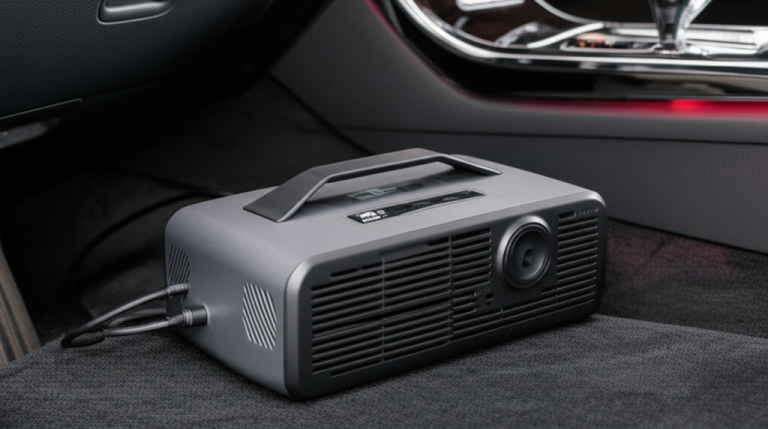
Are Air Purifiers With Ionizers Safe? Essential Guide

Yes, air purifiers with ionizers are generally considered safe for most people when used correctly and according to manufacturer guidelines. Concerns often stem from the production of ozone, but modern ionizers typically produce very low levels well within safety standards.
Breathing cleaner air at home is a priority for many, and air purifiers promise just that. Among the various technologies available, ionizers often spark questions about their safety. You might wonder if the process of ionization, which releases charged particles into the air, could have unintended consequences for your health. It’s a valid concern, and understanding how these devices work is key to making an informed decision for your home environment. This guide will demystify ionizer technology, address safety concerns, and help you determine if an ionizer air purifier is the right choice for you and your family.
What Exactly is an Ionizer in an Air Purifier?
An ionizer in an air purifier is a component that emits negative ions into the air. These negative ions attach themselves to positively charged particles, such as dust, pollen, and smoke. This process causes the particles to clump together and become heavier, making them fall out of the air or stick to surfaces like walls and furniture.
This technology aims to improve air quality by removing airborne pollutants. The charged particles are effectively neutralized, leading to cleaner air. It’s a passive way to tackle microscopic irritants floating around your living space.
How Do Ionizer Air Purifiers Work?
Ionizer air purifiers work by creating a stream of negatively charged ions. These ions then circulate throughout the room and attach themselves to airborne particles like dust, dander, and mold spores, which are often positively charged. This attachment neutralizes the charge of the particles, causing them to lose their ability to stay suspended in the air.
Once neutralized, these particles can either fall to the floor or attach themselves to nearby surfaces. Some purifiers also incorporate a collection plate to attract and capture these neutralized particles. This mechanism helps reduce the concentration of airborne allergens and irritants, contributing to a fresher environment.
The Primary Concern: Ozone Production
The main safety concern associated with ionizer air purifiers is their potential to produce ozone (O3). Ozone is a gas that, at high concentrations, can irritate the lungs and aggravate respiratory conditions like asthma. While ionizers are designed to produce minimal ozone, some models might exceed safe levels, especially if they are older or not well-maintained.
Regulatory bodies like the U.S. Food and Drug Administration (FDA) and the California Air Resources Board (CARB) set strict limits for ozone emissions from air purifiers. Reputable manufacturers ensure their products comply with these standards, producing ozone levels far below what is considered harmful. Choosing certified devices is crucial for safety.
Understanding Ozone Levels and Safety Standards
Safety standards for ozone production by air purifiers are established by organizations like the California Air Resources Board (CARB). CARB has stringent requirements, demanding that air cleaning devices sold in California emit no more than 0.05 parts per billion (ppb) of ozone when tested under specific conditions. Many manufacturers aim to meet or exceed these standards.
When considering an air purifier with an ionizer, look for certifications or statements from the manufacturer confirming that their product meets these safety regulations. This assurance helps you make an informed decision about the device’s potential impact on your indoor air quality and health.
Are There Different Types of Ionizers?
Yes, there are a few types of ionizers used in air purifiers, primarily distinguished by the type of ions they produce and how they operate. The most common type is the needle-point ionizer, which uses sharp points to emit a high voltage and create ions. Another type is the corona discharge ionizer, which works similarly but can sometimes produce higher ozone levels if not properly designed.
Some advanced purifiers may use bipolar ionization technology, which releases both positive and negative ions. This method is often claimed to be more effective at neutralizing a wider range of pollutants and can also help reduce static electricity. The design and quality of the ionizer significantly impact its effectiveness and safety, particularly concerning ozone generation.
Benefits of Using Air Purifiers with Ionizers
Air purifiers with ionizers offer several advantages for improving indoor air quality. They are effective at removing very small airborne particles, including dust, pollen, pet dander, and smoke particles, which can be difficult for traditional filters to capture entirely. The ionization process can also help neutralize odors by breaking down odor-causing molecules.
Furthermore, ionizers can contribute to a fresher feeling in the air by reducing the concentration of airborne irritants. For individuals with allergies or respiratory sensitivities, the removal of these particles can lead to a more comfortable living environment. Many models are also energy-efficient and operate quietly.
Potential Risks and Side Effects
While generally safe, potential risks associated with ionizer air purifiers mainly revolve around ozone production. Even low levels of ozone can be problematic for individuals with asthma, allergies, or other respiratory conditions, potentially triggering symptoms like coughing, shortness of breath, or throat irritation. Prolonged exposure to higher ozone concentrations can also affect healthy individuals.
Another consideration is that ionizers can cause fine particles to settle on surfaces, potentially increasing the need for cleaning. In rare cases, some people might experience headaches or nausea if they are particularly sensitive to the ionization process itself, although this is less common than ozone-related concerns.
How to Ensure Safe Use of Ionizer Air Purifiers
To ensure the safe use of an air purifier with an ionizer, prioritize choosing models certified by reputable organizations like CARB. Always follow the manufacturer’s instructions for operation and maintenance, including regular cleaning of the ionizer components and any collection plates. Ensure the device is placed in a well-ventilated area and avoid running it continuously at the highest setting if ozone concerns are paramount.
Consider models that allow you to turn the ionizer function on or off independently. This feature provides flexibility, allowing you to use the air purification without ionization when desired, especially if you have respiratory sensitivities or concerns about ozone. Proper placement and ventilation are also key to maintaining safe indoor air quality.
Ionizer vs. Other Air Purification Technologies
Air purifiers utilize various technologies, each with its strengths and weaknesses. HEPA (High-Efficiency Particulate Air) filters are highly effective at physically trapping a wide range of particles, including dust, pollen, and pet dander, without producing ozone. Activated carbon filters excel at absorbing odors and volatile organic compounds (VOCs).
UV-C light technology can kill airborne bacteria and viruses. Ionizers, as discussed, use electrical charges to remove particles but carry the risk of ozone production. Many modern air purifiers combine multiple technologies, such as HEPA filters with activated carbon and a low-ozone ionizer, to provide comprehensive air purification. The best choice often depends on your specific air quality concerns and sensitivities.
Choosing a Certified and Low-Ozone Ionizer Air Purifier
When shopping for an air purifier with an ionizer, look for certifications from respected bodies like the California Air Resources Board (CARB). CARB certification indicates that the device has been tested and meets strict limits for ozone emissions, typically no more than 0.05 ppb. Many manufacturers will clearly display this certification on their product packaging and specifications.
Additionally, read product reviews and manufacturer specifications carefully to find models explicitly designed for low ozone production or those that offer an option to disable the ionizer. Reputable brands often prioritize safety and transparency regarding their technology’s emissions. Investing in a certified product provides greater peace of mind regarding your health and indoor air quality.
Are Air Purifiers With Ionizers Safe for Pets?
For most pets, air purifiers with ionizers are generally safe when they comply with safety standards and produce minimal ozone. Pets, especially those with respiratory sensitivities, can be affected by high ozone levels. However, modern, certified ionizers operate well within safe limits, making them unlikely to cause harm.
The primary benefit for pet owners is the removal of pet dander, allergens, and odors from the air. If you have a pet with known respiratory issues, it’s always wise to consult your veterinarian and monitor your pet’s behavior closely when introducing any new air purification device. Opting for models with an adjustable or disable-able ionizer function offers an extra layer of control.
Frequently Asked Questions (FAQ)
Do ionizer air purifiers really work?
Yes, ionizer air purifiers can be effective at removing airborne particles like dust, pollen, and smoke by causing them to clump and fall out of the air or stick to surfaces. Their effectiveness can vary based on the specific model and the concentration of pollutants.
Can ionizer air purifiers cause health problems?
The primary concern is ozone production. If an ionizer produces ozone levels above safety standards, it can irritate the lungs, especially for those with respiratory conditions. However, certified low-ozone models are generally considered safe.
How do I know if an air purifier produces too much ozone?
Look for certifications like CARB (California Air Resources Board) approval, which signifies that the unit meets strict ozone emission limits (typically ≤ 0.05 ppb). If a manufacturer doesn’t provide this information, it’s a red flag.
Should I turn off the ionizer function?
If you have asthma, allergies, or are particularly sensitive to air quality, or if you are concerned about ozone, you may choose to turn off the ionizer function if your air purifier allows it. This still allows other filtration methods, like HEPA, to work.
Are there air purifiers that don’t produce ozone?
Yes, many air purifiers use only HEPA filters and activated carbon filters, which do not produce ozone. Other technologies like UV-C light or certain types of filtration systems also operate without generating ozone.
What is the difference between an ionizer and a HEPA filter?
A HEPA filter is a physical filter that traps particles, while an ionizer uses electrical charges to cause particles to fall out of the air. Many air purifiers combine both technologies for more comprehensive purification.
Conclusion: Making an Informed Choice About Ionizer Air Purifiers
In conclusion, are air purifiers with ionizers safe? For the vast majority of users, they are indeed safe, provided you choose a reputable brand that adheres to strict safety standards, particularly regarding ozone emissions. The key is to look for certifications like CARB approval and to understand that modern, well-designed ionizers produce ozone levels far below what is considered harmful. By being an informed consumer, prioritizing certified products, and understanding how the technology works, you can confidently decide if an air purifier with an ionizer is the right addition to your home for cleaner, fresher air.