
Are Air Purifiers Bad for Asthma? Proven Relief

Air purifiers are generally not bad for asthma; in fact, they can offer significant relief by removing allergens and irritants from the air. Understanding the right type and proper usage is key to maximizing their benefits for asthma sufferers.
Breathing can be a struggle for those with asthma, with common household triggers like dust, pollen, and pet dander exacerbating symptoms. Many people wonder if introducing an air purifier into their home could inadvertently worsen their condition. It’s a valid concern, but the truth is, when used correctly, air purifiers can be a powerful ally in managing asthma. Let’s explore how these devices work and how they can bring you proven relief.
Understanding Asthma Triggers and Air Quality
Asthma is a chronic respiratory condition characterized by inflammation and narrowing of the airways. This inflammation makes the airways sensitive to various triggers, leading to symptoms like wheezing, coughing, chest tightness, and shortness of breath. Common indoor triggers include dust mites, mold spores, pet dander, and volatile organic compounds (VOCs) released from household products. Poor indoor air quality can significantly worsen asthma symptoms, making it crucial to identify and mitigate these airborne irritants.
Key Takeaway: Identifying and removing asthma triggers from your indoor environment is essential for better respiratory health.
The Role of Air Purifiers in Asthma Management
Air purifiers are designed to remove airborne particles and pollutants from the air, thereby improving indoor air quality. They typically use a filtration system, most commonly High-Efficiency Particulate Air (HEPA) filters, to capture microscopic particles that can trigger asthma symptoms. By reducing the concentration of these irritants in the air you breathe, air purifiers can help create a healthier living environment for individuals with asthma.
Key Takeaway: Air purifiers can significantly reduce the presence of asthma triggers in your home, offering a tangible benefit.
Are Air Purifiers Bad for Asthma? The Truth Unveiled
The question “are air purifiers bad for asthma?” often stems from concerns about ozone production or the potential for filters to become breeding grounds for bacteria if not maintained. However, modern, well-maintained air purifiers, especially those with HEPA filters and without ionizers or ozone generators, are generally safe and beneficial for asthma sufferers. Reputable organizations like the American Lung Association recommend air purifiers as part of a comprehensive asthma management plan.
Key Takeaway: When chosen and maintained correctly, air purifiers are beneficial, not detrimental, for asthma management.
How Air Purifiers Help Relieve Asthma Symptoms
Air purifiers work by drawing in air, passing it through a series of filters, and releasing cleaner air back into the room. HEPA filters are particularly effective, capturing at least 99.97% of airborne particles 0.3 microns in size, which includes common asthma triggers like dust mites, pollen, mold spores, and pet dander. By reducing exposure to these allergens, air purifiers can lead to fewer asthma flare-ups and improved breathing.
Key Takeaway: HEPA filters are the gold standard for capturing tiny particles that trigger asthma.
Choosing the Right Air Purifier for Asthma
When selecting an air purifier for asthma, prioritize models with true HEPA filters. Avoid units that produce ozone, as ozone can irritate the lungs and worsen asthma symptoms. Look for purifiers with activated carbon filters, which can help remove odors and VOCs. Consider the size of the room you intend to use it in and ensure the purifier’s Clean Air Delivery Rate (CADR) is appropriate for the space.
Key Takeaway: Opt for HEPA filters and avoid ozone-producing units for optimal asthma relief.
Key Features to Look For in an Asthma-Friendly Air Purifier
True HEPA Filter: Essential for capturing 99.97% of particles 0.3 microns and larger.
Activated Carbon Filter: Helps absorb gases, odors, and VOCs.
No Ozone Generation: Avoid ionizers or ozone generators, as ozone is a lung irritant.
Appropriate CADR: Ensure the Clean Air Delivery Rate matches your room size.
Low Noise Level: Important for undisturbed sleep and daily living.
Filter Replacement Indicator: Helps maintain optimal performance.
Key Takeaway: Prioritize HEPA filtration and ozone-free operation for asthma relief.
Proper Placement and Usage for Maximum Benefit
To maximize the effectiveness of your air purifier, place it in the room where you spend the most time, such as your bedroom or living room. Position the unit where it has unobstructed airflow, away from walls or furniture. Run the air purifier continuously, especially during peak allergy seasons or when pollutant levels are high. Regularly clean or replace the filters according to the manufacturer’s instructions to maintain optimal performance and prevent the buildup of trapped allergens.
Key Takeaway: Continuous operation in high-traffic areas with regular filter maintenance is crucial.
Potential Downsides and How to Mitigate Them
While generally beneficial, some air purifiers can produce small amounts of ozone, which is an irritant for people with asthma. This is typically associated with ionizers or UV-C light technologies. To mitigate this, choose ozone-free models. Another potential issue is filter maintenance; clogged or dirty filters can become less effective and even harbor mold or bacteria. Regular filter replacement and cleaning are vital to prevent these problems.
Key Takeaway: Choose ozone-free models and maintain filters diligently to avoid potential downsides.
Comparing Air Purifier Technologies for Asthma
| Technology | How it Works | Benefits for Asthma | Potential Downsides for Asthma |
| :—————- | :————————————————————————— | :——————————————————————————- | :—————————————————————————————— |
| HEPA Filters | Physically traps particles (dust, pollen, dander, mold spores) | Highly effective at removing common airborne allergens. | Requires regular replacement; can be a cost. |
| Activated Carbon | Adsorbs gases, odors, and VOCs. | Removes irritants like smoke, pet odors, and chemical fumes. | Less effective on particulate matter; carbon filters also need replacement. |
| Ionizers | Release negative ions that attach to particles, causing them to clump and fall. | Can help remove smaller particles. | Can produce ozone, a lung irritant; effectiveness varies. |
| UV-C Light | Uses ultraviolet light to kill or inactivate airborne microorganisms. | Can help neutralize mold spores and bacteria. | Effectiveness against all pathogens is debated; some UV-C lamps can produce ozone. |
| Ozone Generators | Intentionally produce ozone to neutralize odors and pollutants. | Marketed for odor removal. | Significant risk for asthma sufferers; ozone is a potent lung irritant and can worsen asthma. |
Key Takeaway: HEPA and activated carbon filters are the most beneficial technologies for asthma, while ozone generators should be avoided.
Expert Opinions and Scientific Evidence
Numerous studies and health organizations support the use of air purifiers for asthma management. The U.S. Environmental Protection Agency (EPA) notes that air purifiers can reduce indoor air pollution. Research published in journals like the Journal of Allergy and Clinical Immunology has shown that HEPA air purifiers can significantly reduce allergen levels in homes and improve asthma control in children. Consulting with your doctor or an allergist can provide personalized advice on integrating air purifiers into your asthma action plan.
Key Takeaway: Scientific evidence and health organizations endorse air purifiers for asthma relief.
Maintaining Your Air Purifier for Optimal Asthma Relief
Proper maintenance is crucial for ensuring your air purifier continues to provide relief. Always follow the manufacturer’s recommendations for cleaning and replacing filters. Pre-filters, if present, should be cleaned regularly, often with a vacuum cleaner. HEPA and activated carbon filters typically need replacement every 6-12 months, depending on usage and air quality. A dirty filter can recirculate allergens and reduce the unit’s efficiency.
Key Takeaway: Regular filter maintenance is non-negotiable for effective asthma management with an air purifier.
Frequently Asked Questions About Air Purifiers and Asthma
Can air purifiers make asthma worse?
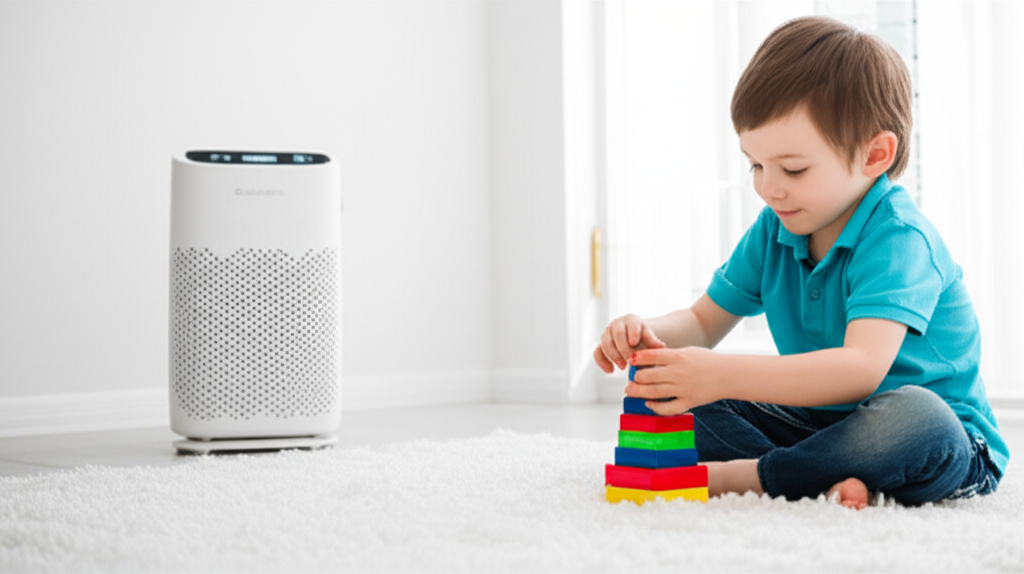
Generally, no, if you choose an ozone-free model with HEPA filtration. Ozone-producing units, however, can irritate airways and worsen asthma.
What is the best type of air purifier for asthma?
The best type for asthma is one with a true HEPA filter and an activated carbon filter, with no ozone-generating features.
How often should I run an air purifier for asthma?
It’s recommended to run your air purifier continuously, especially in bedrooms and living areas, to maintain consistently cleaner air.
Do air purifiers help with dust allergies that trigger asthma?
Yes, HEPA air purifiers are highly effective at capturing dust mites and other allergens that commonly trigger asthma.
Can I use an air purifier in my bedroom if I have asthma?
Absolutely. Running an air purifier in your bedroom can significantly improve sleep quality by reducing airborne irritants.
What should I look for in an air purifier for pet allergies and asthma?
For pet allergies and asthma, prioritize a HEPA filter for dander and an activated carbon filter for pet odors and VOCs.
Are portable air purifiers effective for asthma?
Yes, portable air purifiers can be very effective for asthma when placed in the rooms where you spend the most time.
Conclusion: Breathe Easier with the Right Air Purifier
So, are air purifiers bad for asthma? The overwhelming evidence suggests they are not; rather, they are a valuable tool for improving indoor air quality and alleviating asthma symptoms. By understanding the technology, choosing a HEPA-filtered, ozone-free unit, and committing to regular maintenance, you can create a healthier environment that supports easier breathing. Investing in a quality air purifier is an investment in your respiratory well-being, offering proven relief and a better quality of life for those managing asthma.
