
Can Air Purifier Be Left On All Time? Genius Safety

Yes, air purifiers can generally be left on all the time for continuous air purification, but understanding safety features, maintenance, and energy consumption is key to doing so wisely and efficiently.
Breathing cleaner air at home is a top priority for many, and air purifiers are a popular solution. A common question that arises is whether these devices are safe to operate continuously. You might wonder if leaving your air purifier on all the time is a good idea for your health, your wallet, or even the device itself. I understand this concern, as we all want to make informed decisions about our home environment and the appliances we use. This guide will walk you through everything you need to know to confidently answer “can air purifier be left on all the time?” and ensure you’re using yours safely and effectively.
Understanding Continuous Air Purification
Leaving an air purifier on all the time is generally safe and often recommended for maximum benefit. Continuous operation ensures that airborne pollutants like dust, pollen, pet dander, and volatile organic compounds (VOCs) are consistently filtered out. This is especially beneficial for individuals with allergies, asthma, or other respiratory sensitivities. Modern air purifiers are designed for long-term use, featuring robust components and safety mechanisms.
Key Takeaway: Continuous operation maximizes the benefits of air purification by consistently removing airborne contaminants.
The Safety of Leaving Air Purifiers On 24/7
Most modern air purifiers are designed with safety as a paramount concern, making it perfectly acceptable to leave them running continuously. Manufacturers build these devices with features like automatic shut-off mechanisms if they overheat or malfunction. They also typically use energy-efficient motors that are not prone to overheating during prolonged use. Always ensure your air purifier is placed on a stable, non-flammable surface and has adequate ventilation around it.
Key Takeaway: Air purifiers are built with safety features for continuous, worry-free operation.
Energy Consumption: What to Expect
The energy consumption of an air purifier varies depending on its size, fan speed, and the type of filtration technology it uses. While leaving it on all the time will increase your electricity bill, many units are surprisingly energy-efficient, especially when run on lower settings. For example, a small to medium-sized air purifier might consume between 15 to 60 watts on its lowest setting, comparable to a standard LED light bulb. Checking the Energy Star rating can help you identify the most efficient models.
Key Takeaway: Energy usage is a factor, but many air purifiers are designed for efficient, continuous operation.
Impact on Air Quality: Continuous vs. Intermittent Use
Continuous use of an air purifier leads to more consistent air quality improvement compared to intermittent operation. By running the unit 24/7, you prevent pollutant levels from building up significantly between cycles. This is particularly effective in combating allergens that are constantly present or VOCs that off-gas from household items. Intermittent use might suffice for occasional odor control, but for comprehensive air quality management, constant operation is superior.
Key Takeaway: Continuous use provides superior and more consistent air quality benefits.
When to Consider Turning Your Air Purifier Off
While generally safe to leave on, there are a few instances where you might consider turning your air purifier off. This includes during power outages, when performing deep cleaning of the unit itself, or if you are leaving your home for an extended period and want to conserve energy. It’s also wise to switch it off if you notice any unusual noises, smells, or if the unit feels excessively hot. Always refer to your specific model’s manual for any unique recommendations.
Key Takeaway: Turn off your air purifier only for maintenance, power outages, or extended absences.
Maintenance and Longevity: Does Continuous Use Affect It?
Leaving an air purifier on all the time does not inherently shorten its lifespan, provided it is properly maintained. The most critical aspect of maintenance is regular filter replacement. Clogged filters can strain the motor, reduce efficiency, and potentially lead to overheating. Following the manufacturer’s recommended schedule for cleaning pre-filters and replacing HEPA and activated carbon filters is crucial for both performance and longevity.
Key Takeaway: Proper maintenance, especially filter changes, is key to ensuring longevity with continuous use.
Choosing the Right Air Purifier for All-Time Use
When selecting an air purifier for continuous operation, look for models with Energy Star certification for efficiency. Consider units with multiple fan speeds, allowing you to adjust operation based on air quality needs and energy saving goals. Features like auto mode, which adjusts fan speed based on sensor readings, are also beneficial. Durability and the availability of replacement filters are important factors to research before making a purchase.
Key Takeaway: Select energy-efficient models with adjustable settings and reliable filter availability for continuous use.
Understanding Air Purifier Certifications and Standards
When considering “can air purifier be left on all the time?”, understanding certifications adds a layer of assurance. Look for the ENERGY STAR label, indicating energy efficiency. The Association of Home Appliance Manufacturers (AHAM) Verifide mark is also important, as it signifies that the air purifier has been independently tested for its Clean Air Delivery Rate (CADR) for smoke, dust, and pollen. These certifications confirm that the unit meets performance and safety standards.
Key Takeaway: Certifications like ENERGY STAR and AHAM Verifide assure efficiency and performance for continuous operation.
Potential Downsides and How to Mitigate Them
While the benefits of continuous air purification are significant, there are potential downsides to consider. The primary concern is energy consumption, which can be mitigated by using lower fan speeds or auto modes when possible. Another consideration is noise, especially on higher settings; choosing a quieter model or placing it strategically can help. Lastly, the cost of replacement filters can add up, so factor this into your budget.
Key Takeaway: Mitigate energy costs and noise by using lower settings and choosing quieter models.
Air Purifier Placement for Optimal Performance and Safety
Proper placement is vital for both the effectiveness and safety of your air purifier when left on all the time. Position the unit on a flat, stable surface away from obstructions that could block airflow, such as curtains or furniture. Ensure there is at least a foot of clearance on all sides. Avoid placing it directly on carpets, as this can sometimes impede airflow or pose a fire risk if the unit overheats.
Key Takeaway: Place your air purifier on a stable surface with ample clearance for optimal airflow and safety.
Cost-Benefit Analysis: Continuous Air Purification
The decision to leave an air purifier on all the time involves a cost-benefit analysis. The primary cost is electricity consumption and the ongoing expense of replacement filters. However, the benefits include significantly improved indoor air quality, which can lead to better respiratory health, reduced allergy symptoms, and a more comfortable living environment. For many, especially those with health concerns, the health benefits far outweigh the operational costs.
Key Takeaway: The health benefits of continuous clean air often outweigh the operational costs.
Frequently Asked Questions (FAQ)
Can I leave my air purifier on overnight?
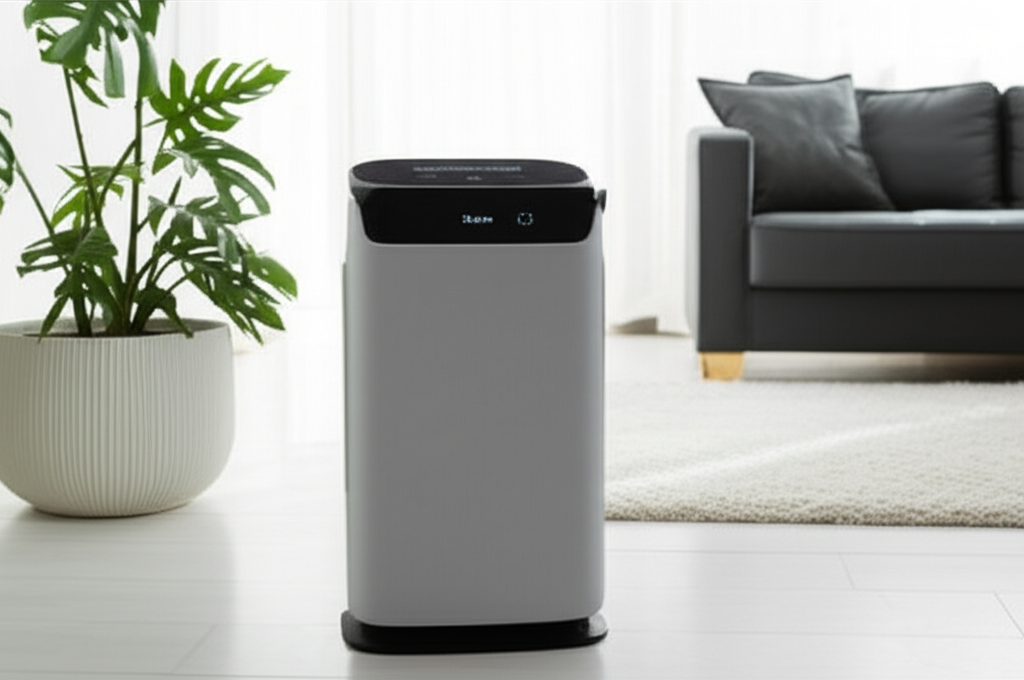
Yes, you can absolutely leave your air purifier on overnight. They are designed for continuous operation and are safe to use while you sleep, helping to ensure you breathe cleaner air during rest.
Will leaving an air purifier on all the time damage it?
No, leaving an air purifier on all the time will not damage it, provided it is well-maintained and used according to the manufacturer’s instructions. Modern units are built for durability and continuous use.
How much electricity does an air purifier use when left on?
Electricity usage varies by model and fan speed. Typically, an air purifier uses between 15 to 100 watts. Running it on a lower setting or using an auto mode can significantly reduce energy consumption.
Should I turn off my air purifier when I leave the house?
It’s not strictly necessary to turn off your air purifier when you leave the house for short periods, as they are designed for continuous operation. However, if you are going away for an extended time, turning it off can save energy.
What happens if an air purifier overheats?
Reputable air purifiers have built-in safety features, including automatic shut-off mechanisms, to prevent overheating. If you notice excessive heat, turn it off immediately and check for obstructions or filter issues.
How often should I change the filters in my air purifier?
Filter replacement frequency depends on the model and your environment. Generally, HEPA filters should be replaced every 6-12 months, and activated carbon filters every 3-6 months. Always check your manufacturer’s recommendations.
Conclusion: The Verdict on Continuous Air Purifier Use
In conclusion, the answer to “can air purifier be left on all the time?” is a resounding yes, with the caveat of smart usage and diligent maintenance. These devices are engineered for continuous operation, offering a constant stream of cleaner air to enhance your home environment and well-being. By understanding energy consumption, prioritizing regular filter changes, and ensuring proper placement, you can confidently leave your air purifier on 24/7 to enjoy the maximum benefits of purified air. It’s a simple yet effective way to invest in your health and comfort.
