
Are Air Purifier Safe For Pets: Genius Safety Tips

Yes, air purifiers can be safe for pets, but choosing the right one and using it correctly is crucial to avoid potential harm. This guide offers genius safety tips to ensure your furry friends benefit from cleaner air without risk.
The thought of cleaner air for your home, especially with pets, is incredibly appealing. However, a common worry surfaces: are air purifiers safe for pets? Many pet owners hesitate, concerned about potential respiratory irritation or other adverse reactions their beloved companions might experience. I understand this concern, and I’m here to guide you through making informed choices. We’ll explore how to select the safest air purifiers and implement best practices to ensure your pets thrive in a healthier environment.
Are Air Purifiers Safe for Pets: The Essential Guide
When considering air purifiers for a pet-friendly home, the primary question is, “Are air purifiers safe for pets?” The answer is a resounding yes, provided you make informed choices and follow specific safety guidelines. Many air purifiers can significantly improve indoor air quality by removing pet dander, allergens, and odors, creating a healthier living space for both you and your animals. However, certain types and features can pose risks, making careful selection paramount.
Key Takeaway: Air purifiers can be beneficial for pets, but safety depends on the type of purifier and its proper usage.
Understanding Pet-Specific Air Quality Concerns
Pets introduce unique challenges to indoor air quality. Their dander, fur, saliva, and even their litter boxes can release allergens and odors into the air. These airborne particles can trigger allergies and respiratory issues in both humans and other pets. Understanding these specific concerns helps in selecting an air purifier that effectively tackles these issues without introducing new ones.
Key Takeaway: Pet dander, fur, and odors are common indoor air pollutants that air purifiers can help manage.
The Role of HEPA Filters in Pet Homes
High-Efficiency Particulate Air (HEPA) filters are the gold standard for air purification, especially for pet owners. A true HEPA filter is designed to capture at least 99.97% of airborne particles as small as 0.3 microns. This includes common pet allergens like dander, dust mites, and pollen, making them incredibly effective. When asking, “Are air purifiers safe for pets?” opting for a HEPA filter is a crucial first step toward safety and efficacy.
Key Takeaway: HEPA filters are highly effective at removing pet dander and other allergens, contributing to safer air for pets.
Are Ozone-Generating Air Purifiers Safe for Pets?
This is a critical area of concern. Air purifiers that intentionally produce ozone, often marketed as “ionizers” or “electrostatic precipitators,” can be harmful to pets. Ozone is a lung irritant and can exacerbate respiratory conditions in animals, similar to how it affects humans. Even low levels of ozone can be problematic for sensitive pets. Therefore, it’s best to avoid these types of purifiers altogether when you have pets in the home.
Key Takeaway: Avoid air purifiers that intentionally produce ozone, as it can be harmful to your pet’s respiratory system.
Activated Carbon Filters: Tackling Pet Odors Effectively
While HEPA filters capture particles, activated carbon filters excel at absorbing gases and odors. For pet owners, this means tackling the distinct smells associated with pets, such as urine, feces, and general “pet smell.” A robust activated carbon filter can significantly neutralize these odors, making your home more pleasant. Many high-quality air purifiers combine HEPA and activated carbon filters for comprehensive air cleaning.
Key Takeaway: Activated carbon filters are essential for neutralizing pet odors, complementing HEPA filters for overall air quality improvement.
Choosing the Right Air Purifier: Key Features for Pet Safety
When selecting an air purifier, several features contribute to pet safety. Look for units with pre-filters that can be washed, as these capture larger particles like pet hair, extending the life of the main HEPA filter. Ensure the unit is certified by reputable organizations like the California Air Resources Board (CARB) for low or no ozone emissions. Finally, consider the size of the room the purifier is intended for; an undersized unit will run constantly and less effectively, potentially leading to more noise and wear.
Key Takeaway: Prioritize HEPA filters, washable pre-filters, CARB certification, and appropriate room sizing for pet-safe air purification.
Placement and Operation: Genius Safety Tips for Pet Owners
Where you place your air purifier and how you operate it can make a significant difference in pet safety. Keep the unit out of reach of curious pets, especially if they tend to chew or knock things over. Avoid placing it directly in their sleeping areas or near their food and water bowls. Running the air purifier on a medium setting is often sufficient and quieter, reducing potential stress for sensitive animals. Regular maintenance, like cleaning the pre-filter and replacing HEPA filters on schedule, ensures optimal performance and safety.
Key Takeaway: Strategic placement, moderate operation, and consistent maintenance are vital for ensuring your air purifier is safe and effective for pets.
Potential Risks and How to Mitigate Them
While generally safe, some air purifiers can pose risks. As mentioned, ozone-generating units are a primary concern. Additionally, some purifiers use essential oils or fragrances, which can be toxic to pets if inhaled or ingested. Always choose unscented models. If your pet has pre-existing respiratory conditions, consult your veterinarian before introducing an air purifier. Monitor your pet for any signs of discomfort, such as sneezing, coughing, or watery eyes, which might indicate an issue with the unit.
Key Takeaway: Avoid ozone and fragrances, consult your vet for pets with respiratory issues, and monitor your pet for any adverse reactions.
Top Air Purifier Features to Look for (and Avoid)
Here’s a quick rundown of what to seek and what to steer clear of:
| Look For | Avoid |
|---|---|
| True HEPA Filter | Ozone Generators (intentional ozone production) |
| Activated Carbon Filter | Fragrance or Essential Oil Diffusion |
| Washable Pre-filter | Units with exposed moving parts pets could access |
| CARB Certified (low/no ozone) | Excessively loud operation |
| Energy Star certified for efficiency | Units that require frequent, complex cleaning |
Key Takeaway: A well-chosen air purifier prioritizes HEPA and carbon filtration while avoiding ozone and fragrances.
Expert Recommendations for Pet-Safe Air Purifiers
When researching, you’ll find many brands. For instance, brands like Coway and Blueair are often praised for their effective HEPA filtration systems and low ozone emissions. The Coway Airmega 200M is a popular choice, featuring a multi-stage filtration system including a washable pre-filter, HEPA filter, and activated carbon filter, making it a strong contender for pet owners. Similarly, Blueair’s HEPASilent technology combines electrostatic and mechanical filtration to capture particles efficiently and quietly. Always check the latest model specifications and user reviews focusing on pet owner experiences.
Key Takeaway: Brands like Coway and Blueair offer models with features suitable for pet owners, but always verify specific product details.
Maintaining Your Air Purifier for Pet Safety
Regular maintenance is not just about performance; it’s about safety. A clogged pre-filter can recirculate dust and dander, reducing effectiveness and potentially irritating your pet. Washable pre-filters should be cleaned weekly or bi-weekly, depending on your home’s air quality. HEPA and carbon filters need replacement according to the manufacturer’s recommendations, typically every 6-12 months. Neglecting this can lead to the purifier becoming a source of pollutants rather than a solution.
Key Takeaway: Consistent cleaning of pre-filters and timely replacement of HEPA/carbon filters are essential for safe and effective operation.
Frequently Asked Questions About Air Purifiers and Pets
Are air purifiers with ionizers safe for cats?
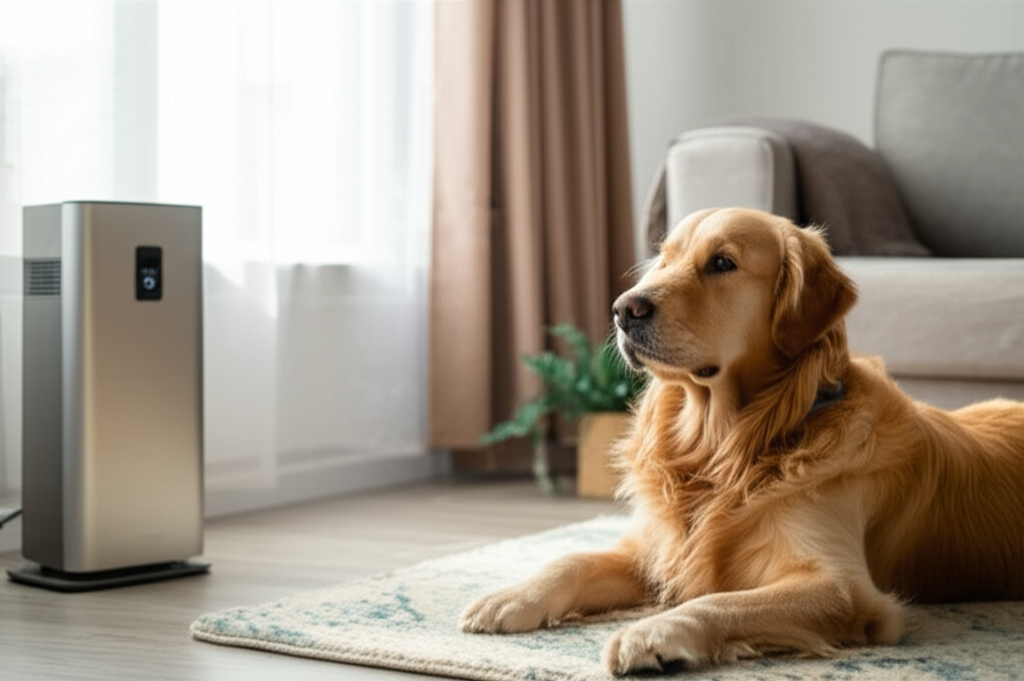
Generally, it’s best to avoid air purifiers that intentionally produce ozone or use ionizers, as the ozone can be irritating to a cat’s sensitive respiratory system. Look for ozone-free certified models.
Can air purifiers help with pet allergies?
Yes, air purifiers with true HEPA filters are highly effective at capturing pet dander, which is a common allergen, thus helping to reduce allergy symptoms.
How often should I run an air purifier for my pets?
You can run your air purifier continuously on a low to medium setting for optimal air quality. This ensures consistent removal of allergens and odors without being overly disruptive.
What is the best type of air purifier for a home with dogs?
The best type is one with a true HEPA filter to capture dander and fur, and an activated carbon filter to neutralize odors. A washable pre-filter is also beneficial for catching larger hair particles.
Can air purifiers make my pet sick?
Air purifiers themselves are generally safe. However, ozone-generating units or those with strong fragrances can potentially cause respiratory irritation or other health issues in pets.
Should I place the air purifier in the same room as my pet?
Yes, placing it in the room where your pet spends the most time can be beneficial. However, ensure it’s in a stable location away from their direct reach and sleeping area.
Conclusion: Breathing Easier with Your Furry Friends
So, are air purifiers safe for pets? Absolutely, when approached with knowledge and care. By prioritizing HEPA and activated carbon filtration, avoiding ozone-generating units, and implementing smart placement and maintenance strategies, you can create a significantly healthier environment for your beloved companions. Investing in a quality air purifier is an investment in the well-being of your entire household, ensuring that everyone, two-legged or four-legged, can breathe easier.
