Are Air Purifier Good For Colds? Proven Relief

Yes, air purifiers can be good for colds by reducing airborne viruses and irritants, potentially easing symptoms and speeding recovery.
Are Air Purifiers Good for Colds? Proven Relief for Your Symptoms
Feeling that familiar tickle in your throat or the stuffy nose that signals a cold? It’s a frustrating experience, and many of us are looking for ways to find relief and recover faster. You might be wondering if that air purifier in the corner can actually help. I’ve been there, and the good news is, an air purifier can indeed offer significant benefits when you’re battling a cold. Let’s explore how these devices work and why they might be your new best friend during cold season.
Understanding the Cold Virus and Your Environment
Colds are primarily caused by viruses, most commonly rhinoviruses, which spread through respiratory droplets when an infected person coughs, sneezes, or talks. These tiny particles can linger in the air, and when inhaled, they can infect your respiratory system. Your home’s air quality plays a crucial role in how easily these viruses can spread and how your body reacts to them.
Key takeaway: Cold viruses spread through airborne droplets, making indoor air quality important.
How Air Purifiers Combat Airborne Illnesses
Air purifiers work by drawing in air, passing it through a filtration system, and releasing cleaner air back into the room. This process can effectively capture airborne particles, including viruses, bacteria, and allergens, that might otherwise be inhaled. By reducing the concentration of these pathogens in your living space, an air purifier can help minimize your exposure to them.
Key takeaway: Air purifiers filter out airborne pathogens, reducing exposure to cold viruses.
The Science Behind Air Purification and Viral Load
Studies have shown that air purifiers, particularly those with HEPA filters, can significantly reduce the presence of airborne viruses in enclosed spaces. While they won’t instantly kill a virus that has already infected you, lowering the overall viral load in your environment can be beneficial. This is especially true if you live with others, as it can help prevent further spread within the household.
Key takeaway: HEPA filters in air purifiers are proven to capture airborne viruses, reducing transmission.
HEPA Filters: The Gold Standard for Cold Relief
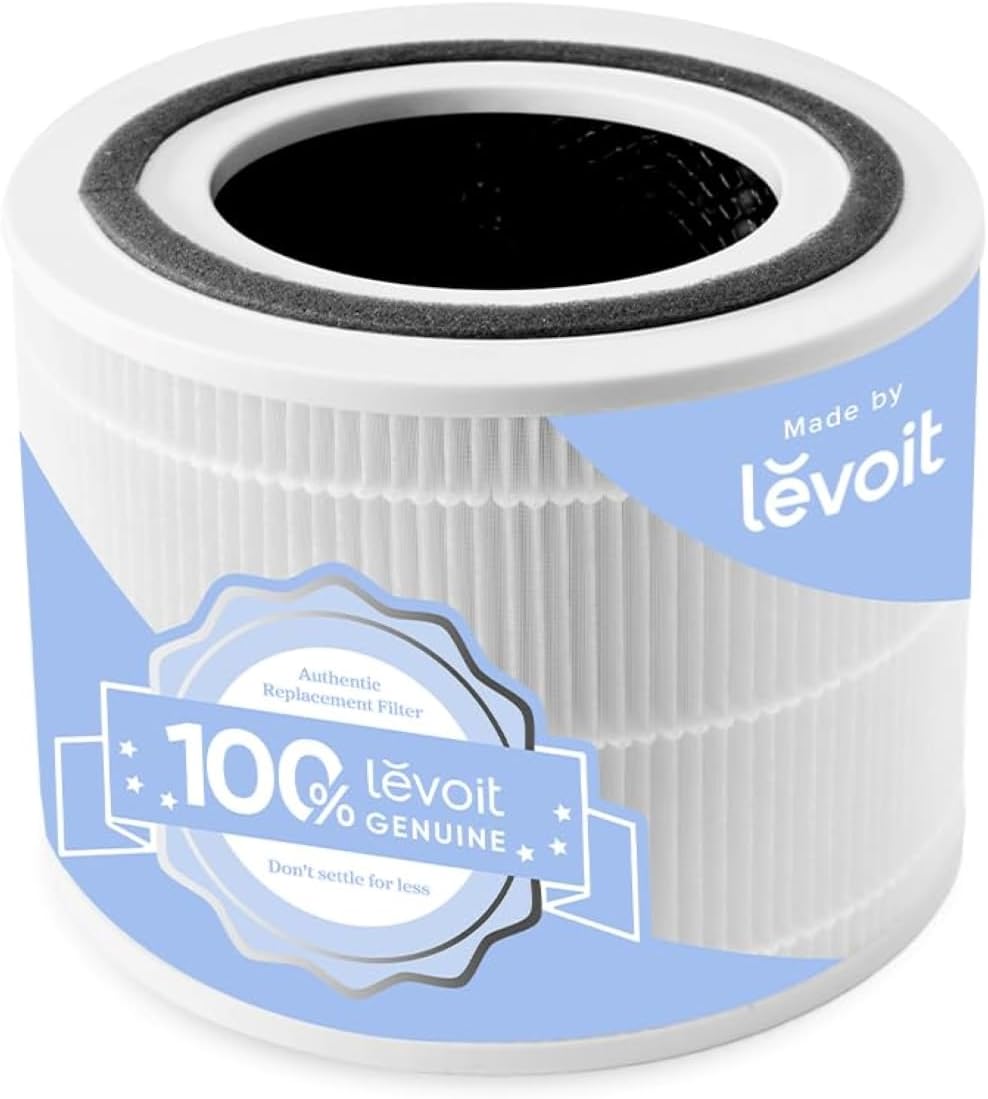
When considering an air purifier for cold relief, look for models equipped with High-Efficiency Particulate Air (HEPA) filters. True HEPA filters are designed to capture at least 99.97% of airborne particles as small as 0.3 microns. This size is significant because many cold viruses, along with other common allergens and irritants, fall within this range or can attach to larger particles that are captured.
Key takeaway: True HEPA filters are essential for capturing the small particles that carry cold viruses.
Beyond Viruses: Tackling Other Cold Symptoms
While air purifiers are excellent at capturing viruses, they also address other factors that can exacerbate cold symptoms. They can remove dust, pollen, pet dander, and mold spores, which are common allergens that can irritate your airways and worsen congestion or a sore throat. By purifying the air, you create a more soothing environment for your already compromised respiratory system.
Key takeaway: Air purifiers also remove allergens that can worsen cold symptoms like congestion.
Choosing the Right Air Purifier for Your Needs
Not all air purifiers are created equal. For cold relief, I recommend focusing on units with a robust HEPA filter and an activated carbon filter. The activated carbon filter is excellent at absorbing odors and volatile organic compounds (VOCs) that can also irritate your respiratory system. Ensure the air purifier is appropriately sized for the room you intend to use it in; check the CADR (Clean Air Delivery Rate) for guidance.
Key takeaway: Look for HEPA and activated carbon filters, and ensure the unit is sized for your room.
How to Maximize Air Purifier Effectiveness During a Cold
To get the most out of your air purifier when you have a cold, run it continuously in the room where you spend the most time, especially your bedroom. Keep doors and windows closed to prevent unfiltered air from entering. Regularly check and replace the filters according to the manufacturer’s instructions, as clogged filters reduce efficiency.
Key takeaway: Run your air purifier consistently in your main living space and replace filters on schedule.
Are Air Purifiers a Cure for Colds?
It’s important to manage expectations: air purifiers are not a cure for the common cold. They won’t eliminate the virus from your body or magically make your symptoms disappear overnight. However, they are a valuable tool in managing your environment, potentially reducing the severity of symptoms and aiding in a smoother recovery by providing cleaner, less irritating air.
Key takeaway: Air purifiers support recovery by improving air quality, but they are not a cure.
Potential Benefits of Air Purifiers for Cold Sufferers
Reduced Airborne Virus Concentration: Less exposure to viral particles.
Alleviation of Congestion: Cleaner air can reduce nasal irritation.
Soothing for Sore Throats: Removal of irritants can provide comfort.
Improved Sleep Quality: A less polluted environment can promote better rest.
Prevention of Secondary Infections: Cleaner air may reduce the risk of bacterial co-infections.
Key takeaway: Benefits include reduced viral load, symptom relief, and potentially better sleep.
Are Air Purifiers Good for Colds? A Summary of Evidence
Research supports the use of air purifiers in reducing airborne pathogens. For instance, a study published in the Journal of Environmental Science and Health* found that HEPA filtration systems could effectively remove influenza viruses from indoor air. While direct studies on air purifiers and common cold recovery are less abundant, the principle of reducing viral load in the air is well-established in controlling the spread of respiratory illnesses.
Key takeaway: Scientific principles and studies on similar viruses support air purifiers’ role in reducing airborne pathogens.
Frequently Asked Questions About Air Purifiers and Colds
Can an air purifier help if I already have a cold?
Yes, an air purifier can help by reducing the concentration of cold viruses and other irritants in the air you breathe, potentially easing symptoms and creating a more comfortable recovery environment.
What type of air purifier is best for colds?
Look for an air purifier with a true HEPA filter, as it’s highly effective at capturing small airborne particles like viruses. An activated carbon filter is also beneficial for removing odors and VOCs.
How long should I run an air purifier when I have a cold?
It’s best to run your air purifier continuously in the room where you are resting or spending most of your time. This maximizes its effectiveness in cleaning the air.
Will an air purifier prevent me from catching a cold?
While an air purifier can reduce your exposure to airborne viruses, it doesn’t guarantee you won’t catch a cold. Good hygiene practices like handwashing remain crucial.
Do air purifiers make noise?
Most air purifiers have multiple fan speeds, including a quiet or sleep mode that is very unobtrusive. The noise level varies by model and brand.
When should I replace the filters in my air purifier?
Always follow the manufacturer’s recommendations for filter replacement, as this is crucial for maintaining the unit’s effectiveness. Typically, HEPA filters need replacement every 6-12 months, and carbon filters may need more frequent changes.
Conclusion: Breathe Easier with Cleaner Air
So, to answer the question directly: are air purifiers good for colds? Yes, they can be a valuable asset in your recovery toolkit. By effectively filtering out airborne viruses and other irritants, an air purifier can help create a healthier indoor environment, potentially easing your symptoms and supporting your body’s healing process. Investing in a quality air purifier with a HEPA filter can provide proven relief and peace of mind, especially during cold and flu season.