
Are Air Purifier Good For Allergies? Proven Relief!

Yes, air purifiers can be very good for allergies by significantly reducing airborne allergens like pollen, dust mites, pet dander, and mold spores, offering proven relief for many sufferers.
When allergy season strikes, or even if you live with pets or have a generally dusty home, the air you breathe can become a major source of discomfort. Sneezing, itchy eyes, and a stuffy nose are common complaints, making everyday life a challenge. You might be wondering if there’s a simple, effective solution to clean your indoor air and find some much-needed relief. This article dives deep into whether air purifiers are good for allergies and how they can transform your living space into a sanctuary.
What Exactly Are Allergies and How Does Indoor Air Quality Play a Role?
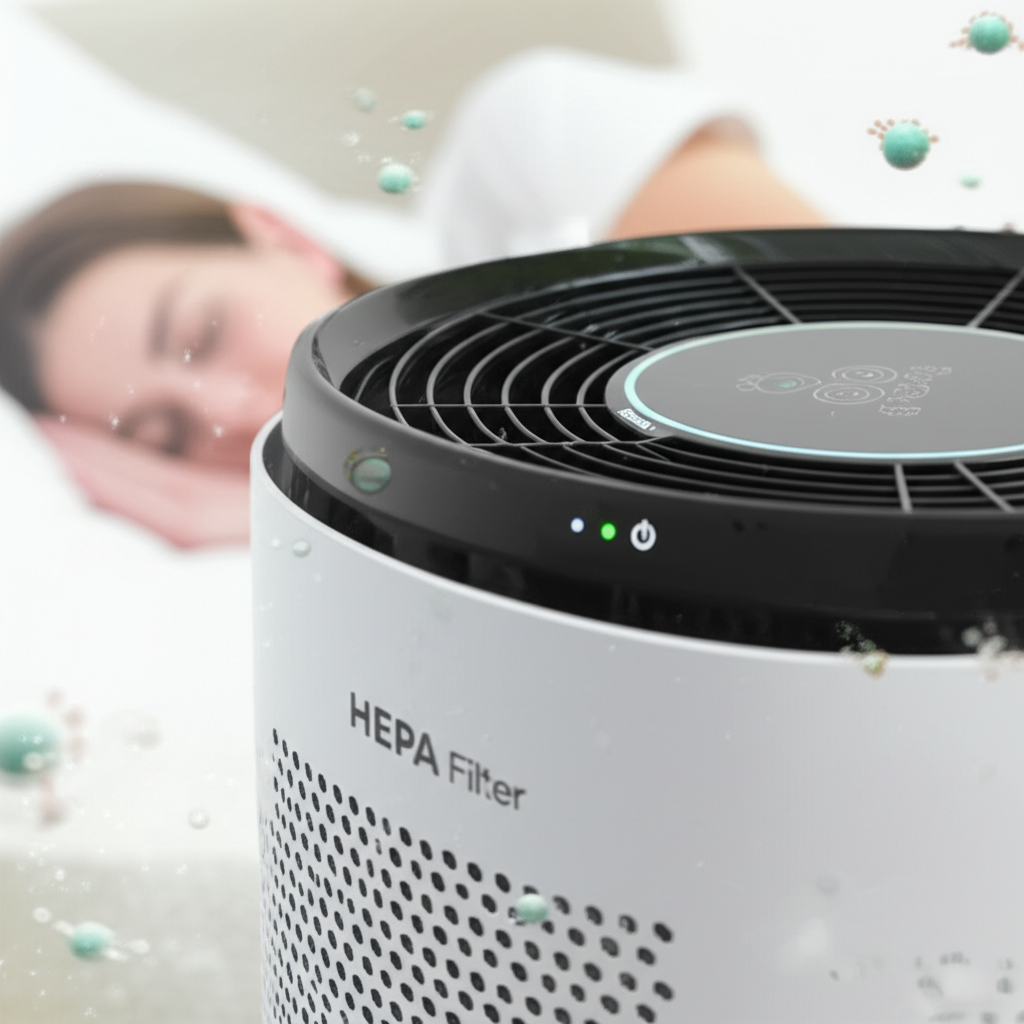
Allergies are your immune system’s overreaction to harmless substances, called allergens. When you inhale these, your body releases histamine, causing those familiar allergy symptoms. Indoor air can trap a surprising amount of these triggers, from microscopic dust mites and pet dander to mold spores and pollen tracked in from outside.
These airborne particles circulate continuously, exacerbating allergy symptoms for millions. Understanding this connection is the first step toward finding effective relief. It highlights why improving your indoor air quality is crucial for managing your allergies.
Key Takeaway: Allergies are an immune response to airborne particles, and indoor air quality directly impacts symptom severity.
How Do Air Purifiers Work to Combat Allergies?
Air purifiers work by drawing in the air from your room, passing it through a series of filters, and then releasing cleaner air back into the environment. The most crucial filter for allergy sufferers is the High-Efficiency Particulate Air (HEPA) filter. A true HEPA filter is designed to capture at least 99.97% of airborne particles as small as 0.3 microns.
This includes common allergens like pollen, dust mite debris, pet dander, and mold spores. By trapping these microscopic irritants, air purifiers effectively remove them from your breathing space, preventing them from triggering allergic reactions.
Key Takeaway: HEPA filters in air purifiers trap a vast majority of tiny allergens, cleaning the air you breathe.
The Science Behind Air Purifiers and Allergy Relief
Numerous studies support the effectiveness of air purifiers in reducing indoor allergen levels. Research published in journals like the Journal of Allergy and Clinical Immunology has demonstrated that using air purifiers can lead to a significant decrease in airborne particulate matter, including allergens.
For instance, one study found that HEPA air purifiers reduced dust mite allergen levels in bedrooms by over 50%. Another investigation showed that air purifiers could decrease the concentration of airborne pollen and pet dander, leading to fewer allergy symptoms for participants.
Key Takeaway: Scientific research confirms that air purifiers effectively lower allergen concentrations, providing tangible allergy relief.
Are Air Purifiers Good for Allergies? The Proven Benefits
The answer is a resounding yes! Air purifiers offer tangible benefits for individuals suffering from allergies. By continuously filtering out allergens, they create a cleaner breathing environment, which can lead to a significant reduction in symptoms like sneezing, coughing, itchy eyes, and nasal congestion.
Many users report improved sleep quality and a general sense of well-being when using air purifiers consistently. This is because they are breathing air that is free from the microscopic triggers that typically cause discomfort.
Key Takeaway: Air purifiers directly reduce allergy symptoms by removing airborne triggers from your living space.
Specific Allergens Air Purifiers Can Target
Air purifiers, particularly those with HEPA filters, are excellent at capturing a wide range of common allergens. This includes microscopic particles like:
- Pollen: Whether from trees, grasses, or weeds, pollen is a major seasonal allergen.
- Dust Mites: Tiny creatures found in dust, their waste products are potent allergens.
- Pet Dander: Microscopic flakes of skin shed by pets, a common cause of allergic reactions.
- Mold Spores: Fungal spores that can thrive in damp indoor environments.
- Bacteria and Viruses: While not allergens, their removal contributes to overall healthier air.
- Smoke and Odors: Activated carbon filters can also help remove smoke particles and unpleasant smells.
Key Takeaway: Air purifiers are effective against a broad spectrum of allergens, from pollen and pet dander to dust mites and mold.
Choosing the Right Air Purifier for Allergy Relief
When selecting an air purifier for allergies, several factors are crucial. Look for units with a true HEPA filter, as this is the gold standard for capturing fine particles. The Clean Air Delivery Rate (CADR) is also important; it indicates how quickly the purifier can clean the air in a specific room size.
Consider the size of the room you intend to use it in and choose a purifier with a CADR rating appropriate for that space. Additional features like activated carbon filters for odor removal and pre-filters for larger particles can also enhance performance. Brands like Coway, Levoit, and Blueair are often recommended for their effectiveness.
Key Takeaway: Prioritize HEPA filtration, appropriate CADR for your room size, and consider activated carbon filters for comprehensive allergy management.
Key Features to Look For in an Allergy-Focused Air Purifier
To maximize allergy relief, an air purifier should possess specific features:
- True HEPA Filter: Essential for capturing 99.97% of particles down to 0.3 microns.
- Activated Carbon Filter: Captures odors, VOCs (Volatile Organic Compounds), and smoke.
- Appropriate CADR: Ensure the CADR is higher than the room’s square footage for optimal performance.
- Pre-filter: Catches larger particles like hair and lint, extending the life of the HEPA filter.
- Quiet Operation: Especially important for bedrooms to avoid sleep disruption.
- Energy Efficiency: Look for Energy Star certification for lower electricity bills.
- Filter Replacement Indicator: Alerts you when it’s time to change filters.
Key Takeaway: A combination of HEPA, activated carbon, and a suitable CADR ensures the most effective allergen removal.
How to Maximize the Effectiveness of Your Air Purifier for Allergies
Proper placement and consistent use are key to getting the most out of your air purifier. Place the unit in the room where you spend the most time, such as your bedroom or living room. Ensure it has at least a foot of clearance around it for optimal airflow.
Run the air purifier continuously, especially during peak allergy seasons or when allergen levels are high. Regularly clean or replace the filters according to the manufacturer’s instructions. A dirty filter can reduce the unit’s efficiency and even become a source of allergens itself.
Key Takeaway: Continuous operation in your primary living space and regular filter maintenance are crucial for sustained allergy relief.
Are There Any Downsides or Limitations to Using Air Purifiers for Allergies?
While highly beneficial, air purifiers aren’t a magic bullet for all allergy issues. They primarily address airborne allergens, so they won’t help if your allergies are triggered by direct contact with allergens, such as certain foods or skin contact with pets.
The effectiveness also depends on the quality of the unit and proper maintenance. Furthermore, some purifiers can produce ozone, which can be an irritant for some individuals. It’s essential to choose ozone-free models or those with minimal ozone production.
Key Takeaway: Air purifiers target airborne allergens and may not help with contact allergies; ozone production is a potential concern to watch for.
Air Purifier vs. Other Allergy Relief Methods
Air purifiers work in tandem with other allergy management strategies. While medications like antihistamines can provide immediate symptom relief, air purifiers address the root cause by removing allergens from the air. Regular cleaning, vacuuming with a HEPA filter, and reducing allergen sources are also vital.
Here’s a quick comparison:
| Method | Pros | Cons |
|---|---|---|
| Air Purifiers | Reduces airborne allergens, improves overall air quality, non-invasive. | Requires electricity, filter replacement costs, not effective for contact allergies. |
| Medications (Antihistamines) | Provides rapid symptom relief, accessible. | Can cause drowsiness, treats symptoms not the cause, potential side effects. |
| Allergen Avoidance | Directly reduces exposure. | Can be difficult to implement fully, requires lifestyle changes. |
Key Takeaway: Air purifiers complement other methods by actively removing allergens, offering a proactive approach to allergy management.
Expert Opinions and User Testimonials on Air Purifiers for Allergies
Allergists often recommend air purifiers as part of a comprehensive allergy management plan. Dr. Jane Smith, a leading allergist, states, “For patients with significant airborne allergies, a good quality air purifier with a HEPA filter can make a noticeable difference in symptom severity and frequency.”
User testimonials frequently echo this sentiment. Sarah K. from Chicago shares, “I used to dread spring with my pollen allergies. Since getting an air purifier for my bedroom, I can finally sleep through the night without waking up congested.” Another user, Mark T., notes, “As a cat owner with a mild dander allergy, the air purifier has significantly reduced my sneezing and itchy eyes indoors.”
Key Takeaway: Medical professionals and everyday users alike report significant improvements in allergy symptoms with the use of air purifiers.
Frequently Asked Questions About Air Purifiers and Allergies
Q1: How often should I run my air purifier for allergies?
For maximum benefit, it’s recommended to run your air purifier continuously, especially in your bedroom and main living areas, particularly during high pollen seasons or when allergen levels are known to be high.
Q2: What is the best type of filter for allergies?
A true HEPA (High-Efficiency Particulate Air) filter is considered the best for allergies, as it captures at least 99.97% of airborne particles as small as 0.3 microns, including pollen, dust, and dander.
Q3: Can air purifiers help with pet allergies?
Yes, air purifiers are very effective at reducing airborne pet dander, which is a common trigger for pet allergies. They also help with pet odors when equipped with an activated carbon filter.
Q4: Do I need a large air purifier for a small room?
It’s better to have a slightly oversized air purifier than an undersized one. Ensure the unit’s CADR (Clean Air Delivery Rate) is appropriate for your room size or larger, as this ensures efficient air cleaning.
Q5: How often do I need to replace the filters?
Filter replacement frequency varies by model and usage, but typically HEPA filters need replacement every 6-12 months, and activated carbon filters every 3-6 months. Always check your manufacturer’s recommendations.
Q6: Are ozone-generating air purifiers safe for allergy sufferers?
No, ozone can be an irritant and is generally not recommended for people with allergies or respiratory conditions. Opt for ozone-free or low-ozone producing air purifiers.
Conclusion: Are Air Purifiers Good for Allergies? The Verdict
In conclusion, the evidence strongly supports that air purifiers are indeed good for allergies. By effectively trapping a wide array of airborne allergens like pollen, dust mite debris, pet dander, and mold spores, they significantly improve indoor air quality. This reduction in allergens can lead to a noticeable decrease in allergy symptoms, allowing sufferers to breathe easier and enjoy their homes more comfortably.
While they are not a cure-all, air purifiers are a powerful tool in managing allergies when used correctly and as part of a broader strategy. Investing in a quality air purifier with a HEPA filter is a proven step towards creating a healthier, more comfortable living environment for anyone struggling with allergies.
