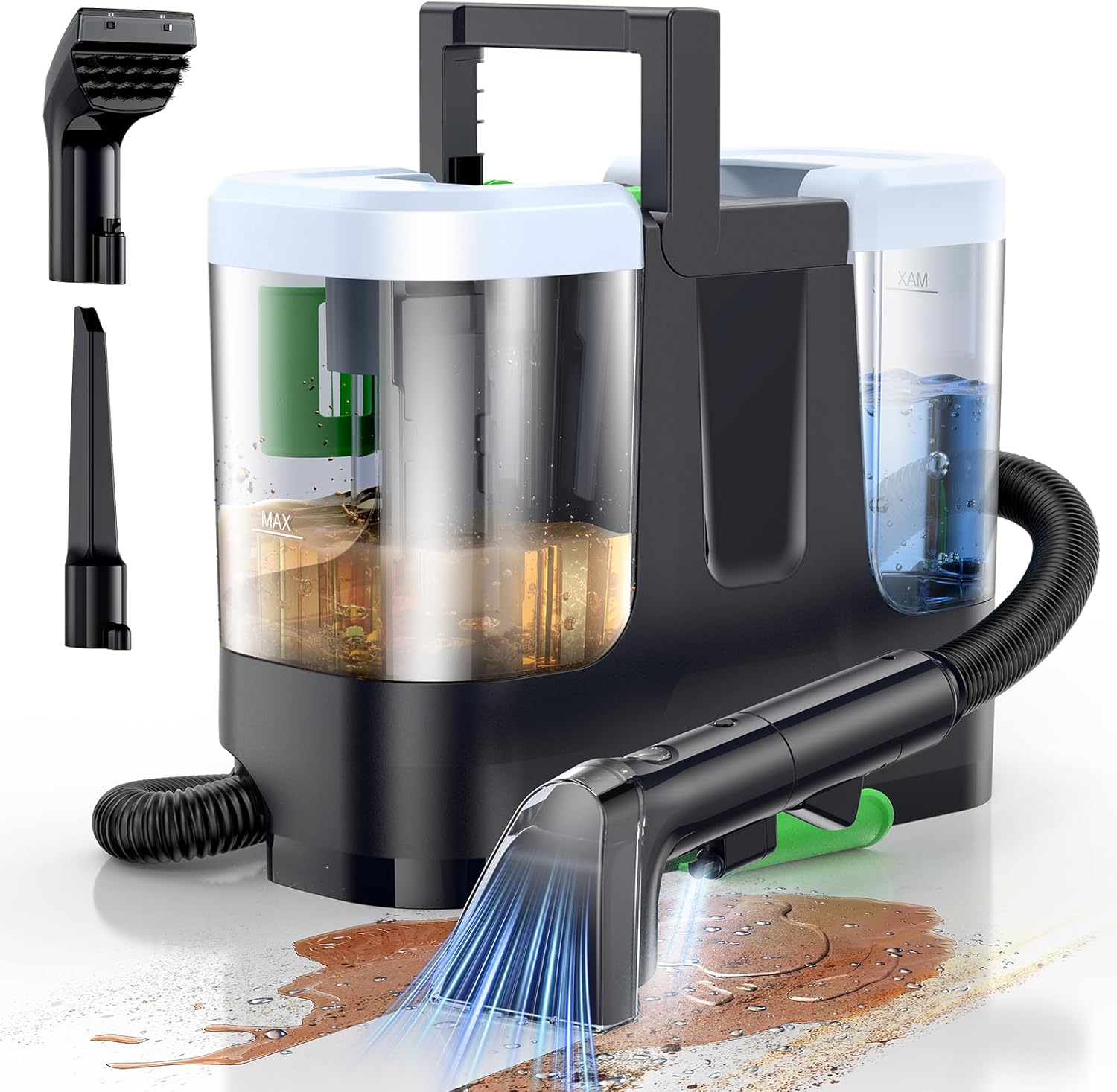
Allergy Vacuum Cleaner: Essential Relief!

Breathe easier with an allergy vacuum cleaner! These specialized vacuums trap tiny allergens like dust mites and pollen, significantly improving your home’s air quality and reducing allergy symptoms. Choosing the right one is key to essential relief for a healthier living space.
The constant battle against sneezes and itchy eyes can make your home feel less like a sanctuary and more like a source of irritation. Allergies affect millions, and for many, the very air they breathe indoors is the culprit. Dust, pollen, pet dander, and mold spores are invisible invaders that can trigger discomfort. Fortunately, a powerful ally exists: the allergy vacuum cleaner. This article will guide you through understanding these essential tools, helping you find one that brings much-needed relief.
What Makes a Vacuum Cleaner “Allergy-Friendly”?
An allergy vacuum cleaner isn’t just any vacuum. It’s designed with specific features to capture microscopic allergens that standard vacuums might recirculate into the air. These features are crucial for people with asthma, hay fever, or other respiratory sensitivities. They aim to trap particles as small as 0.3 microns, preventing them from escaping back into your living environment.
The Power of HEPA Filtration: Your Allergy Vacuum Cleaner’s Best Friend
The most critical feature of an allergy vacuum cleaner is its HEPA (High-Efficiency Particulate Air) filter. A true HEPA filter is certified to capture at least 99.97% of airborne particles 0.3 micrometers in diameter. This includes common allergens like pollen, dust mites, pet dander, and mold spores. When you vacuum, the air is drawn through the machine, and the HEPA filter acts like a fine net, catching these tiny irritants before clean air is expelled.
How HEPA Filters Work
Imagine a very, very fine sieve. That’s similar to how a HEPA filter works. As air passes through its dense fiber material, particles get stuck. The fibers are arranged in a way that forces air to move in a winding path, increasing the chances of particles colliding with the fibers and being trapped. This process is vital for anyone seeking relief from airborne allergens.
Beyond HEPA: Other Essential Features for Allergy Vacuums
While HEPA filtration is paramount, other design elements enhance an allergy vacuum cleaner’s effectiveness. Sealed systems are important, meaning the vacuum is built so that no air can leak out before it passes through the HEPA filter. This ensures that all the dust and allergens are trapped inside the machine, not blown back into your room. Features like brush roll shut-offs are also beneficial, preventing allergens from being kicked up into the air when you’re cleaning hard floors.
Sealed System Explained
A sealed system means that every seam, connection, and component of the vacuum cleaner is designed to prevent air leakage. If a vacuum isn’t sealed, dirty air can escape from various parts of the machine, bypassing the filter. This defeats the purpose of having a HEPA filter in the first place. Manufacturers often test and certify their vacuums for sealed system performance, ensuring they meet high standards for allergen containment.
Types of Allergy Vacuum Cleaners: Finding Your Perfect Match
The best allergy vacuum cleaner for you depends on your home and needs. Options include upright vacuums, canister vacuums, stick vacuums, and robotic vacuums. Uprights and canisters often offer powerful suction and larger capacities, ideal for larger homes and deep cleaning. Stick vacuums are lighter and more convenient for quick cleanups, while robotic vacuums can maintain a level of cleanliness with minimal effort.
Upright vs. Canister for Allergies
Upright vacuums are typically all-in-one units, easy to store and maneuver around furniture. Canister vacuums separate the motor and dustbin from the cleaning head, offering more versatility for cleaning different surfaces and reaching tight spaces. For allergy sufferers, both can be excellent choices if they feature robust HEPA filtration and sealed systems.
Stick and Robotic Vacuums: Convenience Meets Cleanliness
Stick vacuums have become increasingly popular due to their lightweight design and cordless operation. Many high-quality stick vacuums now come with effective HEPA filters and good sealing, making them viable options for allergy relief, especially in smaller homes or apartments. Robotic vacuums can be a great addition for daily maintenance, helping to keep allergen levels consistently low, but they should often be supplemented with a more powerful, traditional vacuum for deeper cleans.
Key Considerations When Buying an Allergy Vacuum Cleaner
When selecting an allergy vacuum cleaner, look for specific certifications and features. Beyond the HEPA filter, check for a sealed system. Consider the vacuum’s suction power, as strong suction helps lift embedded allergens from carpets and upholstery. Bagged vacuums can be a good choice for allergy sufferers, as they trap dust and allergens more effectively when disposed of.
Bagged vs. Bagless for Allergy Sufferers
Bagged vacuums offer a hygienic way to dispose of collected debris. When you fill the bag, you simply remove it and throw it away, minimizing your exposure to allergens. Bagless vacuums, while convenient, can release dust and allergens back into the air when you empty the dustbin. If you opt for a bagless model, ensure it has a very effective filtration system and be cautious when emptying it.
Top Allergy Vacuum Cleaner Brands and Models to Consider
Several brands are known for producing high-quality allergy vacuum cleaners. Miele, Dyson, Shark, and Kenmore are frequently recommended for their advanced filtration systems and robust build quality. Researching specific models within these brands, paying close attention to user reviews and independent testing, can help you pinpoint the best option. For example, Miele vacuums are often lauded for their superior filtration and sealed systems.
What the Experts Say
Organizations like the Asthma and Allergy Foundation of America (AAFA) provide guidance on choosing vacuum cleaners for allergy sufferers. They emphasize the importance of HEPA filters and sealed systems. Independent reviews and consumer reports also offer valuable insights into the performance of different models in real-world conditions.
Maintaining Your Allergy Vacuum Cleaner for Peak Performance
To ensure your allergy vacuum cleaner continues to provide essential relief, regular maintenance is key. This includes cleaning or replacing the HEPA filter as recommended by the manufacturer. Clogged filters reduce suction power and can compromise the vacuum’s ability to trap allergens effectively. Emptying the dustbin (if bagless) or replacing the bag promptly is also crucial for optimal performance.
Filter Replacement Schedule
HEPA filters are designed to last, but they do need attention. Most manufacturers recommend replacing HEPA filters every 6 to 12 months, depending on usage and the environment. Some washable filters can be cleaned and reused, but it’s important to follow the manufacturer’s instructions carefully to avoid damage. Always ensure the filter is completely dry before reinstalling it.
How an Allergy Vacuum Cleaner Improves Your Home Environment
By effectively trapping allergens, an allergy vacuum cleaner significantly improves your indoor air quality. This can lead to a noticeable reduction in allergy symptoms such as sneezing, coughing, itchy eyes, and nasal congestion. A cleaner home environment contributes to better sleep, increased comfort, and an overall improved quality of life for individuals and families dealing with allergies.
Real-World Impact: A User’s Story
Sarah, who suffers from severe dust mite allergies, shared her experience: “Before I got my Miele vacuum with a HEPA filter, I was constantly stuffy. Now, after vacuuming, I can actually breathe freely in my living room. It’s made a huge difference to my daily comfort.” This kind of transformation highlights the essential relief an allergy vacuum cleaner can offer.
Are All Vacuums with HEPA Filters Truly Allergy-Friendly?
Not all vacuums advertising HEPA filters are created equal. The crucial factor is whether the entire vacuum system is sealed. A vacuum might have a HEPA filter, but if air can leak out before reaching it, it won’t be as effective. Always look for vacuums that are certified to be sealed systems in addition to having a HEPA filter for genuine allergy relief.
Frequently Asked Questions about Allergy Vacuum Cleaners
Q1: What is the most important feature in an allergy vacuum cleaner?
The most important feature is a certified HEPA filter that captures at least 99.97% of particles 0.3 microns in size, combined with a completely sealed system to prevent leaks.
Q2: How often should I replace the HEPA filter in my allergy vacuum cleaner?
Most manufacturers recommend replacing HEPA filters every 6 to 12 months, but check your vacuum’s manual for specific guidance based on your usage.
Q3: Can a robot vacuum cleaner be used as an allergy vacuum cleaner?
Some robot vacuums have HEPA filters and can help maintain low allergen levels daily, but they are often best used in conjunction with a more powerful traditional vacuum for deep cleaning.
Q4: Are bagged or bagless vacuums better for allergies?
Bagged vacuums are generally better for allergies because they trap allergens more securely when the bag is disposed of, reducing your exposure.
Q5: What’s the difference between a HEPA filter and a regular filter?
A HEPA filter is much finer and captures a significantly higher percentage of tiny particles like allergens, whereas regular filters are less efficient and can let these small irritants pass through.
Q6: My vacuum says it has a “HEPA-type” filter. Is that the same as a true HEPA filter?
No, a “HEPA-type” or “HEPA-like” filter is not the same as a true HEPA filter. A true HEPA filter must meet strict performance standards, capturing 99.97% of particles at 0.3 microns.
Conclusion: Invest in Your Health with an Allergy Vacuum Cleaner
Choosing the right allergy vacuum cleaner is a significant step towards creating a healthier home environment. By prioritizing HEPA filtration and sealed systems, you can effectively reduce airborne allergens and breathe easier. An allergy vacuum cleaner isn’t just a cleaning tool; it’s an investment in your well-being and comfort. Take the time to research and select a model that best suits your needs, and enjoy the essential relief of a cleaner, healthier home.