Allergen Remover vs Air Purifier: Essential Guide

This guide clarifies the difference between allergen removers and air purifiers, helping you choose the right device to breathe easier at home. We’ll break down their functions, benefits, and ideal uses so you can make an informed decision for your health.
Breathing clean air at home is a priority for many, especially those struggling with allergies or respiratory issues. You might have seen terms like “allergen remover” and “air purifier” used interchangeably, leading to confusion about which device is best for your needs. It’s a common frustration when trying to create a healthier living space. This guide will demystify these terms, explain their unique functions, and help you confidently select the right solution for your home environment. Let’s dive into the essential differences to help you breathe easier.
Allergen Remover vs Air Purifier: Understanding the Core Difference
The fundamental distinction lies in their primary function and the scope of what they address. While both aim to improve indoor air quality, they tackle different aspects of airborne contaminants. Understanding this core difference is the first step in making the right choice for your specific needs.
What is an Air Purifier?
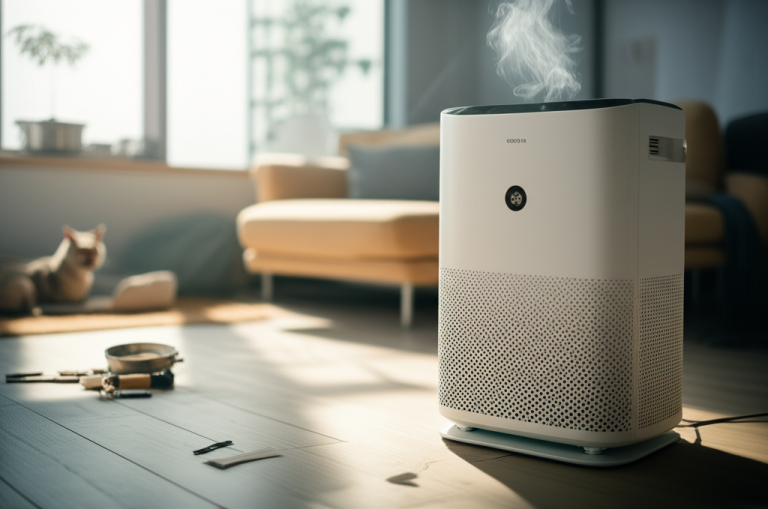
An air purifier is designed to actively clean the air circulating within a room. It typically uses a system of filters, often including HEPA (High-Efficiency Particulate Air) filters, to trap airborne particles like dust, pollen, pet dander, mold spores, and even smoke. Some advanced models also incorporate activated carbon filters to tackle odors and volatile organic compounds (VOCs).
Air purifiers work by drawing in air, passing it through these filters, and then releasing cleaner air back into the space. They are excellent for reducing the overall concentration of allergens and pollutants in the air, contributing to a healthier indoor environment for everyone. This proactive approach to air cleaning makes them a popular choice for allergy sufferers.
What is an Allergen Remover?
The term “allergen remover” is often used more broadly and can sometimes be a marketing term for devices that specifically target common allergens. While an air purifier is a type of allergen remover, the term can also encompass other products like specialized vacuum cleaners with HEPA filters or even certain cleaning solutions designed to neutralize allergens. Essentially, it’s a device or product focused on eliminating or reducing specific allergy triggers.
When people search for an “allergen remover,” they are usually looking for something that directly combats the substances causing their allergic reactions. This could be anything from a machine that captures dust mites to a spray that breaks down pet dander proteins. The key is its focused action on allergy-inducing particles.
How Air Purifiers Work to Remove Allergens
Air purifiers employ sophisticated filtration systems to capture tiny particles that trigger allergies. Their multi-stage filtration process ensures that even microscopic allergens are trapped, preventing them from recirculating and causing discomfort. This makes them a cornerstone of allergy management for many households.
The Role of HEPA Filters
High-Efficiency Particulate Air (HEPA) filters are the gold standard in air purification for allergen removal. A true HEPA filter is certified to remove at least 99.97% of airborne particles 0.3 microns in size. This includes common allergens like pollen, dust mites, pet dander, and mold spores, which are often the culprits behind seasonal allergies and indoor irritant reactions.
By forcing air through a dense mesh of fibers, HEPA filters effectively trap these microscopic irritants. This process significantly reduces the allergen load in your home’s air, providing much-needed relief for sensitive individuals. Regular filter replacement is crucial to maintain their effectiveness in capturing these allergens.
Beyond HEPA: Other Filtration Technologies
While HEPA filters are paramount, many air purifiers incorporate additional technologies to enhance allergen removal and address other air quality concerns. Activated carbon filters, for instance, excel at adsorbing odors, gases, and VOCs that can exacerbate allergies or cause general discomfort. Some units also feature UV-C light, which can help neutralize airborne bacteria and viruses, though its effectiveness against allergens is debated.
Pre-filters are often included to capture larger particles like hair and lint, extending the life of the primary HEPA filter. Ionizers and ozone generators are sometimes found in purifiers, but their use can be controversial due to potential health concerns associated with ozone production. For allergen removal, a robust HEPA filter remains the most critical component.
When to Choose an Air Purifier
An air purifier is an excellent investment if you’re dealing with a broad spectrum of airborne irritants or want to proactively improve your home’s overall air quality. They are particularly beneficial for those with asthma, multiple allergies, or who live in areas with high pollution levels. Their continuous operation helps maintain a cleaner environment day in and day out.
For Comprehensive Allergy Relief
If your allergies are triggered by a variety of airborne particles such as pollen, dust, pet dander, and mold spores, an air purifier offers comprehensive relief. It works continuously to reduce the concentration of these allergens in your living space, lessening your exposure and the severity of your symptoms. This makes it an ideal solution for allergy sufferers seeking consistent improvement.
Improving General Indoor Air Quality
Beyond specific allergies, air purifiers contribute to a healthier home environment by removing general pollutants, smoke particles, and unpleasant odors. This is especially valuable for households with smokers, pets, or those living near busy roads or industrial areas. A cleaner environment benefits everyone, promoting better respiratory health and overall well-being.
What is an Allergen Remover, Specifically?
The term “allergen remover” often implies a more targeted approach to tackling specific allergy triggers. While air purifiers fall under this umbrella, the term can also refer to devices or products with a singular focus on eliminating or neutralizing particular allergens, such as dust mites or pet dander. This specificity can be appealing for individuals who know exactly what bothers them most.
Targeted Allergen Control
An allergen remover might be a device designed for a specific task, like a steam cleaner that kills dust mites on mattresses or a specialized vacuum cleaner engineered to capture microscopic allergens. Some products are also formulated to neutralize allergens on surfaces, such as pet dander sprays or laundry additives that break down pollen proteins. These are often used in conjunction with broader air cleaning strategies.
Surface vs. Airborne Allergen Management
It’s important to distinguish between devices that tackle airborne allergens and those that address allergens present on surfaces. While air purifiers focus on what’s floating in the air, other “allergen removers” might be designed for deep cleaning carpets, upholstery, or bedding where allergens can accumulate. A comprehensive approach often involves managing both airborne and surface-level allergens.
When to Consider a Dedicated Allergen Remover
If you have identified specific, persistent allergens that significantly impact your health, a dedicated allergen remover might be the most effective solution. This could be particularly true if these allergens are heavily concentrated in certain areas or on specific surfaces within your home. They offer a focused attack on stubborn irritants.
Tackling Stubborn Allergens
For particularly persistent allergens like dust mites in bedding or heavy pet dander on carpets, a specialized allergen remover can be more effective than a general air purifier. Think of a high-powered vacuum with superior filtration for carpets or a mattress encasement designed to create a barrier against dust mites. These tools offer a direct confrontation with the source.
Supplementing Air Purification
An allergen remover doesn’t have to be an either/or choice with an air purifier. In fact, they often work best together. For example, after deep cleaning a carpet with a HEPA-filtered vacuum (an allergen remover), an air purifier can then capture any dust and dander stirred up during the process. This layered approach maximizes allergen control.
Key Differences Summarized: Allergen Remover vs Air Purifier
| Feature | Air Purifier | Dedicated Allergen Remover |
| :—————- | :————————————————— | :———————————————————- |
| Primary Function | Filters and cleans circulating indoor air. | Targets specific allergens (e.g., dust mites, dander). |
| Scope | Broad range of airborne particles (dust, pollen, etc.). | Focused on particular allergens, often surface-dwelling. |
| Mechanism | HEPA filters, activated carbon, sometimes UV-C. | Specialized vacuums, steam cleaners, surface treatments. |
| Best For | General air quality improvement, multiple airborne triggers. | Stubborn, specific allergens, surface contamination. |
| Example | A standalone unit placed in a room. | A HEPA-filtered vacuum cleaner or dust mite mattress cover. |
This table highlights the core distinctions, showing how each type of product plays a unique role in improving your home’s air quality. While an air purifier cleans the air you breathe, a dedicated allergen remover often tackles the source or specific types of allergens more directly.
Choosing the Right Device for Your Home
The decision between an air purifier and a dedicated allergen remover, or often a combination of both, depends on your specific needs and the nature of your indoor air quality concerns. Consider the primary issues you’re facing and the types of allergens that affect you most. This personalized approach ensures you invest in the most effective solution.
Assessing Your Needs
Start by identifying what bothers you most. Are you experiencing general stuffiness and odors, or are you reacting to specific triggers like pet dander or pollen that seem to linger? Observing when and where your symptoms occur can provide valuable clues. Consulting an allergist can also offer definitive answers about your triggers.
Budget and Space Considerations
Air purifiers vary widely in price, with larger, more advanced models costing significantly more. Consider the size of the room you need to cover and your budget. Dedicated allergen removers, like specialized vacuums, can also be a considerable investment. Think about how much space you have and how much you’re willing to spend for cleaner air.
Maintenance and Running Costs
Both air purifiers and some allergen removers require ongoing maintenance, such as filter replacements or specific cleaning solutions. Factor these recurring costs into your decision. An air purifier will run continuously, impacting your electricity bill, so consider its energy efficiency.
Can an Air Purifier Replace All Allergen Removers?
While air purifiers are incredibly effective at reducing airborne allergens, they are not a complete replacement for all allergen-removal strategies. They excel at cleaning the air, but they cannot address allergens that have settled on surfaces or those embedded deep within materials like carpets and mattresses. A comprehensive approach often involves more than just air filtration.
The Limits of Air Filtration
Air purifiers are designed to capture particles as they float in the air. They cannot remove allergens that have already settled on furniture, floors, or in fabrics. For instance, dust mites thrive in bedding and carpets, and while an air purifier can reduce the dust mite allergens that become airborne, it won’t eliminate the mites themselves from these surfaces.
The Importance of Cleaning and Source Control
Effective allergen management involves a multi-pronged strategy. This includes regular cleaning with appropriate tools (like HEPA vacuums), washing bedding frequently in hot water, and controlling the sources of allergens where possible. An air purifier complements these efforts by capturing what gets stirred up or escapes other control measures, but it’s not a standalone solution for all allergen issues.
Integrating Allergen Removers and Air Purifiers for Optimal Results
For the best possible indoor air quality, consider using an air purifier in conjunction with other allergen-control methods and dedicated allergen removers. This synergistic approach tackles allergens from multiple angles, providing more comprehensive relief and a healthier living environment. It’s about building layers of defense against irritants.
A Layered Approach to Cleaner Air
Imagine this: you vacuum your carpets with a high-efficiency vacuum cleaner (an allergen remover) that traps dust and dander. Then, you turn on your air purifier to capture any fine particles that were inevitably stirred into the air during vacuuming. This combined strategy ensures that both settled and airborne allergens are managed effectively.
Managing Specific Triggers Effectively
If you know you’re highly sensitive to pet dander, for example, you might use a dedicated pet dander spray on upholstery and run an air purifier in the rooms where your pets spend the most time. For dust mite allergies, encasing mattresses and pillows and regularly washing bedding in hot water, alongside air purification, creates a robust defense. Combining methods amplifies their effectiveness.
Frequently Asked Questions About Allergen Removers and Air Purifiers
Here are answers to some common questions to further clarify the roles of allergen removers and air purifiers in your home.
Q1: Will an air purifier get rid of all my allergy symptoms?
An air purifier can significantly reduce many common allergens in the air, leading to a substantial decrease in allergy symptoms for many people. However, it may not eliminate all symptoms, especially if your allergies are triggered by factors not addressed by air filtration, such as certain food allergens or those embedded deep in surfaces.
Q2: Is a HEPA filter the only thing I need in an air purifier for allergies?
While a true HEPA filter is the most crucial component for capturing microscopic allergens, additional features like activated carbon filters can help with odors and gases that might exacerbate allergies. Pre-filters are also beneficial for capturing larger particles and extending the HEPA filter’s life.
Q3: How often should I replace the filters in my air purifier?
Filter replacement frequency depends on the specific air purifier model, the air quality in your home, and how often the unit is used. Manufacturers typically provide guidelines, but generally, HEPA filters need replacement every 6-12 months, and activated carbon filters may need replacing more often.
Q4: Can I use an “allergen remover” spray and an air purifier together?
Yes, using an allergen remover spray on surfaces in conjunction with an air purifier can be very effective. The spray helps neutralize allergens on contact, and the air purifier then captures any allergens that become airborne during the application or from other sources.
Q5: Are ozone-generating air purifiers safe for allergy sufferers?
Ozone generators are generally not recommended for allergy sufferers. While ozone can neutralize some pollutants, it is also a lung irritant and can worsen respiratory conditions like asthma and allergies. It’s best to opt for purifiers with HEPA and activated carbon filters.
Q6: Which is better for dust mites: an air purifier or a specialized vacuum?
Both play a role. A specialized vacuum cleaner with a HEPA filter is excellent for removing dust mites and their allergens from carpets and upholstery. An air purifier then helps capture any dust mite allergens that become airborne during the cleaning process or from everyday activities.
Conclusion: Making the Smart Choice for Your Air
Navigating the world of air quality devices can seem complex, but understanding the core functions of an allergen remover vs air purifier makes the choice much clearer. An air purifier is your workhorse for continuously cleaning the air of a room, tackling a wide array of airborne irritants like dust, pollen, and dander with its advanced filtration systems. It’s ideal for general air quality improvement and relief from multiple airborne triggers.
On the other hand, the term “allergen remover” often refers to more targeted solutions—devices or products specifically designed to combat stubborn or localized allergens, such as dust mites in bedding or pet dander on carpets, often through specialized cleaning or surface treatments. For ultimate indoor air purity, the most effective strategy is often a combination: using dedicated allergen removers for deep cleaning and source control, and running a reliable air purifier to capture what gets stirred up. By understanding these differences and assessing your home’s unique needs, you can make an informed decision to breathe easier and live healthier.