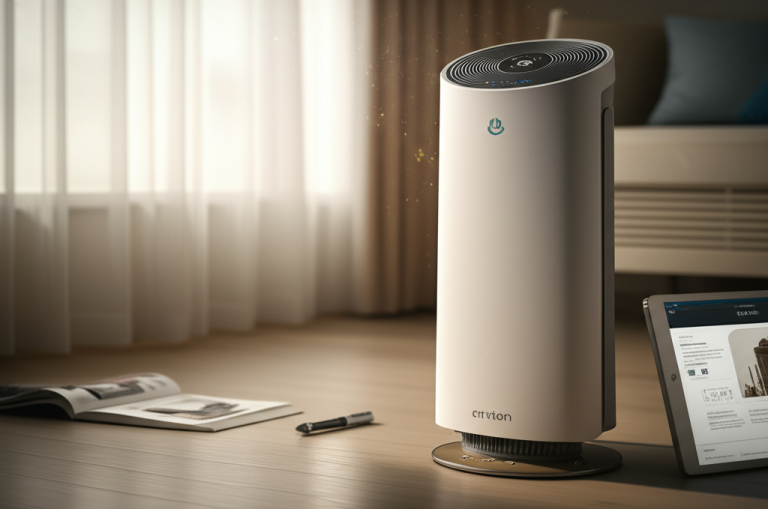
Air Scrubbers vs Air Purifiers: Essential Guide

Air scrubbers and air purifiers both clean indoor air, but they serve different primary functions. Air scrubbers are primarily for containing and removing airborne particles during disruptive activities like construction or mold remediation, while air purifiers focus on continuous removal of allergens, pollutants, and odors for general air quality improvement.
Understanding the difference between air scrubbers and air purifiers is crucial for maintaining a healthy indoor environment. Many people mistakenly use these terms interchangeably, leading to confusion and potentially incorrect choices for their specific needs. This guide will demystify air scrubbers vs air purifiers, helping you make informed decisions to breathe easier.
What Exactly is an Air Scrubber?
An air scrubber is a powerful, portable air cleaning device designed to capture and contain airborne particles, especially during activities that generate a lot of dust, debris, or contaminants. They are often used in professional settings such as construction sites, renovation projects, and during mold or asbestos abatement. Their primary goal is to prevent the spread of these particles to other areas of a building.
These machines typically use a multi-stage filtration system, often including a pre-filter, a HEPA filter, and sometimes activated carbon filters. The robust design allows them to move a significant volume of air, effectively trapping even microscopic particles. This makes them indispensable for disaster restoration and industrial cleaning.
What is an Air Purifier?
An air purifier, on the other hand, is designed for continuous use in homes and offices to improve overall indoor air quality by removing common pollutants. They target a wide range of airborne irritants like dust, pollen, pet dander, mold spores, smoke, and volatile organic compounds (VOCs). Their aim is to create a consistently cleaner and healthier breathing environment.
Air purifiers come in various sizes and use different filtration technologies, including HEPA filters, activated carbon, UV-C light, and ionizers. The specific technology employed determines the types of pollutants they are most effective at removing. They are ideal for allergy sufferers, pet owners, or anyone concerned about everyday air pollution.
Key Differences: Air Scrubbers vs Air Purifiers
The fundamental distinction between air scrubbers vs air purifiers lies in their intended purpose and operational capacity. Air scrubbers are heavy-duty machines for intense, short-term air cleaning and containment, whereas air purifiers are designed for ongoing, general air quality improvement. Think of an air scrubber as a specialized tool for a specific, messy job, and an air purifier as a daily guardian of your air.
Here’s a quick breakdown of their primary functions:
Air Scrubbers: Containment of large particles, dust, debris, mold spores, and hazardous materials during specific events.
Air Purifiers: Continuous removal of common allergens, pollutants, odors, and microscopic particles for improved everyday air quality.
How Air Scrubbers Work
Air scrubbers operate by drawing in contaminated air from a space, passing it through a series of filters, and then expelling cleaner air. They are engineered for high airflow rates, meaning they can process a large volume of air quickly. This is essential when dealing with significant amounts of airborne contaminants.
The filtration process in an air scrubber is typically multi-layered. A coarse pre-filter captures larger particles like hair and dust bunnies. The main filter is usually a high-efficiency particulate air (HEPA) filter, capable of trapping at least 99.97% of particles as small as 0.3 microns. Some models may also include activated carbon filters to absorb odors and gases.
How Air Purifiers Work
Air purifiers employ various technologies to clean the air, with filtration being the most common. A typical air purifier uses a fan to pull air through one or more filters. The most effective purifiers incorporate HEPA filters to capture fine particles.
Beyond HEPA, many air purifiers use activated carbon filters to adsorb odors and gases from smoke, cooking, or VOCs. Other technologies include UV-C light, which can kill airborne bacteria and viruses, and ionizers, which release negative ions to clump particles together, making them easier to filter or fall out of the air. It’s important to note that some ionizers can produce ozone, which can be a lung irritant.
When to Use an Air Scrubber
You should consider using an air scrubber when you anticipate or are dealing with significant airborne particulate matter. This includes situations like:
Renovations and Construction: Sawing, sanding, drywall work, and demolition can release large amounts of dust.
Mold Remediation: If mold is discovered, an air scrubber helps contain spores and prevent their spread.
Water Damage Restoration: After leaks or floods, air scrubbers can help dry out spaces and remove mold spores that may develop.
Fire Damage Cleanup: Removing smoke particles and soot from the air.
Asbestos Abatement: Highly specialized use for containing hazardous asbestos fibers.
Using an air scrubber in these scenarios is crucial for worker safety and for preventing cross-contamination throughout the building. They create a negative pressure environment to ensure contaminants stay within the work zone.
When to Use an Air Purifier
An air purifier is best suited for ongoing, everyday air quality improvement in living and working spaces. You would benefit from an air purifier if you:
Suffer from Allergies or Asthma: HEPA filters can significantly reduce allergens like pollen, dust mites, and pet dander.
Live with Pets: Pet dander and odors are common issues that air purifiers can address.
Are Concerned about Indoor Pollution: Modern homes can trap pollutants from cleaning products, furniture off-gassing (VOCs), and outdoor air.
Live in Areas with Poor Outdoor Air Quality: Wildfire smoke or industrial pollution can impact indoor air.
Want to Reduce Odors: Activated carbon filters are excellent for removing cooking smells, smoke, and pet odors.
Air purifiers provide a continuous layer of protection against common indoor air contaminants, promoting a healthier living environment. They are a proactive measure for maintaining good respiratory health.
Filtration Technologies: A Deeper Dive
Both air scrubbers and air purifiers rely on filtration, but the specific technologies and their application can differ. Understanding these technologies helps clarify the air scrubbers vs air purifiers debate.
HEPA Filters
High-Efficiency Particulate Air (HEPA) filters are the gold standard for particle removal in both types of devices. A true HEPA filter, as defined by the U.S. Department of Energy, must capture 99.97% of airborne particles 0.3 microns in diameter. This includes dust, pollen, mold spores, bacteria, and even some viruses.
Activated Carbon Filters
Activated carbon filters are highly porous and excel at adsorbing gases, odors, and volatile organic compounds (VOCs). They are particularly useful in air purifiers for eliminating smells from cooking, pets, or smoke. In air scrubbers, they can help neutralize odors associated with mold or fire damage.
Other Technologies
UV-C Light: Used in some air purifiers to kill bacteria, viruses, and mold spores as they pass by the light. Its effectiveness depends on exposure time.
Ionizers: Release charged ions that attach to airborne particles, causing them to clump and fall or stick to surfaces. Some ionizers can produce ozone, a lung irritant.
* Pre-filters: Basic filters that capture larger particles, extending the life of more expensive HEPA filters.
Air Scrubbers vs Air Purifiers: Performance and Capacity
The performance and capacity of air scrubbers and air purifiers are designed for their respective tasks. Air scrubbers are built for high-volume air movement, often measured in Cubic Feet per Minute (CFM). This high CFM rating allows them to quickly process large amounts of air, which is essential for containing dust during construction.
Air purifiers, while also having CFM ratings, are typically designed for continuous operation in smaller, defined spaces like a room. Their effectiveness is often measured by their CADR (Clean Air Delivery Rate), which indicates how quickly they can filter specific pollutants like smoke, dust, and pollen. A higher CADR generally means a more effective purifier for a given room size.
Cost Considerations and Maintenance
When comparing air scrubbers vs air purifiers, cost and maintenance are significant factors. Air scrubbers are generally more expensive to purchase due to their robust construction and higher airflow capabilities. They are often rented for specific projects rather than bought for home use.
Maintenance for air scrubbers involves regular filter changes, especially after demanding jobs. These filters can be costly. Air purifiers have a wider price range, from budget-friendly models to high-end units. Their maintenance typically involves replacing filters annually or semi-annually, depending on usage and air quality. Pre-filters may need cleaning more often.
Choosing the Right Device for Your Needs
Deciding between an air scrubber and an air purifier hinges entirely on your specific situation. If you’re undertaking a messy renovation, dealing with mold, or need to contain significant dust, an air scrubber is the appropriate tool. It’s a specialized piece of equipment for serious air cleaning tasks.
For everyday improvement of indoor air quality, managing allergies, or reducing common household odors, an air purifier is the better choice. It’s designed for continuous operation and long-term benefits to your home environment. Think about the problem you’re trying to solve: a temporary, intense issue or ongoing air quality concerns.
Frequently Asked Questions
Can I use an air purifier like an air scrubber?
No, air purifiers are not designed for the heavy-duty tasks that air scrubbers handle. They lack the airflow capacity and robust containment features needed for construction dust or mold remediation.
Can I use an air scrubber as an air purifier?
While an air scrubber will clean the air, it’s generally overkill and too noisy for continuous use in a home. They are also often bulky and less energy-efficient for everyday air purification needs.
Are air scrubbers safe to use around people?
Yes, when used correctly according to manufacturer instructions. However, their primary purpose is to contain hazardous particles, so they are most often used in unoccupied or controlled-access areas during remediation.
Do air purifiers remove viruses?
True HEPA filters in air purifiers can capture a significant percentage of airborne viruses. Some purifiers also use UV-C light technology, which can help neutralize viruses.
How often should I change the filters in an air scrubber?
Filter replacement frequency for air scrubbers depends on the intensity and duration of use. For heavy-duty jobs like mold remediation, filters may need to be changed frequently, sometimes daily or weekly. Always consult the manufacturer’s guidelines.
What is the difference between a portable air cleaner and an air scrubber?
The terms are often used interchangeably, but “air scrubber” typically refers to a more powerful, industrial-grade portable air cleaner designed for containment and heavy particle removal. “Portable air cleaner” is a broader term that can include smaller home air purifiers.
Are air scrubbers noisy?
Yes, air scrubbers are generally much louder than typical home air purifiers due to their powerful fans and high airflow rates. This is another reason they are not suitable for continuous use in living spaces.
Conclusion
Navigating the world of air cleaning can be confusing, but understanding the distinct roles of air scrubbers vs air purifiers makes the choice clear. Air scrubbers are your go-to for serious, event-driven air cleaning and containment, essential for construction, renovation, and disaster recovery. They are powerful machines designed to tackle significant particulate challenges.
On the other hand, air purifiers are the everyday heroes for maintaining consistently clean and healthy indoor air. They diligently remove allergens, pollutants, and odors, making them ideal for allergy sufferers, pet owners, and anyone seeking a fresher breathing environment. By choosing the right device for your needs, you can effectively manage your indoor air quality and create a healthier space for yourself and your family.