
Air Purifier With Mist: Essential Health Boost

Air Purifier With Mist: Essential Health Boost for a Healthier Home
Discover how an air purifier with mist can significantly enhance your home’s air quality and your overall well-being. This guide explores the dual benefits of purifying and humidifying your air, offering a comprehensive solution for a healthier living environment. Learn why this innovative appliance is a must-have for anyone seeking to breathe easier and feel better.
Breathing Better, Feeling Better: The Air Purifier With Mist Advantage
Are you tired of dry, stuffy air impacting your sleep and energy levels? Many homes suffer from poor indoor air quality, exacerbated by dry conditions that can irritate airways and worsen allergies. An air purifier with mist offers a revolutionary, two-in-one solution to tackle these common frustrations. It not only cleans the air you breathe but also adds essential moisture, creating a truly revitalizing environment.
What is an Air Purifier With Mist?
An air purifier with mist, often called a humidifier-purifier combo, combines the functions of a standard air purifier with a humidifier. It uses advanced filtration systems to capture airborne pollutants like dust, pollen, pet dander, and smoke. Simultaneously, it releases a fine, cool mist into the air to combat dryness, ensuring optimal humidity levels for comfort and health.
How Does an Air Purifier With Mist Work?
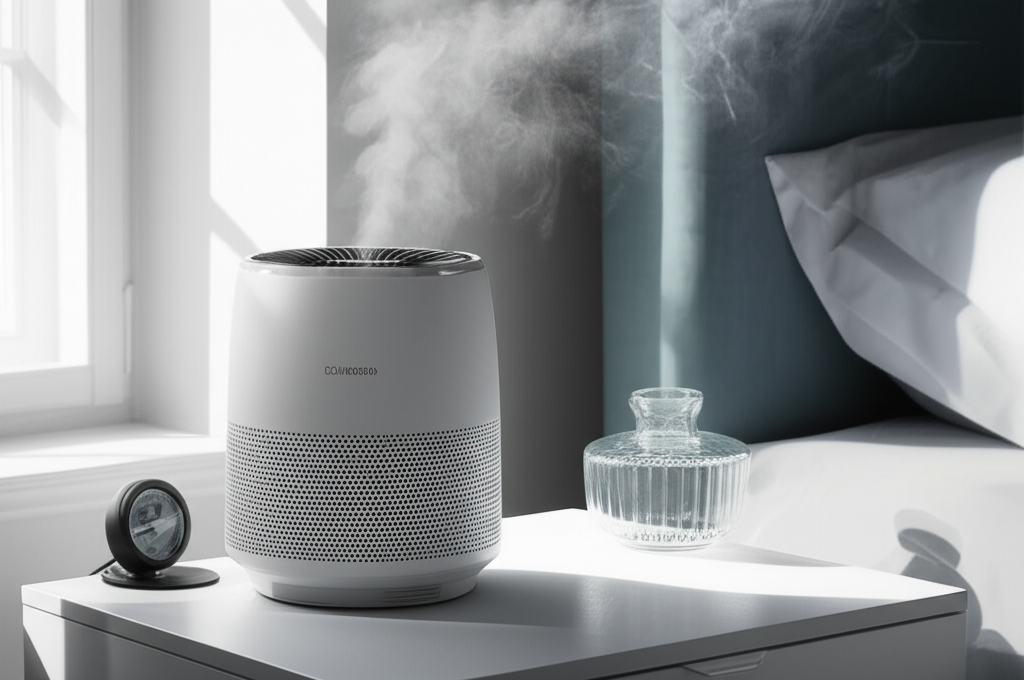
These dual-action devices typically draw in air, passing it through a series of filters such as HEPA and activated carbon to trap microscopic particles and odors. As the purified air is released, a separate mechanism adds moisture by evaporating water from a reservoir. This process ensures that the air entering your living space is both clean and comfortably humidified.
The Dual Benefits: Why Combine Purification and Humidification?
The synergy of purification and humidification offers a more comprehensive approach to indoor air quality than either function alone. By addressing both particulate matter and humidity levels, these units create a balanced and healthier atmosphere. This integrated approach is particularly beneficial during dry seasons or in arid climates.
Enhanced Respiratory Health
Dry air can dehydrate your nasal passages and throat, making you more susceptible to infections and irritations. Adding moisture helps keep these mucous membranes lubricated, reducing the risk of sore throats, coughs, and sinus congestion. Combined with air purification, this eases breathing and supports overall respiratory function.
Improved Sleep Quality
Breathing dry, polluted air can lead to snoring, nasal congestion, and general discomfort, disrupting your sleep. Maintaining optimal humidity levels and ensuring clean air promotes easier breathing throughout the night. This can result in deeper, more restorative sleep, leaving you feeling more energized and refreshed each morning.
Allergy and Asthma Relief
For individuals suffering from allergies or asthma, controlling both airborne allergens and humidity is crucial. An air purifier with mist captures allergens like dust mites and pollen, while proper humidity levels can prevent dust mites from thriving and keep airways from becoming overly sensitive. This dual action provides significant relief from allergy and asthma symptoms.
Skin and Hair Hydration
The constant exposure to dry air can strip moisture from your skin and hair, leading to dryness, flakiness, and frizz. Humidified air helps your skin retain its natural moisture, promoting a healthier complexion. It also keeps your hair hydrated, reducing static and improving its overall texture and shine.
Key Features to Look For in an Air Purifier With Mist
When selecting the best air purifier with mist for your needs, consider several important features. These will ensure you get an effective and user-friendly device that meets your specific requirements and enhances your home environment.
Filtration System Quality
Prioritize units with a multi-stage filtration system, typically including a pre-filter, a True HEPA filter, and an activated carbon filter. A True HEPA filter is essential for capturing 99.97% of airborne particles as small as 0.3 microns, while activated carbon effectively removes odors and VOCs. For example, brands like Coway air purifiers are known for their robust filtration capabilities.
Humidification Capacity and Control
Evaluate the humidifier’s output rate and the size of the water tank to ensure it can effectively humidify your room size. Look for adjustable mist levels and an automatic humidistat that maintains your desired humidity level. Some models offer both warm and cool mist options, providing flexibility for different preferences and seasons.
Coverage Area and Noise Level
Ensure the air purifier with mist is rated for the square footage of the room you intend to use it in. Many devices also feature a “sleep mode” or low fan speed setting that significantly reduces noise, making them ideal for bedrooms or living areas where quiet operation is desired. Check the decibel (dB) ratings for different fan speeds.
Smart Features and Convenience
Modern air purifiers with mist often come with smart capabilities like Wi-Fi connectivity, app control, and voice assistant integration. These features allow you to monitor air quality, adjust settings, and schedule operation remotely. Ease of maintenance, such as simple filter replacement and easy-to-clean water tanks, is also a significant convenience factor.
Comparing Air Purifier With Mist vs. Separate Units
Deciding between a combined unit and separate devices involves weighing convenience, space, and cost. Understanding the pros and cons of each approach will help you make an informed choice for your home.
| Feature | Air Purifier With Mist (Combined Unit) | Separate Air Purifier and Humidifier |
|---|---|---|
| Convenience | High – one device to manage, purchase, and maintain. | Lower – two devices to operate, clean, and maintain. |
| Space Saving | Excellent – occupies the footprint of one appliance. | Moderate – requires space for two separate units. |
| Cost | Potentially higher initial investment, but can be cost-effective long-term. | Lower initial cost for individual units, but higher overall if buying premium models. |
| Functionality | Integrated benefits, optimized for dual performance. | Independent control over each function, potentially more specialized features. |
| Maintenance | Requires cleaning both the filter system and humidifier components. | Separate maintenance for each device, potentially simpler individual tasks. |
The Efficiency of Integrated Solutions
Combined units are designed to work harmoniously, offering a streamlined experience. They often provide a balanced approach to air quality management without requiring you to juggle multiple devices and their respective maintenance schedules. This integration can simplify your routine and ensure consistent benefits.
Maintaining Your Air Purifier With Mist for Optimal Performance
Proper maintenance is key to ensuring your air purifier with mist continues to deliver clean, humidified air effectively. Regular care will extend the lifespan of your appliance and prevent issues like mold growth or reduced performance.
Regular Filter Replacement
Filters are the heart of air purification. Follow the manufacturer’s recommendations for replacing your HEPA and activated carbon filters. Typically, HEPA filters need replacement every 6-12 months, while carbon filters may need attention more frequently, depending on usage and air quality. Check your user manual for specific timelines.
Cleaning the Water Tank and Components
The humidifier component requires regular cleaning to prevent the buildup of minerals, bacteria, and mold. Empty and rinse the water tank daily or every other day. Deep clean the tank and any other removable parts weekly using a mild soap and water solution or a vinegar-based cleaner, as recommended by the manufacturer.
Descaling the Mist Mechanism
Mineral deposits from tap water can accumulate in the misting mechanism, reducing efficiency and potentially causing clogs. Periodically descale the unit by running a cycle with a mixture of water and white vinegar, or a commercial descaling solution. Rinse thoroughly afterward to remove any residue. Using distilled or demineralized water can significantly reduce the frequency of descaling.
Who Can Benefit Most from an Air Purifier With Mist?
While everyone can enjoy the benefits of cleaner, more comfortable air, certain groups stand to gain the most from this innovative appliance. Identifying your specific needs can help you appreciate the value of this dual-action device.
Individuals with Respiratory Sensitivities
People with asthma, allergies, COPD, or other respiratory conditions often find relief with improved indoor air quality. The combination of allergen removal and optimal humidity can significantly reduce triggers and ease breathing difficulties. Organizations like the American Lung Association emphasize the importance of clean air for lung health.
Those Living in Dry Climates or Seasons
If you reside in an arid region or experience dry winters, your home’s air is likely lacking essential moisture. An air purifier with mist combats this dryness, preventing dry skin, irritated sinuses, and static electricity, making your living space more comfortable year-round.
Families with Young Children or Elderly Members
Babies and older adults often have more sensitive respiratory systems. Providing them with clean, properly humidified air can help prevent common illnesses, soothe coughs, and ensure a more comfortable environment conducive to rest and recovery.
Anyone Seeking Improved Well-being
Beyond specific health conditions, consistent exposure to purified, humidified air can simply make you feel better. It contributes to better sleep, clearer skin, and a more pleasant home atmosphere, enhancing overall quality of life for all occupants.
Potential Downsides and How to Mitigate Them
While an air purifier with mist offers many advantages, it’s important to be aware of potential drawbacks and how to manage them effectively. Proactive measures can ensure you maximize the benefits while minimizing any concerns.
Risk of Over-Humidification
Excessive humidity can promote the growth of mold, mildew, and dust mites, which are detrimental to health. To avoid this, use the unit’s humidistat to maintain ideal humidity levels (typically between 40-60%). Regularly monitor humidity with a hygrometer and ensure proper ventilation in your home.
Maintenance Requirements
As mentioned, these devices require diligent cleaning of both the air filtration system and the humidifier components. If you dislike regular cleaning tasks, a combined unit might feel more demanding than a standalone air purifier. Set a cleaning schedule and stick to it to keep the unit functioning optimally.
Initial Cost
Dual-function appliances can sometimes have a higher upfront cost compared to single-function devices. However, consider the long-term savings and convenience of having one unit instead of two. Research different brands and models to find one that offers good value for its features and performance.
Frequently Asked Questions (FAQ)
Can an air purifier with mist make my room too humid?
Yes, if not used correctly. It’s crucial to use the built-in humidistat or an external hygrometer to maintain humidity levels between 40% and 60%. Over-humidification can lead to mold growth.
How often do I need to clean the water tank?
You should empty and rinse the water tank daily or at least every other day to prevent bacterial growth. A more thorough cleaning should be done weekly.
What type of water should I use in the humidifier?
Using distilled or demineralized water is highly recommended. This minimizes mineral buildup in the humidifier components and reduces the need for frequent descaling.
Do air purifiers with mist remove odors effectively?
Yes, most models include activated carbon filters designed to absorb and neutralize common household odors from cooking, pets, and smoke, in addition to purifying the air.
Are air purifiers with mist noisy?
Noise levels vary by model. Many units offer a quiet sleep mode or low fan settings that are barely audible, making them suitable for bedrooms.
How do I know if my air purifier with mist is working correctly?
You should notice improved air freshness and a comfortable humidity level. Check indicator lights for filter replacement or water levels, and monitor your room’s humidity with a hygrometer.
Conclusion: Embrace a Healthier Atmosphere with an Air Purifier With Mist
Investing in an air purifier with mist is a proactive step towards creating a healthier, more comfortable living environment. By effectively removing airborne pollutants and maintaining optimal humidity, this versatile appliance addresses multiple aspects of indoor air quality. Whether you suffer from respiratory issues, live in a dry climate, or simply desire a more revitalizing home atmosphere, an air purifier with mist offers a comprehensive solution. Embrace the dual benefits of clean air and balanced humidity to breathe easier, sleep better, and enhance your overall well-being.
