
Air Purifier Whole House UV Light: Essential Guide

Discover how an air purifier whole house UV light can revolutionize your indoor air quality, offering a powerful, chemical-free solution to eliminate airborne contaminants like viruses, bacteria, and mold for a healthier home environment.
Breathing clean air is fundamental to our well-being, yet invisible threats like viruses, bacteria, and mold spores often lurk in our homes. These microscopic invaders can trigger allergies, asthma, and other respiratory issues, making the air we breathe a source of concern. Many homeowners seek effective solutions to combat these airborne pollutants throughout their entire living space. This guide will demystify the concept of an air purifier whole house UV light, explaining how it works, its benefits, and what to consider for optimal whole-home air purification.
What is a Whole House UV Air Purifier?
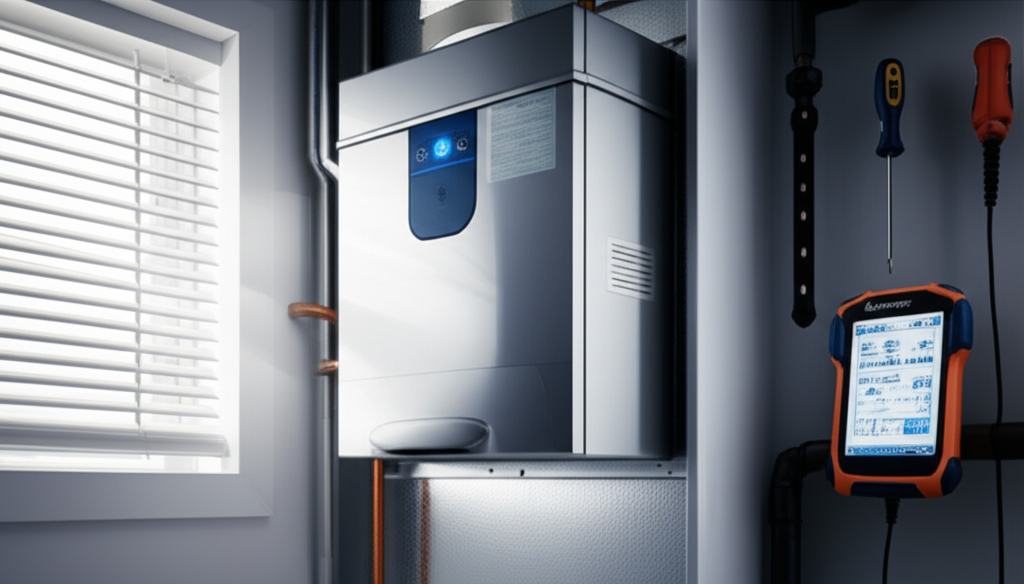
A whole house UV air purifier is an advanced system integrated into your existing HVAC (Heating, Ventilation, and Air Conditioning) system. It utilizes ultraviolet (UV) light, specifically germicidal UV-C wavelengths, to neutralize airborne microorganisms as they circulate through your ductwork. This approach ensures that every room in your house benefits from purified air, unlike portable units that target single spaces.
How Does UV Light Purify Air?
UV light, particularly the germicidal UV-C spectrum, disrupts the DNA and RNA of microorganisms. This damage prevents them from replicating and effectively inactivates viruses, bacteria, mold spores, and other pathogens. By exposing the air passing through your HVAC system to this powerful UV light, the system significantly reduces the concentration of these harmful biological contaminants.
The Science Behind UV-C Germicidal Irradiation
UV-C light, with wavelengths between 200 and 280 nanometers, is highly effective at destroying or inactivating microorganisms. When these UV rays penetrate a pathogen, they damage its genetic material, rendering it unable to reproduce or cause infection. This non-chemical method is a proven technology used in hospitals and laboratories for sterilization, now adapted for whole-home air purification. Research from institutions like the CDC (Centers for Disease Control and Prevention) highlights the efficacy of UV light in inactivating airborne pathogens.
UV-A, UV-B, and UV-C: Understanding the Spectrum
It’s crucial to differentiate between UV light types. UV-A and UV-B are the rays from the sun that can cause sunburn and skin aging. UV-C, however, is the germicidal wavelength that is primarily absorbed by the Earth’s ozone layer and doesn’t reach us naturally. For air purification, only UV-C lamps are used, and they are safely enclosed within the HVAC system, posing no risk to occupants.
Benefits of a Whole House UV Air Purifier
Whole house UV air purifiers offer a comprehensive approach to improving indoor air quality. They provide consistent protection throughout your home without the need for multiple devices.
Key Advantages to Consider:
Comprehensive Air Purification: Treats air in every room, ensuring consistent air quality.
Destroys Microorganisms: Effectively inactivates viruses, bacteria, mold, and fungi.
Chemical-Free Solution: Unlike some air fresheners or ionizers, UV light doesn’t produce harmful byproducts.
Reduced Allergy and Asthma Symptoms: By removing airborne pathogens, it can alleviate respiratory issues.
Odor Reduction: Can help break down odor-causing compounds.
HVAC System Protection: Prevents mold and bacterial growth within the ductwork and on cooling coils.
* Low Maintenance: Typically requires bulb replacement once a year.
How Whole House UV Air Purifiers Work with Your HVAC System
These systems are typically installed within the main return air duct or near the air handler of your HVAC unit. They consist of one or more UV lamps strategically positioned to expose the air as it passes through. As your furnace or air conditioner circulates air, it’s drawn past the UV lamps, where any airborne microorganisms are irradiated and inactivated.
Installation Process and Location
Installation usually involves a qualified HVAC technician. They will determine the optimal placement for the UV lamp(s) to ensure maximum exposure to the circulating air. This often means installing them in the supply or return air plenums, or directly on the cooling coil to prevent microbial growth.
Types of Whole House UV Air Purifiers
When choosing a whole house UV air purifier, you’ll generally encounter two main types based on their installation location and function.
In-Duct UV Systems
These are the most common type, installed directly within the main ductwork of your HVAC system. They are designed to treat all the air that passes through the ducts.
Coil-Sterilizing UV Lamps
These are specifically designed to be mounted near the HVAC system’s evaporator coil. Their primary function is to prevent mold and bacteria from growing on the coil and in the condensate pan, which can otherwise become breeding grounds for germs and lead to unpleasant odors and reduced system efficiency.
Factors to Consider Before Buying
Selecting the right whole house UV air purifier involves understanding your specific needs and the capabilities of different systems. It’s not a one-size-fits-all solution.
Sizing and Airflow
Ensure the UV system is appropriately sized for your home’s HVAC system’s airflow. Too small a system may not effectively treat all the air, while an oversized one could be unnecessary. Consult with an HVAC professional to determine the correct specifications.
UV Lamp Intensity and Lifespan
Look for UV lamps with sufficient intensity (measured in microwatts per square centimeter) to effectively inactivate a broad range of microorganisms. Also, consider the lifespan of the bulbs, as they typically need replacement annually. Higher-quality lamps often offer longer lifespans and consistent output.
Integration with Existing HVAC
The UV system must be compatible with your current HVAC setup. Most systems are designed for standard duct sizes, but it’s wise to confirm this with the manufacturer or installer.
Maintenance Requirements
While generally low maintenance, understand the replacement schedule for UV bulbs and any cleaning requirements for the fixture. Annual replacement is standard for most UV lamps.
Cost and Warranty
Prices can vary significantly based on brand, features, and the number of lamps. Always check the warranty offered on both the fixture and the UV lamps.
Comparing Whole House UV Air Purifiers with Other Air Purification Methods
While UV purifiers excel at inactivating biological contaminants, they are often part of a multi-stage air purification strategy. Understanding how they compare to other methods can help you make an informed decision.
HEPA Filters vs. UV Light
HEPA (High-Efficiency Particulate Air) filters physically trap particles like dust, pollen, pet dander, and some smaller microorganisms. UV light, on the other hand, inactivates airborne biological contaminants. A comprehensive system often combines both HEPA filtration for particle removal and UV light for germicidal action.
Activated Carbon Filters
Activated carbon filters are excellent at adsorbing gases, odors, and volatile organic compounds (VOCs). They work by chemical adsorption, trapping molecules on their porous surface. While UV light targets biological threats, activated carbon addresses chemical pollutants and smells.
Ozone Generators
Ozone generators intentionally produce ozone, a gas that can neutralize odors and some contaminants. However, ozone is a lung irritant and is not recommended for occupied spaces. Whole house UV systems are a safer, chemical-free alternative.
Installation and Maintenance of Your Whole House UV System
Proper installation and regular maintenance are key to ensuring your whole house UV air purifier operates effectively and safely. A qualified professional is essential for the initial setup.
Professional Installation is Crucial
Installing a whole house UV system involves working with your HVAC unit and electrical connections. It requires knowledge of ductwork and airflow dynamics to ensure the UV light effectively treats the air without hindering your HVAC system’s performance. Improper installation can lead to reduced efficiency, system damage, or safety hazards.
Routine Maintenance Schedule
The primary maintenance task for a UV air purifier is replacing the UV lamp(s). Most manufacturers recommend replacing them annually, as their germicidal effectiveness diminishes over time, even if they still emit visible light. Some systems may have indicators to remind you when replacement is due. Regularly inspect the UV fixture for any signs of damage or dust buildup.
Choosing the Right UV Lamp for Your Home
The effectiveness of your whole house UV air purifier hinges on selecting the right type and quality of UV lamp. Not all UV lamps are created equal, and choosing one specifically designed for germicidal purposes is vital.
Germicidal UV-C Lamps
These are the only type of UV lamp suitable for air purification. They emit UV-C light in the critical 200-280 nm range, which is potent enough to disrupt the DNA of microorganisms. Ensure the product explicitly states it uses UV-C germicidal lamps.
Lamp Intensity and Coverage Area
The intensity of the UV lamp, often measured in microwatts per square centimeter at a specific distance, dictates its germicidal power. Higher intensity lamps can inactivate pathogens more quickly and effectively. The coverage area refers to how much air the lamp can effectively treat as it passes through. Your HVAC system’s airflow rate will determine the required lamp intensity and placement for adequate coverage.
Consider Reputable Brands
Opt for UV lamps from well-known and reputable manufacturers specializing in air purification or germicidal irradiation. Brands like Sanuvair or RGF Environmental Group are often cited for their quality and performance in this field. Researching reviews and professional recommendations can guide your choice.
Potential Concerns and How to Address Them
While whole house UV air purifiers are generally safe and effective, it’s important to be aware of potential concerns and how to mitigate them. Addressing these proactively ensures you get the most out of your investment.
UV Exposure Risks (Myth vs. Reality)
Modern whole house UV systems are designed to be completely enclosed within your HVAC ductwork. The UV lamps are shielded, so there is no direct exposure to occupants. The light only contacts the air as it passes through the system, making it perfectly safe for use in occupied homes.
Effectiveness Against All Pollutants
UV light is primarily effective against biological contaminants like viruses, bacteria, and mold spores. It does not effectively remove particulate matter (like dust or pollen) or gaseous pollutants (like VOCs or odors). For comprehensive air purification, UV systems are often best used in conjunction with HEPA filters and activated carbon filters.
Impact on HVAC System Efficiency
When installed correctly, a UV system should not negatively impact your HVAC system’s efficiency. In fact, by preventing mold and slime buildup on cooling coils, it can help maintain optimal performance. However, incorrect installation or a poorly designed fixture could potentially restrict airflow. Always ensure professional installation by a qualified technician.
Are Whole House UV Air Purifiers Worth the Investment?
Deciding whether to invest in a whole house UV air purifier involves weighing its benefits against the cost and your specific air quality needs. For many, the enhanced health and comfort are well worth the expenditure.
Long-Term Health and Well-being
The primary justification for investing in a whole house UV air purifier is the potential for improved health and well-being. By continuously reducing airborne pathogens, these systems can contribute to fewer respiratory illnesses, reduced allergy symptoms, and a generally healthier living environment for your family. This proactive approach to air quality can lead to significant long-term benefits.
Cost-Benefit Analysis
While the initial purchase and installation of a whole house UV system represent an upfront cost, consider the ongoing expenses of portable purifiers, replacement filters, and potential health-related costs from poor air quality. The annual cost of replacing UV bulbs is relatively low compared to the comprehensive protection offered throughout the entire home. Many find the peace of mind and tangible health improvements justify the investment.
Conclusion: Achieving Healthier Air with UV Purification
Investing in a whole house UV air purifier is a significant step towards creating a healthier indoor environment for your entire family. By neutralizing harmful airborne microorganisms, these systems offer a powerful, chemical-free solution to combat viruses, bacteria, and mold. Remember to choose a system that integrates seamlessly with your HVAC, opt for reputable brands, and ensure professional installation and annual maintenance for optimal performance. An air purifier whole house UV light is a smart, proactive choice for anyone serious about breathing cleaner, safer air every day.
FAQ: Your Questions About Whole House UV Air Purifiers Answered
What is the primary function of a whole house UV air purifier?
A whole house UV air purifier uses germicidal UV-C light to inactivate airborne microorganisms like viruses, bacteria, and mold spores as air circulates through your HVAC system.
Does UV light produce ozone?
No, properly designed germicidal UV-C lamps used in whole house air purifiers do not produce ozone. They are specifically engineered to emit UV-C light for disinfection without generating harmful byproducts.
How often do I need to replace the UV bulb?
Most UV bulbs need to be replaced annually, as their germicidal effectiveness decreases over time, even if they still emit light.
Can a UV air purifier remove dust and allergens?
UV light primarily targets biological contaminants. For dust, pollen, and pet dander, you’ll need a HEPA filter, often used in conjunction with a UV system for comprehensive air purification.
Is a whole house UV system safe for my family?
Yes, these systems are installed within your HVAC ductwork and are completely enclosed, meaning there is no direct UV exposure to people or pets.
Will a UV air purifier make my energy bills higher?
The additional energy consumption from a UV lamp is typically very minimal, often comparable to that of a small light bulb, so it should not significantly impact your energy bills.
What is the difference between UV air purifiers and other whole-house air filters?
UV air purifiers kill or inactivate microorganisms, while physical filters like HEPA traps particles. Activated carbon filters absorb gases and odors. A complete system often combines these technologies.
