Air Purifier vs Cool Mist Humidifier: Essential Guide

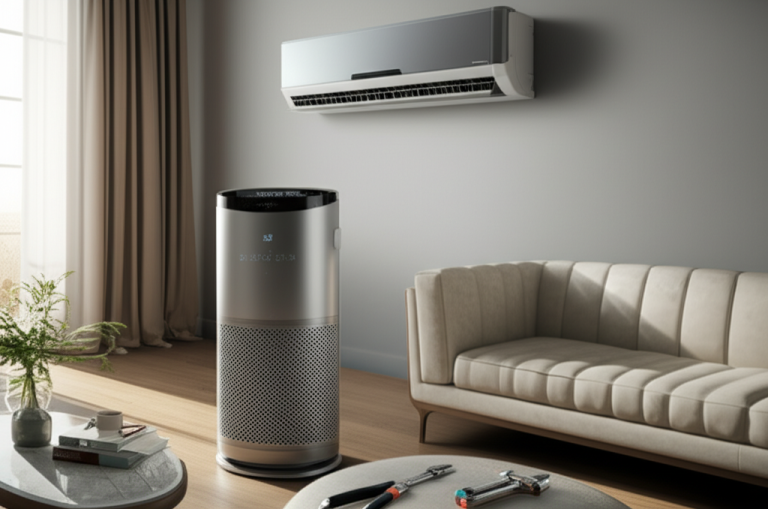
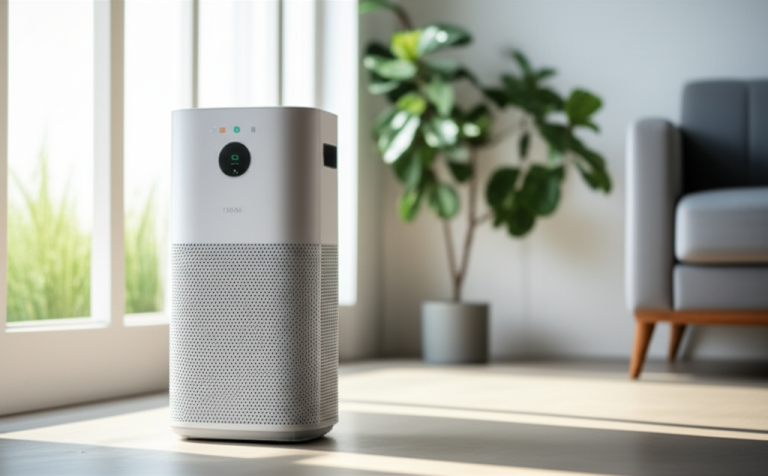
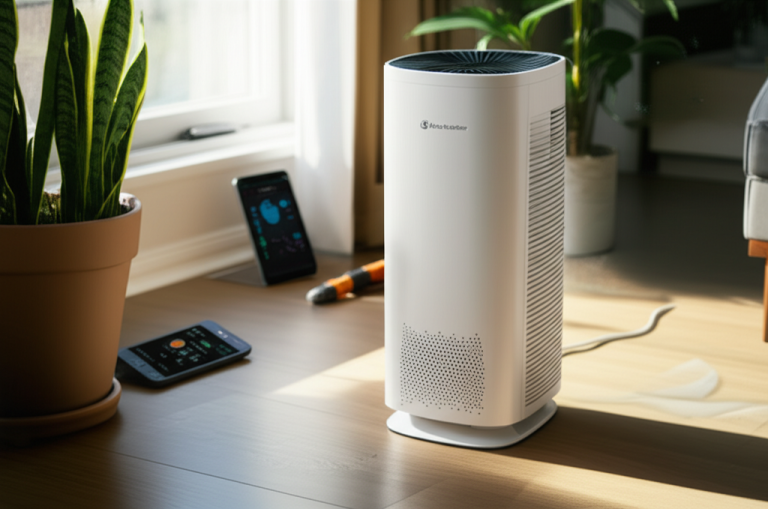
Air purifier vs cool mist humidifier: Understand their distinct roles in improving indoor air quality. While air purifiers remove airborne pollutants like dust and allergens, cool mist humidifiers add moisture to dry air, easing respiratory discomfort and preventing static. Choose the right device based on your specific needs for a healthier home environment.
Choosing between an air purifier and a cool mist humidifier can feel like a puzzle, especially when both promise a healthier living space. Many people wonder if one can do the job of the other, or if they even need both. This guide is here to demystify the differences and help you make the best choice for your home’s air. We’ll break down exactly what each device does, when you should use them, and how they can work together.
Air Purifier vs Cool Mist Humidifier: What’s the Real Difference?
The core distinction lies in their primary function: air purifiers clean the air, while cool mist humidifiers add moisture to it. Understanding this fundamental difference is key to deciding which, if either, is right for your home.
How Air Purifiers Work to Clean Your Air
Air purifiers actively remove contaminants from the air, targeting particles that can cause allergies, asthma, and general discomfort. They use various filtration systems to trap these unwanted guests, leaving your air cleaner.
The Science Behind Air Purification
Most air purifiers utilize HEPA filters, which are designed to capture at least 99.97% of airborne particles 0.3 microns in size. This includes common culprits like pollen, dust mites, pet dander, mold spores, and even some bacteria and viruses.
Common Types of Air Purifiers
Beyond HEPA, other technologies include activated carbon filters (for odors and VOCs), UV-C light (for germs), and ionizers (which can have mixed reviews regarding ozone production). Choosing the right type depends on what you want to remove from your air.
The Role of Cool Mist Humidifiers in Your Home
Cool mist humidifiers increase the humidity levels in a room by releasing a fine mist of water. This is particularly beneficial in dry climates or during winter months when indoor heating can strip the air of moisture.
Understanding the Mechanism of Humidification
These devices typically work by using a fan to blow air across a wet wick or by vibrating a water reservoir at high frequency, creating a cool mist. This mist then evaporates into the air, raising the relative humidity.
Benefits of Optimal Humidity Levels
Maintaining ideal humidity (between 40-60%) can alleviate dry skin, chapped lips, irritated sinuses, and dry throats. It can also help reduce static electricity and protect wooden furniture from cracking.
When to Choose an Air Purifier
An air purifier is your go-to solution when the primary concern is the presence of airborne pollutants and irritants. If you or your family suffer from allergies, asthma, or have pets, an air purifier can significantly improve your indoor environment.
Tackling Allergens and Pollutants
For those sensitive to pollen, dust, pet dander, or mold spores, an air purifier acts as a shield. It continuously cycles air through its filters, capturing these microscopic triggers before they can cause a reaction.
Combating Odors and Smoke
Activated carbon filters, often found in conjunction with HEPA filters, are excellent at absorbing odors from cooking, smoke, and pets. This makes air purifiers valuable for maintaining a fresh-smelling home.
Protecting Against Airborne Illnesses
While not a substitute for good hygiene, air purifiers with HEPA filters can capture airborne viruses and bacteria, potentially reducing the spread of illness within your home. Some advanced models also incorporate UV-C light for added germicidal effect.
When to Opt for a Cool Mist Humidifier
A cool mist humidifier is the ideal choice when the problem is dry air, leading to discomfort and potential health issues related to low humidity. It directly addresses the lack of moisture in your environment.
Easing Respiratory Discomfort
Dry air can irritate nasal passages, throats, and lungs, leading to congestion, coughing, and difficulty breathing, especially for infants and those with respiratory conditions. Humidifiers add the necessary moisture to soothe these symptoms.
Preventing Dryness-Related Ailments
From dry, itchy skin and chapped lips to static shocks and even nosebleeds, low humidity takes a toll on your body and home. A humidifier helps maintain a comfortable balance, preventing these common issues.
Benefits for Infants and Children
Babies and young children have more delicate respiratory systems that are particularly susceptible to the effects of dry air. A humidifier can help them breathe easier and sleep more soundly.
Can Air Purifiers and Humidifiers Be Used Together?
Yes, in many cases, an air purifier and a cool mist humidifier can and should be used together. They address different aspects of indoor air quality, and their combined use can create a significantly healthier and more comfortable environment.
Synergistic Benefits for Your Home
Using both devices allows you to tackle both airborne pollutants and inadequate moisture levels simultaneously. This comprehensive approach to air quality is often the most effective for overall well-being.
Strategic Placement for Maximum Effectiveness
To get the most out of both, consider their placement. Air purifiers are best placed in areas where air circulation is good, while humidifiers should be positioned to disperse mist effectively without creating overly damp spots.
Key Differences Summarized: Air Purifier vs Cool Mist Humidifier
Understanding the core functionalities and benefits helps in making an informed decision. Here’s a quick comparison to highlight their distinct roles.
| Feature | Air Purifier | Cool Mist Humidifier |
| :————— | :————————————————- | :————————————————- |
| Primary Goal | Removes airborne pollutants (dust, allergens, etc.) | Adds moisture to dry air |
| Mechanism | Filtration (HEPA, Carbon, etc.) | Evaporation (wick, ultrasonic, impeller) |
| Best For | Allergies, asthma, odors, smoke, pet dander | Dry skin, sore throats, congestion, static |
| Effect on Air| Cleans | Moisturizes |
| Maintenance | Filter replacement | Regular cleaning, descaling, water refilling |
This table clearly illustrates that while both improve indoor air, they do so through entirely different means and for different primary reasons.
Choosing the Right Device for Your Needs
Your decision hinges on your primary indoor air concerns. Are you battling sniffles and sneezes, or are you struggling with dry skin and a scratchy throat?
Assessing Your Indoor Air Quality Issues
Take stock of your symptoms and environmental conditions. Do you experience more discomfort during allergy season? Is your home consistently dry, especially in winter?
When an Air Purifier is the Priority
If allergies, asthma, pet dander, or lingering odors are your main concerns, an air purifier should be your first investment. It directly addresses the presence of harmful particles in the air you breathe.
When a Humidifier is the Priority
If dry air is causing physical discomfort, leading to dry skin, static electricity, or respiratory irritation, a cool mist humidifier is likely what you need. It brings balance to the moisture levels in your home.
Top Considerations When Buying
When shopping for either device, several factors are crucial for ensuring you get the best performance and value for your money.
Air Purifier Features to Look For
HEPA Filter: Essential for capturing the smallest particles.
CADR (Clean Air Delivery Rate): Indicates how quickly the unit can clean the air in a specific room size.
Room Size Coverage: Ensure the unit is rated for the square footage of the space you intend to use it in.
Noise Level: Important for bedrooms or living areas.
Filter Replacement Costs: Factor in the ongoing expense of new filters.
Humidifier Features to Look For
Tank Capacity and Run Time: How long can it operate before needing a refill?
Mist Output Control: Ability to adjust the level of humidity.
Ease of Cleaning: Humidifiers require regular cleaning to prevent mold and bacteria growth.
Humidistat: An automatic sensor that maintains a desired humidity level.
Safety Features: Auto shut-off when empty.
Maintenance: Keeping Your Devices Running Smoothly
Proper maintenance is vital for both air purifiers and humidifiers to ensure they function effectively and safely. Neglecting maintenance can reduce their performance and even introduce new problems.
Air Purifier Maintenance Essentials
The most critical maintenance task for an air purifier is replacing its filters according to the manufacturer’s recommendations. Some units have washable pre-filters that can extend the life of the main HEPA and carbon filters.
Humidifier Cleaning and Care
Humidifiers need frequent cleaning to prevent the buildup of minerals and potential growth of mold and bacteria. This typically involves daily rinsing and weekly disinfecting with a mild bleach or vinegar solution. Always follow manufacturer guidelines.
Can a Humidifier Replace an Air Purifier?
No, a humidifier cannot replace an air purifier. While both contribute to a healthier indoor environment, they serve fundamentally different purposes. A humidifier adds moisture, while an air purifier removes pollutants.
Addressing Different Air Quality Problems
A humidifier will not remove dust, pollen, or pet dander from your air; it only adds water vapor. Similarly, an air purifier will not add moisture to overly dry air.
Can an Air Purifier Replace a Humidifier?
Likewise, an air purifier cannot replace a humidifier. Its filters are designed to trap particles, not to add moisture to the air. Using an air purifier in a dry environment will not alleviate symptoms associated with low humidity.
The Importance of Moisture for Comfort
Air purifiers are excellent for cleaning, but they do nothing to combat the discomfort and health issues caused by dry air. For that, a humidifier is essential.
Frequently Asked Questions About Air Purifiers and Humidifiers
Here are answers to some common questions people have when comparing these two devices.
Can I use tap water in my cool mist humidifier?
It’s generally recommended to use distilled or demineralized water in cool mist humidifiers. Tap water contains minerals that can be released into the air as fine white dust and can also build up inside the humidifier, requiring more frequent cleaning.
How often should I run my air purifier?
For maximum benefit, especially if you have allergies or pets, it’s recommended to run your air purifier continuously. Many models are energy-efficient, and running them 24/7 ensures consistent air cleaning.
Will a humidifier make my allergies worse?
A humidifier itself doesn’t typically worsen allergies, but if not cleaned properly, it can become a breeding ground for mold and bacteria, which can then be dispersed into the air and trigger allergies. Always maintain a clean humidifier.
What is the ideal humidity level for my home?
The ideal indoor humidity level is generally considered to be between 40% and 60%. Levels below 40% can lead to dryness and discomfort, while levels above 60% can encourage the growth of mold and dust mites.
Can I put essential oils in an air purifier?
No, you should never add essential oils or any other liquids to an air purifier. This can damage the filters and the unit’s motor, and potentially create harmful byproducts.
Do air purifiers produce ozone?
Some types of air purifiers, particularly ionizers and ozone generators, can produce ozone. While ozone can help neutralize odors and pollutants, it can also be a lung irritant. Look for ozone-free certified models if this is a concern.
Conclusion: Making the Right Choice for Your Home
Ultimately, the decision between an air purifier and a cool mist humidifier, or choosing to use both, depends entirely on your specific indoor air quality needs. An air purifier vs cool mist humidifier debate isn’t about which one is “better,” but rather which one addresses your primary concerns. If you’re dealing with allergens, dust, pet dander, or odors, an air purifier is your solution. If dry air is causing discomfort, a cool mist humidifier will bring relief. For many, the optimal indoor environment is achieved by using both devices in tandem, creating a space that is both clean and comfortably humidified. Investing in the right air quality solutions is an investment in your health and well-being.