
Air Purifier How Often To Change Filter: Essential Guide

Wondering about air purifier how often to change filter? This essential guide breaks down filter lifespan, signs it’s time for a change, and tips to maximize performance. Learn how to keep your air clean and your purifier running efficiently with expert advice.
Breathing clean air at home is a priority for many, but understanding when to replace your air purifier filter can feel like a mystery. Many people struggle with knowing the exact timing, leading to either over-frequent, costly replacements or ineffective filtration. This guide is here to demystify the process, offering clear answers and practical advice. We’ll explore the factors influencing filter life, the tell-tale signs your filter needs attention, and how to ensure your air purifier works its best for you and your family.
How Often to Change an Air Purifier Filter: The Ultimate Guide
Understanding air purifier how often to change filter is crucial for maintaining optimal air quality in your home. Neglecting this simple maintenance task can significantly reduce your purifier’s effectiveness, allowing pollutants to recirculate and potentially impacting your health.
Understanding Air Purifier Filter Lifespans
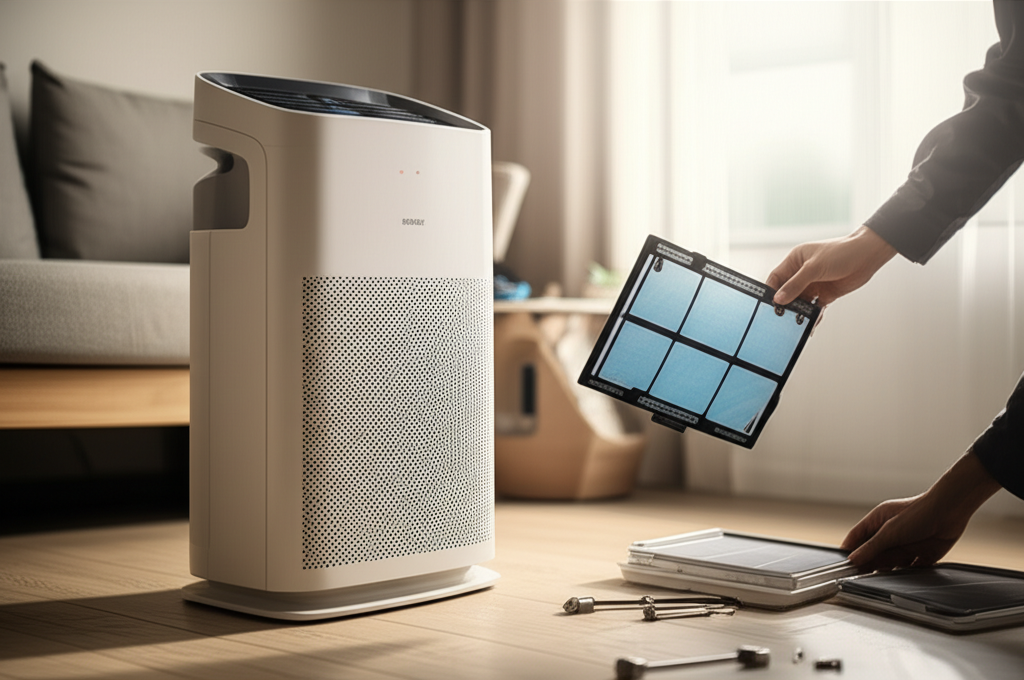
The lifespan of an air purifier filter isn’t a one-size-fits-all answer; it depends heavily on several key factors. These include the type of filter, the air quality in your home, and how frequently you run your air purifier. Generally, manufacturers provide estimated lifespans, but these are often based on ideal conditions.
HEPA Filters: The Workhorse of Air Purification
High-Efficiency Particulate Air (HEPA) filters are designed to capture at least 99.97% of airborne particles 0.3 microns in size. For most standard HEPA filters, a replacement is typically recommended every 6 to 12 months. This timeframe can be shorter in environments with high pollution levels or numerous allergens.
Activated Carbon Filters: Tackling Odors and Gases
Activated carbon filters are excellent at adsorbing odors, smoke, and volatile organic compounds (VOCs). Because they work by trapping these molecules, their capacity can be exhausted relatively quickly. Depending on the severity of odors or gas presence, these filters might need changing every 3 to 6 months, sometimes even sooner than HEPA filters.
Pre-filters: The First Line of Defense
Pre-filters are washable and designed to catch larger particles like dust and pet hair, protecting the more delicate HEPA and carbon filters. They don’t typically have a strict replacement schedule but require regular cleaning, usually every 2 to 4 weeks. Consistent cleaning of the pre-filter directly extends the life of the main filters.
Factors Influencing Air Purifier Filter Life
Several environmental and usage factors significantly impact how often you’ll need to change your air purifier filter. Being aware of these can help you adjust your filter replacement schedule for optimal performance.
Home Environment and Air Quality
If your home frequently experiences high levels of dust, pollen, pet dander, or smoke (e.g., from cooking or wildfires), your air purifier will work harder and its filters will clog faster. Homes in urban areas or near busy roads often have poorer outdoor air quality that seeps indoors, also reducing filter life.
Usage Habits and Run Time
Running your air purifier continuously on a higher setting will naturally cause filters to degrade more quickly than intermittent use on lower settings. While constant operation ensures cleaner air, it necessitates more frequent filter changes. Consider your specific needs and adjust usage accordingly.
Allergies and Respiratory Conditions
For individuals with severe allergies, asthma, or other respiratory sensitivities, maintaining a consistently clean environment is paramount. This often means running the purifier more frequently and potentially changing filters slightly ahead of the manufacturer’s recommendations to ensure maximum allergen removal.
Signs Your Air Purifier Filter Needs Changing
Your air purifier will often give you visual or auditory cues when its filters are nearing the end of their effective life. Paying attention to these signals is key to timely replacement.
Reduced Airflow
One of the most common indicators is a noticeable decrease in the volume of air being expelled from the unit. Clogged filters restrict airflow, making your purifier less effective at circulating and cleaning the air in your room.
Increased Noise Levels
As filters become saturated with particles, the motor may have to work harder to pull air through them. This can lead to an increase in the operational noise of your air purifier, a sign that the system is under strain.
Lingering Odors and Pollutants
If you notice that odors, smoke, or other unpleasant smells are no longer being effectively neutralized, or if you’re experiencing a resurgence of allergy symptoms, it’s a strong sign that your filters are exhausted and need replacing. This is particularly true for carbon filters designed to combat odors.
Filter Indicator Lights
Many modern air purifiers come equipped with a filter replacement indicator light. This feature takes the guesswork out of maintenance, alerting you when it’s time to check or replace the filters. Always consult your user manual for specific instructions related to your model’s indicator.
The Importance of Regular Filter Replacement
Regularly changing your air purifier filter is not just about maintaining performance; it’s about ensuring the health benefits you sought when purchasing the unit are actually being delivered.
Maintaining Air Purification Efficiency
A clogged filter cannot effectively capture new airborne pollutants. Replacing filters ensures that your unit continues to remove dust, allergens, smoke, and other harmful particles from your air, maintaining the high level of air quality you expect.
Preventing Mold and Bacteria Growth
As filters become saturated, they can become a breeding ground for mold and bacteria, especially in humid environments. These contaminants can then be dispersed back into the air, negating the purifier’s purpose and potentially harming your health. Regular changes prevent this.
Protecting Your Air Purifier’s Motor
When filters are excessively clogged, the motor has to work much harder to draw air through them. This increased strain can lead to overheating and premature wear on the motor, potentially shortening the lifespan of your entire air purifier unit.
How to Determine Your Specific Air Purifier Filter Change Schedule
While general guidelines exist, the most accurate information for air purifier how often to change filter comes from the source: your device’s manufacturer and your specific usage patterns.
Consult Your Air Purifier’s User Manual
The user manual is your definitive guide. It will provide the manufacturer’s recommended replacement intervals for each type of filter in your specific model, often tailored to different usage scenarios. Always refer to this document first.
Track Your Usage and Environment
Keep a log of when you purchased the purifier and when you last changed the filters. Note any significant changes in your home environment, such as increased pet activity, new renovations, or periods of poor outdoor air quality, which might necessitate earlier changes.
Utilize Smart Features and Apps
Many newer air purifiers are “smart” and connect to companion apps. These apps often track filter usage based on runtime and air quality data, providing personalized reminders for filter changes, making maintenance much simpler.
Tips for Extending Your Air Purifier Filter Life
While filters have a finite lifespan, there are several proactive steps you can take to maximize their effectiveness and potentially extend their life.
Regularly Clean the Pre-filter
This is arguably the most impactful step. Washing or vacuuming your pre-filter every few weeks removes larger debris, preventing it from reaching and prematurely clogging your main HEPA and carbon filters. A clean pre-filter is essential for overall system health.
Maintain Optimal Placement
Ensure your air purifier has adequate space around it for good airflow. Avoid placing it directly against walls or furniture, which can restrict air intake and put extra strain on the unit and its filters. Proper placement aids efficient operation.
Use Lower Fan Speeds When Possible
While higher speeds clean the air faster, they also put more stress on the filters and consume more energy. If air quality is generally good, using a lower fan speed can extend filter life and reduce energy costs. Find a balance that works for your needs.
Choosing the Right Replacement Filters
When it’s time to replace your filters, ensuring you get the correct ones is vital for your air purifier’s performance and longevity. Using incompatible filters can lead to poor filtration or even damage the unit.
Always Use Manufacturer-Recommended Filters
The safest bet is always to purchase replacement filters directly from the air purifier’s manufacturer or authorized retailers. These filters are designed to meet the exact specifications of your model, ensuring optimal fit and filtration efficiency.
Beware of Generic or “Compatible” Filters
While generic filters might seem like a cost-saving option, they can sometimes be of lower quality or not fit perfectly. This can compromise filtration performance and potentially void your warranty. Always weigh the cost savings against potential performance degradation.
Understanding Filter Certifications
Look for certifications like True HEPA, which indicates the filter meets stringent standards for particle capture. For carbon filters, the amount and quality of activated carbon matter for odor and gas removal. These details can help you make informed choices.
Air Purifier Filter Replacement Costs and Budgeting
The cost of replacement filters is an ongoing expense to consider when owning an air purifier. Planning for these costs ensures you can maintain your unit without unexpected financial strain.
Average Cost of Replacement Filters
Replacement filter costs can vary widely depending on the brand, model, and type of filter. A basic HEPA filter might range from $20 to $50, while a combined HEPA and carbon filter set for a larger unit could cost $50 to $100 or more. Some premium brands have higher-priced replacements.
Budgeting for Ongoing Maintenance
To budget effectively, research the cost of replacement filters for your specific air purifier model before purchasing. Factor in the recommended replacement frequency (e.g., if filters are $40 and need changing every 6 months, that’s $80 per year per filter set). Many manufacturers offer subscription services that can sometimes offer discounts.
When to Consider a New Air Purifier
If your current air purifier is several years old, requires very frequent filter changes, or if the cost of replacement filters is becoming prohibitive, it might be time to consider upgrading to a newer, more energy-efficient model with longer-lasting or more cost-effective filters. Newer models often boast improved technology.
Frequently Asked Questions About Air Purifier Filters
How do I know if my air purifier filter needs changing if it doesn’t have an indicator light?
If your air purifier lacks an indicator light, rely on reduced airflow, increased noise, the presence of lingering odors, or a visible accumulation of dust on the filter as signs for replacement. A general guideline is to check and potentially replace every 6-12 months, adjusting for your environment.
Can I wash my HEPA filter?
Generally, no. True HEPA filters are designed to trap microscopic particles and are not washable. Washing a HEPA filter can damage its delicate structure, rendering it ineffective and potentially releasing trapped pollutants. Pre-filters, however, are often washable.
How long do activated carbon filters last?
Activated carbon filters typically have a shorter lifespan than HEPA filters, often lasting between 3 to 6 months. This is because they work by adsorbing odors and gases, and their capacity becomes saturated over time.
What happens if I don’t change my air purifier filter?
If you don’t change your air purifier filter, its effectiveness will significantly decrease, allowing pollutants to recirculate. The filter can also become a breeding ground for mold and bacteria, and the motor may be strained, leading to reduced performance and potential damage to the unit.
Are expensive replacement filters worth it?
Using manufacturer-recommended or certified replacement filters is generally worth the investment. They are designed to fit perfectly and perform optimally, ensuring your air purifier functions as intended and protecting your investment in the device itself. Generic options may compromise performance.
Can I extend the life of my air purifier filter?
Yes, you can extend filter life by regularly cleaning the pre-filter, using lower fan speeds when appropriate, ensuring proper unit placement for good airflow, and avoiding excessive smoke or pollutant sources in your home. Consistent maintenance is key.
Conclusion: Mastering Air Purifier Filter Changes
Mastering air purifier how often to change filter is fundamental to enjoying consistently clean and healthy air in your home. By understanding the various filter types, recognizing the signs that indicate a need for replacement, and following manufacturer guidelines, you can ensure your air purifier operates at peak efficiency. Remember that regular cleaning of pre-filters and mindful usage habits can further extend the life of your main filters, saving you money and reducing waste. Prioritizing timely filter changes means prioritizing your health and the longevity of your air purification investment. Keep an eye on those indicator lights, listen to your unit, and breathe easier knowing you’re taking the right steps.
