
Air Purifier Dehumidifier Difference: Essential Clarified

Understanding the air purifier dehumidifier difference is crucial for optimizing your home’s air quality and comfort. While both devices improve your indoor environment, they tackle distinct issues: air purifiers clean the air of pollutants, and dehumidifiers reduce excess moisture. This guide clarifies their roles, benefits, and when you might need one, both, or a combination unit.
Air quality is more than just what you can see. It’s about the invisible particles and the overall feel of your home. Many people wonder about the air purifier dehumidifier difference, especially when looking to create a healthier living space. You might be confused by their similar-looking designs or the fact that some units combine both functions. Don’t worry; I’m here to break down exactly what each device does, why it matters, and how to choose the right one for your needs. Let’s clear the air and get to the bottom of this common concern.
Air Purifier Dehumidifier Difference: What They Are and What They Do
The fundamental air purifier dehumidifier difference lies in their primary function. An air purifier is designed to remove airborne contaminants like dust, pollen, pet dander, mold spores, and smoke from the air. A dehumidifier, on the other hand, is built to extract excess moisture from the air, lowering humidity levels. Understanding this core distinction is the first step to making an informed decision for your home.
How Air Purifiers Work to Clean Your Air
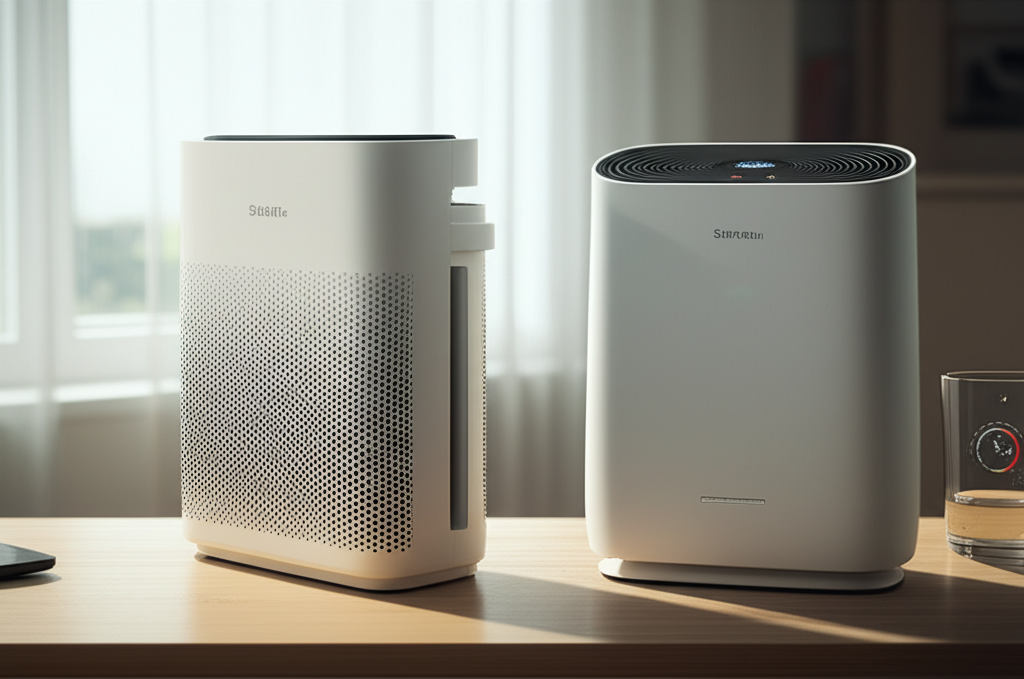
Air purifiers use various filtration technologies to trap pollutants. Common filters include HEPA (High-Efficiency Particulate Air) filters, which capture at least 99.97% of particles 0.3 microns in size, activated carbon filters to absorb odors and gases, and pre-filters for larger particles. They draw in room air, pass it through these filters, and release cleaner air back into the space. This process significantly improves indoor air quality for allergy sufferers and anyone concerned about pollutants.
How Dehumidifiers Remove Excess Moisture
Dehumidifiers work by drawing in moist air and passing it over a cold coil, similar to a refrigerator. This process condenses the water vapor into liquid, which is then collected in a tank or drained away. The drier air is then reheated and circulated back into the room. This is essential for preventing mold growth, reducing musty odors, and making your home feel more comfortable, especially in humid climates.
Key Differences in Functionality and Purpose
When we talk about the air purifier dehumidifier difference, the core divergence is their target. Air purifiers aim to clean the air of microscopic particles and allergens. Dehumidifiers aim to control the moisture content of the air. While both contribute to a healthier environment, they address different aspects of indoor air quality and comfort.
What Air Purifiers Target
Air purifiers focus on removing microscopic threats. This includes common allergens like pollen, dust mites, and pet dander, which can trigger allergies and asthma. They also tackle odors from cooking, pets, and smoke, as well as volatile organic compounds (VOCs) released from furniture and cleaning products. Their goal is to make the air you breathe cleaner and healthier.
What Dehumidifiers Target
Dehumidifiers are all about moisture control. High humidity can lead to a breeding ground for mold and mildew, which can damage your home and pose health risks. It can also make your living space feel sticky and uncomfortable, and exacerbate issues like dust mites. Dehumidifiers aim to create a drier, more pleasant, and healthier environment by keeping humidity levels in check.
When You Might Need an Air Purifier
An air purifier is a valuable addition to any home, but it’s particularly beneficial for certain individuals and situations. If you or someone in your household suffers from allergies, asthma, or other respiratory sensitivities, an air purifier can make a significant difference in symptom severity. It’s also great for homes with pets or those who live in areas with high outdoor pollution.
Benefits of Using an Air Purifier
The primary benefit of an air purifier is improved respiratory health. By removing allergens and irritants, they can reduce sneezing, coughing, itchy eyes, and congestion. They also eliminate unpleasant odors, leaving your home smelling fresher. For many, the peace of mind that comes with breathing cleaner air is invaluable.
Signs You Could Benefit from an Air Purifier
Consider an air purifier if you notice persistent dust buildup, frequent allergy flare-ups, lingering odors, or if you have pets that shed. If the air in your home feels stuffy or you’re concerned about airborne viruses and bacteria, an air purifier can offer a solution. It’s a proactive step towards a healthier living environment.
When You Might Need a Dehumidifier
A dehumidifier is essential for homes struggling with excess moisture. This is common in basements, bathrooms, kitchens, and areas with high outdoor humidity. If you notice condensation on windows, peeling wallpaper, a persistent musty smell, or visible mold growth, a dehumidifier is likely what you need. It’s also crucial in preventing these issues from developing in the first place.
Benefits of Using a Dehumidifier
The benefits of a dehumidifier extend beyond just comfort. By reducing moisture, you inhibit the growth of mold, mildew, and dust mites, which are common allergens and can cause respiratory problems. A drier environment also helps protect your home’s structure from moisture damage and can make your air conditioner more efficient, as it won’t have to work as hard to remove humidity.
Signs You Could Benefit from a Dehumidifier
Look for signs of high humidity in your home: a damp or musty smell, condensation on windows or pipes, feeling clammy or sticky indoors, or seeing mold or mildew spots, especially in bathrooms or basements. If you live in a humid climate, simply having one can prevent these problems from arising. Controlling humidity is key to a healthy home.
Can an Air Purifier Dehumidify? Exploring Combination Units
This is where the air purifier dehumidifier difference can get a bit blurry for consumers. Many manufacturers now offer “2-in-1” or “3-in-1” devices that combine air purification with dehumidification, and sometimes even humidification or fan functions. These combination units aim to offer a space-saving and cost-effective solution for multiple air quality needs. However, it’s important to understand their capabilities.
How Combination Units Work
A combination unit typically houses separate components for each function. It will have a filtration system for air purification and a refrigeration-based system for dehumidification. You can usually operate these functions independently, allowing you to use the air purifier without dehumidifying, or vice versa, depending on your needs. They offer convenience but might not be as powerful as dedicated units for extreme issues.
Pros and Cons of Combination Units
Combination units offer the advantage of saving space and potentially money compared to buying two separate appliances. They provide a consolidated solution for common indoor air quality concerns. However, a potential downside is that the performance of each function might be less robust than a standalone unit. For instance, a combo unit’s dehumidifying capacity might be lower than a dedicated dehumidifier of similar size, and its air purification might be less effective if the filters are smaller or less advanced.
Air Purifier vs. Dehumidifier: Making the Right Choice
Deciding between a standalone air purifier, a standalone dehumidifier, or a combination unit depends on your specific home environment and priorities. The core air purifier dehumidifier difference highlights that they solve different problems. If you have clear issues with airborne pollutants and allergies, an air purifier is your priority. If excessive moisture and mold are the concern, a dehumidifier is key.
When to Choose a Standalone Air Purifier
Opt for a standalone air purifier if your primary concern is allergies, asthma, pet dander, smoke, or general air freshness. If your home doesn’t have significant humidity problems, but you want to breathe cleaner air, this is the focused solution. It’s ideal for bedrooms, living areas, or any space where air quality is paramount.
When to Choose a Standalone Dehumidifier
A standalone dehumidifier is the best choice if your home suffers from high humidity, leading to dampness, mold, or musty smells. This is especially true for basements, bathrooms, or homes in very humid climates. If air purity is less of a concern than controlling moisture, a dedicated dehumidifier will be more effective.
When a Combination Unit Might Be Ideal
A combination unit is a good compromise if you have mild issues with both air quality and humidity. It’s a practical choice for smaller living spaces where having two appliances might be cumbersome or expensive. If your needs are moderate and you value convenience and space-saving, a combo unit could be the perfect fit.
Key Features to Consider for Each Appliance
When shopping for either an air purifier or a dehumidifier, or a combination unit, certain features are crucial. Understanding these will help you navigate the market and find a device that truly meets your needs. The air purifier dehumidifier difference extends to the specific features that make each effective.
Essential Features for Air Purifiers
Look for a true HEPA filter, as this is the gold standard for capturing fine particles. An activated carbon filter is vital for odor removal. Consider the CADR (Clean Air Delivery Rate) to ensure the purifier is appropriately sized for your room. Features like multiple fan speeds, a timer, and a filter replacement indicator add convenience. Smart features, like app control, are also becoming increasingly popular.
Essential Features for Dehumidifiers
Key features for dehumidifiers include their moisture removal capacity (measured in pints per day), which should match your room size and humidity levels. Look for adjustable humidistats to set your desired humidity level. A continuous drainage option (via a hose) is very convenient, eliminating the need to empty the water tank. Features like automatic shut-off, a frost-free mode for cooler temperatures, and portability (wheels and handles) are also beneficial.
Understanding Air Quality Metrics: What to Look For
To truly grasp the air purifier dehumidifier difference and how to measure their effectiveness, it’s helpful to understand key metrics. For air purifiers, the Clean Air Delivery Rate (CADR) is paramount. For dehumidifiers, it’s their pint-per-day capacity and target humidity levels.
Air Purifier Metrics: CADR and ACH
CADR indicates how quickly an air purifier can remove specific pollutants (smoke, dust, pollen) from a room. Higher CADR ratings mean faster air cleaning. ACH (Air Changes per Hour) tells you how many times the air in a room is cycled through the purifier in one hour. For optimal air quality, aim for an ACH of at least 4-5.
Dehumidifier Metrics: Capacity and Humidistat
Dehumidifier capacity is usually rated in pints of water removed per 24 hours. This rating often corresponds to specific room sizes. A 30-pint dehumidifier is typically suitable for medium-sized rooms, while a 50-pint model is better for larger spaces. The humidistat allows you to set a target humidity level, typically between 30% and 50%, for optimal comfort and preservation.
Maintenance and Longevity: Keeping Your Appliances Running
Proper maintenance is key to ensuring both air purifiers and dehumidifiers operate efficiently and last for years. The air purifier dehumidifier difference in maintenance requirements is minimal, as both involve cleaning and filter replacement. Neglecting this can reduce their effectiveness and lifespan.
Maintaining Your Air Purifier
The most critical maintenance for an air purifier is regular filter replacement. HEPA filters typically need to be replaced every 6-12 months, while carbon filters might need more frequent changes. The pre-filter, if present, can often be cleaned with a vacuum cleaner. Regularly wiping down the exterior and the fan intake/outtake will also help keep it in good working order.
Maintaining Your Dehumidifier
For dehumidifiers, emptying the water collection tank regularly is essential unless you have a continuous drainage setup. The air filter needs to be cleaned or replaced periodically to prevent dust buildup, which can impede airflow. Periodically wiping down the coils and the interior of the tank with a mild disinfectant solution can help prevent mold and mildew growth within the unit itself.
Frequently Asked Questions (FAQ)
Q1: Can an air purifier make my air less humid?
A1: No, air purifiers are not designed to reduce humidity. Their function is solely to remove airborne particles and pollutants.
Q2: Can a dehumidifier clean my air?
A2: Dehumidifiers can indirectly improve air quality by reducing the conditions that allow mold and mildew to grow. However, they do not filter out dust, pollen, or other airborne particles like an air purifier does.
Q3: How do I know if I need an air purifier or a dehumidifier?
A3: If you suffer from allergies, asthma, or have pets, and notice dust or odors, you likely need an air purifier. If you experience dampness, condensation, or musty smells, a dehumidifier is more appropriate.
Q4: Are combination air purifier dehumidifier units effective?
A4: Combination units can be effective for mild to moderate issues in both areas, offering convenience. However, for severe air quality or humidity problems, standalone units may provide superior performance.
Q5: How often should I replace the filters in my air purifier?
A5: Typically, HEPA filters need replacement every 6-12 months, and carbon filters may need changing more frequently. Always check your specific model’s manual for recommended replacement schedules.
Q6: What is the ideal humidity level for my home?
A6: The ideal indoor humidity level is generally between 30% and 50%. Levels above 50% can promote mold and dust mite growth, while levels below 30% can lead to dry skin and respiratory irritation.
Conclusion: Choosing the Right Tool for a Healthier Home
Understanding the air purifier dehumidifier difference is key to creating the optimal indoor environment. Air purifiers focus on cleaning the air of pollutants, offering relief for allergy sufferers and improving overall air freshness. Dehumidifiers concentrate on removing excess moisture, preventing mold growth and making your home more comfortable, especially in humid conditions. Combination units offer a convenient blend of both functions, ideal for moderate needs and space-saving. By assessing your home’s specific challenges—whether it’s airborne irritants or excess dampness—you can confidently choose the right appliance, or combination, to ensure a healthier, more comfortable living space for you and your family.


