
Air Purifier Comparison Chart: Essential Guide

This essential air purifier comparison chart guide helps you navigate the complex world of air purifiers, ensuring you choose the best model for your home and health. We break down key features, technologies, and brands to make your decision easy and informed.
Breathe easier and live healthier by understanding the air you breathe indoors. Many homes contain pollutants that can affect our well-being, from dust and pet dander to allergens and volatile organic compounds (VOCs). Finding the right air purifier can significantly improve your indoor air quality, but the sheer number of options can be overwhelming. This guide will equip you with the knowledge to make an informed decision with a comprehensive air purifier comparison chart.
Why You Need an Air Purifier Comparison Chart
A good air purifier comparison chart simplifies a complex purchasing decision. It allows you to quickly see how different models stack up against each other on crucial features. This helps you avoid common pitfalls and focus on what truly matters for your specific needs.
Understanding Air Purifier Technologies
Different air purifiers use various technologies to clean your air, each with its strengths and weaknesses. Knowing these will help you interpret any air purifier comparison chart more effectively.
HEPA Filters: The Gold Standard
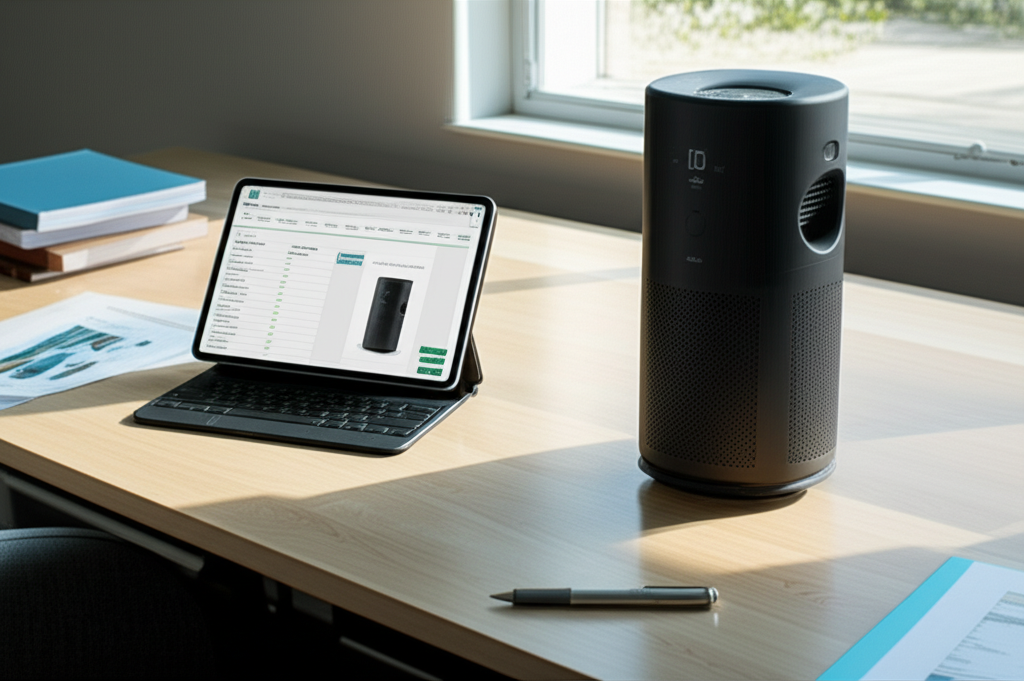
High-Efficiency Particulate Air (HEPA) filters are designed to capture at least 99.97% of airborne particles 0.3 microns in size. This includes common allergens like pollen, dust mites, and pet dander. They are a staple in most reputable air purifiers.
Activated Carbon Filters: Tackling Odors and Gases
Activated carbon filters excel at adsorbing gases, odors, and VOCs. They are particularly useful for homes with smokers, pets, or those who cook frequently. These filters work by trapping chemical pollutants on their porous surface.
UV-C Light: Killing Microbes
Ultraviolet germicidal irradiation (UV-C) light can kill bacteria, viruses, and mold spores. While effective, its performance can depend on the intensity and duration of exposure. It’s often an added feature rather than the primary cleaning method.
Ionizers and Ozone: A Word of Caution
Ionizers release negative ions that attach to airborne particles, causing them to fall or stick to surfaces. Some ionizers can produce ozone, a lung irritant. Always choose models that are certified as low or no ozone-producing by organizations like the California Air Resources Board (CARB).
Key Features to Consider in Your Air Purifier Comparison Chart
When you look at an air purifier comparison chart, certain specifications will stand out. Prioritizing these features ensures you get a device that meets your needs.
Coverage Area (CADR)
The Clean Air Delivery Rate (CADR) indicates how quickly an air purifier can clean a room of a specific size. Look for CADR ratings for smoke, dust, and pollen. A higher CADR means faster cleaning.
Noise Levels (dB)
Air purifiers operate at different noise levels, especially on their highest settings. This is crucial if you plan to use the purifier in a bedroom or living area. Lower decibel (dB) ratings are generally preferred for quiet operation.
Filter Replacement Costs
Filters need regular replacement, and this recurring cost can add up. Factor in the price and lifespan of replacement filters when comparing models. Some manufacturers offer filter subscription services.
Energy Consumption
Look for the Energy Star certification to ensure the air purifier is energy-efficient. This can save you money on your electricity bills over time. Higher-end models often have lower power consumption.
Smart Features and Controls
Modern air purifiers may include smart features like Wi-Fi connectivity, app control, and air quality sensors. These can offer convenience and real-time monitoring of your indoor air.
Air Purifier Comparison Chart: Top Models at a Glance
To help you start your search, here’s a look at some popular air purifier models and their key attributes. This is a sample to illustrate what you might find on a detailed air purifier comparison chart.
| Feature/Model | Brand A Model X | Brand B Model Y | Brand C Model Z |
|—|—|—|—|
| Room Size Coverage | Up to 500 sq ft | Up to 350 sq ft | Up to 700 sq ft |
| HEPA Filter Type | True HEPA | True HEPA | True HEPA |
| Activated Carbon | Yes | Yes | Yes |
| CADR (Smoke) | 200 cfm | 150 cfm | 250 cfm |
| Noise Level (Low/High) | 25 dB / 55 dB | 30 dB / 60 dB | 28 dB / 58 dB |
| Filter Life | 6-12 months | 6 months | 8-12 months |
| Energy Star Certified | Yes | No | Yes |
| Smart Features | App control, Air quality sensor | Basic controls | App control, Timer |
| Price Range | $$ | $ | $$$ |
This table provides a snapshot. Always consult the manufacturer’s specifications for the most accurate and up-to-date information.
Comparing Brands: What to Look For
Different brands have built reputations for quality and performance. When comparing brands, consider their warranty, customer service, and overall product reliability. Some well-regarded brands include Coway, Blueair, Levoit, and Honeywell, each offering a range of models to suit various needs and budgets.
How to Choose the Right Air Purifier for Your Needs
Selecting the best air purifier involves matching its capabilities to your specific indoor environment and concerns. An air purifier comparison chart is your best tool for this.
For Allergies and Asthma
If allergies or asthma are your primary concern, prioritize models with True HEPA filters and high CADR ratings for dust and pollen. Look for units that are CARB certified. The Asthma and Allergy Foundation of America (AAFA) offers valuable resources on choosing air purifiers for respiratory conditions.
For Pet Owners
Pet owners will benefit most from air purifiers with robust activated carbon filters to tackle pet odors, alongside True HEPA filters for dander. Consider units designed for larger rooms if pets roam freely.
For Odor Control
When odor elimination is key, focus on the amount and quality of activated carbon in the filter. Some purifiers offer specialized odor-reducing filters. A higher CADR for smoke can also indicate better odor-handling capabilities.
For Large Spaces
For spacious living rooms or open-plan areas, you’ll need an air purifier with a high CADR and a large coverage area. You might even consider using multiple smaller units in different zones.
DIY vs. Commercial Air Purifiers
While DIY air purifiers can be a budget-friendly option, commercial units generally offer superior performance and safety features. They are rigorously tested and designed for optimal air cleaning. A commercial air purifier comparison chart will highlight these advantages.
Maintaining Your Air Purifier for Optimal Performance
Proper maintenance ensures your air purifier continues to function effectively. This includes regular filter changes and cleaning the unit.
Filter Replacement Schedule
Always follow the manufacturer’s recommended filter replacement schedule. Using an old, clogged filter will reduce efficiency and can even recirculate pollutants.
Cleaning the Unit
Periodically wipe down the exterior of your air purifier and clean any pre-filters according to the manual. This prevents dust buildup and ensures optimal airflow.
Frequently Asked Questions About Air Purifiers
Here are answers to some common questions beginner air purifier users have.
What is the difference between HEPA and True HEPA?
True HEPA filters are the standard, meeting stringent requirements to capture 99.97% of particles 0.3 microns in size. Non-True HEPA filters may not meet these exact specifications.
How often should I replace air purifier filters?
Filter replacement frequency varies by model and usage, but typically ranges from 6 to 12 months. Always check your owner’s manual for specific recommendations.
Can air purifiers help with smoke from wildfires?
Yes, air purifiers with True HEPA filters and substantial activated carbon can significantly reduce smoke particles and odors from wildfires. High CADR ratings are especially beneficial in these situations.
Are air purifiers noisy?
Noise levels vary greatly. Most models have multiple fan speeds, with lower settings being very quiet, often comparable to a whisper. Higher settings will be more noticeable.
Do air purifiers use a lot of electricity?
Modern air purifiers, especially Energy Star certified models, are quite energy-efficient. Their power consumption is generally comparable to or less than a standard light bulb.
Can an air purifier remove viruses?
True HEPA filters can capture virus-sized particles. UV-C light in some models can also help neutralize airborne viruses.
Conclusion
Navigating the world of air purifiers doesn’t have to be complicated. By using an air purifier comparison chart and understanding the key technologies and features, you can confidently select a unit that enhances your home’s air quality and supports a healthier lifestyle. Invest wisely in clean air for your peace of mind.
