
Activated Carbon vs HEPA For Odors: Proven Essential

Activated carbon is the undisputed champion for tackling airborne odors, trapping odor molecules like a sponge, while HEPA filters excel at capturing microscopic particles. Understanding their distinct roles is essential for achieving truly fresh air.
Activated Carbon vs HEPA For Odors: Proven Essential for Fresh Air
Are persistent odors making your home feel less than welcoming? Lingering smells from cooking, pets, smoke, or even general staleness can be incredibly frustrating. You want a clean, fresh-smelling environment, but the market is flooded with air purification options, leaving you wondering which technology truly tackles odors. This article will demystify the differences between activated carbon and HEPA filters, guiding you to the most effective solution for your odor problems. We’ll break down exactly how each works and when to choose one over the other, ensuring you make an informed decision for a healthier, happier home.
The Science Behind Odor Elimination: Activated Carbon’s Adsorption Power
Activated carbon is the undisputed champion for tackling airborne odors. Its magic lies in a process called adsorption, where odor molecules chemically bond to the vast surface area of the carbon. This effectively traps and neutralizes smells, leaving your air noticeably fresher.
How Activated Carbon Works: A Microscopic Sponge for Smells
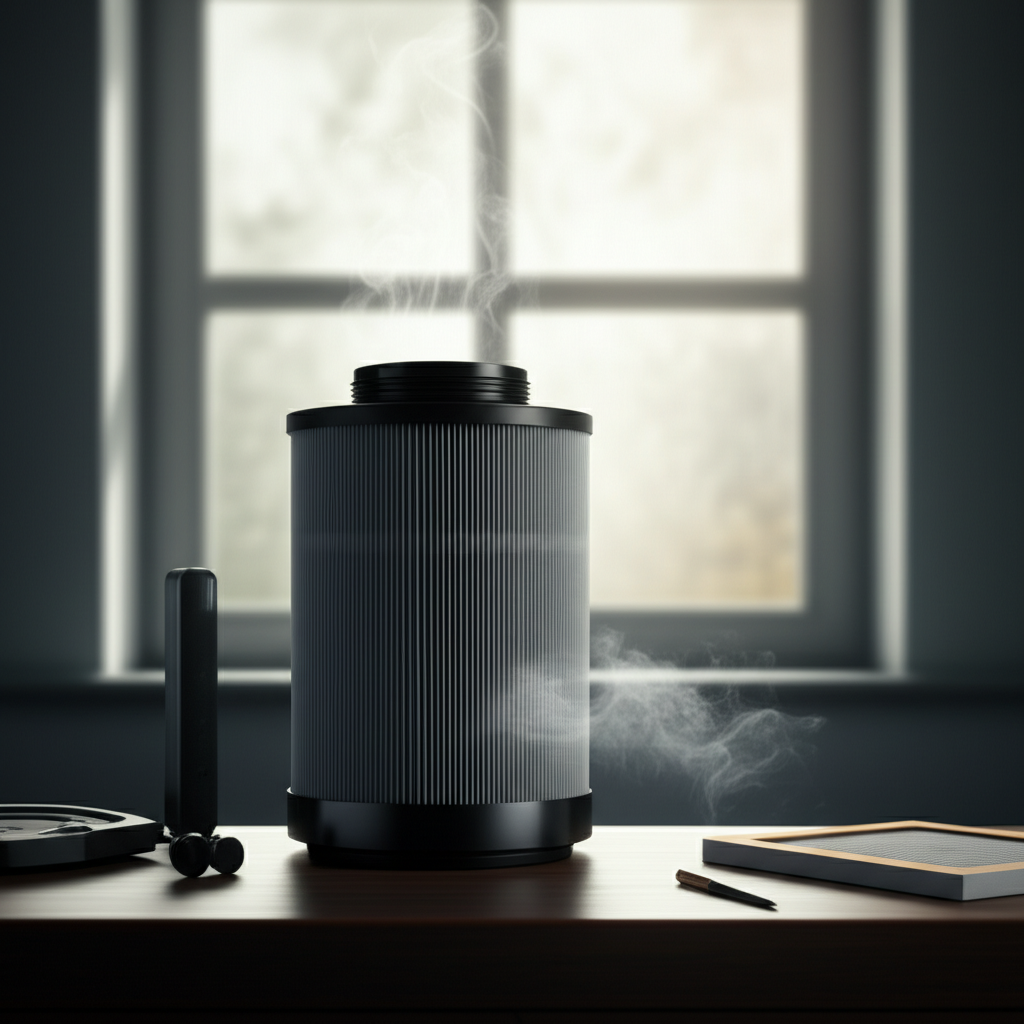
Imagine activated carbon as a super-sponge with an incredibly porous structure. When air passes through it, odor-causing molecules like volatile organic compounds (VOCs) and other scent particles get trapped within these microscopic pores. This physical and chemical process permanently removes the odor from the air, unlike simply masking it.
The Chemistry of Adsorption: More Than Just Filtering
Unlike HEPA filters that physically trap particles, activated carbon actively attracts and holds onto odor molecules. This chemical attraction is what makes it so effective against a wide range of smells, from pungent cooking fumes to musty basement odors. It’s a chemical reaction at a microscopic level that cleans your air.
What Activated Carbon Filters Best? A Comprehensive List
Activated carbon excels at removing a broad spectrum of odor-causing agents. Its porous nature makes it ideal for trapping gases and VOCs that HEPA filters cannot capture.
Cooking Smells: From fish to curry, activated carbon can neutralize strong kitchen odors.
Pet Odors: It effectively adsorbs the smell of pet dander and accidents.
Smoke: Cigarette, cigar, and wildfire smoke odors are prime targets for activated carbon.
VOCs: Found in paints, cleaning supplies, and new furniture, these can be neutralized.
Mold and Mildew: It helps remove the musty smell associated with damp environments.
Chemical Fumes: From solvents and household cleaners, activated carbon can adsorb these.
By trapping these molecules, activated carbon ensures your home doesn’t just look clean, but smells clean too.
Understanding HEPA Filters: The Particle Trappers
HEPA, or High-Efficiency Particulate Air, filters are designed to capture tiny physical particles from the air. They are incredibly effective at removing allergens like dust, pollen, and pet dander, improving air quality for allergy sufferers. However, their primary function isn’t odor removal.
The Mechanics of HEPA Filtration: Physical Interception
HEPA filters work by forcing air through a fine mesh that physically traps particles. These filters are rated to capture at least 99.97% of airborne particles 0.3 micrometers in diameter. This includes dust mites, mold spores, bacteria, and viruses, which are crucial for health but not necessarily the source of most odors.
Particle Size Matters: Why HEPA Misses Odors
Most odor-causing molecules are gases or very small VOCs, far smaller than the particles HEPA filters are designed to catch. While a HEPA filter might trap some larger odor-carrying particles, it’s not its strength. Think of it like a sieve that catches rocks but lets water and dissolved salts pass through.
What HEPA Filters Excel At: Beyond Odor Control
HEPA filters are essential for improving indoor air quality by removing particulate matter. Their effectiveness is in capturing allergens and microscopic irritants.
Allergens: Pollen, dust mites, pet dander, and mold spores are effectively captured.
Bacteria and Viruses: Many airborne pathogens are trapped, improving health.
Fine Dust: Reduces overall dust levels in the air.
Smoke Particles: While it traps the particulate matter from smoke, it won’t remove the smoky smell itself.
Their role is vital for respiratory health, but for a truly odor-free environment, they often need a partner.
Activated Carbon vs HEPA For Odors: The Decisive Difference
When the primary goal is odor elimination, activated carbon is the clear winner. HEPA filters are designed for particulate matter, not the gaseous compounds that cause most smells. Understanding this fundamental difference is key to choosing the right air purifier.
Why Activated Carbon is Superior for Odors
Activated carbon’s adsorbent properties allow it to chemically bond with and neutralize odor molecules. This is a direct approach to odor removal that HEPA filters simply cannot replicate. A HEPA filter might catch a dusty particle that smells, but it won’t catch the smell itself if it’s a gas.
The Limitations of HEPA for Smells
HEPA filters are excellent at trapping physical particles, but odor molecules are typically much smaller gases or VOCs. These tiny particles pass right through the HEPA filter’s mesh, leaving odors behind. Therefore, a HEPA filter alone is insufficient for effective odor control.
When a Combination is Best: The Power Duo
For comprehensive air purification, especially in homes with both particulate and odor concerns, a combination of activated carbon and HEPA filters is often the most effective solution. Many high-quality air purifiers incorporate both technologies. This dual-action approach tackles a wider range of air pollutants.
Choosing the Right Air Purifier: Key Considerations
Selecting the right air purifier depends on your specific needs. If odors are your main concern, prioritize models with substantial activated carbon filters. If allergies are a significant issue, ensure a robust HEPA filter is present.
Assessing Your Needs: Odors vs. Allergens
Honestly assess what bothers you most. Are you constantly battling cooking smells, pet odors, or smoke? Or are you sneezing from dust, pollen, and dander? Your primary concern will dictate whether activated carbon, HEPA, or both are essential.
The Importance of Carbon Amount and Type
Not all activated carbon filters are created equal. The amount of carbon and its quality (e.g., coconut shell carbon) significantly impact its effectiveness and lifespan. Look for purifiers with a thick, substantial carbon pre-filter or a dedicated carbon filter layer.
Filter Lifespan and Replacement Costs
Activated carbon filters become saturated over time and need replacement to maintain their odor-absorbing capabilities. HEPA filters also need regular replacement, though typically less frequently than carbon filters for odor control. Factor these ongoing costs into your decision.
Beyond Air Purifiers: Other Odor-Fighting Strategies
While activated carbon air purifiers are highly effective, they are part of a larger strategy for a fresh-smelling home. Good ventilation, regular cleaning, and addressing odor sources directly are also crucial.
Ventilation: The First Line of Defense
Opening windows and doors regularly allows fresh air to circulate, diluting and expelling stale air and odors. This natural ventilation is a simple yet powerful way to combat lingering smells. It works in tandem with air purifiers to create a truly fresh environment.
Cleaning and Source Removal: Tackling the Root Cause
The most effective way to eliminate odors is to remove their source. This means cleaning up spills immediately, washing pet bedding, deep cleaning carpets, and ensuring proper waste disposal. Air purifiers help with residual odors, but addressing the source is paramount.
The Role of Baking Soda and Other Natural Methods
While not as powerful as activated carbon, natural absorbers like baking soda can help in smaller, enclosed spaces. They can absorb some odors but will eventually become saturated. They serve as a supplementary measure rather than a primary solution for whole-room odor control.
Activated Carbon vs HEPA For Odors: A Comparative Table
To further clarify the distinctions, here’s a direct comparison of activated carbon and HEPA filters specifically regarding odor control. This table highlights their primary functions and effectiveness against common household issues.
| Feature | Activated Carbon Filter | HEPA Filter |
| :—————- | :—————————————- | :—————————————- |
| Primary Function | Adsorbs gases, VOCs, and odors | Traps microscopic particles |
| Mechanism | Chemical adsorption | Physical filtration |
| Effectiveness on Odors | High | Low (only odor-carrying particles) |
| Effectiveness on Particles | Low (only larger particles) | Very High (99.97% of 0.3 micron particles) |
| Common Uses | Kitchen smells, pet odors, smoke, VOCs | Allergens, dust, pollen, bacteria, viruses |
| Lifespan | Shorter (depends on odor levels) | Longer (typically 6-12 months) |
| Replacement Cost | Moderate | Moderate to High |
As the table clearly shows, for tackling activated carbon vs HEPA for odors, activated carbon is the specialized tool.
Common Misconceptions About Odor Removal
Many people mistakenly believe that any air purifier with a “filter” will effectively remove odors. This often leads to disappointment when an air purifier with only a HEPA filter fails to eliminate persistent smells. It’s crucial to understand the technology at play.
“All Filters Are the Same” Fallacy
This is a dangerous misconception. Different filter types target different pollutants. A HEPA filter is for particles, while an activated carbon filter is for gases and odors. Using the wrong filter for the job means wasted money and ineffective air purification.
The Masking vs. Eliminating Difference
Some products claim to freshen air by releasing pleasant scents. These products only mask odors, and the underlying smell remains. True odor elimination, as provided by activated carbon, involves trapping and neutralizing the odor molecules themselves.
Choosing a Product: What to Look For
When shopping for an air purifier, especially with activated carbon vs HEPA for odors in mind, scrutinize the filter specifications. Don’t just look for “air purifier”; look for what kind of filters it uses.
The Importance of Carbon Layer Thickness
A thin layer of carbon in a pre-filter offers minimal odor control. Look for air purifiers that boast a substantial, thick activated carbon filter. This indicates a greater capacity for adsorbing odors and a longer effective lifespan.
Certifications and Performance Standards
Look for certifications like AHAM Verifide for room coverage and CADR (Clean Air Delivery Rate). While there isn’t a specific certification solely for odor removal effectiveness, a high CADR combined with a substantial carbon filter is a good indicator. Research reputable brands known for their air purification technology.
Expert Recommendations for Odor-Prone Environments
For areas known for strong odors, such as kitchens, bathrooms, or homes with pets, investing in an air purifier with a significant activated carbon component is highly recommended. Some units even feature specialized filters for specific issues like pet odors or smoke.
Kitchens and Cooking Smells
Kitchens are prime candidates for activated carbon filters. The constant barrage of cooking smells requires a filter that can effectively adsorb these strong odors before they permeate the entire house.
Pet-Friendly Homes
Pet dander is a particle issue best handled by HEPA, but pet odors are gases that require activated carbon. A unit with both is ideal for pet owners seeking to eliminate both allergens and smells.
Smoke and Chemical Sensitivity
If your home is affected by smoke (from fireplaces, smoking, or external sources) or you’re sensitive to VOCs from cleaning products or renovations, a robust activated carbon filter is essential. It can significantly improve air quality and reduce irritants.
FAQ: Activated Carbon vs HEPA For Odors
What is the main difference between activated carbon and HEPA filters for odors?
Activated carbon adsorbs odor molecules, trapping them chemically. HEPA filters capture physical particles, but most odor molecules are gases too small for HEPA to catch.
Can a HEPA filter remove smells from my home?
No, a HEPA filter alone is not effective at removing smells. It captures particles like dust and pollen, but not the gaseous compounds that cause odors.
Which type of filter is better for pet odors?
Activated carbon filters are much better for pet odors. They adsorb the volatile compounds that create these smells.
How often do I need to replace an activated carbon filter?
Replacement frequency varies, but typically every 3-6 months for moderate to heavy odor situations. Check your air purifier’s manual for specific recommendations.
Can an air purifier with both HEPA and activated carbon help with allergies and odors?
Yes, an air purifier with both types of filters provides comprehensive air cleaning. The HEPA captures allergens, while the activated carbon tackles odors.
Is it worth buying an air purifier with a lot of activated carbon?
Yes, if odors are your primary concern, a substantial amount of activated carbon is crucial for effective and long-lasting odor removal.
Will activated carbon remove cooking smells from my kitchen?
Absolutely. Activated carbon is highly effective at adsorbing the strong odors produced during cooking.
Conclusion: Your Guide to Odor-Free Air
Navigating the world of air purification can be confusing, but understanding activated carbon vs HEPA for odors is fundamental. For tackling persistent smells, from cooking and pets to smoke and VOCs, activated carbon is the proven essential technology. Its ability to adsorb odor molecules chemically makes it far superior to HEPA filters, which are designed for particulate matter. While HEPA filters are vital for removing allergens and improving respiratory health, they play a minimal role in odor elimination.
For the freshest possible air, consider air purifiers that incorporate a robust activated carbon filter, ideally alongside a HEPA filter, to address both particulate and odor pollutants. By understanding their distinct functions and choosing wisely, you can confidently achieve a cleaner, healthier, and truly odor-free home environment.
