
A Good Air Purifier: Essential For Healthy Learning

A Good Air Purifier: Essential For Healthy Learning
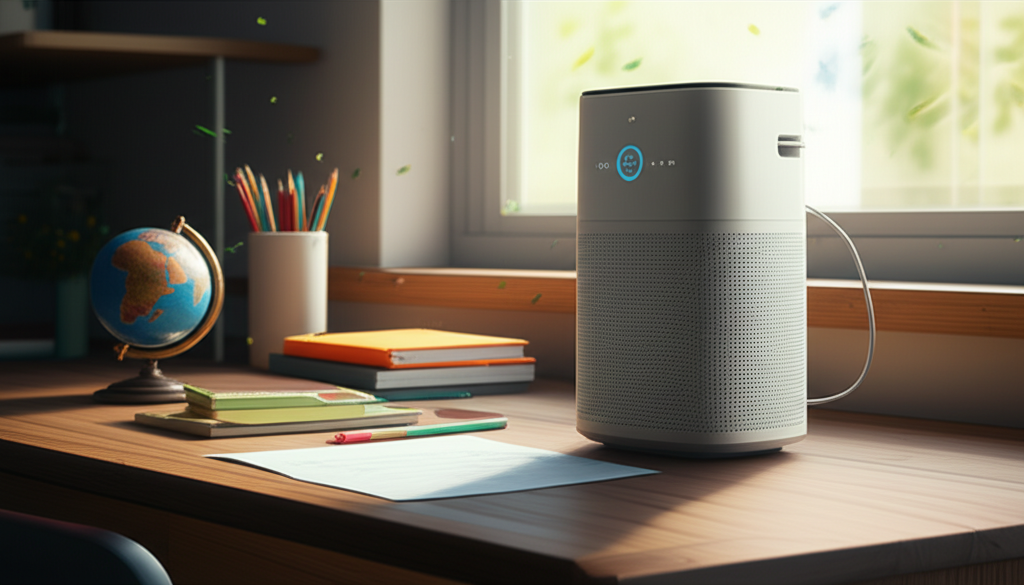
A good air purifier is crucial for creating a healthy learning environment, helping students concentrate better and reducing illness. Investing in one can significantly improve academic performance and overall well-being by removing allergens and pollutants from the air.
The classroom is where young minds grow and flourish, but what if the very air they breathe is hindering their progress? Dust, pollen, mold spores, and even volatile organic compounds (VOCs) from everyday products can accumulate, leading to stuffy noses, headaches, and difficulty concentrating. It’s a frustrating reality for students, teachers, and parents alike. But there’s a straightforward solution to purify your learning spaces. This guide will walk you through everything you need to know to find a good air purifier that supports healthy learning.
Why Clean Air Matters for Learning
Clean air is fundamental for optimal cognitive function and overall health, especially for developing minds. When students breathe in polluted air, their bodies work harder just to function, diverting energy away from learning. This can manifest as fatigue, reduced attention spans, and even increased susceptibility to respiratory illnesses. A good air purifier actively combats these issues.
The Impact of Indoor Air Quality on Students
Indoor air can be significantly more polluted than outdoor air, sometimes by a factor of two to five times, according to the U.S. Environmental Protection Agency. This poor indoor air quality (IAQ) directly impacts students’ ability to learn. Allergens can trigger asthma and allergy symptoms, making it difficult to breathe and focus. VOCs, often found in cleaning supplies and building materials, can cause headaches and dizziness.
Common Indoor Air Pollutants in Learning Environments
Dust Mites: Microscopic creatures that thrive in carpets and upholstery, triggering allergies.
Pollen: Carried in from outdoors, especially during certain seasons.
Mold Spores: Grow in damp areas and can cause respiratory problems.
Pet Dander: If pets are allowed in classrooms or homes where studying occurs.
Volatile Organic Compounds (VOCs): Released from paints, furniture, cleaning products, and air fresheners.
Bacteria and Viruses: Spread easily in enclosed spaces, contributing to illness.
What Makes a Good Air Purifier for Educational Spaces?
When selecting a good air purifier, prioritize models with HEPA filtration, effective pre-filters, and a suitable CADR (Clean Air Delivery Rate) for the room size. Look for units that are quiet, energy-efficient, and easy to maintain. These features ensure the purifier can efficiently remove pollutants without causing distractions or significant operational costs.
HEPA Filtration: The Gold Standard
High-Efficiency Particulate Air (HEPA) filters are designed to capture at least 99.97% of airborne particles 0.3 microns in size. This includes common allergens like pollen, dust mites, pet dander, and mold spores. For educational settings, a true HEPA filter is non-negotiable for creating a truly healthy environment.
Activated Carbon Filters for Odors and VOCs
While HEPA filters excel at capturing particles, activated carbon filters are essential for tackling gases, odors, and VOCs. These filters use a porous carbon material to adsorb (not absorb) chemical pollutants. A good air purifier often combines a HEPA filter with a substantial activated carbon filter for comprehensive air cleaning.
Understanding CADR for Room Size
CADR, or Clean Air Delivery Rate, measures how quickly an air purifier can clean a room of specific pollutants (smoke, dust, and pollen). A higher CADR means faster purification. It’s crucial to match the air purifier’s CADR to the square footage of the learning space to ensure effectiveness. Most manufacturers provide recommendations based on room size.
Noise Levels and Energy Efficiency
For classrooms or study areas, a quiet air purifier is paramount. Loud machines can be disruptive and counterproductive to learning. Look for models with low decibel ratings, especially on lower fan speeds. Energy efficiency is also important, as the unit may be running for extended periods. Energy Star certification is a good indicator.
Key Features to Look for in a Good Air Purifier
Beyond the core filtration technologies, several other features enhance the usability and effectiveness of a good air purifier. These include ease of use, filter replacement indicators, and smart features that allow for remote control and monitoring. Considering these aspects can lead to a more satisfying ownership experience.
Ease of Use and Maintenance
A good air purifier should be simple to operate and maintain. Look for intuitive controls and clear instructions. Filter replacement should be straightforward, and ideally, the unit should have an indicator light that signals when it’s time to change the filters. This prevents neglect and ensures the purifier continues to function optimally.
Smart Features and Connectivity
Many modern air purifiers come with smart capabilities. These can include Wi-Fi connectivity, app control, scheduling, and air quality sensors that automatically adjust fan speed. While not essential, these features can add convenience and allow for better management of the air purification process, especially in larger or multiple learning spaces.
Design and Portability
Consider the aesthetics and size of the air purifier. It should blend into the learning environment without being an eyesore. Portability is also a plus if you need to move the unit between different rooms or areas. Compact designs with integrated handles can make relocation easier.
Choosing the Right Air Purifier for Different Learning Environments
The ideal air purifier can vary depending on the specific learning environment. A single-student study space will have different needs than a busy kindergarten classroom or a large lecture hall. Assessing the primary pollutants and the size of the area will guide your decision.
For Home Study Spaces
In a home study area, a smaller, quieter unit might suffice. Focus on capturing dust, pet dander, and VOCs from electronics and furniture. A model with a HEPA filter and activated carbon should be adequate for a personal study nook.
For Classrooms and Daycares
Classrooms often experience higher levels of airborne contaminants due to the number of people and shared materials. Look for a good air purifier with a higher CADR to effectively cover the room’s square footage. Consider units with durable construction and simple controls that teachers can easily manage. Prioritize multi-stage filtration to tackle a wider range of pollutants.
For Libraries and Study Halls
Larger communal learning spaces like libraries and study halls benefit from powerful air purifiers with high CADR ratings. These areas can have significant foot traffic, potentially introducing more allergens and dust. A unit capable of cleaning larger volumes of air efficiently is essential.
Top Brands and Models to Consider
While specific recommendations can change rapidly with new product releases, several brands consistently offer reliable and effective air purifiers. Researching models from reputable manufacturers like Coway, Blueair, Levoit, and Honeywell can provide a strong starting point for finding a good air purifier.
Comparing Features and Price Points
When comparing models, create a simple table to outline key features, CADR ratings, filter types, noise levels, and price. This allows for a direct comparison and helps identify the best value for your budget and needs. Remember that the initial purchase price is only one part of the cost; ongoing filter replacement costs should also be factored in.
| Feature | Entry-Level Models | Mid-Range Models | High-End Models |
| :—————— | :—————– | :——————– | :———————– |
| Filtration | HEPA-like, Carbon | True HEPA, Enhanced Carbon | True HEPA, Medical-Grade |
| CADR | Lower | Medium | High |
| Coverage Area | Small rooms | Medium to Large rooms | Very Large rooms |
| Noise Level | Moderate | Quiet | Very Quiet |
| Smart Features | Limited/None | Basic App Control | Advanced Sensors, AI |
| Price Range | $50 – $150 | $150 – $300 | $300+ |
Installation and Placement for Maximum Effectiveness
Proper placement and installation are key to maximizing the performance of any good air purifier. Avoid placing the unit in corners or behind furniture, as this can obstruct airflow. Ensure it has adequate space around it to draw in air and expel clean air effectively.
Where to Place Your Air Purifier
Position the air purifier in the room where the most learning takes place. For a home study, this is likely the desk area. In a classroom, placing it near the center or where students spend the most time can be beneficial. Ensure there’s at least a foot of clearance on all sides.
Understanding Airflow and Room Circulation
Air purifiers work by drawing in room air, passing it through filters, and expelling cleaner air. Good circulation within the room ensures that all the air eventually passes through the purifier. Opening windows periodically (when outdoor air quality is good) can also help refresh indoor air and complement the purifier’s work.
When to Use Your Air Purifier
A good air purifier is most effective when used consistently, especially during periods of high activity or when specific pollutants are a concern. Running it during study sessions, when allergies are prevalent, or after activities that might stir up dust (like cleaning) can make a significant difference.
Seasonal Allergy and Cold/Flu Season
During allergy seasons, running the air purifier continuously can help reduce pollen and other airborne allergens. Similarly, during cold and flu season, it can capture airborne viruses and bacteria, potentially reducing transmission rates in shared learning spaces.
During and After Cleaning Activities
Cleaning activities, especially vacuuming or dusting, can stir up settled particles, temporarily increasing indoor air pollution. Running the air purifier during and immediately after these tasks can help capture these newly released pollutants.
Maintaining Your Air Purifier for Long-Term Performance
Regular maintenance is essential to ensure your good air purifier continues to operate efficiently. This primarily involves cleaning or replacing the filters as recommended by the manufacturer. Neglecting this step can reduce the unit’s effectiveness and even lead to poorer air quality.
Filter Replacement Schedule
Always follow the manufacturer’s guidelines for filter replacement. Pre-filters may need cleaning more often, while HEPA and carbon filters typically need replacement every 6-12 months, depending on usage and air quality. Some units have indicators to remind you.
Cleaning the Unit and Vents
Periodically wipe down the exterior of the air purifier and clean the intake and exhaust vents with a soft brush or vacuum attachment. This prevents dust buildup on the unit itself, which can otherwise be recirculated into the air.
FAQ: Your Questions About Air Purifiers Answered
Here are answers to some common questions about air purifiers and their role in healthy learning.
What is the most important feature of a good air purifier for a classroom?
The most crucial feature is a true HEPA filter combined with an adequate Clean Air Delivery Rate (CADR) for the classroom’s size. This ensures effective removal of allergens and particles that impact student health and focus.
How often should I run my air purifier in a study room?
It’s generally recommended to run your air purifier as much as possible, especially during study sessions. Continuous operation ensures consistent air quality, but running it for at least 8-12 hours a day is highly beneficial.
Can an air purifier help with mold in a learning space?
Yes, a good air purifier with a HEPA filter can capture mold spores, which are airborne particles. However, it’s not a substitute for addressing the source of the mold (e.g., fixing leaks, reducing humidity).
Are air purifiers noisy?
Many modern air purifiers are designed to be quiet, especially on lower fan settings. Look for units with decibel ratings below 50 dB for optimal use in study environments.
Do I need a special air purifier for VOCs?
While HEPA filters capture particles, you need an air purifier with a substantial activated carbon filter to effectively remove VOCs and odors. The amount of carbon in the filter is key to its effectiveness.
How do I know if my air purifier is working effectively?
Look for a noticeable improvement in air freshness, reduced allergy symptoms, and less dust accumulation. Many smart air purifiers also provide real-time air quality readings.
Conclusion
Investing in a good air purifier is a proactive step towards fostering a healthier, more productive learning environment. By understanding the key features, choosing the right model for your space, and maintaining it properly, you can significantly improve the air quality that students breathe. This commitment to clean air can lead to better concentration, fewer sick days, and ultimately, enhanced academic success. Make the smart choice for well-being and learning today.
