
Can Air Purifier Go On Floor? Genius Placement Revealed!

Yes, an air purifier can absolutely go on the floor, and it’s often the most effective place for it. This guide reveals optimal floor placement strategies for maximum air purification, ensuring cleaner air throughout your home.
Thinking about where to place your air purifier? It’s a common question, and the answer might surprise you. Many people wonder, “Can air purifier go on floor?” The good news is, yes, and it’s often the best spot! This article will guide you through the optimal placement for your air purifier, ensuring it works at its peak performance. We’ll explore why the floor is usually the best option and how to maximize its benefits for a healthier home environment.
Why the Floor is Often Ideal for Air Purifiers
The floor is frequently the most effective location for your air purifier because it allows for optimal air circulation. Most air pollutants are heavier than air and tend to settle closer to the ground. Placing your purifier at this level helps capture these particles more efficiently.
By drawing in air from the lower levels of your room, your air purifier can effectively tackle dust, pet dander, and other allergens before they circulate higher up. This direct access to settled pollutants makes floor placement a smart strategy for cleaner air. Understanding this principle is key to unlocking your purifier’s full potential.
Understanding Airflow Dynamics and Your Air Purifier
Air purifiers work by drawing in air, filtering it, and then expelling cleaner air. For this process to be most effective, they need unobstructed access to the air around them. This means avoiding placement where airflow is restricted, which can happen if the unit is too close to walls or furniture.
Consider the direction of your air purifier’s intake and output vents. Most units are designed to pull air from the sides or bottom and push clean air out the top. Placing the unit on the floor allows it to draw in air from the room’s lowest levels, where many pollutants gather.
The Science Behind Lower Air Pollutant Concentration
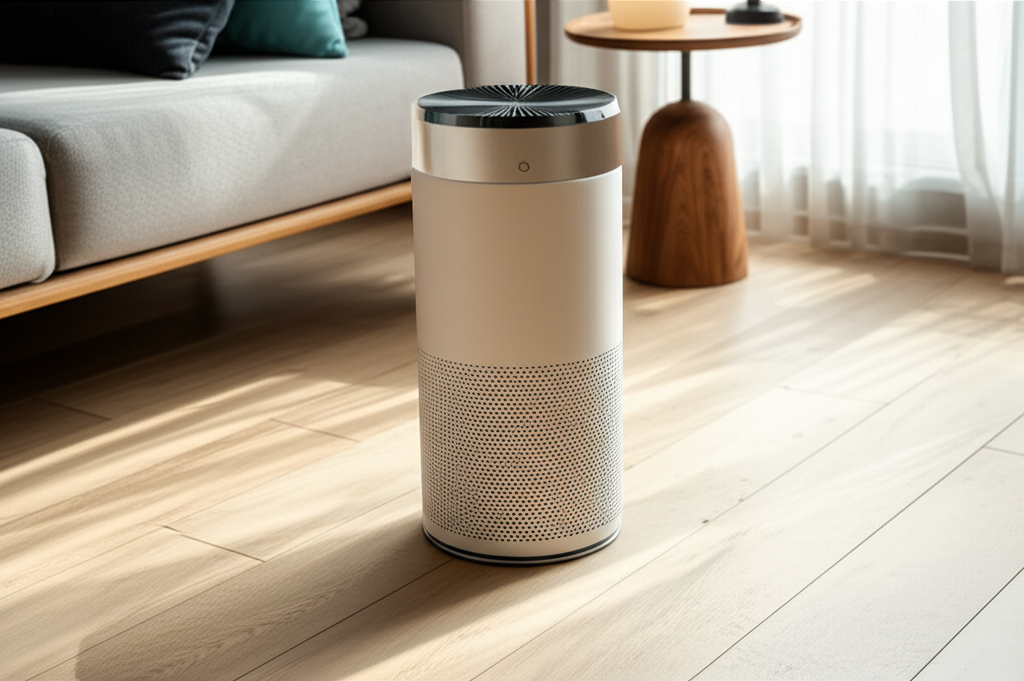
Many common indoor air pollutants, such as dust, pet hair, and certain volatile organic compounds (VOCs), are denser than air. This density causes them to naturally descend and accumulate closer to the floor. Think of it like dust bunnies under your sofa – they don’t float around; they settle.
Therefore, positioning your air purifier on the floor provides it with the best chance to capture these heavier particles before they have a chance to become airborne and spread throughout your living space. It’s a simple yet powerful way to improve indoor air quality.
Optimizing Air Purifier Placement on the Floor
When placing your air purifier on the floor, ensure it has at least 1-3 feet of clearance on all sides. This allows for unimpeded airflow, letting the unit draw in air from all directions effectively. Avoid placing it directly against walls or in tight corners.
Consider the room’s layout and where people spend the most time. Placing the purifier in a central location or near a frequently used area can maximize its impact. If you have a specific pollutant source, like a pet’s bed, placing it nearby can be beneficial.
Creating a Clean Air Zone
Think of your air purifier as creating a “clean air zone” around it. By placing it on the floor in a central area, you can establish a larger zone of purified air that extends further into the room. This helps ensure that the air you breathe is consistently cleaner.
The goal is to allow the purified air to circulate freely throughout the room, mixing with the existing air and gradually improving the overall air quality. A well-placed unit works with the natural convection currents in the room to distribute clean air effectively.
When NOT to Place Your Air Purifier Directly on the Floor
While floor placement is often ideal, there are exceptions. If your floor is prone to excessive moisture or spills, it might not be the best environment for an electronic device. Also, if you have very young children or pets who might tamper with the unit, an elevated position might be safer.
Another consideration is the type of flooring. On thick carpets, the unit might be slightly elevated by the pile, potentially hindering bottom intake. In such cases, a small, stable riser or a hard, flat surface on the carpet could be a good compromise.
Carpet Considerations: The Pile Factor
Thick carpets can sometimes impede the airflow to air purifiers designed with bottom vents. The carpet fibers can block the intake, reducing the unit’s efficiency. If your air purifier has a bottom intake and you have plush carpeting, consider placing it on a small, flat, stable surface like a wooden coaster or a specially designed stand.
This simple adjustment ensures that the air intake remains unobstructed, allowing your air purifier to perform at its best. Always check your air purifier’s manual for specific placement recommendations regarding flooring types.
Elevated Placement: When and Why
Sometimes, placing your air purifier on a table, shelf, or stand can be beneficial. This is particularly true if you want to create a more focused stream of purified air or if your unit has side vents that are being obstructed by floor-level furniture. An elevated position can also be helpful in larger, open-plan spaces.
Consider the height of the air intake and output. If your purifier draws air from the middle or top, an elevated position might align better with circulating air patterns. It can also be a practical choice for keeping the unit out of reach of curious pets or children.
Matching Placement to Room Size and Layout
In very large rooms or open-concept living areas, a single air purifier on the floor might not be sufficient. In these cases, using multiple units or placing one on an elevated surface can help distribute purified air more effectively throughout the space. The goal is to ensure clean air reaches all corners.
For bedrooms, placing the unit on a nightstand or dresser can direct cleaner air towards your sleeping area. Experiment with different heights and locations to find what works best for your specific room dimensions and furniture arrangement.
Air Purifier Placement Checklist for Maximum Efficiency
To ensure your air purifier is working optimally, follow this simple checklist:
- Clearance: Ensure at least 1-3 feet of space around the unit.
- Obstructions: Avoid placing it near walls, furniture, or curtains that block airflow.
- Floor Type: If on carpet, consider a riser for bottom-intake units.
- Traffic Flow: Place in a central location or near where you spend most time.
- Room Size: Use multiple units or elevated placement for larger spaces.
- Vent Direction: Be mindful of where the unit draws air in and expels clean air.
Following these guidelines will help you maximize your air purifier’s effectiveness, leading to a healthier indoor environment.
Common Air Purifier Placement Mistakes to Avoid
One of the most common mistakes is placing an air purifier in a corner or too close to a wall. This severely restricts airflow, forcing the unit to work harder and less efficiently. Another error is placing it behind large furniture, which essentially suffocates the machine.
Some people also place air purifiers in kitchens directly next to the stove or in bathrooms where high humidity can be an issue. While these areas might need purification, direct proximity to heat, steam, or excessive moisture can damage the unit or reduce its effectiveness. Always consult your unit’s manual for specific environmental recommendations.
The Impact of Obstructions on Performance
When an air purifier’s vents are blocked, it cannot efficiently draw in air. This significantly reduces the volume of air it can filter, meaning less clean air is circulated into your room. The motor may also overheat due to the strain, potentially shortening the lifespan of the device.
Think of it like trying to breathe through a blocked nose – it’s difficult and ineffective. Providing ample space around your air purifier is crucial for its optimal function and longevity.
Special Considerations for Different Room Types
In a bedroom, placing the unit on a nightstand or dresser can direct purified air towards your sleeping space, offering the most benefit during rest. For a living room, a central floor location or near a sofa where people gather is usually best.
In a home office, placing it on the floor near your desk can help improve focus by providing cleaner air directly in your personal workspace. Always consider the primary use of the room and where air quality is most important.
Living Rooms and Bedrooms: Targeted Purification
In living rooms, the focus is often on areas where families and guests congregate. Placing the air purifier on the floor in a central spot ensures it can capture airborne particles from multiple seating areas. For bedrooms, the goal is to create a clean breathing zone around your bed, making floor placement near the bed or on a nightstand effective.
Both scenarios benefit from the principle of capturing pollutants at their source, which is often closer to the ground. This strategic placement ensures that the air you breathe most is also the cleanest.
Frequently Asked Questions About Air Purifier Placement
Can I put an air purifier in a corner?
While you can place an air purifier in a corner, it’s generally not recommended. Corners can restrict airflow from multiple sides, reducing the unit’s efficiency. It’s better to pull it out slightly, ensuring at least a foot of clearance on adjacent sides.
Does the height of an air purifier matter?
Yes, the height matters. Most pollutants are heavier than air and settle lower, making floor placement effective. However, if your unit has side vents or you want to direct airflow higher, an elevated position might be better. Always consider your unit’s design and the room’s air circulation patterns.
Should my air purifier face a certain direction?
Generally, it’s best to position your air purifier so its air intake is not blocked. If it has 360-degree intake, the direction matters less. If it has intake on one side, orient it to allow maximum air capture, often facing an open space rather than a wall.
Can I put my air purifier on a rug?
Yes, you can place an air purifier on a rug, but be mindful of the carpet’s pile thickness. If the pile is thick, it might obstruct bottom air intakes. In such cases, consider using a small, flat base or stand to elevate the unit slightly.
How close should my air purifier be to a window or door?
Avoid placing your air purifier directly next to open windows or doors, as this can disrupt airflow and draw in more unfiltered air and pollutants. It’s better to place it away from direct drafts to maintain consistent purification.
Does my air purifier need to be plugged in all the time?
Yes, for continuous air purification, your air purifier needs to be plugged in and running. Many units have energy-saving modes or timers, but they must remain powered on to function.
Conclusion: Mastering Air Purifier Placement for a Healthier Home
So, can air purifier go on floor? Absolutely! In fact, for most situations, placing your air purifier on the floor is the most effective strategy to capture those heavier pollutants that settle downwards. By ensuring adequate clearance, avoiding obstructions, and considering your room’s layout, you can optimize your air purifier’s performance significantly.
Remember to follow the manufacturer’s guidelines and experiment slightly to find the perfect spot. Mastering air purifier placement is a key step towards breathing cleaner, healthier air in your home. It’s a simple adjustment that yields substantial benefits for your well-being.
