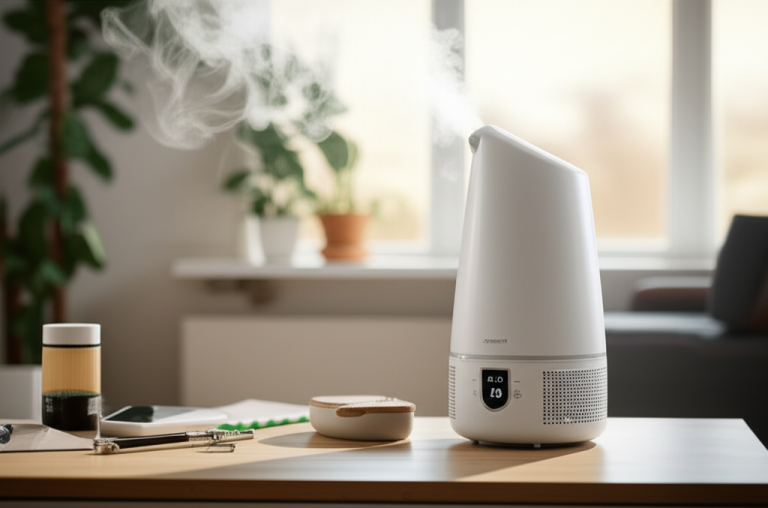
Can Air Purifier Get Rid of Smoke? Proven Solution!

Yes, a high-quality air purifier with the right filters can effectively remove smoke particles and odors from your home, offering a proven solution for cleaner air.
Smoke, whether from cooking, fireplaces, or wildfires, can be a persistent and unpleasant nuisance. It leaves behind not only a lingering smell but also harmful microscopic particles that can affect your health and comfort. Many people wonder if there’s a simple, effective way to combat this issue, and the answer lies in a well-chosen air purifier. This guide will walk you through how these devices work against smoke and what to look for to ensure you get the cleanest air possible.
How Air Purifiers Combat Smoke
Air purifiers are designed to capture airborne contaminants, and smoke is a prime target. They draw in air, pass it through a series of filters, and release cleaner air back into the room. This process is remarkably effective at removing the visible and invisible components of smoke.
The Science Behind Smoke Filtration

Smoke consists of various particles, including fine particulate matter (PM2.5), volatile organic compounds (VOCs), and gases. Air purifiers tackle these through different filtration stages, each playing a crucial role in purifying the air you breathe.
Understanding Smoke Particles (PM2.5)
Fine particulate matter, often referred to as PM2.5, are tiny particles less than 2.5 micrometers in diameter. These are small enough to penetrate deep into your lungs and even enter your bloodstream. Smoke, especially from burning wood or tobacco, is a significant source of PM2.5.
The Role of Activated Carbon Filters
Activated carbon filters are essential for odor removal. They have a porous structure that adsorbs gases and VOCs responsible for the smoky smell. This is why an air purifier with a substantial carbon filter is key for smoke-filled environments.
HEPA Filters: The Particle Trappers
High-Efficiency Particulate Air (HEPA) filters are the workhorses for particle removal. A true HEPA filter can capture at least 99.97% of airborne particles 0.3 microns in size. This includes the PM2.5 particles found in smoke, making HEPA filtration vital.
Choosing the Right Air Purifier for Smoke
Not all air purifiers are created equal when it comes to smoke. Selecting a unit with the appropriate filtration technology and capacity is crucial for effective smoke removal.
Key Features to Look For
When shopping for an air purifier to combat smoke, prioritize models that explicitly state their effectiveness against smoke, odor, and fine particles. Look for features that enhance their performance in these areas.
HEPA Filter Type: True HEPA is Non-Negotiable
Always opt for an air purifier with a “True HEPA” filter. Other terms like “HEPA-type” or “HEPA-like” do not meet the same rigorous standards and will be less effective against smoke particles. A true HEPA filter guarantees the capture of those minuscule smoke particles.
Activated Carbon Filter Capacity
The amount of activated carbon in a purifier matters. For smoke, a substantial carbon filter, often measured in pounds or as a thick layer, is necessary to effectively neutralize odors and gases. Thin carbon pre-filters are often insufficient for heavy smoke.
CADR Ratings for Smoke
Clean Air Delivery Rate (CADR) is a standardized measure of how quickly an air purifier cleans a room. Look for high CADR ratings specifically for smoke. This indicates the unit’s efficiency in removing smoke particles from the air.
Pre-Filter for Larger Particles
A washable pre-filter can capture larger particles like pet hair or dust. This extends the life of the more expensive HEPA and carbon filters by preventing them from getting clogged too quickly with larger debris.
Air Purifier Technologies to Avoid for Smoke
While some air purifiers use technologies like ionizers or ozone generators, these can be problematic for smoke removal. It’s important to understand their limitations and potential drawbacks.
Ozone Generators and Smoke
Ozone generators intentionally produce ozone, a gas that can irritate the lungs and worsen respiratory conditions. While they may neutralize some odors, the health risks associated with ozone often outweigh any perceived benefits, especially for smoke.
Ionizers and Their Effectiveness
Ionizers release negative ions that attach to airborne particles, causing them to clump together and fall to the ground. While they can help with some particle reduction, they are generally less effective than HEPA filters for smoke and can also produce ozone as a byproduct.
How to Effectively Use an Air Purifier for Smoke
Simply owning an air purifier isn’t enough; proper placement and maintenance are key to maximizing its effectiveness against smoke.
Optimal Placement in Your Home
The location of your air purifier significantly impacts its ability to capture smoke. Placing it strategically in the room where the smoke originates or is most concentrated will yield the best results.
Near the Source of Smoke
Positioning the air purifier as close as possible to the source of the smoke, such as near a fireplace or a frequently used kitchen, will help capture particles before they disperse widely. This direct approach is highly effective.
Maximizing Airflow
Ensure the air purifier has unobstructed airflow around it. Avoid placing it in corners or behind furniture, as this can restrict the amount of air it can draw in and filter. Allowing at least a foot of clearance on all sides is recommended.
Running Your Air Purifier Continuously
For persistent smoke issues, running the air purifier on a continuous basis is the most effective strategy. This ensures that the air is constantly being cleaned.
Setting the Right Fan Speed
Use a higher fan speed when smoke is actively present to maximize particle and odor capture. You can reduce the fan speed once the smoke has cleared to save energy and reduce noise.
When to Run It 24/7
If you live in an area prone to wildfire smoke or frequently cook with high-smoke-producing methods, running your air purifier 24/7 can provide consistent air quality protection. This ensures your indoor environment remains healthy.
Maintaining Your Air Purifier for Peak Performance
Regular maintenance is crucial to ensure your air purifier continues to effectively tackle smoke and other pollutants. Neglecting maintenance can significantly reduce its performance.
Filter Replacement Schedule
Filters have a limited lifespan and will eventually become saturated with pollutants. Adhering to the manufacturer’s recommended replacement schedule is vital.
HEPA Filter Lifespan
True HEPA filters typically need replacement every 6 to 12 months, depending on usage and the level of air pollution. Some units may have filter indicator lights to alert you.
Activated Carbon Filter Lifespan
Activated carbon filters often need replacement more frequently than HEPA filters, usually every 3 to 6 months, as they become saturated with odors and gases. This is especially true in smoky conditions.
Cleaning the Pre-Filter
The washable pre-filter should be cleaned regularly, perhaps every 2 to 4 weeks, to maintain optimal airflow. A simple rinse under water and air drying is usually sufficient.
Comparing Air Purifier Performance for Smoke
To truly understand how well an air purifier works against smoke, it’s helpful to look at real-world performance indicators and how different models stack up.
Understanding CADR Ratings in Detail
The CADR rating is a valuable tool for comparing air purifiers. It’s important to match the CADR to the size of your room for optimal performance. A higher CADR for smoke means faster air cleaning.
| Pollutant | CADR Rating Scale | What it Means |
|—|—|—|
| Smoke | High (e.g., 100+ cfm) | Excellent at removing smoke particles quickly. |
| Dust | Medium (e.g., 75-100 cfm) | Good at removing dust particles. |
| Pollen | Low (e.g., <75 cfm) | Sufficient for pollen, but less critical for smoke. |
Source: Association of Home Appliance Manufacturers (AHAM)
Real-World Effectiveness: Case Studies and Reviews
Many users report significant improvements in air quality after using air purifiers during smoke events, such as wildfires or heavy cooking. Online reviews and expert testing often highlight specific models known for their smoke-fighting capabilities.
Frequently Asked Questions (FAQ)
Here are answers to common questions about using air purifiers for smoke.
Will an air purifier completely eliminate smoke?
While an air purifier can drastically reduce smoke particles and odors, it may not achieve 100% elimination instantly, especially in heavily smoke-filled environments. Continuous operation and adequate filter capacity are key for near-complete removal.
How long does it take for an air purifier to clear smoke?
The time it takes depends on the purifier’s CADR, the size of the room, and the density of the smoke. In a well-ventilated room with a suitably sized unit, significant improvements can often be seen within 30 minutes to a few hours.
Can air purifiers remove the smell of smoke?
Yes, air purifiers equipped with substantial activated carbon filters are highly effective at adsorbing and neutralizing smoke odors, leaving the air smelling fresh. The more carbon, the better the odor removal.
Should I run my air purifier with windows open or closed when there’s smoke?
When dealing with outdoor smoke (like wildfire smoke), keep windows and doors closed to prevent more smoke from entering. Run your air purifier to clean the indoor air. If the smoke is from an indoor source (like cooking), opening a window briefly after the initial smoke clears can help vent residual smoke and odors.
How often should I replace the filters for smoke?
For smoke, it’s often recommended to replace HEPA filters every 6-12 months and carbon filters every 3-6 months, or as indicated by the manufacturer. Heavy smoke exposure may necessitate more frequent replacements.
Are there any specific brands known for effective smoke removal?
Brands like Coway, Levoit, Blueair, and Winix are frequently recommended for their robust filtration systems, often featuring True HEPA and ample activated carbon filters, making them effective against smoke. Always check individual model specifications.
Conclusion
So, can an air purifier get rid of smoke? Absolutely. By understanding the technology behind air purification and selecting a unit with a True HEPA filter and a substantial activated carbon component, you can effectively combat smoke particles and odors. Proper placement, continuous operation, and regular maintenance of your air purifier are crucial steps to ensure it performs at its best, providing you with cleaner, fresher air. Investing in a quality air purifier is a proven solution for a healthier and more comfortable indoor environment, especially when smoke becomes an issue.