
Can Air Purifier Emit Ozone? Essential Health Alert!

Yes, some air purifiers can emit ozone, a gas that, while beneficial in the upper atmosphere, can be harmful to human health when inhaled at ground level. This article will clarify which types of purifiers pose this risk and how to avoid it for safer indoor air.
Breathing clean air at home is a priority for many, and air purifiers are often the go-to solution. However, a common concern arises: can air purifier emit ozone? This question is vital because ozone, especially at higher concentrations, can irritate your lungs and worsen respiratory conditions. Understanding which purifiers might produce this gas and how to choose a safe one is crucial for your family’s well-being. Let’s dive into the details to ensure your home air is truly healthy.
Understanding Ozone and Its Effects
Ozone is a molecule made of three oxygen atoms. In the Earth’s stratosphere, it forms a protective layer shielding us from harmful UV radiation. However, ground-level ozone is a pollutant with significant health implications. It’s a strong oxidant that can damage lung tissue and trigger respiratory problems, even in healthy individuals.
What is Ground-Level Ozone?
Ground-level ozone is a colorless gas that can cause coughing, shortness of breath, and throat irritation. It is a major component of smog and can be particularly dangerous for children, the elderly, and people with asthma or other lung diseases. Many common household products and activities can contribute to indoor ozone levels.
The Dangers of Inhaling Ozone
When inhaled, ozone can inflame the airways, reducing lung function and making it harder to breathe deeply. Repeated exposure can lead to permanent lung damage. Even at low levels, it can aggravate conditions like asthma, bronchitis, and emphysema.
Air Purifier Technologies and Ozone Production
The primary concern regarding ozone emission from air purifiers stems from specific technologies used for air purification. Some methods, while effective at removing pollutants, can inadvertently create ozone as a byproduct. It’s essential to identify these technologies to make informed purchasing decisions.
Ionizers and Ozone
Ionizers work by releasing negative ions into the air, which attach to airborne particles like dust and allergens, causing them to clump together and fall to the floor. However, this process can also generate ozone. The effectiveness of ionizers can be debated, and their ozone byproduct is a significant drawback.
Ozone Generators and Their Purpose
Ozone generators are designed specifically to produce ozone, often marketed for odor elimination or “shock treatment” of severe air quality issues. These devices intentionally release high levels of ozone. While effective for sanitization in unoccupied spaces, they are generally not recommended for continuous use in occupied homes due to health risks.
UV-C Light and Ozone
Some air purifiers use Ultraviolet-C (UV-C) light to kill bacteria and viruses. While UV-C itself doesn’t produce ozone, if the UV bulb emits a spectrum that includes UV-B or UV-A, these wavelengths can react with oxygen in the air to create ozone. Manufacturers must ensure their UV-C lamps are specifically designed not to emit these ozone-producing wavelengths.
Plasma and Bipolar Ionization
Newer technologies like plasma and bipolar ionization also involve electrical discharges that can produce ozone. While often marketed as advanced purification methods, the amount of ozone produced varies greatly by design and can be a concern if not carefully managed and certified.
Which Air Purifiers Are Most Likely to Emit Ozone?
The air purifiers that most commonly pose an ozone risk are those that use ionization or generate ozone intentionally. It’s crucial to distinguish between these and other, safer purification methods. Understanding the technology behind your air purifier is the first step in ensuring it doesn’t negatively impact your air quality.
Ionizing Air Purifiers
Air purifiers that explicitly feature “ionizer” technology are the most likely culprits for ozone emission. These devices often do not have a HEPA filter and rely solely on ion discharge for purification. Always check product specifications for mention of ionizers.
Ozone Generators
As mentioned, ozone generators are designed to produce ozone. They are often sold for specific purposes like mold remediation or eliminating strong odors in unoccupied areas. Using these in occupied spaces is strongly discouraged by health authorities.
Air Purifiers with Ozone-Compliant UV-C Lamps
While UV-C can produce ozone, reputable manufacturers use specialized lamps that minimize or eliminate ozone production. Look for certifications or product claims that specifically address ozone-free operation for UV-C purifiers.
Are All Air Purifiers Unsafe?
No, not all air purifiers emit ozone. Many modern air purifiers use technologies that are inherently ozone-free or produce negligible amounts that fall within safe limits. The key is to select purifiers that prioritize safe operation and are certified by relevant organizations.
Ozone-Free Purification Technologies
Technologies like High-Efficiency Particulate Air (HEPA) filtration, activated carbon filtration, and photocatalytic oxidation (when properly designed) are generally considered ozone-free or produce ozone at levels well below safety standards. These methods physically trap or break down pollutants without creating harmful byproducts.
Certifications to Look For
Look for certifications from reputable organizations like the California Air Resources Board (CARB). CARB has strict standards for ozone emissions from air cleaning devices. Products certified by CARB have been tested to ensure they meet these stringent ozone limits.
How to Choose an Ozone-Safe Air Purifier
Selecting an air purifier that won’t emit harmful ozone is straightforward if you know what to look for. Prioritize devices that clearly state their purification methods and seek out certifications that guarantee safety. Your health and the air you breathe depend on making the right choice.
Read Product Specifications Carefully
Always scrutinize the product description and specifications before purchasing. Look for explicit statements about the purification technologies used and any mention of ozone production. If a product is unclear or evasive, it’s best to steer clear.
Avoid Ionizers and Ozone Generators for Continuous Use
For everyday use in your home, it’s wise to avoid air purifiers that rely heavily on ionization or are marketed as ozone generators. These are the technologies most associated with problematic ozone levels. Focus on HEPA and activated carbon filters instead.
Prioritize CARB Certification
The California Air Resources Board (CARB) certification is a gold standard for ozone safety. Air purifiers with the CARB certification have been tested and confirmed to emit ozone at levels that are considered safe for indoor environments. This certification provides peace of mind.
Consider HEPA and Activated Carbon Filters
Air purifiers that primarily use True HEPA filters and activated carbon filters are excellent choices for safe and effective air purification. These mechanical and adsorption methods do not produce ozone as a byproduct. They efficiently capture particles and odors.
Measuring and Monitoring Ozone Levels at Home
While choosing an ozone-safe air purifier is key, it’s also wise to be aware of your home’s ozone levels. If you have concerns or are using older equipment, monitoring can provide valuable insights into your indoor air quality.
What are Safe Ozone Levels?
Health authorities, like the Environmental Protection Agency (EPA), recommend keeping indoor ozone levels as low as possible. While there isn’t a universally agreed-upon “safe” threshold for continuous exposure, California Air Resources Board (CARB) standards for air cleaning devices limit ozone emissions to 0.050 parts per billion (ppb). Many experts suggest aiming for levels below 10 ppb for general indoor air quality.
Using an Ozone Meter
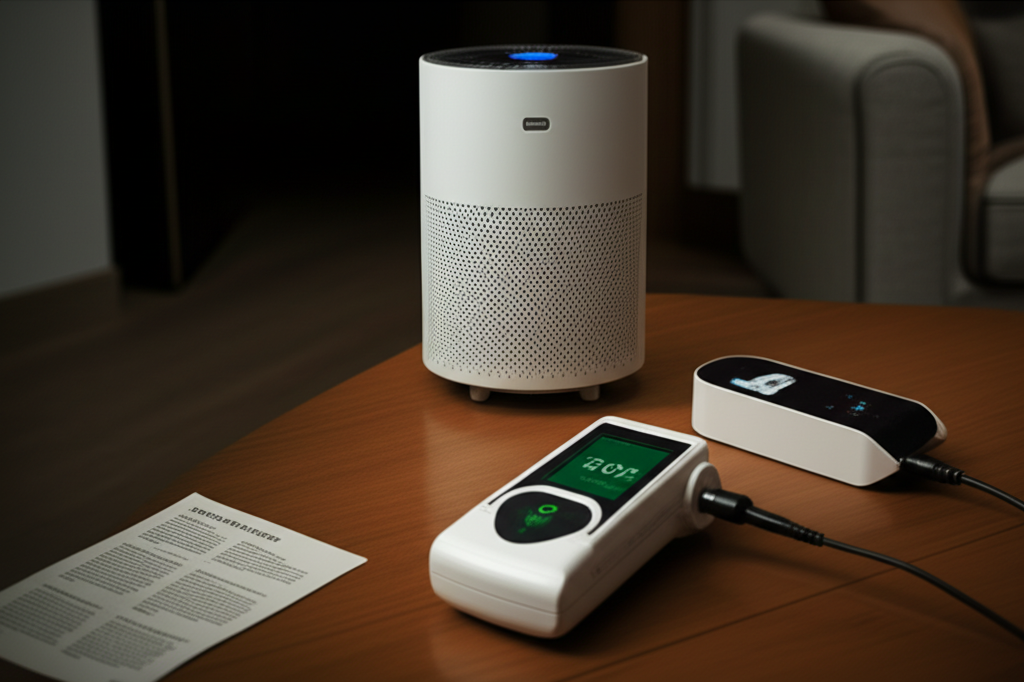
Ozone meters are devices that can measure the concentration of ozone in the air. These can be a valuable tool for homeowners concerned about potential ozone production from their appliances or for testing the effectiveness of their air purification strategy. They can help identify if your air purifier is contributing to higher ozone levels.
Interpreting Your Readings
If your ozone meter shows readings consistently above 10 ppb, it’s a signal to investigate the source. This could be an air purifier, but also other household items or outdoor air pollution seeping indoors. Reducing exposure is always the best approach.
Alternatives to Ozone-Produting Air Purifiers
Fortunately, many effective and safe alternatives exist for improving your indoor air quality without the risk of ozone exposure. These methods focus on physically removing pollutants or using safe chemical processes.
True HEPA Filters
True HEPA filters are designed to capture 99.97% of airborne particles as small as 0.3 microns. This includes dust, pollen, mold spores, and pet dander. They are a cornerstone of safe and effective air purification.
Activated Carbon Filters
Activated carbon filters excel at adsorbing odors, gases, and volatile organic compounds (VOCs). They work by trapping these pollutants within the porous structure of the carbon. Combining HEPA and activated carbon offers comprehensive air cleaning.
Ventilation and Source Control
Proper ventilation, such as opening windows when outdoor air quality permits, can help dilute indoor pollutants. Source control, like reducing the use of harsh chemical cleaners or ensuring gas stoves are properly vented, also significantly improves air quality. These are fundamental steps for a healthy home.
When Are Ozone Generators Acceptable?
While generally discouraged for occupied homes, ozone generators have specific applications where their use can be beneficial under controlled conditions. These applications typically involve unoccupied spaces and professional oversight.
For Mold Remediation and Severe Odor Removal
Ozone generators are often used by professionals for mold remediation or to eliminate persistent, strong odors like smoke or pet smells in unoccupied spaces. The high concentration of ozone breaks down odor-causing molecules and kills mold spores. After treatment, the area must be thoroughly ventilated to remove residual ozone before re-entry.
Professional Use and Safety Precautions
When used professionally, ozone generators are operated in sealed, unoccupied areas. Strict safety protocols are followed, including air monitoring and adequate ventilation after treatment. Homeowners should never attempt to use these devices in their living spaces without professional guidance and adherence to safety guidelines.
Health Alert: What to Do If Your Air Purifier Emits Ozone
If you suspect your current air purifier might be emitting ozone, or if you’ve recently purchased one and are concerned, taking immediate action is important. Protecting your health and that of your family should be the top priority.
Stop Using the Device Immediately
If your air purifier is an ozone generator or an ionizer that you suspect is producing significant ozone, the safest course of action is to stop using it immediately. Ventilate the room thoroughly after turning it off. You can then research and purchase a CARB-certified, ozone-free alternative.
Consult Product Manuals and Manufacturer Websites
Review the manual for your air purifier to understand its technologies and any warnings about ozone. Check the manufacturer’s website for their stance on ozone production and for information on ozone-safe models. Reputable companies will be transparent about their products.
Consider an Ozone Meter for Testing
If you have an ozone meter, you can test the air quality in the room where the purifier is operating. Compare the readings to recommended safety levels. This can help you confirm if your device is indeed a source of concern.
FAQ: Your Questions About Air Purifiers and Ozone Answered
Q1: Can all air purifiers emit ozone?
No, not all air purifiers emit ozone. Air purifiers that use technologies like True HEPA filtration, activated carbon, and ozone-safe UV-C lamps typically do not produce ozone. Ionizers and ozone generators are the primary concerns.
Q2: What is the main danger of ozone from air purifiers?
The main danger is that inhaled ozone can irritate and damage the lungs, worsening respiratory conditions like asthma and bronchitis, and potentially causing permanent lung damage even in healthy individuals.
Q3: Which air purifier technologies are known to produce ozone?
Ionizing air purifiers and ozone generators are the technologies most commonly associated with ozone production. Some UV-C light systems can also produce ozone if not designed correctly.
Q4: How can I tell if my air purifier emits ozone?
Check the product specifications for mentions of “ionizer” or “ozone generator.” If your purifier uses these technologies, it’s likely to produce ozone. You can also use an ozone meter to measure levels in your home.
Q5: Are CARB-certified air purifiers safe from ozone?
Yes, air purifiers that are certified by the California Air Resources Board (CARB) have been tested and meet strict standards for ozone emissions, making them a safe choice for indoor air purification.
Q6: Should I use an air purifier with an ionizer?
While some ionizers are designed to produce very low ozone levels, it’s generally recommended to err on the side of caution, especially if you have respiratory sensitivities. Opting for HEPA and activated carbon filters is a safer alternative.
Q7: What should I do if my air purifier is making the air smell like bleach?
A smell like bleach can sometimes be an indicator of ozone production. If you notice this, stop using the purifier and investigate its technology. Consider replacing it with a CARB-certified model.
Conclusion
The question, “Can air purifier emit ozone?” is a critical one for anyone seeking healthier indoor air. While some technologies, particularly ionizers and ozone generators, can produce harmful levels of this gas, many modern air purifiers are designed with safety in mind. Prioritizing air purifiers with True HEPA filtration, activated carbon, and crucially, CARB certification, ensures you can effectively clean your air without introducing a new health hazard. By understanding the technologies and choosing wisely, you can confidently breathe easier, knowing your home environment is truly purified and safe.
